Suboxone has become one of the most talked-about medications in opioid addiction treatment, and like anything that gets talked about a lot, it has collected a suitcase full of myths. Some are whispered in waiting rooms. Some are shouted online. Some sound medical because they use big words, which is the health-information equivalent of wearing a lab coat to a barbecue.
The truth is simpler and more hopeful: opioid use disorder is a treatable medical condition, and Suboxone, a brand-name medication that combines buprenorphine and naloxone, can help many people reduce cravings, avoid withdrawal, and rebuild daily life. It is not magic. It is not a moral shortcut. It is not “cheating.” It is evidence-based treatment, and for many patients, it is the difference between constantly fighting the brain’s alarm system and finally having enough quiet to heal.
This article explores five common myths about using Suboxone to treat opioid addiction, inspired by the public-health conversation highlighted by Harvard Health and supported by current medical guidance. The goal is not to hand out medical instructions. Suboxone should only be used under the care of a qualified clinician. The goal is to replace stigma with facts, fear with understanding, and internet noise with something more useful than a comment section at 2 a.m.
What Is Suboxone?
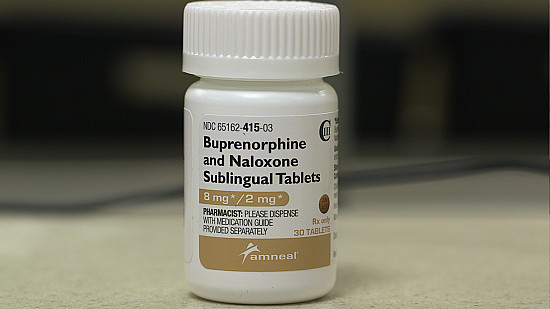
Suboxone is a prescription medication used to treat opioid use disorder, often called OUD. It contains two active ingredients: buprenorphine, which is a partial opioid agonist, and naloxone, which helps discourage misuse. Buprenorphine attaches to opioid receptors in the brain, but it does not activate them in the same intense way as full opioid agonists such as heroin, fentanyl, or oxycodone. That partial effect can reduce cravings and withdrawal symptoms without producing the same powerful high associated with many opioids.
That matters because addiction is not simply “liking a drug too much.” Opioid use disorder can change reward pathways, stress responses, tolerance, and decision-making. When withdrawal and cravings take over, even people with strong values, families, goals, and willpower can feel trapped. Suboxone helps lower the volume on that biological chaos so recovery work becomes possible.
Myth 1: “Using Suboxone Means You Are Not Really in Recovery”
This myth is common, harmful, and about as medically useful as diagnosing a car problem by yelling at the dashboard. Recovery is not defined by whether someone uses a medication. Recovery is about reducing harm, improving health, restoring stability, and building a life that is not controlled by compulsive opioid use.
For some people, medication is an essential part of that process. We do not tell people with diabetes that insulin means they are “not really managing their health.” We do not tell people with asthma that inhalers are a character flaw. Yet people with opioid use disorder are often treated as if medication-assisted recovery is somehow less authentic than white-knuckling through symptoms.
That attitude can be dangerous. Untreated opioid use disorder carries serious risks, including overdose, infection, job loss, family disruption, and repeated cycles of withdrawal and relapse. Suboxone can help reduce cravings and withdrawal, allowing a person to participate in counseling, work, parenting, school, and ordinary routines. Ordinary routines may not sound dramatic, but in recovery they can be heroic. Paying bills, showing up on time, sleeping through the night, and remembering where the car keys arethese are not small victories.
Recovery Is Not a Purity Contest
The “not really in recovery” myth often comes from an outdated idea that recovery must look one specific way. In reality, people recover through different combinations of medical care, counseling, peer support, family support, harm reduction, lifestyle changes, and time. Suboxone does not replace personal effort. It supports it. The medication does not go to therapy for the patient, repair relationships, apply for jobs, or build coping skills. It simply helps make those steps more realistic.
Myth 2: “Suboxone Is Just Replacing One Addiction With Another”
This is probably the most famous Suboxone myth, and it survives because it sounds logical at first. Suboxone contains buprenorphine, and buprenorphine is an opioid medication. So, the myth says, taking it must mean swapping one addiction for another. But addiction and physical dependence are not the same thing.
Physical dependence means the body has adapted to a substance, and stopping suddenly may cause withdrawal. Many medications can cause physical dependence, including some antidepressants, blood pressure medicines, and steroids. Addiction, by contrast, involves compulsive use despite harm, loss of control, craving, and behavior that becomes organized around obtaining and using a substance.
When taken as prescribed, Suboxone is meant to stabilizenot intoxicate. A person who is stable on treatment may be able to work, care for children, attend school, drive safely, keep appointments, and make long-term plans. That is very different from the unpredictable cycle of intoxication, withdrawal, and compulsive use that characterizes active opioid addiction.
The Elevator Analogy
Imagine opioid addiction as being stuck in an elevator that keeps dropping floors without warning. Suboxone does not teleport someone to the penthouse of perfect health. Instead, it can help stop the elevator from crashing long enough for the doors to open. Then the real work begins: therapy, support, rebuilding trust, treating anxiety or depression, finding safe housing, and learning how to live without being chased by cravings all day.
Myth 3: “People Commonly Misuse Suboxone, So It Should Be Avoided”
Any medication can be misused. That includes pain relievers, sleep medicines, stimulants, and even cough syrup. The question is not whether misuse is possible. The better question is whether the benefits of treatment, when properly supervised, outweigh the risks. For many people with opioid use disorder, the answer is yes.
Buprenorphine has a ceiling effect, meaning its opioid effects level off after a certain point. This makes it different from full opioid agonists, where higher amounts can continue increasing opioid effects and risk. The naloxone component is included to discourage certain forms of misuse. That does not make Suboxone risk-free, and it should never be shared, taken without a prescription, or mixed with sedating substances unless a clinician has reviewed the situation. But fear of misuse should not become an excuse to block access to a medication that can reduce overdose risk and support recovery.
In fact, some reports of “misuse” may reflect people trying to avoid withdrawal when they cannot access treatment. That is not a reason to shrug at misuse; it is a reason to improve access to legitimate medical care. When people cannot get timely appointments, affordable prescriptions, or respectful treatment, the healthcare system should not act shocked when desperate people make desperate choices.
Access Matters
One major shift in the United States is that federal rules have changed to make buprenorphine prescribing more accessible. Clinicians with appropriate standard registration can now prescribe buprenorphine for opioid use disorder if allowed by state law. This does not solve every problempatients may still face stigma, insurance barriers, transportation issues, or pharmacy shortagesbut it moves treatment closer to ordinary healthcare.
Myth 4: “Suboxone Should Only Be Used for a Short Time”
Some people assume Suboxone should be used only for a quick detox, like a medical bridge from withdrawal to instant wellness. That idea is neat, tidy, and often unrealistic. Opioid use disorder is a chronic condition for many people. Short-term treatment may help some patients, but others benefit from longer maintenance therapy.
There is no universal stopwatch for recovery. Some patients use medication for months. Others use it for years. Some may taper slowly under medical supervision when life is stable and relapse risk is lower. Others may continue long-term because the medication helps them stay alive and functional. That is not failure. That is individualized care.
The pressure to stop too soon can be risky. If a person discontinues treatment before they are ready, cravings may return. Tolerance may be lower, which can increase overdose danger if relapse occurs. A carefully planned taper is very different from abruptly stopping because someone else decided the calendar looked inconvenient.
Stability Comes Before Speed
A good treatment plan asks practical questions: Is the person avoiding illicit opioids? Are cravings controlled? Is housing stable? Are mental health conditions being treated? Is there support at home? Is the person able to function at work, school, or in family life? These questions matter more than an arbitrary deadline. Recovery is not a microwave dinner. It does not become better because someone demands it be done in three minutes.
Myth 5: “Suboxone Alone Fixes Addiction”
Suboxone is helpful, but it is not a complete life-repair kit. Medication can reduce cravings and withdrawal symptoms, but people often need more than chemistry. Opioid use disorder may be connected to chronic pain, trauma, anxiety, depression, unemployment, unstable housing, loneliness, or years of shame. A tablet or film cannot single-handedly rebuild a support system.
That is why many guidelines describe medication as part of a comprehensive treatment plan. Counseling, behavioral therapy, peer support, recovery coaching, primary care, mental health treatment, and practical services can all play a role. Some people thrive with one-on-one therapy. Others need group support. Some benefit from family education. Others need help with transportation, insurance, or finding a clinician who treats them like a human being instead of a suspicious backpack.
The best care is not just “Here is a prescription; good luck.” It is coordinated, respectful, and realistic. Patients are more likely to stay engaged when they are treated with dignity and when treatment fits the messy details of real life.
Why These Myths Are So Harmful
Myths about Suboxone are not harmless misunderstandings. They can shape policy, family attitudes, medical decisions, and patient self-esteem. A person who believes treatment is shameful may avoid asking for help. A family member who believes Suboxone is “just another drug” may pressure someone to stop too early. A clinician influenced by stigma may hesitate to offer evidence-based care. A community that sees medication as weakness may unintentionally push people back toward far more dangerous opioid use.
Stigma is not just rude. It can be clinically dangerous. Opioid addiction already thrives in secrecy and isolation. When people feel judged, they are less likely to disclose relapse, withdrawal symptoms, cravings, or unsafe drug exposure. When they feel respected, they are more likely to stay connected to care. In addiction treatment, connection can be lifesaving.
Suboxone, Safety, and Responsible Treatment
Suboxone should be prescribed and monitored by a healthcare professional. Patients should tell their clinician about all medications and substances they use, especially sedatives, alcohol, sleep medications, and anxiety medications, because combinations can increase risk. People should not share Suboxone with anyone else. They should also keep medications stored safely, especially around children and teens.
Side effects can occur, including headache, nausea, constipation, sweating, sleep changes, or mouth-related issues with dissolving forms. Serious problems are less common but possible, especially when Suboxone is combined with other substances that slow breathing. That is why honest communication with a clinician is essential. The goal is not perfection; the goal is safety and progress.
How Families Can Support Someone Taking Suboxone
Families often want to help but do not always know what to say. A useful starting point is to treat Suboxone like other serious medical treatments: with privacy, respect, and curiosity rather than suspicion. Ask how support would be helpful. Offer rides to appointments if appropriate. Encourage counseling or peer support without turning every dinner into a courtroom cross-examination.
It also helps to celebrate boring milestones. A month of attending appointments matters. A week of better sleep matters. Choosing not to contact old drug-using friends matters. Showing up to work matters. Recovery is built from many small decisions that rarely get applause. Families can provide some of that applause, preferably without making it weird. A simple “I’m proud of you” is often better than a motivational speech long enough to require subtitles.
What Patients Often Wish Others Understood
Many people taking Suboxone wish others understood that medication does not erase effort. They still have to manage triggers, repair trust, attend appointments, face stigma, and make daily choices. They may also carry guilt from past behavior and fear of being judged forever. When outsiders dismiss medication-assisted treatment, it can feel like they are dismissing the hard work behind recovery.
Patients may also wish people understood that feeling “normal” is the point. The goal is not to feel high. The goal is to wake up without being dominated by withdrawal, to think clearly, to go to work, to care for family, to make plans, and to become someone whose day is not organized around avoiding sickness. Normal may not sound exciting, but after chaos, normal is a luxury vacation with clean sheets.
Experience-Based Section: What Real Recovery With Suboxone Can Feel Like
Although every recovery story is different, certain experiences come up again and again in conversations around Suboxone treatment. The first is relief. Not dramatic movie-scene relief with rain, violins, and a slow-motion sunrisemore like the quiet relief of realizing the brain is no longer screaming every minute. People often describe the early stage of treatment as finally having space to think. That space can be uncomfortable at first. When the constant chase of opioids fades, real-life problems are still there: bills, apologies, health issues, court dates, family tension, grief, boredom, and the terrifying question, “Who am I now?”
This is why support matters. Medication can create stability, but stability can feel unfamiliar. Some people are surprised that recovery is not automatically joyful. They may feel flat, anxious, guilty, or impatient. They may expect life to improve overnight and then feel discouraged when it improves in tiny, unglamorous steps. A person may not use opioids today, but they still need to learn how to handle stress, pain, conflict, and free time. Free time, by the way, can be suspiciously difficult. Addiction fills the calendar with chaos; recovery asks a person to fill it with meaning.
Another common experience is dealing with other people’s opinions. Someone may be doing well on Suboxone, attending appointments, avoiding illicit opioids, and rebuilding trustyet still hear, “When are you getting off that stuff?” That question can sting. Sometimes it comes from concern. Sometimes it comes from misunderstanding. Either way, it can make patients feel rushed or ashamed. A better question is, “How is your treatment helping you, and what support do you need?” That leaves room for medical decision-making instead of turning the family living room into a pharmacy debate club.
Clinicians also see a pattern: when patients feel respected, they are more honest. A patient who is not afraid of being punished is more likely to admit cravings, missed doses, relapse, depression, or unsafe situations. That honesty gives the care team a chance to adjust the plan. Shame, on the other hand, drives silence. Silence is where risk grows. Good addiction care is not soft because it avoids shame; it is smart because shame is a terrible treatment strategy.
Families often experience their own learning curve. At first, they may watch every mood change and wonder if something is wrong. They may confuse normal stress with relapse. They may want guarantees, but recovery rarely provides them. Over time, many families learn to look for patterns rather than panic over every bad day. Is the person staying connected to care? Are they communicating? Are they building routines? Are they safer than before? Those questions are more useful than trying to inspect someone’s recovery under a microscope.
For many people, the most meaningful part of Suboxone treatment is not the medication itself but what the medication makes possible. A parent can make breakfast. A worker can keep a schedule. A student can return to class. A person can sit through a movie without calculating withdrawal. These moments may look ordinary from the outside, but inside recovery they are major renovations. Suboxone does not write the whole recovery story, but for many people, it helps keep the pages from catching fire.
Conclusion: Facts Beat Fear
The five myths about using Suboxone to treat opioid addiction all share one problem: they oversimplify a serious medical condition. Opioid use disorder is not cured by judgment, slogans, or tough-love speeches delivered with dramatic eyebrow movement. It requires evidence-based care, patience, safety, and human dignity.
Suboxone is not right for everyone, and it should only be used under medical supervision. But for many people, it is a proven tool that reduces cravings, supports stability, and lowers the risks associated with untreated opioid use disorder. Calling it “cheating” or “replacing one addiction with another” does not make anyone safer. It only keeps stigma alive.
The better approach is clear: treat opioid addiction like the medical condition it is, support people who seek help, and let treatment decisions be guided by evidence rather than myths. Recovery is hard enough. It does not need extra obstacles built out of misinformation.
Medical note: This article is for general educational publishing purposes only. It is not medical advice, diagnosis, or treatment guidance. Anyone considering treatment for opioid use disorder should speak with a licensed healthcare professional.