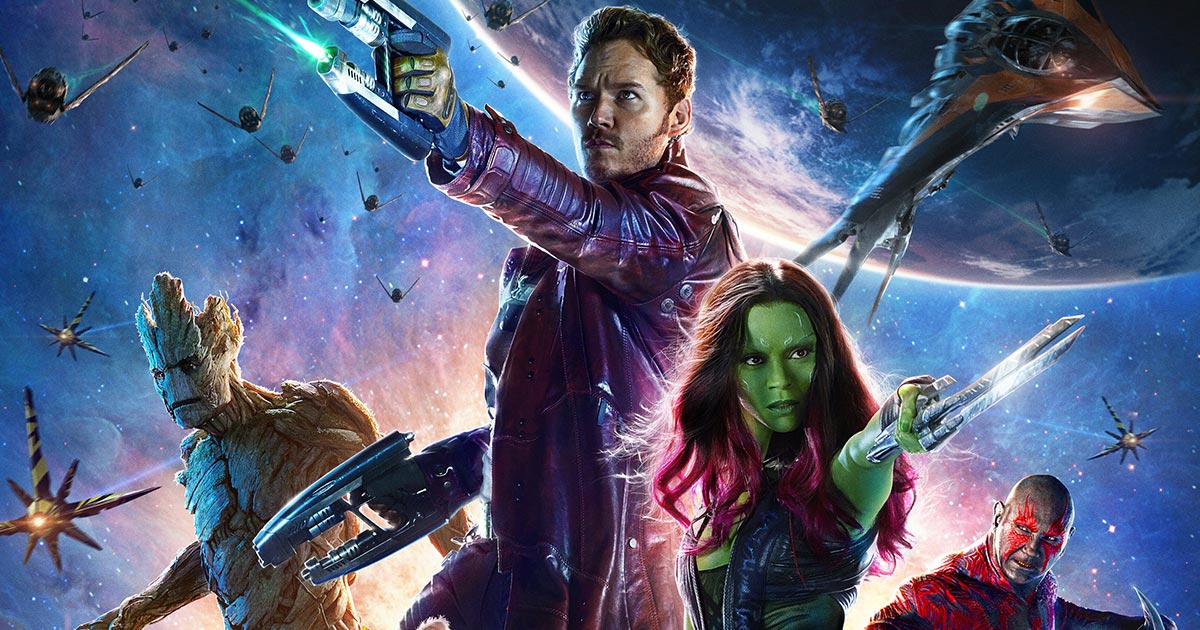
The Marvel Cinematic Universe now feels so inevitable that it is easy to forget how ridiculous the whole idea once sounded. Today, the MCU is a pop-culture machine with superheroes, multiverse cameos, Disney+ spin-offs, theme-park synergy, lunch boxes, memes, and enough post-credit scenes to make moviegoers afraid to leave the theater for popcorn. But in 2008, Marvel Studios was not the unstoppable titan it later became. It was a relatively untested movie studio betting its future on a metal-suited billionaire whom general audiences barely knew.
Looking back, the success of the Marvel Cinematic Universe seems like destiny. In reality, it was closer to a high-wire act performed during a thunderstorm while someone shouted, “Try adding Samuel L. Jackson after the credits.” The MCU had financial danger, missing character rights, risky casting, complicated continuity, and an audience that could have easily shrugged and gone home. By normal Hollywood logic, this franchise should have tripped over its own cape before The Avengers ever assembled.
So why did the Marvel Cinematic Universe almost fail before it became Hollywood’s favorite money printer? Let’s break down five overlooked reasons the MCU should have failedand why its survival remains one of the strangest success stories in modern blockbuster history.
1. Marvel Bet the House Before It Owned a Stable Movie Empire
Before the MCU became shorthand for franchise dominance, Marvel was still recovering from a very real business crisis. Marvel Entertainment Group filed for Chapter 11 bankruptcy protection in 1996 after the comic book and trading-card market cooled off dramatically. That is not exactly the ideal origin story for a studio planning to challenge Hollywood’s biggest players. “Once bankrupt comic-book company becomes the most powerful movie brand on Earth” sounds less like a business plan and more like something a very optimistic intern writes on a whiteboard.
To launch its own film slate, Marvel made a bold move in 2005: it closed a $525 million non-recourse credit facility arranged by Merrill Lynch. The plan was to finance up to ten movies based on Marvel characters, with Paramount handling distribution for the early slate. The risky part was not just the size of the money. Marvel pledged theatrical film rights to characters in the slate as collateral. In plain English, Marvel was borrowing hundreds of millions of dollars to make movies about characters that many non-comic readers did not yet consider A-list movie material.
This matters because the Marvel Cinematic Universe did not begin as a comfortable studio experiment. It began as a financial gamble. If Iron Man had crashed, Marvel would not simply have suffered an embarrassing opening weekend. The company’s entire independent film strategy could have collapsed before it had a chance to build momentum.
Hollywood usually likes proof before spending superhero-sized money. Marvel had passion, character libraries, and comic book historybut not a track record as a self-financing film studio. That made the first phase of the MCU feel less like a guaranteed franchise launch and more like a startup pitch with explosions.
2. Marvel Did Not Have Its Most Famous Heroes
Another reason the Marvel Cinematic Universe should have failed is almost comically simple: Marvel started the MCU without many of the Marvel characters people knew best.
Spider-Man was tied to Sony. The X-Men and Fantastic Four were associated with Fox. Hulk’s solo-film rights were complicated by Universal. These were not minor absences. Spider-Man was Marvel’s most recognizable superhero. The X-Men had already proven themselves on the big screen. The Fantastic Four were foundational to Marvel Comics history. Starting a Marvel movie universe without them was like opening a pizza shop and realizing someone else owns cheese.
Instead, Marvel built Phase One around Iron Man, Thor, Captain America, Hulk, Black Widow, Hawkeye, Nick Fury, and the idea of the Avengers. Comic fans knew these names, of course. But in the mid-2000s, the average moviegoer was not necessarily begging for a Thor origin story involving Asgardian family drama, enchanted hammers, and Shakespearean daddy issues. Captain America could have seemed old-fashioned. Iron Man was not yet the global icon he became. Hawkeye, bless him, was a guy with arrows standing near gods and monsters.
This limitation should have been fatal. Instead, it forced Marvel to do something smarter than leaning on pre-existing fame. The studio had to make audiences care about the characters through personality, casting, humor, and long-term storytelling. Tony Stark did not become beloved because viewers entered the theater already worshiping Iron Man. He became beloved because Robert Downey Jr. made arrogance weirdly charming, vulnerability funny, and facial hair a brand strategy.
The MCU succeeded partly because Marvel had no choice but to transform “secondary” heroes into household names. That sounds inspiring now. At the time, it looked like a studio trying to cook dinner from leftovers and accidentally inventing a restaurant chain.
3. The First Big Casting Choice Looked Like a Huge Risk
The MCU’s foundation rested on Iron Man, and Iron Man rested on Robert Downey Jr. Today, that sentence feels obvious. In 2008, it was risky enough to make studio executives breathe into paper bags.
Downey was widely respected as a gifted actor, but he was not considered a conventional blockbuster action star at the time. His public struggles had made him seem like an insurance headache to some decision-makers. Jon Favreau pushed for him because Downey’s life experience, intelligence, wit, and vulnerability matched Tony Stark in a way that felt almost too perfect. The gamble worked so well that it now seems impossible to imagine anyone else saying, “I am Iron Man.”
But that is the point: it only seems obvious after the fact. If Downey had failed, the MCU might have lost its emotional center immediately. Tony Stark became the audience’s entry point into a larger world of super soldiers, gods, spies, aliens, sorcerers, and talking raccoons. Without him, the connected universe might have felt like a corporate spreadsheet wearing spandex.
The casting risk also highlights a larger problem Marvel faced: the MCU needed movie stars, but it also needed actors willing to commit to a long-term machine. That machine did not yet exist. Asking performers to sign multi-film deals for a hypothetical universe was not as easy as it sounds today. Marvel needed actors who could carry individual movies while also playing nicely in ensemble stories. That balance is difficult. Too much ego, and the crossover collapses. Too little charisma, and audiences do not follow the character into the next film.
Downey, Chris Evans, Chris Hemsworth, Scarlett Johansson, Samuel L. Jackson, Mark Ruffalo, and others eventually made the MCU feel like a living comic book. But assembling that cast was not inevitable. It was precision work disguised as superhero fun.
4. The Shared-Universe Model Was a Logistical Nightmare Waiting to Happen
Before Marvel, movie franchises usually moved in straight lines. A film came out, then a sequel, then maybe a third entry, then a reboot if everyone got tired or the rubber suits became embarrassing. The MCU tried something different: individual franchises that would overlap, cross-reference, and eventually collide in team-up movies.
That sounds normal now because Marvel trained audiences to expect it. But in the late 2000s, this was a massive creative and logistical gamble. Iron Man, The Incredible Hulk, Thor, and Captain America: The First Avenger had to work as standalone films while also serving a larger plan. Too many references, and each movie would feel like an advertisement for a future product. Too few, and the big crossover would feel unearned.
Marvel’s secret weapon was patience. The studio did not introduce every hero in one overcrowded film. It gave audiences time to understand Tony Stark’s ego, Steve Rogers’ idealism, Thor’s arrogance, and Bruce Banner’s burden. Then The Avengers arrived in 2012 as a payoff rather than a pitch meeting. That film’s massive global success proved the shared-universe model could work, but until it happened, the entire strategy was theoretical.
There were plenty of ways it could have gone wrong. Continuity could have become confusing. Tonal differences could have clashed. Audiences could have rejected the idea that they needed to watch multiple movies to fully enjoy the next one. Directors could have resisted coordination. Actors could have become unavailable. One weak installment could have damaged the whole chain.
The MCU succeeded because it treated continuity like seasoning rather than the whole mealat least in the early years. A post-credit scene teased Nick Fury and the Avengers Initiative, but Iron Man still worked as Tony Stark’s story. That balance between immediate entertainment and future promise became Marvel’s signature.
5. The Tone Could Have Been a Disaster
The Marvel Cinematic Universe should also have failed because its tone was nearly impossible to balance. The franchise had to make room for military technology, Norse mythology, World War II nostalgia, spy thrillers, cosmic adventures, political paranoia, teen comedy, grief, time travel, and a purple alien collecting magic stones like the universe’s worst jewelry enthusiast.
Too serious, and the MCU might have become heavy and self-important. Too silly, and audiences might not have cared when cities exploded or heroes died. Marvel needed humor, but not parody. It needed emotional stakes, but not endless gloom. It needed comic-book color without making viewers feel as if they were trapped inside a toy commercial.
The early MCU found a flexible tone by focusing on character reactions. Tony jokes because he is scared. Steve stands firm because he believes in something bigger than himself. Thor’s fish-out-of-water comedy works because his arrogance is being dismantled. The Guardians of the Galaxy can dance, argue, and save the universe because their weirdness hides loneliness. The humor is not just decoration; it reveals personality.
This tonal balancing act helped Marvel appeal to both comic fans and casual audiences. People who had never read an Avengers issue could still enjoy a wounded genius learning responsibility, a skinny kid from Brooklyn refusing to become a bully, or a family of space misfits trying to stop disaster while insulting each other. The MCU made the bizarre emotionally accessible.
Still, the risk was always there. A shared universe multiplies tonal problems. One movie’s mistake can echo into the next. The more Marvel expanded, the harder the balance became. Later debates about superhero fatigue, streaming overload, and multiverse complexity show that the original danger never fully disappeared. The MCU did not defeat chaos. It merely kept chaos in a nice display case for an impressively long time.
Why the Marvel Cinematic Universe Worked Anyway
Given all these risks, why did the Marvel Cinematic Universe survive? The answer is not one thing. It was a combination of timing, casting, creative discipline, audience goodwill, and a willingness to treat comic-book storytelling as a feature rather than a flaw.
Marvel respected the serial nature of comics. It understood that fans enjoy anticipation. A small tease at the end of one movie could become a major event years later. That approach encouraged repeat viewing and online discussion. Every shield in the background, every mention of S.H.I.E.L.D., every mysterious artifact gave audiences something to decode. Marvel turned continuity into a game without making the rules too difficult at first.
The studio also benefited from strong character-first storytelling. Iron Man is not memorable only because of the armor. It is memorable because Tony Stark changes. Captain America: The Winter Soldier is not just a superhero movie; it is a conspiracy thriller about trust. Black Panther is not just a royal adventure; it is a story about legacy, isolation, and responsibility. Guardians of the Galaxy should have been the weird cousin nobody invited to dinner, yet it became beloved because its emotional core was sincere.
Most importantly, the MCU understood momentum. Each successful film made the next risk easier to accept. After audiences bought Iron Man, they were more open to Thor. After they accepted Thor, Captain America seemed less strange. After The Avengers worked, Marvel had permission to get much weirder. By the time a talking tree said three words and broke hearts, the audience had already signed the emotional contract.
Experience Notes: What the MCU Teaches Viewers, Creators, and Fans
Watching the Marvel Cinematic Universe grow from Iron Man into a global franchise has been a lesson in how stories can create community. For many viewers, the MCU was not just a series of movies. It became a shared calendar. People planned opening weekends, avoided spoilers like they were dodging laser beams, and stayed through credits because Marvel trained everyone to distrust the house lights. That experience changed the rhythm of blockbuster fandom.
One of the most interesting experiences related to the MCU is how it rewarded long-term attention. A casual viewer could enjoy the action, jokes, and character drama. A dedicated fan could notice callbacks, comic references, background props, and emotional echoes across years of storytelling. That two-level experience made the franchise unusually sticky. You could watch one movie for fun, then suddenly find yourself explaining Infinity Stones to a relative at dinner with the seriousness of a constitutional scholar.
The MCU also showed how emotional investment can sneak up on people. Early on, some viewers may have treated these films as colorful entertainment. Then characters aged, relationships deepened, and consequences accumulated. Tony Stark’s journey from selfish weapons manufacturer to self-sacrificing hero became powerful because audiences lived with him for more than a decade. Steve Rogers’ ending mattered because viewers had seen his loneliness, loyalty, and stubborn moral compass across multiple films. The franchise used time as a storytelling tool.
For creators, the MCU offers a valuable lesson: world-building only works when individual stories matter. A cinematic universe cannot survive on Easter eggs alone. Fans may enjoy references, but they return for characters. The best MCU entries understand this. They let the spectacle support emotion instead of replacing it. When Marvel forgot that balance, some projects felt more like homework than entertainment. When it remembered, the results could be thrilling.
For fans, the MCU experience has also been a reminder that success creates new challenges. The bigger the universe becomes, the harder it is to keep every story essential, fresh, and easy to follow. What once felt exciting can start to feel crowded. That does not erase the achievement. It simply proves how difficult the original miracle was. The Marvel Cinematic Universe should have failed because it was too ambitious, too risky, and too complicated. Instead, it turned those weaknesses into strengthsat least long enough to reshape Hollywood.
Conclusion
The Marvel Cinematic Universe should have failed for at least five major reasons: Marvel’s fragile financial position, the absence of its most famous characters, risky casting, the untested shared-universe model, and the enormous challenge of balancing tone across wildly different stories. Yet the MCU succeeded because it made smart creative bets, trusted character-driven storytelling, and gave audiences a reason to care about each new chapter.
That is what makes the MCU’s rise so fascinating. It was not simply a superhero success story. It was a business comeback, a casting miracle, a storytelling experiment, and a fan-culture explosion happening all at once. The Marvel Cinematic Universe did not succeed because failure was impossible. It succeeded because failure was extremely possibleand Marvel kept flying anyway.