Glucose monitoring has come a long way from the classic finger-prick routine, which has about as much charm as stepping on a LEGO brick before breakfast. In 2025, people managing diabetes or monitoring glucose trends had more choices than ever: prescription continuous glucose monitors (CGMs), over-the-counter biosensors, implantable sensors, smartphone-connected meters, and apps that turn rows of numbers into useful patterns.
The best glucose monitor is not always the most advanced or the most expensive. For some people, a CGM with alerts can be life-changing. For others, a reliable blood glucose meter and affordable test strips are the smarter long-term choice. This guide compares six standout options based on different needs, including CGM wear time, app features, insulin compatibility, convenience, and the all-important question: “Will I actually use this every day?”
Important note: This is an educational 2025-focused buying guide, not medical advice. Device availability, software features, insurance coverage, and compatibility can change. Talk with a qualified healthcare professional before changing diabetes treatment, insulin doses, or monitoring routines.
Best Glucose Monitors at a Glance
| Glucose Monitor | Best For | Type | Key Advantage |
|---|---|---|---|
| Dexcom G7 | Best overall prescription CGM | Continuous glucose monitor | Real-time alerts and strong pump ecosystem |
| FreeStyle Libre 3 Plus | Best long-wear everyday CGM | Continuous glucose monitor | 15-day sensor with automatic readings |
| Eversense 365 | Best for minimal sensor changes | Implantable CGM | Up to one year of wear |
| Dexcom Stelo | Best OTC glucose biosensor | Over-the-counter biosensor | No prescription for eligible adults |
| Lingo by Abbott | Best for wellness-focused app insights | Over-the-counter biosensor | Behavior-focused glucose education |
| CONTOUR NEXT ONE | Best finger-stick meter with app support | Blood glucose meter | Bluetooth syncing and dependable backup testing |
How Glucose Monitors Work
Before choosing a device, it helps to understand the three major categories. A traditional blood glucose meter uses a small finger-stick blood sample and a test strip. It gives you a snapshot of your glucose level at that moment.
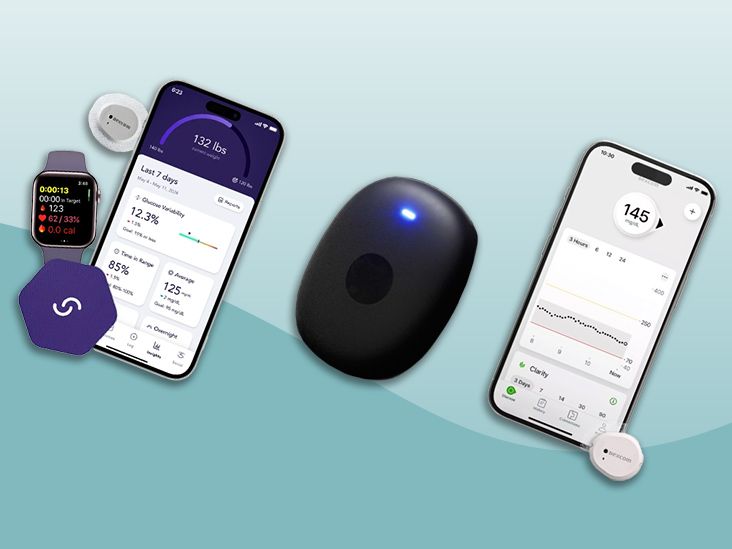
A continuous glucose monitor uses a tiny sensor placed under the skin. Rather than testing a drop of blood, it tracks glucose in the fluid between your cells and sends data to a phone, reader, or insulin pump. CGMs can show current glucose, directional arrows, trends, patterns, and alerts for high or low readings.
Over-the-counter glucose biosensors look similar to medical CGMs but may be intended for adults not using insulin or for people exploring lifestyle patterns. These products can be useful for learning how meals, activity, sleep, and stress influence glucose, but they should not be treated as a substitute for a medical diabetes diagnosis or a treatment plan.
One practical reminder: CGMs and finger-stick meters are not enemies. They are teammates. A meter may still be useful when symptoms do not match a CGM reading, when a sensor is warming up, when the app is unavailable, or when your care team recommends confirmation testing.
1. Dexcom G7: Best Overall Prescription CGM
The Dexcom G7 earns the “best overall” spot because it combines real-time glucose data, customizable alerts, smartphone connectivity, and broad compatibility with diabetes technology. It is designed for people with diabetes who need ongoing glucose information rather than a once-in-a-while number.
Why It Stands Out
The biggest advantage of Dexcom G7 is its active monitoring style. Instead of waiting for you to remember to check a number, it can alert you when glucose is heading too high or too low. For people using insulin, especially those concerned about overnight lows or unpredictable glucose swings, those alerts can feel less like a gadget feature and more like a tiny, very persistent assistant.
Dexcom G7 also fits well into connected diabetes care. Depending on the specific system and region, it can work with compatible insulin pumps and automated insulin delivery platforms. That matters because a CGM can help an insulin delivery system respond to glucose trends rather than operating with fewer real-time clues.
Choose Dexcom G7 If You Want:
- Real-time readings and trend arrows throughout the day
- High and low glucose alerts
- Potential insulin pump integration
- Easy sharing of glucose data with caregivers or healthcare professionals
- A strong option for intensive diabetes management
Consider Another Option If:
You dislike frequent sensor changes, need a non-prescription product, or do not need alerts and advanced trend data. Insurance coverage can also heavily influence whether Dexcom G7 is practical for your budget.
2. FreeStyle Libre 3 Plus: Best Long-Wear Everyday CGM
The FreeStyle Libre 3 Plus is a strong choice for people who want a small, wearable CGM with automatic glucose readings and less frequent sensor replacement. The sensor is designed for up to 15 days of wear and sends glucose data automatically to a compatible smartphone or reader without requiring routine scanning.
Why It Stands Out
Convenience is the main selling point. The Libre 3 Plus focuses on delivering regular glucose data without making the user perform a mini ceremony every time they want a reading. You apply the sensor, connect it to the app, and review current values, glucose trends, and reports over time.
It can be especially appealing for people who want a discreet device and fewer sensor swaps. The app experience also makes it easier to review patterns: morning glucose, post-meal rises, overnight changes, and the mysterious effect of that “healthy” smoothie that secretly contained enough fruit to open its own orchard.
Choose FreeStyle Libre 3 Plus If You Want:
- A prescription CGM with a longer sensor wear period
- Automatic readings without frequent manual scanning
- Smartphone-based reports and trend tracking
- A small sensor designed for everyday wear
- Potential compatibility with certain automated insulin delivery systems
Consider Another Option If:
You need specific alert settings, prefer another pump ecosystem, or have a phone that is not compatible with the app. Always check phone compatibility before choosing a CGM; a brilliant sensor is not very helpful if your phone treats it like a stranger at a party.
3. Eversense 365: Best Implantable CGM for Fewer Sensor Changes
If replacing a sensor every week or two sounds like a hobby you would rather not have, Eversense 365 is worth discussing with a healthcare professional. This implantable CGM uses a small sensor placed under the skin of the upper arm by a trained provider and is designed to measure glucose for up to one year.
Why It Stands Out
The major appeal is obvious: far fewer insertions. Instead of applying a new disposable sensor every several days or weeks, users can rely on an implanted sensor while wearing a removable external transmitter over the site. The transmitter sends glucose information to a mobile app and can provide alerts.
That said, fewer sensor changes do not mean zero maintenance. Eversense requires a medical insertion procedure and has calibration requirements. Users also need to consider appointment availability, insurance coverage, and whether they are comfortable with an implantable device.
Choose Eversense 365 If You Want:
- Long-term CGM wear with fewer replacements
- Real-time glucose readings and trend information
- A removable external transmitter
- An alternative to frequent disposable sensor applications
- A CGM option that may reduce adhesive-related frustration for some users
Consider Another Option If:
You prefer a device you can apply at home, want to avoid a minor procedure, or do not want to keep up with calibration instructions. Long wear is convenient, but it is not automatically the right fit for every lifestyle.
4. Dexcom Stelo: Best Over-the-Counter Glucose Biosensor
Dexcom Stelo is one of the most notable developments in the glucose-monitoring market because it is available without a prescription for eligible adults. It is intended for adults age 18 and older who do not use insulin, including some people with type 2 diabetes, prediabetes, or an interest in tracking glucose patterns.
Why It Stands Out
Stelo makes glucose tracking more accessible for people who may not qualify for, need, or want a prescription CGM. It provides continuous glucose data through an app and can help users notice patterns related to meals, movement, sleep, and daily routines.
It is not a replacement for medical care, and it is not intended for people using insulin. Still, for an adult with prediabetes who wants to see whether a balanced lunch produces a smoother glucose response than a drive-through feast, Stelo can turn vague guesses into useful data.
Choose Dexcom Stelo If You Want:
- A non-prescription glucose biosensor
- Continuous data without the traditional prescription process
- Insights into glucose patterns related to lifestyle
- An option designed for adults not using insulin
- A more detailed alternative to occasional finger-stick testing
Consider Another Option If:
You use insulin, need diabetes treatment alerts recommended by your clinician, are under age 18, or require a device that is specifically prescribed for intensive diabetes management.
5. Lingo by Abbott: Best for Wellness-Focused Glucose Insights
Lingo is an over-the-counter glucose biosensor and app designed around metabolic awareness and behavior change. It is intended for adults age 18 and older who do not use insulin. Unlike prescription diabetes CGMs, Lingo is not intended to diagnose or manage diabetes.
Why It Stands Out
Lingo’s appeal is its coaching-style app experience. Rather than simply dropping a stream of glucose numbers into your lap and wishing you luck, it encourages users to explore how food choices, exercise, sleep, and daily habits may affect glucose patterns.
This can be helpful for people who prefer practical lifestyle feedback over dense charts. For example, a user might compare how a short walk after dinner affects their glucose curve versus immediately moving from dinner to the couch and entering a committed relationship with a streaming service.
Choose Lingo If You Want:
- Wellness-oriented glucose education
- An app that encourages healthy habit experiments
- A short-term way to learn about meal and movement patterns
- An OTC option for adults not using insulin
- A simple introduction to glucose trend tracking
Consider Another Option If:
You have diabetes and need clinical monitoring, insulin guidance, medical alerts, or treatment decisions based on glucose values. Lingo is a wellness tool, not a medical substitute.
6. CONTOUR NEXT ONE: Best Traditional Glucose Meter With App Support
CGMs get much of the attention, but a traditional blood glucose meter remains a smart and important tool. The CONTOUR NEXT ONE is a Bluetooth-enabled finger-stick meter that can connect with the CONTOUR Diabetes app to help users track, review, and share glucose readings.
Why It Stands Out
A finger-stick meter provides a direct blood glucose reading at the time of testing. It does not require a wearable sensor, adhesive patch, or phone notification. For some people, that simplicity is a feature, not a limitation.
The app connection adds modern convenience. Users can sync readings, log results, set reminders, and look for patterns without relying entirely on handwritten notebooks. It is also a useful backup for CGM users, particularly when a sensor reading feels inconsistent with how they feel.
Choose CONTOUR NEXT ONE If You Want:
- A straightforward finger-stick glucose meter
- Bluetooth syncing with a diabetes app
- A lower-tech option without wearing a sensor
- A dependable backup method for CGM users
- More control over ongoing costs through test-strip comparison
Consider Another Option If:
You need overnight trend monitoring, high and low alerts, or continuous data. A standard meter gives valuable snapshots, but it cannot show the whole glucose movie.
How to Choose the Best Glucose Monitor for Your Needs
Choosing a glucose monitor is not about collecting the fanciest device. It is about finding a tool that fits your health needs, lifestyle, budget, and comfort level.
Consider Your Diabetes Treatment Plan
People using insulin may benefit from prescription CGMs that provide real-time alerts, data sharing, and possible pump integration. A person managing type 2 diabetes with lifestyle changes or non-insulin medication may prefer a blood glucose meter, an OTC biosensor, or a prescription CGM depending on their goals and coverage.
Look Beyond the Device Price
The upfront cost is only part of the story. CGMs require replacement sensors. Finger-stick meters require test strips and lancets. Insurance may cover one brand but not another, and the cost of supplies can matter more over a year than the price of the device itself.
Check App and Phone Compatibility
Before committing to a connected glucose monitor, verify that your phone model and operating system are supported. Also consider whether you want remote sharing, cloud reports, meal notes, reminders, or simple readings without an app.
Think About Alerts and Data Overload
Alerts can be valuable, especially for people at risk of low glucose. But more data is not always more peaceful. Some users love trend arrows and hourly charts; others feel like their phone has become a tiny glucose manager with an alarm personality. Choose the level of information you can realistically use without becoming overwhelmed.
Safety Tips for Using Glucose Monitors
- Follow the instructions for your specific meter, CGM, sensor, app, and test strips.
- Use only test strips approved for your blood glucose meter.
- Store strips properly and do not use expired, damaged, or pre-owned strips.
- Use a finger-stick meter when your healthcare professional recommends confirmation testing.
- Check a blood glucose meter if your symptoms do not match your CGM reading.
- Review medications, supplements, and imaging procedures that may affect device performance.
- Avoid smartwatches or rings that claim to measure blood glucose without piercing the skin; these products are not a replacement for approved glucose monitoring technology.
Real-World Experiences With Glucose Monitors: What People Often Notice
Using a glucose monitor is not just about staring at a number. It is about building a routine around information. The first few days with a CGM can feel oddly exciting because suddenly there is a graph for everything: breakfast, lunch, stress, sleep, exercise, and that cookie you absolutely planned to eat only half of.
One common experience is discovering that glucose responses are personal. Two people can eat the same meal and see different trends. A bowl of oatmeal may create a gentle rise for one person and a surprisingly dramatic curve for another. That does not mean one food is automatically “good” or “bad.” It means context matters: portion size, sleep, medication, activity, stress, illness, and even timing can influence results.
Many users find that trend arrows are more useful than a single reading. A glucose level that is steady may call for a different response than the same number rapidly rising or falling. This is where CGMs can be especially helpful. They provide context over time instead of a single snapshot, almost like seeing the weather forecast instead of sticking your hand out the window for three seconds.
On the other hand, some people experience data fatigue. Constant notifications can create stress, particularly when a person checks the app repeatedly after every meal. A glucose monitor should support healthy decision-making, not turn eating into a full-time science project. It can help to focus on broader patterns over several days rather than reacting emotionally to every small change.
Sensor placement is another real-world issue. People may notice differences in comfort depending on where they place a CGM, how active they are, whether clothing rubs against the sensor, and how sensitive their skin is to adhesive. Some users prefer applying a sensor before a calmer day rather than immediately before a beach trip, intense workout, contact sport, or wrestling match with a backpack strap.
Finger-stick meter users often appreciate the simplicity of a quick result, especially when they do not want a device attached to their body. The trade-off is that a meter only shows glucose at the moment of testing. A person who checks before breakfast and after dinner may miss changes happening between those times. This is why some people use a CGM for ongoing patterns and keep a meter available for backup testing.
Apps can be useful when they make data easier to understand. Logging meals, activity, medication, or sleep may reveal repeat patterns over time. Still, perfection is not required. Most people do not want to type every blueberry into an app forever, and they should not have to. A simple habit, such as noting unusual meals or checking trends after exercise, can provide useful insight without creating a second job.
The best experience usually comes from choosing a monitor that matches real life. A person who hates adhesive may prefer a meter or an implantable option. Someone who worries about nighttime lows may value alerts. Someone with prediabetes may want short-term OTC data and lifestyle coaching. The goal is not to become obsessed with glucose numbers. The goal is to use the information calmly, safely, and consistently to support better health decisions.
Note: Product specifications, smartphone compatibility, insurance coverage, and device indications can change. Confirm current details with the manufacturer, your pharmacy, insurer, and healthcare professional before purchasing or changing treatment.
Conclusion
The best glucose monitor in 2025 depends on what you need most. Dexcom G7 is a strong all-around prescription CGM for people who need alerts and connected diabetes technology. FreeStyle Libre 3 Plus is appealing for longer sensor wear and automatic readings. Eversense 365 stands out for people who want fewer sensor replacements. Dexcom Stelo and Lingo expand access to OTC glucose tracking for eligible adults, while the CONTOUR NEXT ONE remains a practical finger-stick meter with useful app support.
Choose the monitor that fits your treatment plan, lifestyle, budget, and comfort level. The best device is the one that gives you meaningful information without making daily life more complicated than it already is.