Opening a messy freezer can feel like staring into a tiny Arctic junk drawer. One minute you are looking for chicken thighs; the next, you are holding a frosty bag of peas from a presidential administration you barely remember. The good news? Freezer organization does not require a luxury kitchen, a label maker with a PhD, or a weekend-long emotional journey. With a few smart systems, your freezer can become a helpful meal-prep sidekick instead of a frozen escape room.
The best freezer organization ideas combine three things: visibility, food safety, and realistic habits. A freezer should be kept at 0°F or below, and while properly frozen food can remain safe for a long time, quality slowly drops when items are forgotten, poorly wrapped, or repeatedly exposed to warm air. That means the goal is not just to make your freezer look pretty for five minutes. The goal is to make food easier to find, easier to use, and less likely to turn into freezer-burned mystery bricks.
Below are six genius tricks to keep your freezer organized, save money, reduce food waste, and make weeknight cooking feel slightly less like a competitive sport.
1. Start With a Freezer Reset Before You Buy a Single Bin
Before buying clear containers or creating categories, do a full freezer reset. Take everything out, work quickly, and place food in a cooler or insulated bag while you sort. This step matters because most freezer chaos begins with hidden inventory. You cannot organize what you refuse to make eye contact with.
Check each item for obvious quality problems, broken packaging, heavy ice crystals, or labels that have become unreadable. Freezer burn is usually a quality issue rather than a safety issue, but it can make food dry, tough, and disappointing. If something looks like it was excavated from an ice cave and you know nobody will eat it, let it go. Freezer space is too valuable for frozen guilt.
Create quick decision piles
- Use soon: Older meats, leftovers, half-used vegetables, and opened bags.
- Keep long term: Well-wrapped proteins, sealed frozen fruit, batch meals, and staples.
- Toss: Unlabeled mystery food, damaged packaging, or items with severe quality loss.
After emptying the freezer, wipe shelves, drawers, and door bins. Dry everything well before restocking because moisture turns into frost. Then measure the usable space. This is the step many people skip, which is how they end up buying “perfect” bins that fit nowhere except their dreams.
2. Use Zones So Your Freezer Has a Map
The fastest way to organize a freezer is to stop treating it like one big cold box. Create zones, just like you would in a pantry. Zones tell every food where it lives, and they tell every family member where to return it. This is where freezer organization becomes less about aesthetics and more about not losing breakfast burritos behind a bag of broccoli.
Common freezer zones include meat and seafood, frozen vegetables, fruit and smoothie packs, breakfast items, leftovers, meal-prep containers, bread, desserts, and quick dinners. If your freezer is small, combine categories into broader groups: proteins, produce, meals, and extras. If you have a chest freezer, use baskets or bins to create layers and prevent the dreaded bottomless pit effect.
Best zones by freezer type
Top freezer: Use the door for small items like frozen herbs, butter, ice packs, or breakfast items. Keep larger proteins and meal-prep bags on the main shelf.
Bottom drawer freezer: File flat-frozen bags vertically and use shallow bins for categories. Drawer freezers work best when you can lift out one category instead of digging through everything.
Side-by-side freezer: Use narrow bins to prevent tiny packages from vanishing in the back. Reserve one shelf for “eat first” items because side-by-side freezers love hiding leftovers at eye level and somehow still making them invisible.
Chest freezer: Use stackable baskets, sturdy bins, or reusable shopping bags by category. Keep a center lane or easy-lift layout so you do not need to perform frozen archaeology every time you want ground beef.
3. Freeze Food Flat, Then File It Like a Tiny Library
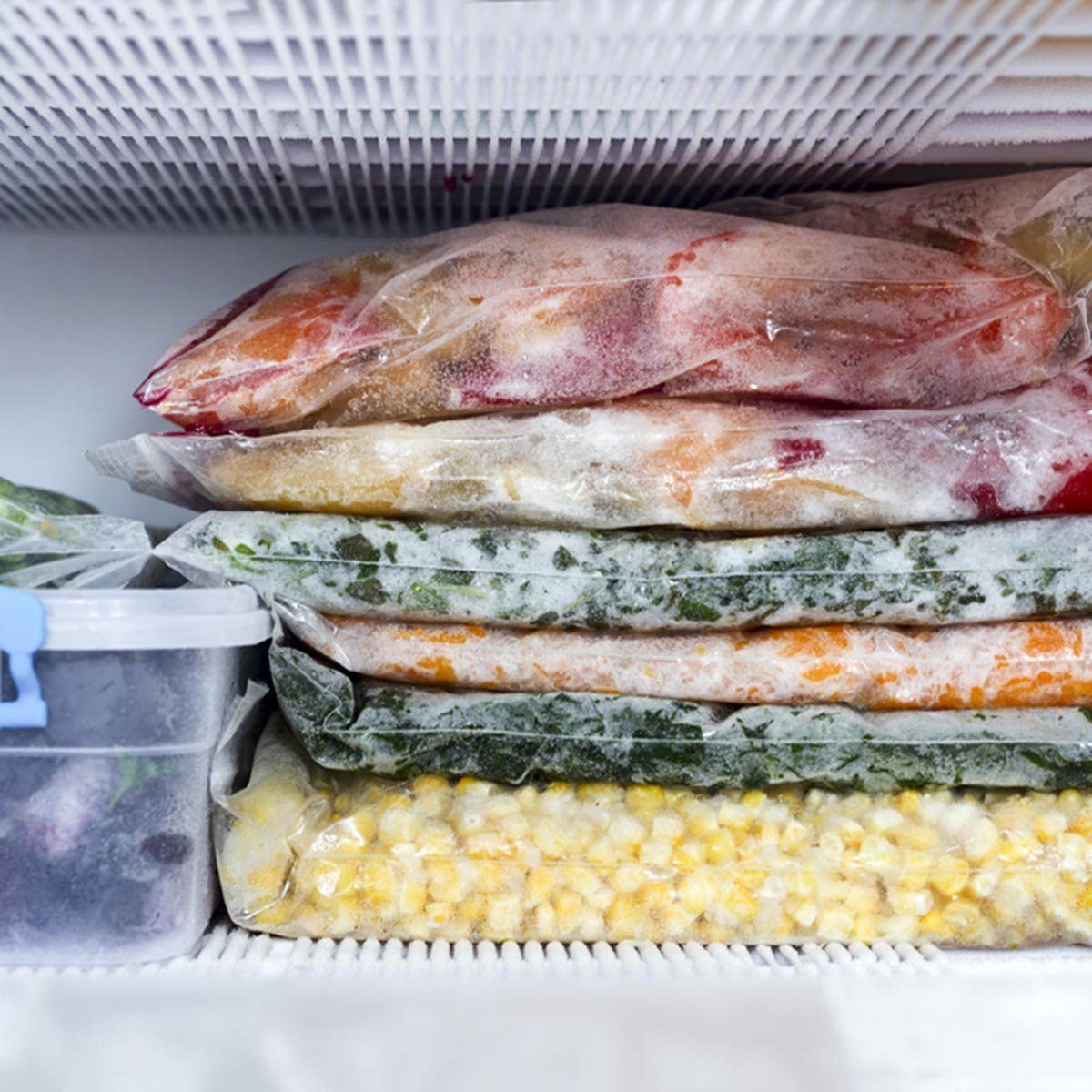
One of the smartest freezer storage tricks is also one of the simplest: freeze soups, sauces, marinades, cooked grains, shredded meat, and leftovers flat in freezer-safe bags. Once frozen solid, stand them upright like files in a cabinet. This turns floppy food into neat, space-saving “books” you can flip through.
Flat freezing works especially well for chili, pasta sauce, broth, smoothie packs, pulled pork, taco meat, cooked beans, and rice. The flatter the package, the faster it freezes and thaws. Faster freezing helps preserve texture, while faster thawing makes dinner less dramatic. Nobody wants to wrestle a two-pound frozen sauce boulder at 6:12 p.m.
How to freeze flat without making a mess
- Cool cooked food before packing it for the freezer.
- Use freezer-safe bags, not thin sandwich bags.
- Press out extra air before sealing.
- Lay the bag flat on a baking sheet until frozen.
- Move the frozen bag into a labeled bin or vertical file zone.
For liquids, leave a little room for expansion. For meat, portion it before freezing. Instead of freezing five pounds of chicken together in one icy brick, divide it into meal-size portions. Future you will be wildly grateful. Future you may even say nice things about present you.
4. Label Everything Like You Have a Terrible Memory
Labels are the seat belts of freezer organization: not glamorous, but very useful when things get chaotic. Every freezer label should include the food name, date frozen, and amount or serving size. That is it. You do not need a poetic description. “Turkey chili, 2 cups, Jan. 12” beats “soup maybe?” every single time.
Use freezer tape, painter’s tape, waterproof labels, or a permanent marker on freezer-safe bags. Keep the marker near the freezer, not in a drawer across the kitchen where it will mysteriously migrate to a school project, a junk drawer, or the garage. The easier labeling is, the more likely you will actually do it.
Label details that make life easier
- Food name: Be specific. “Chicken” is less helpful than “garlic chicken thighs.”
- Date frozen: Helps with rotation and quality control.
- Quantity: Write “1 lb,” “2 cups,” or “serves 4” so meal planning is faster.
- Cooking notes: Add “thaw overnight,” “slow cooker,” or “bake from frozen” when useful.
If you remove food from its original box to save space, cut out the cooking directions and tape them to the bag or slide them into the bin. This prevents the classic frozen-food tragedy: holding a naked burrito package and wondering whether it needs 12 minutes, 40 minutes, or a séance.
5. Create an “Eat First” Bin and Use FIFO
FIFO stands for “first in, first out.” It is a professional kitchen and grocery storage principle that works beautifully at home. The idea is simple: older food gets used before newer food. This prevents waste and keeps your freezer from becoming a retirement home for pork chops.
The easiest way to use FIFO is to create an “Eat First” bin or shelf. Place older leftovers, opened vegetables, partial bags, and soon-to-be-used proteins there. When planning meals, shop that bin before buying more groceries. This one habit can save real money because it turns forgotten food into actual dinners.
How to maintain the system
When you add new groceries, place them behind or below older items in the same category. If you buy ground beef in May and still have ground beef from March, the March package should be easier to grab. This is not just tidy; it is strategic. Your freezer should quietly guide you toward using what you already own.
A freezer inventory makes FIFO even stronger. Use a dry-erase board on the freezer door, a notes app, a spreadsheet, or a printable checklist. Keep it simple: category, item, quantity, and date. Cross off items as you use them. If the inventory system takes more effort than cooking dinner, it will not last. A messy but updated list beats a beautiful abandoned one.
6. Stop Overstuffing: Airflow Is Part of Organization
A freezer packed like a suitcase before a three-week vacation is not organized; it is under pressure. Cold air needs room to circulate. Overstuffing makes it harder to see items, harder to maintain consistent temperature, and easier for packages to block vents. It also increases the chance that something will tumble out and attack your foot. Frozen peas are small, but they have ambition.
Leave a little breathing room around vents and between bins. Use stackable containers, but do not build unstable towers. For chest freezers, avoid filling every inch so tightly that you cannot access lower layers. For drawer freezers, avoid cramming bags into the back where they can jam the drawer or tear open.
Choose containers that match your habits
Clear bins are excellent because they make categories visible. Wire baskets can help in chest freezers because they are sturdy and allow airflow. Reusable silicone bags are good for leftovers and smoothie packs. Vacuum-sealed bags are useful for long-term storage because they reduce air exposure and help prevent freezer burn. The best container is the one you will actually use, clean, and put back.
Do not over-organize. A freezer with 14 tiny categories may look impressive for one afternoon, but if your real life includes school lunches, late work nights, sports practice, or hungry people asking what is for dinner while standing directly in front of food, keep the system simple. Four to eight zones are usually enough for most households.
Bonus Freezer Organization Ideas That Make a Big Difference
Once the main system is in place, small habits keep everything running smoothly. Schedule a five-minute freezer check before grocery shopping. Look at your “Eat First” bin, update your inventory, and plan one meal around what you already have. This prevents duplicate buying, such as purchasing frozen corn when you already own enough corn to host a very specific festival.
Group meal components together when it makes sense. For example, keep frozen pizza dough, shredded mozzarella, and sauce near each other. Store smoothie fruit with spinach cubes or protein add-ins. Keep taco meat near tortillas. These mini meal zones reduce decision fatigue, which is extremely helpful on nights when your brain has the texture of mashed potatoes.
Also, think vertically. Frozen waffles, pizza boxes, flat bags, and meal packs often fit better standing upright. Use magazine-style file bins or slim containers to prevent them from sliding around. For small items like ginger, tomato paste cubes, herbs, or butter sticks, use a small labeled container so they do not disappear into the frosty wilderness.
How Freezer Organization Helps Save Money
A well-organized freezer is not just satisfying; it is practical. When you can see what you have, you buy less by accident. When food is labeled and rotated, you waste less. When meals are portioned properly, you thaw only what you need. Those little improvements add up, especially if you buy in bulk, meal prep, garden, or freeze leftovers.
Freezer organization also makes cooking easier. A labeled bag of cooked rice, a container of soup, or a portioned pack of chicken can become dinner faster than takeout can arrive. Your freezer becomes a meal planning tool instead of a cold storage closet for good intentions.
Real-Life Experience: What Actually Works After the Freezer Looks Pretty
The first thing people learn after organizing a freezer is that the “after” photo is not the finish line. The real test comes two weeks later, when someone comes home tired, shoves a half-used bag of fries into the wrong place, and closes the door with the confidence of a person fleeing responsibility. A system only works if it survives normal life.
In practice, the most useful freezer trick is the “front-row dinner” method. Keep the easiest meals at the front: cooked chili, marinated chicken, frozen dumplings, breakfast sandwiches, soup, or anything that can rescue a busy night. Deep storage items, like bulk meat or extra bread, can live farther back. This setup matches how people actually cook. You are more likely to use what you can see first.
Another experience-based lesson: do not create categories that are too fancy. A bin labeled “Italian-inspired weekday proteins” sounds charming until someone asks where to put meatballs. Simple labels win. Try “Meat,” “Vegetables,” “Fruit,” “Meals,” “Bread,” and “Eat First.” If your household includes multiple people, categories should be obvious to everyone, including the person who believes “putting things away” means placing them anywhere cold.
The “Eat First” bin is surprisingly powerful because it turns freezer organization into a habit. Once a week, choose one or two items from that bin and build meals around them. Old frozen spinach can go into eggs or soup. Leftover shredded chicken can become tacos. A lonely cup of tomato sauce can join pasta instead of waiting for retirement. This keeps the freezer moving, and movement is what prevents clutter.
Flat freezing is another habit that feels small but changes everything. Bags of soup, sauce, and cooked meat stack neatly, thaw faster, and make the freezer look instantly calmer. The only catch is remembering to freeze them flat first. The easiest fix is to keep a small baking sheet available for freezer duty. Once the food is solid, move it upright into a bin. It is like giving your leftovers a filing cabinet, which is oddly satisfying.
Finally, labels are only useful when they are easy. Keep tape and a marker in a nearby drawer or attached to the freezer with a magnetic clip. Write the label before the food goes in, not later. “Later” is where organization goes to nap forever. Even a messy handwritten label is better than a beautiful mystery container. When you know what something is, when it was frozen, and how much is inside, you are far more likely to use it.
The best freezer organization system is not perfect. It is repeatable. It helps you find dinner, reduce waste, and stop buying the same frozen vegetables every week because the first three bags were hiding behind ice cream. Keep it simple, keep it labeled, and let your freezer become what it was always meant to be: a helpful kitchen tool, not a frosty haunted house.
Conclusion
Keeping your freezer organized is less about perfection and more about building a system that works on a busy Tuesday night. Start with a reset, divide the freezer into practical zones, freeze food flat, label everything, rotate older items forward, and avoid overstuffing. These six genius tricks can help you save space, protect food quality, reduce waste, and make meal planning much easier.
Once your freezer has a simple structure, every grocery trip and dinner decision becomes smoother. You will know what you have, where it lives, and what needs to be eaten first. That is the real magic of freezer organization: not just a prettier freezer, but a calmer kitchen.
Note: This article is based on real food-safety, freezer-storage, appliance, and home-organization guidance from reputable U.S. sources. Source links are not inserted in the article per the publishing request.