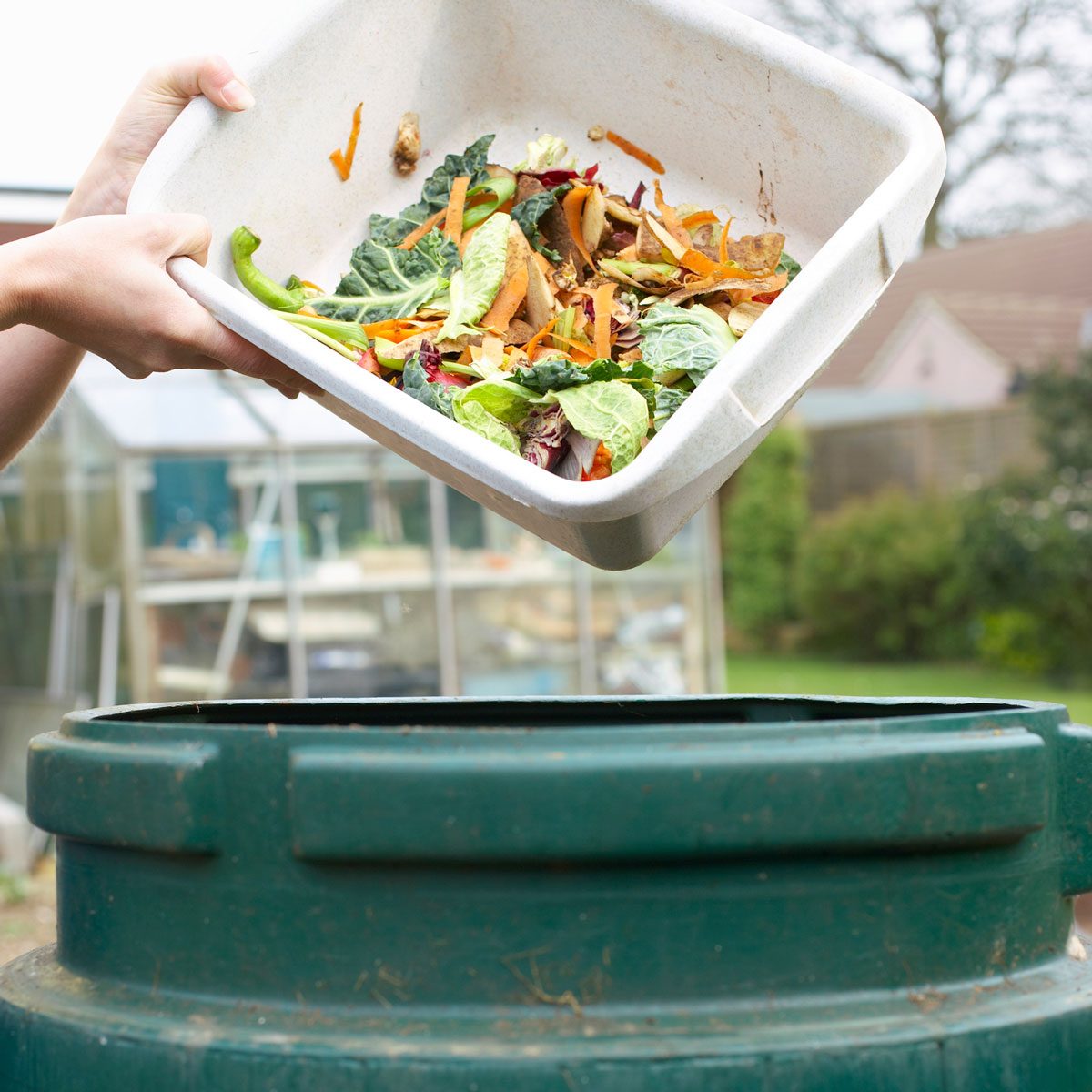
Composting sounds like one of those wholesome hobbies that requires a straw hat, a perfect garden, and suspiciously cheerful mornings. Good news: it does not. With the right compost bin, you can turn banana peels, coffee grounds, dry leaves, and garden clippings into rich soil food without turning your backyard into a science experiment gone rogue.
The best compost bins make home composting easier, cleaner, and more realistic for everyday people. Some are built for busy kitchens, some are made for patios, some are ready for serious backyard composting, and a few are for gardeners who look at food scraps and think, “Yes, this could become tomato magic.”
This guide breaks down the 7 best compost bins for different homes, spaces, and composting styles. Whether you live in an apartment, manage a family kitchen, or have a yard full of leaves every fall, there is a compost bin here that can help you reduce food waste and build healthier soil.
Note: Product availability, prices, and model details may change over time. Always check current specifications before buying.
Quick Comparison: The 7 Best Compost Bins
| Compost Bin | Best For | Type | Key Strength |
|---|---|---|---|
| FCMP Outdoor IM4000 | Most households with outdoor space | Dual-chamber tumbler | Easy turning and continuous composting |
| GEOBIN Composter | Large yards and budget buyers | Expandable static bin | Huge capacity for the price |
| Envirocycle Composter | Patios, decks, and small gardens | Compact tumbler | Attractive design and easy rotation |
| Worm Factory 360 | Indoor or year-round composting | Vermicomposting bin | Uses worms to process kitchen scraps |
| OXO Good Grips Easy-Clean Compost Bin | Kitchen scrap collection | Countertop bin | Simple, clean, and beginner-friendly |
| EPICA Stainless Steel Compost Bin | Odor control on the counter | Countertop bin | Durable stainless steel and charcoal filter |
| Jora JK270 Composter | Serious composters and larger households | Insulated dual-chamber tumbler | Premium hot composting performance |
What Makes a Compost Bin “The Best”?
The best compost bin is not always the biggest, fanciest, or most expensive. It is the one you will actually use. A giant backyard composter is wonderful if you have a yard and plenty of leaves. It is less wonderful if you live on the sixth floor and your only outdoor space is a balcony where a basil plant once tragically retired.
Good compost bins should match your lifestyle, space, food waste habits, and patience level. Tumblers are popular because they make mixing easier. Static bins work well for yard waste and larger piles. Countertop compost bins collect food scraps before you take them outside or to a municipal compost program. Worm bins are excellent for people who want indoor composting without needing a backyard.
Important Features to Consider
Look for the right capacity, sturdy materials, ventilation, odor control, pest resistance, and ease of cleaning. For outdoor composting, airflow and moisture balance matter. For kitchen compost bins, odor control and easy washing are the big heroes. For tumblers, the handle design and loading doors can make the difference between “I love composting” and “why is this barrel fighting me?”
1. FCMP Outdoor IM4000: Best Overall Outdoor Compost Bin
The FCMP Outdoor IM4000 is one of the best compost bins for beginners who want an outdoor setup that feels manageable. It is a dual-chamber tumbling composter, which means one side can process older material while the other side accepts fresh scraps. This is useful because composting is not instant, despite what impatient gardeners and every tomato plant in July may wish.
Its tumbling design removes much of the heavy turning required by traditional piles. Instead of digging into a heap with a pitchfork, you rotate the bin every few days to add oxygen and mix the contents. That makes it a strong pick for households that cook often and want a steady flow of compost for garden beds, raised planters, or container gardening.
Why It Stands Out
The IM4000 usually offers enough capacity for an average household without taking over the yard. The recycled plastic body and galvanized steel frame are practical for outdoor use, and the dual-chamber design supports continuous composting. It is especially helpful for people who want to compost fruit scraps, vegetable peels, coffee grounds, crushed eggshells, dry leaves, and small amounts of untreated yard waste.
Best For
Choose the FCMP Outdoor IM4000 if you want a user-friendly outdoor compost tumbler that does not require much lifting, digging, or old-fashioned compost wrestling.
2. GEOBIN Composter: Best Budget Compost Bin for Large Yards
The GEOBIN Composter is beautifully simple. It is basically an expandable, ventilated cylinder that gives you a lot of composting space without a premium price tag. If your yard produces leaves, grass clippings, plant trimmings, and other seasonal organic material, this bin can handle volume like a champion.
Unlike tumblers, the GEOBIN is a static compost bin. You place it on soil, fill it with a mix of greens and browns, and let nature do the work. You can turn the pile occasionally with a garden fork to speed things up, but the design itself provides airflow and keeps the compost contained.
Why It Stands Out
Capacity is the headline here. The GEOBIN can expand to hold a large amount of organic material, making it ideal for gardeners who collect fall leaves or maintain several garden beds. It is lightweight, easy to move, and simple to set up. It also does not pretend to be glamorous, which is oddly refreshing. It knows its job: hold compostable material and let microbes party.
Best For
Pick the GEOBIN if you want an affordable backyard compost bin with big capacity and do not mind a more traditional composting process.
3. Envirocycle Composter: Best Compost Bin for Patios and Small Spaces
The Envirocycle Composter is a compact tumbler with a polished look, making it popular for patios, decks, townhomes, and smaller gardens. Not every compost bin needs to look like it escaped from a utility shed. This one is tidy enough to live near outdoor seating without causing guests to ask nervous questions.
Its rotating drum makes mixing easy, and the enclosed design helps reduce mess. Some versions also include a base that can collect liquid runoff, often called compost tea. While this liquid should be used carefully and diluted when appropriate, the feature is appealing to gardeners who like to make the most of every part of the composting process.
Why It Stands Out
The Envirocycle works well for people who want a compact outdoor compost tumbler that is easier on the eyes than many bulky bins. It is not the largest composter on this list, but that is exactly the point. For a small household, balcony gardener, or patio herb-grower, it offers a tidy way to recycle food scraps and some yard waste.
Best For
Choose the Envirocycle if you want a space-saving, attractive compost tumbler for light to moderate composting.
4. Worm Factory 360: Best Worm Compost Bin
The Worm Factory 360 is for people who are ready to hire a tiny workforce. Red wigglers are the employees. They do not ask for benefits, but they do require proper bedding, moisture, temperature, and food scraps that will not turn their home into a citrus-scented disaster zone.
Vermicomposting uses worms to break down organic material into worm castings, a nutrient-rich soil amendment loved by gardeners. The Worm Factory 360 uses stackable trays, allowing worms to migrate upward as food is added. Finished compost can be harvested from lower trays once the system is established.
Why It Stands Out
This bin is compact, expandable, and suitable for indoor or sheltered outdoor use. It is a strong option for apartment dwellers, cold-climate gardeners, and anyone who wants composting to continue year-round. Because worms are living creatures, this system needs more attention than a simple countertop bucket. You must avoid overfeeding, keep the bedding damp but not soggy, and skip problem foods like meat, dairy, greasy leftovers, and too much citrus.
Best For
Choose the Worm Factory 360 if you want a productive indoor composting system and you are comfortable caring for worms. Think of it as a low-drama pet that pays rent in soil.
5. OXO Good Grips Easy-Clean Compost Bin: Best Countertop Compost Bin for Daily Use
The OXO Good Grips Easy-Clean Compost Bin is not a full composting system. It is a countertop collector, which means it stores food scraps until you move them to an outdoor bin, worm bin, community compost drop-off, or municipal green waste program. For many households, this is the missing link between “I should compost” and “I actually compost.”
It has a smooth interior, a stay-open lid, and a design that helps keep liner bags tucked away neatly. The size is practical for busy kitchens, especially if you cook with vegetables, fruit, eggs, coffee, or tea. Instead of walking outside every time you peel a carrot, you can collect scraps right where the cooking happens.
Why It Stands Out
The OXO bin wins on convenience. It is easy to clean, easy to carry, and friendly for beginners. The lid helps contain odors while allowing some airflow, which can reduce the swampy situation that happens when scraps are sealed too tightly for too long. Empty it regularly, rinse it often, and it becomes one of those small kitchen tools that quietly changes your habits.
Best For
Pick the OXO Good Grips Easy-Clean Compost Bin if you want a reliable kitchen scrap container that makes composting feel less like a chore.
6. EPICA Stainless Steel Compost Bin: Best Odor-Control Countertop Bin
The EPICA Stainless Steel Compost Bin is a classic countertop choice for anyone who wants kitchen composting to look sleek rather than suspicious. Its stainless steel body is durable, easy to wipe down, and less likely to absorb odors than some plastics. The replaceable charcoal filter in the lid helps control smells, which is important because onion skins and melon rinds have strong opinions.
Like the OXO, this is a collection bin rather than a complete composting unit. Use it to hold scraps before transferring them to an outdoor composter or compost pickup service. It is especially useful for people who want a bin that can sit on the counter without visually shouting, “Hello, I contain old broccoli stems.”
Why It Stands Out
Odor control and durability are the main advantages. The stainless steel construction resists staining and cracking, while the charcoal filter helps keep kitchen smells under control. It is a good match for smaller households or people who empty scraps every few days.
Best For
Choose the EPICA Stainless Steel Compost Bin if you want a sturdy, attractive countertop compost pail with strong odor management.
7. Jora JK270 Composter: Best Premium Compost Bin
The Jora JK270 is the serious athlete of compost bins. It is an insulated, dual-chamber tumbler built for people who compost frequently and want faster, hotter decomposition. The galvanized steel construction, elevated design, and enclosed chambers make it more substantial than many plastic tumblers.
This composter is larger and more expensive than most beginner bins, but it offers excellent performance for households with steady food scraps and garden waste. The insulation helps retain heat, which can support more active composting in cooler weather. The dual chambers allow one batch to mature while another begins, keeping the compost cycle moving.
Why It Stands Out
The Jora JK270 is built for durability, pest resistance, and more efficient composting. It is a strong choice for larger households, serious gardeners, or anyone tired of flimsy bins that wobble like a shopping cart with one bad wheel. It does require assembly and a bigger investment, so it is not the best first bin for someone still deciding whether composting is their thing.
Best For
Choose the Jora JK270 if you want a premium outdoor compost tumbler with higher capacity, insulation, and long-term durability.
How to Choose the Best Compost Bin for Your Home
For Apartments and Small Kitchens
Start with a countertop compost bin like the OXO or EPICA. If your city has food scrap collection, that may be all you need. If not, consider a worm bin such as the Worm Factory 360. A countertop bin alone does not create finished compost, but it makes scrap collection easy and tidy.
For Backyards and Gardens
Choose a tumbler if you want easier mixing and a neater appearance. Choose a static bin like the GEOBIN if you need large capacity and have plenty of yard waste. Tumblers usually work best when not overloaded, while static bins are better for leaves, plant trimmings, and bigger seasonal cleanups.
For Families That Cook Often
A dual setup works beautifully: keep a countertop bin in the kitchen and an outdoor tumbler or static bin outside. The kitchen bin collects daily scraps, while the outdoor composter does the real decomposition. This combination is practical, efficient, and much less annoying than carrying one apple core to the backyard like it is a sacred offering.
What Can You Put in a Compost Bin?
Successful composting depends on balancing nitrogen-rich “greens” and carbon-rich “browns.” Greens include fruit scraps, vegetable peels, coffee grounds, tea bags without staples, fresh grass clippings, and crushed eggshells. Browns include dry leaves, shredded cardboard without tape or wax coating, paper bags, small twigs, straw, and untreated wood chips.
Aim for a good mix. Too many greens can create odors and wet, slimy compost. Too many browns can slow decomposition. The pile should feel like a wrung-out sponge: moist, but not dripping. Add air by turning or mixing the materials regularly.
What Not to Compost at Home
Most home composters should avoid meat, bones, dairy, grease, oils, pet waste, diseased plants, invasive weeds, pesticide-treated materials, and glossy paper. These items can attract pests, introduce pathogens, create bad odors, or contaminate finished compost. When in doubt, leave it out. Composting is not a dare.
of Real-World Experience: What Using Compost Bins Actually Feels Like
The first thing many people learn about composting is that the bin matters, but habits matter more. A great compost bin will not magically fix a kitchen routine if food scraps are still tossed into the trash out of convenience. That is why the best setup often starts indoors. A small countertop compost bin near the cutting board makes a surprising difference. When onion skins, carrot peels, coffee grounds, and apple cores have an obvious place to go, composting becomes automatic.
In daily use, countertop bins are most successful when emptied before they become dramatic. Waiting a full week during hot weather can produce smells, fruit flies, and regret. Emptying every two to four days keeps things civilized. A quick rinse after each emptying also helps. If the bin has a charcoal filter, replace it as recommended. Filters are helpful, but they are not magical force fields against forgotten cantaloupe.
Outdoor tumblers are convenient, but they still need balance. Many beginners fill them mostly with kitchen scraps and then wonder why the contents become wet and clumpy. The fix is simple: keep a bag of shredded leaves, dry paper, or torn cardboard nearby. Every time you add wet food scraps, add a handful or two of browns. This one habit prevents many composting problems.
Tumblers also work better when they are not packed too full. Compost needs oxygen. If the drum is stuffed tightly, turning becomes harder and decomposition slows down. A half-full or two-thirds-full tumbler often mixes better than one crammed to the lid. Think of it like a washing machine: clothes need room to tumble, and compost does too.
Static bins such as expandable yard composters are more forgiving with volume. They are excellent during fall cleanup when leaves appear in numbers that feel personally targeted. The challenge is keeping the pile active. Dry leaves alone can sit for ages. Mixing in greens, moistening the pile, and turning occasionally helps. A static bin rewards patience more than speed.
Worm bins are different. They are quiet, fascinating, and slightly humbling. Feed worms slowly at first. Too much food can sour before the worms process it. Bedding should stay damp, and the bin should be protected from extreme temperatures. When managed well, vermicomposting produces beautiful castings that houseplants and garden beds love. When neglected, it becomes a tiny ecosystem filing a complaint.
The biggest lesson from using compost bins is this: composting does not need perfection. It needs consistency. Add the right materials, balance wet scraps with dry browns, provide air, manage moisture, and give the process time. Some batches finish quickly; others move at the speed of a sleepy turtle. Either way, you are keeping organic waste out of the trash and turning it into something useful. That is a pretty satisfying trade.
Final Verdict: Which Compost Bin Should You Buy?
If you want the best all-around outdoor compost bin, the FCMP Outdoor IM4000 is a practical place to start. It is manageable, beginner-friendly, and efficient for regular household composting. If you need the most capacity for the money, the GEOBIN is hard to beat. If you want something compact and patio-friendly, the Envirocycle is a polished choice.
For indoor composting, the Worm Factory 360 is the most complete system, while the OXO and EPICA bins are excellent for collecting kitchen scraps. If you are ready to invest in a serious premium composter, the Jora JK270 delivers strong performance and durability.
The best compost bin is the one that fits your space, your waste habits, and your tolerance for maintenance. Start with the system that feels easiest to use. Your future garden soil will thank you, your trash can will be less smelly, and your coffee grounds will finally have a purpose beyond making Monday possible.