Note: This article is written as original, web-ready content inspired by real gardening principles, including native planting, pollinator support, water-wise landscaping, container gardening, rain gardens, shade design, and sensory garden planning.
Summer has a way of making every yard feel like it needs a personality. In spring, we forgive bare patches and mystery weeds because everything is “just waking up.” By July, however, the garden has no excuses. It is either charming, chaotic, or quietly plotting against you behind the tomato cages.
That is where themed gardens come in. A themed garden gives your outdoor space a clear idea, a mood, and a reason for every plant, path, pot, and decorative stone. Instead of buying whatever looks cute at the garden centerno judgment, we have all been emotionally manipulated by a $6 salviayou design with purpose. The result feels more polished, easier to maintain, and much more personal.
Whether you have a suburban backyard, a balcony, a narrow side yard, or a sunny patch beside the driveway, these eight themed garden ideas can help you create a summer landscape that looks intentional without requiring a full-time grounds crew and a dramatic straw hat. From pollinator havens to moonlit retreats, here are eight themed gardens to inspire you this summer.
1. The Pollinator Paradise Garden
A pollinator garden is one of the most useful themed gardens you can create. It is beautiful, active, and beneficial to bees, butterflies, hummingbirds, moths, and other helpful visitors. The goal is simple: provide nectar, pollen, shelter, and host plants throughout the growing season.
What to Plant
Choose a mix of native flowers, herbs, shrubs, and grasses that bloom at different times. In many regions, excellent choices include coneflower, bee balm, milkweed, black-eyed Susan, goldenrod, aster, salvia, phlox, and native grasses. For butterflies, remember that nectar plants feed adults, while host plants feed caterpillars. Milkweed for monarchs is the famous example, but many butterflies depend on specific native plants.
Layer plants by height: taller flowers in the back, medium bloomers in the middle, and low-growing edging plants in front. Grouping the same plant in clusters makes it easier for pollinators to find food and gives the garden a cleaner visual rhythm.
Design Tip
Avoid making the garden too tidy. Leave a few seed heads, hollow stems, and leaf litter in low-traffic areas. Wildlife does not always appreciate our obsession with perfectly groomed mulch. To a bee, a slightly messy garden can look like a five-star hotel.
2. The Cottage Garden
The cottage garden is the romantic comedy of garden styles: a little wild, very charming, and always pretending it did not spend hours getting ready. It is known for overflowing flowers, winding paths, soft colors, and a cozy, lived-in feeling.
What to Plant
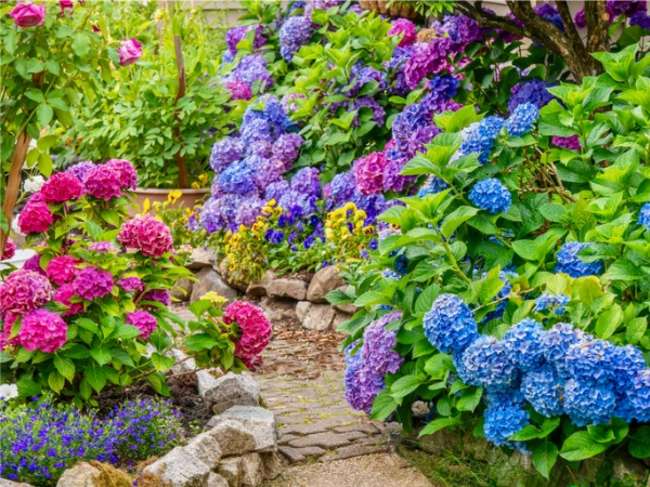
Classic cottage garden plants include roses, lavender, foxglove, delphinium, daisies, hollyhocks, catmint, yarrow, peonies, hydrangeas, sweet peas, and herbs such as thyme and sage. For an American summer garden, mix perennials with easy annuals like cosmos, zinnias, cleome, and snapdragons for reliable color.
The key is abundance, not randomness. Repeat colors and plant forms so the garden feels lush rather than confused. A soft palette of pink, purple, white, blue, and buttery yellow works beautifully, but bold colors can also shine if you repeat them in several spots.
Design Tip
Add a simple focal point: a weathered bench, birdbath, arbor, trellis, or vintage-style container. Cottage gardens love structure because the plants themselves are often delightfully unruly. Think of the hardscape as the responsible friend who holds everyone’s keys.
3. The Edible Kitchen Garden
An edible kitchen garden turns your outdoor space into a practical, fragrant, snack-friendly summer retreat. It does not have to be a full vegetable farm. Even a few containers of herbs, tomatoes, peppers, and greens can make dinner feel more intentionaland make you feel like the kind of person who casually says, “I’ll just grab basil from the garden.”
What to Plant
For sunny areas, try cherry tomatoes, peppers, basil, oregano, thyme, rosemary, parsley, chives, eggplant, cucumbers, and compact squash varieties. Many vegetables need six or more hours of direct sun to produce well, while some herbs can tolerate a little less. If you garden in containers, choose pots with drainage holes and use a high-quality potting mix rather than heavy garden soil.
Use the “thriller, filler, spiller” approach for edible containers. A dwarf tomato can be the thriller, basil or parsley can fill the middle, and trailing thyme or oregano can spill over the edge. It looks decorative, smells fantastic, and quietly upgrades your pasta.
Design Tip
Keep the kitchen garden close to the door if possible. The farther herbs are from the kitchen, the more likely you are to say, “Never mind,” and use dried oregano from 2019. Convenience matters.
4. The Moon Garden
A moon garden is designed to glow in the evening. It uses white flowers, silver foliage, pale stone, reflective accents, and night fragrance to create a garden that becomes more magical after sunset. This is a perfect theme for patios, porches, and seating areas used after work or dinner.
What to Plant
Look for white or pale blooms such as white petunias, moonflower vine, white phlox, Shasta daisy, white roses, white hydrangea, nicotiana, sweet alyssum, and evening primrose. Add silver foliage plants like lamb’s ear, dusty miller, artemisia, and silvery ornamental grasses.
Fragrance is important in a moon garden because scent becomes more noticeable in the evening. Jasmine, gardenia, lavender, nicotiana, and certain lilies can add perfume to warm summer nights, depending on your climate.
Design Tip
Use solar lights carefully. The goal is a soft glow, not a runway for tiny aircraft. Place low lights near paths, seating, or a water feature, and let pale flowers do the rest.
5. The Sensory Garden
A sensory garden is designed around sight, smell, sound, touch, and taste. It is a wonderful choice for families, small spaces, school gardens, wellness areas, and anyone who wants the garden to feel immersive rather than purely decorative.
What to Plant
For scent, choose lavender, lemon balm, mint, rosemary, basil, scented geranium, and roses. For touch, try lamb’s ear, ornamental grasses, mossy groundcovers, and soft herbs. For sound, include rustling grasses, bamboo-style features in appropriate climates, wind chimes, water bowls, or a small fountain. For taste, add strawberries, cherry tomatoes, edible flowers such as nasturtium, and familiar herbs.
Visual interest comes from contrast: large leaves beside fine foliage, bright flowers against deep green, upright grasses next to rounded shrubs, and blooms that appear at different times of the season.
Design Tip
Place sensory plants where people can reach them. A touchable plant at the back of a deep border is like a cookie jar on the top shelf: technically present, emotionally unavailable.
6. The Water-Wise Mediterranean Garden
A Mediterranean-inspired garden is ideal for hot, sunny summers and gardeners who want beauty without constant watering. This theme borrows from regions known for dry summers, aromatic herbs, gravel paths, terracotta pots, silvery foliage, and relaxed outdoor living.
What to Plant
Depending on your growing zone, consider lavender, rosemary, thyme, sage, oregano, santolina, yarrow, ornamental grasses, sedum, catmint, Russian sage, agave, yucca, and drought-tolerant native plants. The best water-wise gardens group plants by water needs, a method often called hydrozoning. Thirsty plants should not be mixed casually with drought-tolerant ones unless you enjoy disappointing one of them.
Use mulch, gravel, stone, and permeable paths to reduce evaporation and improve the finished look. Water-wise does not mean lifeless or beige. With the right plants, it can be full of texture, fragrance, bees, and summer color.
Design Tip
Start by converting one small area rather than renovating the entire yard at once. A sunny strip along a driveway or patio can become a test garden for lavender, thyme, and ornamental grasses before you commit to a larger design.
7. The Rain Garden
A rain garden is both attractive and practical. It is a shallow planted area that collects runoff from roofs, driveways, patios, or lawns and allows water to soak into the ground. Done well, it reduces puddling, slows stormwater, supports wildlife, and creates a lush planting area that looks intentional rather than soggy and suspicious.
What to Plant
Rain garden plants must tolerate changing moisture levels. The center of the garden may stay wetter after storms, while the edges may dry out faster. Native grasses, sedges, iris, swamp milkweed, cardinal flower, Joe-Pye weed, black-eyed Susan, bee balm, and certain ferns or shrubs can work well, depending on your region.
Use a mix of deep-rooted plants to hold soil, absorb water, and create habitat. Select plants with different bloom times, heights, and textures so the rain garden looks good even when it is not raining.
Design Tip
Do not place a rain garden where water already stands for days. A rain garden should drain, not become a mosquito-themed resort. Test drainage first, and keep it away from foundations unless the site has been properly evaluated.
8. The Shade Woodland Garden
Shade gardens are often treated like gardening punishment, but they can be some of the most elegant spaces in a yard. A woodland theme uses layered foliage, subtle flowers, natural paths, and calm textures to create a cool summer retreat.
What to Plant
Look for shade-tolerant plants such as hosta, fern, heuchera, astilbe, foamflower, wild ginger, Solomon’s seal, columbine, bleeding heart, woodland phlox, and native sedges. In dry shade, choose tough plants suited to root competition. In moist shade, ferns and astilbe may thrive.
Because shade gardens rely less on constant flowers, foliage becomes the star. Combine large leaves, fine textures, glossy surfaces, variegation, and different shades of green. Add a curved path or stepping stones to make the garden feel like a destination.
Design Tip
Layer plants the way a natural woodland does: trees above, shrubs below, perennials beneath, and groundcovers at the base. This creates depth and makes even a small shady corner feel established.
How to Choose the Right Themed Garden for Your Space
The best themed garden is not the trendiest one. It is the one that matches your climate, sunlight, soil, schedule, and actual personality. Before choosing a theme, spend a few days observing your yard. Where does the sun hit in the morning? Which areas bake in the afternoon? Where does water collect after a storm? Which door do you use most often? Which view do you see from the kitchen window?
If your yard is sunny and dry, a Mediterranean or pollinator garden may be a natural fit. If water runs off the driveway after summer storms, a rain garden could solve a problem beautifully. If your outdoor space is mostly shade, lean into woodland style instead of fighting it with sun-loving plants that will sulk until September.
Also consider maintenance. Cottage gardens are gorgeous but need deadheading, dividing, and occasional editing. Edible gardens need harvesting and watering. Water-wise gardens often need more attention during the first season but less once established. A garden theme should inspire you, not become another unpaid internship.
Simple Design Rules That Work for Any Garden Theme
Repeat Key Plants
Repetition makes a garden feel designed. Use the same plant or color in several places to guide the eye. Three groups of lavender will look more intentional than one lonely lavender wondering what happened.
Mix Heights and Textures
A strong garden has layers. Combine tall vertical plants, rounded shrubs, soft groundcovers, and airy grasses. Texture keeps the garden interesting even when flowers are between bloom cycles.
Plan for the Whole Season
Summer gardens should not peak for one glorious week and then retire dramatically. Choose plants with staggered bloom times, attractive foliage, seed heads, or fall color.
Make Room for People
A themed garden is more enjoyable when you can enter it, sit near it, or at least walk beside it without wrestling a rose bush. Include paths, stepping stones, a bench, a chair, or a small table.
Use Containers as Mini Themes
If you are not ready to redesign the yard, create a themed container. A pollinator pot, herb bowl, moon garden planter, or sensory container can deliver the mood without requiring a shovel and a weekend of questionable decisions.
Extra Experience: What Themed Gardens Teach You After One Summer
The first thing a themed garden teaches you is that plants are not decorations. They are living things with opinions. Some are polite and adaptable. Others behave like tiny celebrities with very specific lighting requirements. After one summer of themed gardening, you begin to notice which plants truly belong in your space and which ones were just pretty faces at the nursery.
A pollinator garden, for example, quickly turns into a daily nature show. At first, you may plant coneflowers and bee balm because they look cheerful. Then one afternoon you see a butterfly land, a bee work methodically from flower to flower, or a hummingbird check the blooms like a tiny inspector with wings. Suddenly the garden feels less like a project and more like a neighborhood café for wildlife. The experience changes how you deadhead, prune, and clean up. You start leaving seed heads a little longer and feeling proud of stems that once looked “messy.”
An edible garden teaches patience and humility. Tomatoes ripen when they feel like it, basil bolts when you blink, and zucchini can go from cute to canoe-sized in approximately one business day. Still, there is something deeply satisfying about cooking with food you grew yourself. Even a handful of herbs can make a weeknight meal feel fresher. The experience also teaches practical design: keep water nearby, place herbs close to the kitchen, and never underestimate how much space a healthy tomato plant wants.
A moon garden teaches you to think beyond daytime beauty. Many gardeners design for noon, when colors are bright and flowers are obvious. But a garden used in the evening needs pale blooms, fragrance, soft lighting, and comfortable seating. After living with a moon garden for a summer, you may realize that the best garden moment is not always the big daytime bloom. Sometimes it is the quiet glow of white flowers after dinner, when the air cools and the yard finally stops demanding chores.
A rain garden teaches respect for water. Before building one, runoff may seem like a nuisance: puddles, erosion, muddy corners, and water rushing down the driveway. After creating a planted basin, you begin to see stormwater as a resource. The garden fills, drains, and changes through the season. It becomes a reminder that good landscaping can be beautiful and functional at the same time.
A shade garden teaches subtlety. In sunny borders, flowers often do the loud talking. In shade, the conversation is quieter: leaf shape, texture, contrast, movement, and coolness. You begin to appreciate the difference between blue-green hosta leaves, delicate fern fronds, and the soft sparkle of small woodland flowers. Shade gardening rewards observation, not impatience.
Most of all, themed gardens teach that a yard does not need to be perfect to be meaningful. A garden can have weeds, gaps, failed experiments, and one plant that clearly misunderstood the assignment. The theme simply gives you a direction. It helps you decide what to plant, what to remove, what to repeat, and what kind of feeling you want the space to create.
By the end of summer, the best themed garden is not necessarily the one that looks like a magazine photo. It is the one you visit often. The one that makes you step outside with coffee, pause on the path, pick a sprig of basil, notice a butterfly, or sit quietly for five minutes longer than planned. That is the real success of a summer garden: not perfection, but connection.
Conclusion
Themed gardens are a smart way to bring focus, beauty, and personality to your summer landscape. Instead of filling beds with random plants and hoping for the best, you can design around a clear idea: pollinators, cottage charm, edible harvests, moonlight, sensory experiences, water-wise style, stormwater management, or woodland shade.
Start small, choose plants suited to your conditions, and repeat key colors or textures for a polished look. Whether you have a large backyard or a few containers on a patio, a themed garden can make summer feel more intentional, more beautiful, and a lot more fun. And if one plant fails? Congratulationsyou are officially gardening. Replace it, learn from it, and pretend it was part of the design process all along.