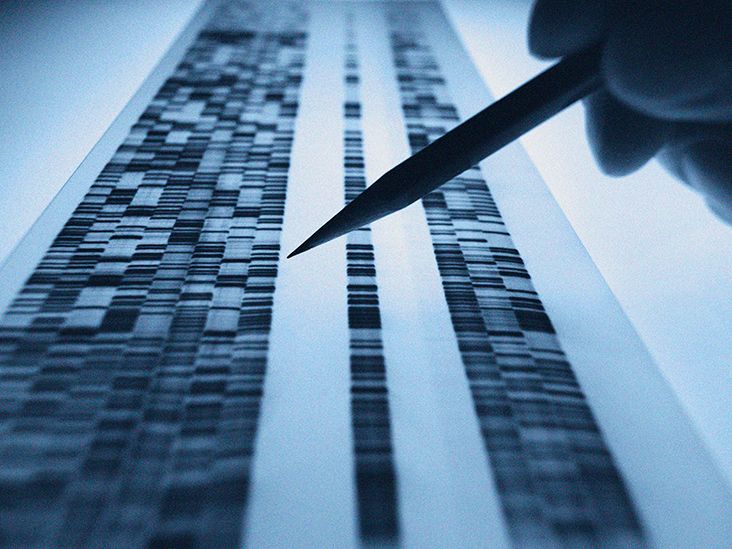
Sapo: Genetic disorders may sound like something from a science-fiction lab where everyone wears goggles and says “remarkable” too often, but they are very real health conditions rooted in our DNA. Some are inherited from parents, some appear for the first time in a child, and some develop because of changes in chromosomes or multiple genes interacting with the environment. This guide explains what genetic disorders are, how they develop, and the most common examples in clear, human-friendly language.
What Are Genetic Disorders?
A genetic disorder is a health condition caused by a change, missing piece, extra piece, or unusual arrangement in a person’s genetic material. In plain English, something in the body’s instruction manual has a typo, a duplicated page, a missing paragraph, or a chapter placed in the wrong spot. Because genes help tell the body how to grow, repair, produce proteins, and function, even a small change can sometimes have a big effect.
That does not mean every genetic change is harmful. Humans are walking libraries of genetic variation. Some differences help explain why one person has curly hair, another has dimples, and another can smell asparagus in a room from three zip codes away. A genetic disorder happens when a variant affects health, development, or body function in a meaningful way.
Genetic disorders can affect almost any part of the body, including the blood, bones, muscles, brain, heart, lungs, immune system, metabolism, and nervous system. Some appear at birth, while others may not become obvious until childhood, adulthood, or even later in life. This is one reason genetics feels both fascinating and slightly rude: it does not always announce itself on schedule.
Genes, DNA, and Chromosomes: The Basic Building Blocks
To understand genetic disorders, it helps to know the cast of characters. DNA is the chemical code that carries biological instructions. Genes are specific segments of DNA that help guide the production of proteins or regulate other biological processes. Chromosomes are organized packages of DNA found inside cells.
Most human cells contain 46 chromosomes, arranged in 23 pairs. One set comes from the biological mother and one set comes from the biological father. Twenty-two pairs are autosomes, and one pair determines biological sex, usually XX or XY. The body reads genes like instructions, but unlike a cookbook, it cannot simply skip a bad recipe when the ingredients are already inside the cell.
Proteins made from genetic instructions do much of the body’s daily work. They build tissues, carry oxygen, digest nutrients, send signals, fight infections, and keep cells running. When a gene variant changes how a protein is made or how much of it is produced, the result can range from harmless to life-changing.
How Do Genetic Disorders Develop?
Genetic disorders develop when changes in DNA or chromosomes interfere with normal growth, development, or body function. These changes can be inherited from parents, happen spontaneously during the formation of eggs or sperm, occur shortly after conception, or appear later in certain body cells.
Inherited Genetic Changes
Some genetic disorders are passed from parent to child. This does not always mean a parent has the condition. In autosomal recessive disorders, for example, both parents may be healthy carriers. Each carries one changed copy of a gene, but because the other copy works well enough, they may have no symptoms. If a child inherits two changed copies, the disorder can appear.
Examples of autosomal recessive disorders include cystic fibrosis, sickle cell disease, Tay-Sachs disease, and phenylketonuria. These conditions are not caused by anything a parent did during pregnancy. They are inherited through gene patterns, not through bad luck with breakfast cereal.
New, or De Novo, Variants
Some genetic disorders happen because of a new change in DNA that was not present in either parent’s blood cells. These are called de novo variants. They may occur during the formation of reproductive cells or very early after fertilization. A child can be the first person in a family to have a genetic condition, which can be confusing and emotionally difficult for families who expected their family history to act like a reliable weather forecast.
Chromosome Changes
Other disorders occur when a person has an extra chromosome, a missing chromosome, or a structural chromosome change. Chromosomes may have deleted, duplicated, inverted, or rearranged segments. Because chromosomes carry many genes, these changes can affect growth, development, fertility, organ function, and learning.
Down syndrome is one of the best-known chromosomal disorders. It usually occurs when a person has an extra copy of chromosome 21. Turner syndrome involves a missing or partially missing X chromosome in females, while Klinefelter syndrome usually involves an extra X chromosome in males.
Multifactorial Genetic Disorders
Not every condition follows a simple inheritance pattern. Some disorders develop because of many genes working together with environmental or lifestyle factors. These are often called multifactorial or complex conditions. Examples may include certain forms of heart disease, diabetes, high blood pressure, some cancers, and some birth defects.
In these cases, genes may increase risk, but they do not always guarantee disease. Think of genetic risk like owning an umbrella in a cloudy city. It suggests rain is possible, not that you are doomed to spend the day soggy.
Somatic Genetic Changes
Some genetic changes happen only in certain cells after birth. These are called somatic changes. They are not usually inherited and are not passed to children. Somatic mutations are especially important in cancer, where changes in cell-growth genes can cause cells to divide out of control. Although cancer can involve genetic changes, most cancers are not inherited in a simple parent-to-child pattern.
Main Types of Genetic Disorders
1. Single-Gene Disorders
Single-gene disorders are caused by changes in one specific gene. They are often easier to trace through families than complex disorders, though “easier” is doing a lot of emotional heavy lifting here. Their inheritance patterns include autosomal dominant, autosomal recessive, X-linked, and mitochondrial inheritance.
In autosomal dominant disorders, one changed copy of a gene can be enough to cause the condition. Huntington disease and Marfan syndrome are examples. In autosomal recessive disorders, a person usually needs two changed copies of a gene to be affected. Cystic fibrosis and sickle cell disease are common examples. X-linked disorders involve genes on the X chromosome, such as Duchenne muscular dystrophy and some forms of hemophilia.
2. Chromosomal Disorders
Chromosomal disorders involve changes in chromosome number or structure. These may affect many genes at once, which is why symptoms can involve multiple body systems. Down syndrome, Turner syndrome, trisomy 18, trisomy 13, and Klinefelter syndrome are examples.
3. Multifactorial Disorders
Multifactorial disorders develop through a combination of genetic susceptibility and outside influences. Nutrition, infections, exposures, activity level, aging, and other health conditions may all play a role. These disorders are common, but they are also more difficult to predict than single-gene conditions.
4. Mitochondrial Disorders
Mitochondria are the energy-producing structures inside cells. They have their own small amount of DNA, which is usually inherited from the biological mother. Mitochondrial disorders can affect energy-hungry organs such as the brain, muscles, heart, and eyes. Symptoms vary widely, which can make diagnosis challenging.
Examples of Genetic Disorders
Cystic Fibrosis
Cystic fibrosis is a single-gene disorder caused by variants in the CFTR gene. This gene affects how salt and water move in and out of cells. When it does not work properly, thick, sticky mucus can build up in the lungs, pancreas, and other organs. Symptoms may include frequent lung infections, coughing, poor growth, digestive problems, and salty-tasting skin.
Modern treatment has improved dramatically. Many people with cystic fibrosis now benefit from medications that target specific CFTR protein problems, along with airway clearance, nutritional support, and infection management.
Sickle Cell Disease
Sickle cell disease affects hemoglobin, the protein in red blood cells that carries oxygen. A change in the HBB gene can cause red blood cells to become stiff and sickle-shaped. These cells may block blood flow, leading to pain episodes, anemia, infections, and organ damage.
Sickle cell disease is inherited in an autosomal recessive pattern. A person must usually inherit a sickle cell gene variant from both parents to have the disease. Treatments may include vaccines, antibiotics, pain care, blood transfusions, hydroxyurea, and in some cases stem cell transplant or gene-based therapies.
Down Syndrome
Down syndrome is typically caused by an extra copy of chromosome 21. It can affect physical development, learning, muscle tone, facial features, heart health, hearing, vision, and thyroid function. The condition varies widely from person to person. One child with Down syndrome may have major medical needs, while another may have fewer health complications.
Early intervention, educational support, regular medical care, speech therapy, physical therapy, and family support can make a major difference in quality of life.
Huntington Disease
Huntington disease is an autosomal dominant disorder caused by an expanded DNA repeat in the HTT gene. It usually appears in adulthood and affects movement, thinking, mood, and behavior. Because it is dominant, a child of an affected parent has a significant chance of inheriting the changed gene.
There is currently no cure, but treatments can help manage symptoms. Genetic counseling is especially important because testing can reveal whether a person carries the variant before symptoms begin.
Duchenne Muscular Dystrophy
Duchenne muscular dystrophy is usually caused by variants in the DMD gene, which helps make dystrophin, a protein needed for healthy muscles. It mostly affects boys and is inherited in an X-linked pattern. Symptoms often include delayed walking, frequent falls, difficulty climbing stairs, and progressive muscle weakness.
Treatment may include corticosteroids, physical therapy, heart and breathing care, mobility support, and newer genetic medicines for certain variants.
Fragile X Syndrome
Fragile X syndrome is a genetic condition linked to changes in the FMR1 gene. It is one of the inherited causes of intellectual disability and can also be associated with learning challenges, speech delays, anxiety, attention difficulties, and autism-like features. Symptoms can vary, and females may be less severely affected than males.
Phenylketonuria
Phenylketonuria, often called PKU, affects the body’s ability to break down phenylalanine, an amino acid found in protein-containing foods. If untreated, phenylalanine can build up and harm brain development. The good news is that newborn screening can detect PKU early, and dietary treatment can prevent many serious complications. This is genetics doing its best “we caught it early” victory dance.
Marfan Syndrome
Marfan syndrome is a connective tissue disorder usually caused by variants in the FBN1 gene. It can affect the skeleton, eyes, heart, blood vessels, and lungs. People with Marfan syndrome may be tall with long limbs, flexible joints, lens problems in the eyes, or enlargement of the aorta. Careful monitoring is important because heart and blood vessel complications can be serious.
Symptoms of Genetic Disorders
Symptoms vary widely depending on the condition, the gene or chromosome involved, and how strongly the genetic change affects the body. Some genetic disorders cause visible differences at birth. Others cause symptoms that appear gradually over time.
Possible signs of a genetic disorder may include developmental delays, unusual growth patterns, intellectual disability, frequent infections, unexplained muscle weakness, seizures, hearing or vision problems, birth defects, metabolic crises, chronic anemia, unusual facial or skeletal features, infertility, or a strong family history of a condition.
However, symptoms alone rarely tell the whole story. Two people with the same genetic condition may have different experiences. This is called variable expressivity. Some people carry a disease-causing variant but have mild symptoms or none at all, a concept known as reduced penetrance. Genetics loves exceptions almost as much as toddlers love asking “why?”
How Genetic Disorders Are Diagnosed
Diagnosis often begins with a medical history, family history, physical exam, and review of symptoms. A healthcare provider may ask about relatives with similar conditions, miscarriages, infant deaths, developmental delays, cancers, or known genetic diagnoses.
Genetic Testing
Genetic testing looks for changes in DNA, genes, or chromosomes. Different tests are used for different questions. A single-gene test may be used when a specific disorder is suspected. A gene panel may check multiple genes linked to similar symptoms. Chromosome tests can look for extra, missing, or rearranged chromosome material. Whole exome or whole genome sequencing may be used when the diagnosis is unclear.
Carrier Screening
Carrier screening checks whether a person carries a gene variant that could be passed to a child. It is often offered before or during pregnancy. This type of screening is especially useful for autosomal recessive disorders, where parents may be carriers without knowing it.
Prenatal and Newborn Screening
Prenatal screening and diagnostic testing can identify certain chromosome conditions or inherited disorders during pregnancy. Newborn screening checks babies shortly after birth for selected serious conditions that may benefit from early treatment. It is one of the quiet heroes of public health: tiny blood spot, enormous potential impact.
Genetic Counseling
Genetic counseling helps individuals and families understand test options, results, inheritance patterns, risks, and next steps. A genetic counselor can explain what a result means, what it does not mean, and how it may affect relatives. This is important because a genetic test can answer one question while raising twelve new ones wearing lab coats.
Treatment and Management
Treatment for genetic disorders depends on the condition. Some disorders can be managed with diet, medication, physical therapy, surgery, or regular monitoring. Others may require specialized care from multiple professionals, including geneticists, cardiologists, neurologists, pulmonologists, dietitians, therapists, and social workers.
For example, PKU can often be managed with a carefully controlled diet. Sickle cell disease may be treated with medications, transfusions, and infection prevention. Cystic fibrosis care may include airway clearance, digestive enzymes, antibiotics, and CFTR modulators. Marfan syndrome requires heart and eye monitoring, and sometimes medication or surgery to protect the aorta.
Gene therapy is an expanding area of medicine. Some treatments aim to replace, repair, silence, or modify genetic instructions. These therapies are not available for every genetic disorder, and they may have strict eligibility requirements. Still, the field is moving quickly, giving many families cautious hope where previous generations had only a diagnosis and a stack of pamphlets.
Can Genetic Disorders Be Prevented?
Many genetic disorders cannot be prevented in the traditional sense. Parents do not cause inherited gene variants by eating the wrong snack, choosing the wrong exercise routine, or forgetting to buy organic kale. Genetic changes are part of biology.
However, families can make informed decisions. Genetic counseling, carrier screening, prenatal testing, newborn screening, and family history review can help people understand risks and options. In some cases, early diagnosis can prevent complications or allow treatment to begin before symptoms become severe.
For complex disorders, healthy habits may reduce risk even when genetic susceptibility exists. Good nutrition, regular physical activity, avoiding tobacco, managing blood pressure, and following medical advice can matter. Genes may load the dice, but environment and healthcare can influence how the game is played.
Living With a Genetic Disorder
Living with a genetic disorder is not only a medical experience. It can affect school, work, family planning, finances, mental health, relationships, and identity. Families may feel relief after finally receiving a diagnosis, but also grief, confusion, or fear about the future.
Support groups, patient advocacy organizations, genetic counselors, and specialized clinics can help. So can practical planning: keeping medical records organized, learning emergency warning signs, sharing accurate information with schools or caregivers, and asking healthcare providers about long-term monitoring.
It is also important to avoid reducing a person to a diagnosis. A child with cystic fibrosis is still a child, not a walking lung chart. A person with sickle cell disease is not “a sickle cell patient” in every room they enter. People with genetic disorders have hobbies, jokes, talents, frustrations, dreams, and favorite snacks. Medicine should see the whole person, not just the gene variant.
Real-World Experiences Related to Genetic Disorders
One of the most common experiences families describe is the long road to answers. Genetic disorders are not always obvious. A baby may have feeding problems, a toddler may miss developmental milestones, or an adult may have years of unexplained symptoms. At first, each issue can seem separate. One specialist checks the heart, another checks the muscles, another checks growth, and everyone politely hopes the puzzle will solve itself. Eventually, someone may suggest genetic testing, and the scattered clues begin to form a picture.
For many families, receiving a diagnosis brings mixed emotions. There may be relief because the condition finally has a name. There may also be sadness, anger, worry, or guilt. Parents sometimes wonder if they “gave” the disorder to their child, even when they had no way of knowing they carried a gene variant. Adults diagnosed later in life may look back and reinterpret years of symptoms, struggles, or family history. A diagnosis can feel like someone turned on the lights in a messy room: helpful, but now you can see all the laundry.
Another real-world challenge is explaining genetic information to relatives. Because inherited conditions can affect siblings, cousins, children, and future generations, one person’s test result may matter to the entire family tree. That conversation is not always easy. Some relatives want every detail. Others prefer to pretend DNA is a rumor. Genetic counselors can help families communicate risks without creating panic or blame.
Daily life depends heavily on the specific disorder. A child with PKU may need a carefully planned diet and regular blood tests. A teenager with sickle cell disease may have to balance school, pain episodes, hydration, infection prevention, and fatigue. A person with Marfan syndrome may need regular heart imaging and activity guidance. Someone with Huntington disease may face difficult decisions about predictive testing, career planning, relationships, and future care.
Technology has changed the experience, too. Genetic testing is more available than it used to be, but more information is not always simpler. Results can include uncertain findings, variants of unknown significance, or risk estimates that require expert interpretation. Direct-to-consumer tests may spark curiosity, but medical-grade testing and counseling are often needed for serious health decisions. In genetics, “interesting” and “clinically useful” are cousins, not identical twins.
The most hopeful experience many families share is finding a care team and community. A diagnosis can connect people to specialists, research studies, support groups, educational services, and treatments. It can also help people stop blaming themselves for symptoms they could not control. While genetic disorders can be serious and sometimes life-limiting, knowledge can create options. It can guide treatment, improve planning, support family decisions, and remind patients that they are not alone in the maze.
Conclusion
Genetic disorders are conditions caused by changes in genes, chromosomes, or genetic regulation. Some are inherited, some happen for the first time in a family, and others arise from complex interactions between many genes and environmental factors. They can affect development, metabolism, immunity, movement, learning, organ function, and long-term health.
The most important takeaway is that genetics is not destiny in every case. A gene variant may cause disease, increase risk, or require monitoring, but diagnosis can also open the door to treatment, prevention, family planning, and support. With better testing, earlier screening, improved therapies, and more public understanding, genetic medicine is becoming less mysterious and more practical.
Note: This article is for educational purposes only and should not replace medical advice, diagnosis, genetic counseling, or treatment from a qualified healthcare professional.