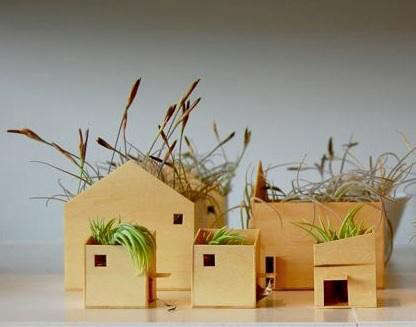
A handcrafted wooden greenhouse is the garden version of a cozy cabin, a science lab, and a tiny plant spa all rolled into one charming structure. It protects tender seedlings, stretches the growing season, adds architectural beauty to the backyard, and gives gardeners a place to fuss lovingly over tomatoes as if they were royalty. Unlike a generic kit that arrives looking like everyone else’s backyard experiment, a handcrafted wooden greenhouse feels personal. It has grain, warmth, texture, and a story built into every board.
For homeowners, hobby gardeners, homesteaders, and design lovers, the appeal is obvious. A wooden greenhouse can be rustic or refined, compact or spacious, practical or downright magazine-worthy. But beauty alone will not keep basil alive in July or seedlings warm in March. A good greenhouse must balance sunlight, airflow, humidity, durability, drainage, and day-to-day usability. In other words, it should look lovely while quietly doing a lot of hard work behind the scenes.
This guide explores what makes a handcrafted wooden greenhouse worth building, how to plan one correctly, which materials matter, and what real-life experience teaches once the first tray of seedlings moves in.
What Is a Handcrafted Wooden Greenhouse?
A handcrafted wooden greenhouse is a plant-growing structure built primarily with wood framing and transparent or translucent glazing, such as glass, polycarbonate panels, acrylic, or greenhouse-grade plastic. The “handcrafted” part matters because it suggests thoughtful design, custom measurements, careful joinery, and details chosen for a specific garden rather than mass-produced convenience.
At its heart, a greenhouse creates a controlled growing environment. It lets sunlight in, traps warmth, blocks wind and heavy rain, and gives gardeners more influence over temperature, humidity, and air circulation. A wooden greenhouse adds another layer: natural character. Cedar, redwood, fir, pine, and pressure-treated lumber each create a different look, budget, and maintenance profile.
Some handcrafted wooden greenhouses are tiny lean-to structures attached to a garage or shed. Others are freestanding backyard showpieces with Dutch doors, roof vents, potting benches, gravel floors, and enough charm to make neighbors “accidentally” walk by twice.
Why Choose Wood Instead of Metal or Plastic?
Metal and plastic greenhouses have their place. Aluminum frames are lightweight and low-maintenance, while plastic hoop houses can be affordable and quick to assemble. But wood offers advantages that are hard to fake.
Wood Looks Better in the Landscape
A wooden greenhouse blends naturally with fences, raised beds, pergolas, decks, sheds, and cottage-style gardens. It can be stained, painted, left rustic, or matched to the home’s exterior. Instead of looking like temporary garden equipment, it can become a permanent design feature.
Wood Is Easy to Customize
Wood is forgiving. Need an extra shelf? Screw one in. Want to add hooks for tools, a trellis for cucumbers, or a small window opener? No engineering degree required. A handcrafted wooden greenhouse can evolve with your gardening habits.
Wood Provides Natural Strength
Properly selected and protected lumber can support shelves, hanging baskets, roof vents, doors, and glazing panels. Cedar and redwood are especially valued because they resist decay better than many common softwoods. More budget-friendly lumber, such as pine or fir, can also work if protected from constant moisture.
Best Wood Types for a Greenhouse
Choosing lumber is one of the biggest decisions in greenhouse construction. The greenhouse environment is humid, bright, and sometimes hot, which means wood must handle moisture without turning into a sad sponge with hinges.
Cedar
Cedar is a favorite for handcrafted wooden greenhouses because it naturally resists decay and insects, smells wonderful, and looks beautiful with minimal finishing. It costs more than basic framing lumber, but it often rewards the investment with longer service life and less drama.
Redwood
Redwood is another premium option known for decay resistance and rich color. It is strong, attractive, and durable, though availability and price vary by region. For high-end greenhouse projects, redwood can create a warm, polished look.
Pressure-Treated Lumber
Modern pressure-treated lumber can be a practical choice for ground-contact areas such as base plates, foundations, and framing close to soil. For gardeners growing food crops, it is smart to use current products rated for garden use and avoid direct soil contact where possible by adding barriers, raised containers, or interior bed liners.
Pine, Fir, and Spruce
These woods are affordable and widely available. They are easier on the wallet but need more protection from moisture. Exterior paint, stain, sealant, good airflow, and smart construction details can help them last longer.
Designing a Wooden Greenhouse That Actually Works
A pretty greenhouse that overheats, leaks, or has no room to move is like a sports car with square wheels. Planning matters.
Choose the Right Location
Most backyard greenhouses perform best in a sunny location with good drainage and easy access to water. Morning sun is valuable because it warms plants early and helps dry condensation. Avoid low spots where water pools, areas shaded all day by buildings, and sites directly under trees that drop branches, leaves, sap, or surprise bird commentary.
Think About Orientation
In colder climates, maximizing winter sun is important. A south-facing orientation often helps capture more light during the shortest days. In hot climates, afternoon shade or seasonal shade cloth may be necessary to prevent the greenhouse from turning into a botanical toaster.
Plan for Ventilation
Ventilation is not optional. Greenhouses can overheat quickly, even when outdoor weather feels mild. Roof vents allow hot air to escape, while side vents, louvered windows, doors, and fans help bring in fresh air. A smart design uses both high and low ventilation so warm air can rise and exit while cooler air enters below.
Allow Enough Working Space
Many first-time builders plan for plants but forget humans. Leave room for walking, watering, carrying trays, kneeling, pruning, and turning around without knocking over six pots like a gardening raccoon. A central aisle of 24 to 36 inches is usually more comfortable than a narrow squeeze path.
Glazing Options: Glass, Polycarbonate, or Plastic?
The glazing is the transparent covering that lets light in. It affects insulation, cost, durability, safety, and appearance.
Glass
Glass is classic, beautiful, and highly transparent. It gives a handcrafted wooden greenhouse a timeless conservatory look. However, it is heavy, breakable, and usually more expensive to install. If using reclaimed windows, check for structural soundness, lead paint risks in older frames, and proper sealing.
Polycarbonate Panels
Twin-wall or multi-wall polycarbonate is a popular modern choice. It is lighter than glass, more impact-resistant, and provides better insulation than single-pane glass. It diffuses sunlight, which can reduce harsh hot spots on leaves. For many DIY wooden greenhouse builders, polycarbonate offers the best balance of performance and practicality.
Greenhouse-Grade Plastic Film
Plastic film is budget-friendly and useful for hoop houses or seasonal structures. It is less elegant than glass or polycarbonate, but it can be effective when installed correctly. For a permanent handcrafted greenhouse, plastic film is often used on secondary areas or temporary season-extension frames rather than as the main design feature.
Foundation and Flooring Ideas
A wooden greenhouse needs a stable base. Without one, doors stick, glazing shifts, water collects, and the whole structure begins to develop what builders politely call “character.”
Gravel Foundation
Gravel is one of the most practical greenhouse flooring materials. It drains well, reduces mud, moderates moisture, and creates a tidy walking surface. A weed barrier beneath the gravel helps keep unwanted growth under control.
Concrete Slab
Concrete is durable and easy to clean, but it costs more and may require permits or professional installation. It works especially well for larger greenhouses, potting sheds, and structures used year-round.
Wood Decking
Wood flooring can look beautiful, but it must be designed for moisture. Leave gaps for drainage and airflow, use rot-resistant or treated lumber, and avoid trapping damp soil against boards.
Raised Beds Inside the Greenhouse
Interior raised beds are excellent for vegetables, herbs, and cut flowers. They make soil management easier and create a tidy layout. Keep wood beds slightly separated from the greenhouse frame so moisture does not remain trapped against structural posts.
Temperature, Shade, and Humidity Control
The main challenge inside a greenhouse is not getting warmth; it is controlling warmth. On a sunny day, temperatures can climb faster than a toddler on a kitchen counter.
Use Shade Cloth in Hot Weather
Shade cloth is one of the simplest ways to reduce heat stress. It comes in different densities, commonly around 30 percent to 60 percent for many garden uses. Tender seedlings and leafy greens may need more protection than sun-loving tomatoes. The key is flexibility: use shade during intense heat, then remove or reduce it when days shorten.
Add Automatic Vent Openers
Automatic vent openers are small devices that open roof vents when temperatures rise. They require no electricity and are extremely useful for gardeners who cannot babysit the greenhouse all day. Plants are delightful, but they are terrible at texting “help, we are roasting.”
Manage Humidity
High humidity can encourage fungal diseases, especially when leaves stay wet overnight. Water early in the day, avoid splashing foliage, provide airflow, and space plants properly. A small circulation fan can help reduce stagnant air, particularly in compact greenhouses.
What Can You Grow in a Handcrafted Wooden Greenhouse?
A wooden greenhouse can support many gardening goals, from seed starting to year-round greens, depending on climate and heating.
Seedlings and Transplants
Seed starting is one of the most rewarding greenhouse uses. Tomatoes, peppers, eggplants, herbs, flowers, brassicas, and lettuce can all get a head start before outdoor planting season. Shelving and benches make trays easier to manage.
Cool-Season Crops
Lettuce, spinach, kale, arugula, chard, parsley, cilantro, and radishes often thrive in cooler greenhouse conditions. In many regions, a greenhouse can extend these crops into late fall or help start them earlier in spring.
Warm-Season Favorites
Tomatoes, cucumbers, basil, peppers, and dwarf citrus can flourish in protected environments when temperature, pollination, and airflow are managed well. Some crops may need hand pollination or open doors to encourage pollinators.
Ornamentals and Houseplants
A handcrafted wooden greenhouse is also perfect for overwintering tender perennials, propagating cuttings, storing dormant plants, and giving houseplants a bright vacation home. Just remember: once you start propagating, one plant becomes twenty. This is not a warning. It is a prophecy.
Handcrafted Details That Make a Greenhouse Special
Function comes first, but details are where a handcrafted wooden greenhouse shines.
Dutch Doors
A Dutch door allows the top half to open for ventilation while the bottom stays closed to keep pets, chickens, or curious toddlers from conducting unsupervised plant inspections.
Built-In Potting Bench
A sturdy potting bench turns the greenhouse into a true workspace. Add a soil bin, tool hooks, and a lower shelf for trays and watering cans.
Rainwater Collection
Gutters can direct rainwater into barrels for garden use. This is especially helpful if the greenhouse sits far from a hose connection.
Reclaimed Windows
Old windows can create a charming greenhouse with vintage personality. Use caution with old paint, uneven sizes, and fragile glass, but when done well, reclaimed-window greenhouses look like they wandered out of a storybook.
Maintenance Tips for a Long-Lasting Wooden Greenhouse
Wooden greenhouses need maintenance, but not constant pampering. A few seasonal habits can dramatically extend their life.
Seal or Paint Exposed Wood
Use exterior-grade stain, paint, or sealant suited for outdoor wood. Pay special attention to end grain, joints, and areas near the ground where moisture collects.
Inspect Fasteners and Hinges
Humidity can be rough on hardware. Choose exterior-rated screws, galvanized or stainless hardware, and check hinges, handles, latches, and vent openers regularly.
Clean Glazing Panels
Dust, pollen, algae, and hard-water spots reduce light transmission. Clean glass or polycarbonate gently using manufacturer-safe methods. Avoid abrasive scrubbing on polycarbonate panels.
Control Weeds and Debris
Remove fallen leaves, dead plant material, and weeds. Cleanliness reduces pest habitat and disease pressure. A greenhouse should smell like soil and leaves, not like forgotten compost with ambition.
Common Mistakes to Avoid
The most common greenhouse mistake is building too small. Gardeners almost always fill the available space faster than expected. If the budget and yard allow, add a little extra room. Future you, standing beside fourteen tomato seedlings and a tray of mystery cuttings, will be grateful.
Another mistake is ignoring ventilation. A sealed greenhouse may look efficient, but plants need fresh air. Without airflow, heat and humidity build quickly. Roof vents, side vents, fans, and open doors are not luxuries; they are plant insurance.
Poor drainage is another silent troublemaker. Water should move away from the greenhouse foundation, not under it. Use gravel, grading, gutters, and raised beds to keep moisture under control.
Finally, avoid choosing materials based only on price. Cheap lumber, flimsy glazing, weak fasteners, and undersized framing may save money at first but cost more in repairs later. A handcrafted wooden greenhouse does not need to be extravagant, but it should be built with respect for weather, water, and time.
Real-World Experiences: What a Handcrafted Wooden Greenhouse Teaches You
Living with a handcrafted wooden greenhouse is different from admiring one in photos. The first lesson is that the greenhouse becomes part of your daily rhythm. You step inside “just to check something” and somehow emerge forty minutes later holding seed packets, a damp trowel, and a strong opinion about lettuce varieties.
One practical experience many gardeners share is that temperature swings are surprising at first. In early spring, the greenhouse may feel cool in the morning, perfect by noon, and too warm by midafternoon. That teaches the value of thermometers, automatic vents, and shade cloth. After a few weeks, you begin to understand the building like a small weather system. You know which corner warms fastest, which bench gets the gentlest light, and which door must be opened before the basil starts looking offended.
Another lesson is that wooden structures feel wonderfully usable. You can screw in a hook for pruners, add a shelf where the sun hits just right, mount a hose hanger, or build a small rack for seed trays. A metal kit can be useful, but wood invites adaptation. The greenhouse becomes more personal each season because every improvement reflects a real problem you solved.
Moisture management also becomes a daily teacher. At first, it is tempting to water everything generously because greenhouse gardening feels lush and tropical. Then condensation appears, seedlings stretch, fungus gnats RSVP without being invited, and you learn restraint. Watering in the morning, spacing plants, using clean trays, and keeping the floor tidy make a remarkable difference.
A handcrafted wooden greenhouse also changes how you think about the seasons. Instead of waiting impatiently for spring, you begin preparing earlier. Seed trays appear in late winter. Cool-season greens linger longer in fall. Tender plants survive a few extra weeks. Even if you do not grow food all year, the greenhouse makes the gardening calendar feel wider and more forgiving.
There is also emotional value. A wooden greenhouse is a place to slow down. Rain on the roof sounds softer. Sunlight through glazing turns ordinary seedlings into tiny stained-glass miracles. The smell of damp soil, cedar, tomato leaves, and warm wood becomes its own reward. Some days, the greenhouse produces vegetables. Other days, it produces patience.
The biggest experience-based advice is simple: build for the gardener you are, not the fantasy gardener who alphabetizes seed packets and never loses gloves. Put tools where you naturally reach for them. Make the aisle wide enough. Keep water nearby. Add shade before summer panic arrives. Choose materials you can maintain. Leave room for experiments, because the greenhouse will absolutely encourage them.
In the end, a handcrafted wooden greenhouse is not just a structure. It is a working garden room, a design feature, a season extender, and a quiet promise that something green is always possible.
Conclusion
A handcrafted wooden greenhouse combines beauty, function, and personal craftsmanship in a way few garden structures can match. It can help extend the growing season, protect delicate plants, organize seed starting, and turn an ordinary backyard into a more productive and inviting space. The best wooden greenhouses are not merely pretty; they are planned with sunlight, ventilation, drainage, durable lumber, safe glazing, and everyday usability in mind.
Whether built from cedar and polycarbonate, redwood and glass, or reclaimed windows and carefully sealed framing, a wooden greenhouse rewards thoughtful design. It asks for maintenance, but it gives back fresh herbs, sturdy seedlings, longer harvests, and a peaceful place to work with plants. Build it well, ventilate it wisely, and your greenhouse may become the most beloved room you technically do not live in.