Note: This guide is for routine home grooming and general education. If your Dachshund has irritated skin, painful ears, broken nails, bald patches, strong odor, or sudden grooming sensitivity, schedule a veterinary visit before continuing.
A short haired Dachshund may look like the “easy mode” version of dog groomingand compared with a longhaired or wirehaired Dachshund, that is mostly true. Their smooth coat is neat, shiny, and wonderfully low-maintenance. But “low-maintenance” does not mean “no maintenance.” These tiny hot dogs with legs still shed, collect dust, grow nails, build up ear wax, develop dog breath, and occasionally roll in mystery substances that no human nose should have to investigate.
The good news? Learning how to groom a short haired Dachshund at home is simple when you follow a calm routine. Smooth-coated Dachshunds usually need light brushing, occasional baths, nail trims, ear checks, paw care, dental care, and skin monitoring. The secret is consistency. A five-minute grooming session every few days can prevent a dramatic, slippery, shampoo-covered wrestling match later.
This complete guide breaks the process into 13 practical steps. You will learn what tools to use, how often to groom, how to brush the coat, how to bathe without drying the skin, how to trim nails safely, and how to make grooming feel less like a tiny courtroom battle and more like quality bonding time.
Why Short Haired Dachshunds Still Need Grooming
Short haired Dachshunds have smooth, close-lying coats that do not mat like long coats. That makes them easier to maintain, but their skin and coat still benefit from regular grooming. Brushing removes loose hair, spreads natural oils, and helps you spot bumps, flakes, fleas, ticks, scratches, or skin irritation early.
Dachshunds also have a few body features that deserve extra attention. Their long backs and short legs mean their bellies ride close to grass, dirt, puddles, sidewalk salt, pollen, and all the outdoor “souvenirs” dogs adore. Their ears hang down, which can trap warmth and moisture. Their nails can grow quickly, especially if they walk mostly on soft surfaces. And like many small breeds, they benefit from regular dental care.
In other words, grooming is not just about making your Dachshund look shiny enough to reflect your life choices. It is about comfort, hygiene, health checks, and trust.
Tools You Need to Groom a Short Haired Dachshund
Before starting, gather everything in one place. Dachshunds are clever. If you leave mid-grooming to find the towel, your dog may vanish under the couch like a furry submarine.
Basic grooming supplies
- Rubber grooming mitt or hound glove
- Soft-bristle brush
- Dog-safe shampoo
- Absorbent towels
- Non-slip bath mat
- Dog nail clippers or a pet nail grinder
- Styptic powder for nail-trimming accidents
- Veterinarian-approved ear cleaner
- Cotton balls or gauze pads
- Dog toothbrush or finger brush
- Dog toothpaste, never human toothpaste
- Paw balm, if your dog has dry pads
- Small treats for rewards
Choose gentle products. A Dachshund’s coat may be tough-looking, but the skin underneath can become dry or itchy if you use harsh shampoo, over-bathe, or scrub too aggressively.
How to Groom a Short Haired Dachshund: 13 Steps
Step 1: Create a calm grooming space
Start with the environment. Pick a quiet room with good lighting and a stable surface. For brushing, a towel on the floor works well. For bathing, use a sink, tub, or shower area with a non-slip mat. Dachshunds have long backs, so avoid letting them jump on or off tables, beds, or tubs. Lift them with one hand supporting the chest and the other supporting the rear.
Keep sessions short at first. If your Dachshund is new to grooming, aim for two or three minutes, reward often, and stop before your dog gets overwhelmed. A calm routine builds cooperation faster than forcing a full spa day on a dog who thinks the brush is a suspicious squirrel.
Step 2: Do a quick nose-to-tail health check
Before brushing, run your hands gently over your Dachshund’s body. Check the skin, belly, armpits, chest, tail area, paws, and ears. Look for redness, dandruff, scabs, lumps, ticks, fleas, hot spots, bald patches, or sore areas. Because short hair sits close to the body, changes are often easier to spot than they are on fluffy breeds.
Pay attention to your dog’s reaction. If your Dachshund flinches, growls, yelps, or suddenly dislikes being touched in one area, do not ignore it. Grooming can reveal pain before other symptoms appear. When in doubt, call your veterinarian.
Step 3: Brush with a rubber grooming mitt
Use a rubber grooming mitt or hound glove to loosen dead hair. Brush in the direction of hair growth, starting at the shoulders and moving toward the tail. Use light pressure. The goal is not to polish a bowling ball; it is to massage the skin and lift loose coat.
For most short haired Dachshunds, brushing once or twice a week is enough. During seasonal shedding, you may want to brush more often. Some smooth Dachshunds shed more than owners expect, leaving tiny hairs on couches, sweaters, car seats, and every black outfit you own. Regular brushing keeps that “Dachshund glitter” under control.
Step 4: Follow with a soft-bristle brush
After the grooming mitt, use a soft-bristle brush to smooth the coat. This helps distribute natural oils and gives the coat that sleek, glossy finish Dachshunds are famous for. Brush the chest, sides, back, belly, and tail gently.
Be careful around bony areas, especially the legs and hips. Dachshunds are sturdy little dogs, but they are still low to the ground and sensitive in certain spots. Keep the experience pleasant by pairing each section with calm praise or a tiny treat.
Step 5: Wipe the coat between baths
Short haired Dachshunds do not need frequent baths. Many stay fresh with simple wipe-downs between full baths. Use a damp cloth or pet-safe grooming wipe to clean the belly, paws, chest, and rear after walks. This is especially helpful after rainy walks, muddy yard adventures, or suspicious rolling incidents.
Wiping also helps reduce pollen, dust, and surface dirt. For Dachshunds with sensitive skin, this simple habit can make a big difference because it removes irritants without stripping natural coat oils.
Step 6: Bathe only when needed
A smooth-coated Dachshund usually needs a bath every few months, or sooner if visibly dirty or smelly. Some active dogs may need bathing every six to eight weeks, while indoor dogs may need it less often. Over-bathing can dry the skin, so avoid washing just because the calendar says so.
Use lukewarm water and a dog-safe shampoo. Wet the coat thoroughly, apply shampoo, and massage gently from neck to tail. Avoid getting shampoo or water in the eyes and ears. Rinse very well. Leftover shampoo can cause itching, and a Dachshund with itchy skin can turn into a dramatic scratching machine.
Step 7: Dry your Dachshund completely
After bathing, towel-dry your Dachshund carefully. Short coats dry faster than long coats, but do not leave the belly, armpits, or chest damp. Moisture trapped close to the skin can cause irritation, especially in folds or areas that rub against harnesses.
If your dog tolerates it, you can use a dryer on a cool or low setting while keeping it at a safe distance. Many Dachshunds prefer towel drying because dryers sound like tiny jet engines. Either method is fine as long as your dog is comfortable and dry.
Step 8: Check and clean the ears safely
Dachshunds have drop ears, so regular ear checks matter. Lift each ear flap and look inside. Healthy ears usually look pale pink and do not smell bad. A little wax can be normal. Redness, swelling, heavy discharge, head shaking, scratching, or a strong odor may signal a problem that needs veterinary attention.
For routine cleaning, use a veterinarian-approved ear cleaner and cotton balls or gauze. Do not use cotton swabs deep in the ear canal because they can push debris farther in or cause injury. Clean only what you can see, and keep the process gentle. If your Dachshund’s ears seem painful, skip cleaning and call your vet.
Step 9: Trim nails before they click
Nail care is one of the most important parts of Dachshund grooming. Long nails can affect posture, comfort, and walking. A good rule: if you hear clicking on the floor, the nails are probably too long.
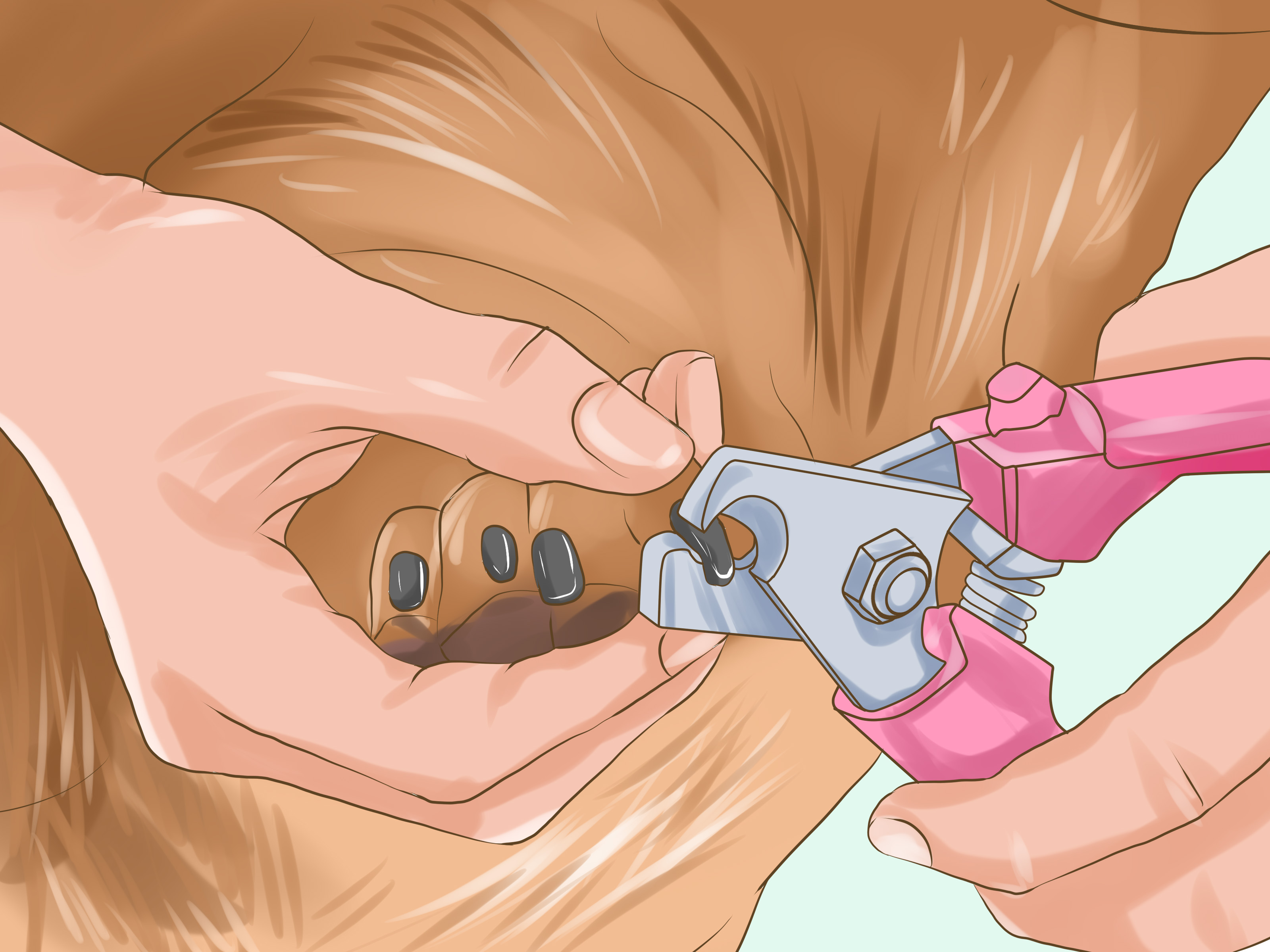
Trim tiny amounts at a time. If your dog has light nails, you may see the quick, which is the pink area inside the nail. Avoid cutting into it. If your dog has dark nails, go slowly and trim small slivers. A grinder can help smooth edges, but introduce the sound gradually. Keep styptic powder nearby in case you cut too close.
Many dogs need nail trims every three to four weeks, but the schedule varies. Active dogs walking on pavement may naturally wear nails down faster. Couch-loving Dachshunds, also known as professional blanket inspectors, may need more frequent trims.
Step 10: Inspect and clean the paws
Because Dachshunds are low to the ground, their paws and bellies collect plenty of debris. Check between the toes for dirt, burrs, foxtails, salt, tiny stones, or irritation. Wipe paws after walks, especially during winter or after walking on treated sidewalks.
Look at the paw pads too. Dry or cracked pads may benefit from a dog-safe paw balm. Avoid human lotions unless your veterinarian approves them because dogs lick their paws, and not every human product is safe for pets.
Step 11: Brush the teeth regularly
Dental care is easy to forget until your Dachshund yawns directly into your soul. Brushing several times a week is helpful, and daily brushing is ideal when possible. Use a dog toothbrush or finger brush with dog toothpaste. Human toothpaste is not safe for dogs.
Start slowly. Let your dog lick a small amount of toothpaste first. Then touch the lips, lift the cheek, and brush a few outer teeth. You do not need to open the mouth wide at the beginning. Focus on building a habit. Over time, brush along the gumline using gentle circular motions.
Dental chews and vet-recommended dental products can support oral care, but they do not fully replace brushing. If your dog has bad breath, bleeding gums, loose teeth, or trouble chewing, see a veterinarian.
Step 12: Clean around the eyes and face
Short haired Dachshunds do not usually need face trimming, but they may get eye crust, dust, or food smudges around the muzzle. Use a damp cloth to wipe gently around the eyes, cheeks, and chin. Use a separate clean area of the cloth for each eye to avoid spreading irritation.
Do not use soap near the eyes. If you notice yellow or green discharge, squinting, cloudiness, pawing at the eye, or sudden tearing, treat it as a veterinary issue rather than a grooming issue.
Step 13: Finish with praise and a grooming schedule
End each session on a positive note. Offer praise, a treat, or a short play break. This teaches your Dachshund that grooming leads to good things. The more relaxed your dog feels, the easier each future session becomes.
Create a simple grooming schedule and keep it realistic:
- Brush coat: once or twice weekly
- Wipe belly and paws: after dirty walks
- Check ears: weekly
- Clean ears: only as needed or as your vet recommends
- Trim nails: about every three to four weeks
- Brush teeth: daily if possible, several times weekly at minimum
- Bathe: every few months or when dirty
Common Mistakes to Avoid
Bathing too often
Short haired Dachshunds do not need constant baths. Too much shampooing can dry the skin and create itchiness. Use wipe-downs between baths instead.
Skipping nail trims
Long nails are not just cosmetic. They can make walking uncomfortable and may affect how your Dachshund carries weight. Keep nails short and smooth.
Using human products
Human shampoo, toothpaste, and lotions are not designed for dogs. Stick with dog-safe products and ask your veterinarian when unsure.
Cleaning ears too aggressively
Never dig deep into the ear canal. Gentle surface cleaning is enough for routine care. Pain, smell, redness, or discharge needs veterinary attention.
Forgetting the belly
A Dachshund’s belly is basically a dirt magnet with legs. Always check and wipe the underside after messy walks.
How to Make Grooming Easier for a Stubborn Dachshund
Dachshunds are intelligent, independent, and occasionally convinced they are the household manager. If your dog resists grooming, do not turn it into a power struggle. Instead, break the routine into tiny steps.
Touch one paw, reward. Show the brush, reward. Brush one side, reward. Turn on the nail grinder across the room, reward. This process is called desensitization, and it works because your dog learns that grooming tools are not enemies from another dimension.
Use high-value treats, a calm voice, and short sessions. Avoid chasing your dog with grooming tools. That only teaches them that the brush is terrifying and you have poor negotiation skills. If nail trims are impossible, ask your veterinarian or professional groomer to demonstrate safe handling.
When to Visit a Professional Groomer or Veterinarian
Most short haired Dachshund grooming can be done at home, but professional help is useful in certain situations. Visit a groomer if you are uncomfortable trimming nails, your dog becomes extremely anxious, or you want help establishing a routine. Visit a veterinarian if you notice skin infections, persistent odor, ear pain, broken nails, sudden hair loss, lumps, or severe itching.
Professional groomers can also help with nail grinding, paw tidy-ups, and safe handling. Veterinarians can rule out allergies, parasites, infections, dental disease, and other health conditions that grooming alone cannot fix.
Extra Owner Experience: What Grooming a Short Haired Dachshund Is Really Like
Grooming a short haired Dachshund sounds easy on paper, and compared with many breeds, it is. But living with one teaches you a few funny truths. First, “short hair” does not mean “no shedding.” The hair is just shorter, sharper, and mysteriously talented at weaving itself into fabric. You may brush your Dachshund on Monday and still find tiny coat confetti on your hoodie by Tuesday. Regular brushing helps, but a lint roller may become your emotional support tool.
The second lesson is that Dachshunds remember everything. If you accidentally make one nail trim stressful, your dog may file a formal complaint and hide their paws for the next month. The best approach is to go slowly. One nail trimmed calmly is better than four paws trimmed in chaos. Many owners have more success trimming one or two nails per day instead of doing all nails in one session. It feels less dramatic, and your dog has fewer chances to decide that you are running a suspicious foot-related business.
Bath time can also be surprisingly personal. Some Dachshunds tolerate water like tiny champions. Others look betrayed the moment their paws touch the tub. A non-slip mat makes a big difference because short legs and slippery surfaces are not a great combination. Keeping one hand on your dog’s body helps them feel secure. Warm towels after the bath can turn the experience from “tragedy” into “spa with snacks.”
Another practical experience: wipe-downs are underrated. A damp cloth after walks saves so much work. Dachshunds are low enough to pick up wet grass, dust, pollen, and mud on their bellies even when the rest of the dog looks clean. A quick belly-and-paw wipe prevents dirt from moving onto beds, couches, rugs, and your favorite blanketthe one your Dachshund has probably claimed anyway.
Ear checks are also worth building into the weekly routine. You do not need to clean healthy ears constantly, but looking at them regularly helps you notice changes early. The same goes for teeth. Many Dachshunds do not love toothbrushing at first, but flavored dog toothpaste can help. Start by letting your dog lick the toothpaste from the brush, then gradually brush a few teeth. Think of it as training, not a chore.
The biggest grooming lesson is that consistency beats intensity. A short haired Dachshund does not need a complicated beauty routine. They need small, predictable habits: brush, wipe, check ears, trim nails, brush teeth, and bathe only when needed. Done regularly, grooming becomes less of an event and more of a normal part of life. Your Dachshund stays cleaner, your home stays fresher, and you get more chances to notice health changes early.
And yes, your dog may still give you dramatic side-eye during nail trims. That is normal. Dachshunds were bred to be brave underground hunters, but apparently nail clippers remain their greatest historical rival.
Conclusion
Learning how to groom a short haired Dachshund is less about fancy techniques and more about steady care. Their smooth coats are easy to maintain, but they still need regular brushing, occasional bathing, nail trimming, ear checks, dental care, and paw cleaning. A simple routine keeps your Dachshund comfortable, reduces shedding, supports skin health, and helps you catch small problems before they become big ones.
Keep grooming gentle, positive, and consistent. Use the right tools, avoid over-bathing, protect the ears, trim nails carefully, and reward cooperation. With patience, your Dachshund can learn that grooming is not a punishmentit is just another form of attention, which many Dachshunds believe they deserve in unlimited quantities.