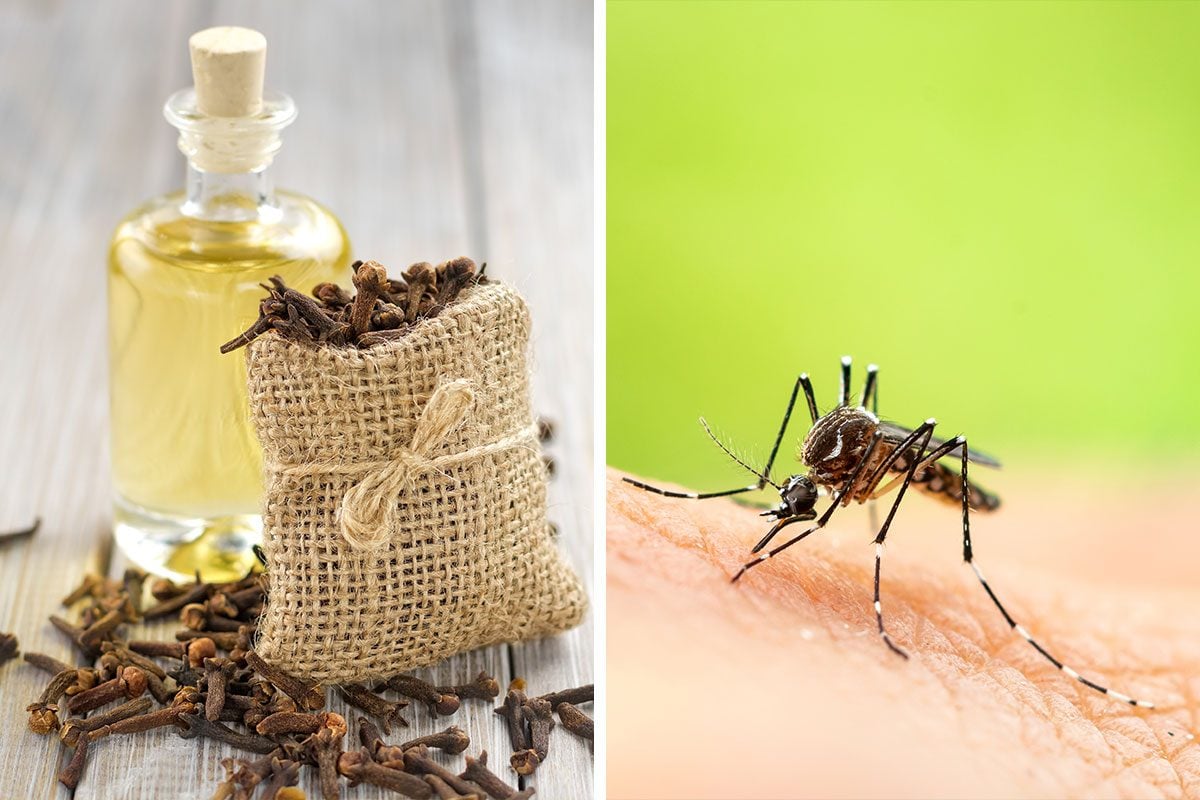
There is a certain summer moment when you step outside with an iced drink, feel like the main character in a porch commercial, and immediately become a buffet with legs. That is when a bottle of clove oil starts looking less like a baking ingredient and more like tiny fragrant armor.
Clove oil has a warm, spicy aroma and contains eugenol, a compound that has shown insect-repelling activity in laboratory studies. But a good scent is not the same thing as a force field. This guide explains what a clove oil bug repellent can realistically do, how to make a mild DIY blend, when it makes sense to use it, and when you should reach for a tested commercial repellent instead.
Does Clove Oil Really Repel Bugs?
Sometimes, yes, but the word repel needs a sensible pair of shoes. Research on essential oils suggests that clove oil can discourage mosquito landing and biting under certain test conditions. Eugenol, one of its dominant aromatic compounds, is a likely reason. In laboratory work, clove oil has been among the stronger essential oils tested against mosquitoes, but protection time changes sharply with concentration, formula, mosquito species, heat, sweat, and wind.
That is the key lesson: a few drops in a pretty spray bottle may smell wonderful while doing very little to convince mosquitoes to file a change-of-address form. Essential oils evaporate quickly, and a blend that seems helpful during a breezy dinner on the deck may be disappointing in humid woods at dusk.
Clove oil is best viewed as a short-lived, fragrance-based deterrent for a casual setting, not as universal pest control. It is not a dependable treatment for bed bugs, fleas, or a serious ant problem. A scent that bothers one insect can be irrelevant to another, and botanical ingredients are not automatically harmless to people, pets, plants, or beneficial insects.
Why Clove Oil Gets So Much Attention
Clove buds have been used in cooking, fragrance, and traditional remedies for generations, so the oil feels familiar. Familiarity can be comforting, but essential oil is much more concentrated than the spice jar in your pantry. It is not “ground cloves with ambition.” It is a potent plant extract, and that potency is why it needs dilution and restraint.
From an insect’s perspective, a strong odor can interfere with scent cues used to find a host. From a human perspective, clove oil adds a cozy, spicy note that is less likely to make your patio smell like a chemical warehouse. The downside is that fragrance is not a durability feature. The same volatile nature that gives clove oil its bold aroma also means it fades.
For reliable protection from mosquitoes and ticks, use a product registered and labeled for the insects you expect to encounter. The label may not be glamorous, but it tells you the formula has been evaluated for intended use, safety instructions, and effectiveness. Think of DIY clove oil as a sidekick, not the superhero with the medical insurance card.
DIY Clove Oil Bug Repellent Recipe for Casual Outdoor Use
This recipe intentionally uses a very low amount of clove oil. The goal is to create a mild, diluted botanical body oil for adults who want to test a clove scent during relaxed backyard time. It is not designed to reproduce the high concentrations used in laboratory trials, because stronger is not automatically safer for skin.
Ingredients
- 1 fluid ounce (30 mL) jojoba oil, fractionated coconut oil, or another plain carrier oil
- 2 drops clove bud essential oil
- One clean 1-ounce dark glass bottle with a tight cap
- Optional: a small waterproof label
Directions
- Pour the carrier oil into the clean bottle.
- Add 2 drops of clove bud essential oil.
- Cap the bottle and roll it gently between your palms to blend. Do not shake it like you are auditioning for a cocktail bar.
- Label it clearly: “External use onlyclove oil blendkeep away from children and pets.”
- Store it in a cool, dark place. Discard it if the smell changes noticeably or the blend becomes cloudy, rancid, or contaminated.
How to Use It Carefully
First, patch-test the finished blend on a small area of unbroken adult skin. Wait a full day before broader use. If there is burning, itching, redness, swelling, or a rash, wash it off with soap and water and do not use it again.
When the patch test is uneventful, apply a tiny amount to one small exposed area for casual patio time, such as the lower legs. Keep it away from the eyes, lips, hands, cuts, freshly shaved skin, and skin already irritated by sun, eczema, or a rash.
Do not apply this DIY clove oil repellent to babies, children, or pets. Skip it during pregnancy or breastfeeding unless a qualified clinician says it is appropriate for you. People with fragrance allergies, asthma triggered by scents, very sensitive skin, or a history of contact dermatitis should avoid it. Never swallow clove oil or add it to drinks, food, baths, or a diffuser “for extra protection.” The insects may be annoying, but turning your lemonade into a chemistry experiment is not a winning counterattack.
Why an Oil Blend Is Better Than a Water-Only Spray
Oil and water do not truly mix without a proper solubilizer. A homemade bottle made from water plus essential oil can separate into unpredictable droplets, which means the first spray may be weak and the last spray may deliver a much stronger dose directly to skin. That is not precision; that is a tiny lottery with a spicy prize.
A simple carrier-oil blend keeps the essential oil consistently diluted. It also avoids the temptation to add rubbing alcohol, dish soap, mouthwash, or mystery ingredients from viral recipes. Those additions can irritate skin, damage finishes, stain fabric, or simply make a formula less pleasant without making it more effective.
If you prefer a fabric-only option, test the recipe on a small hidden area first because oils can leave marks. For actual clothing or gear protection against ticks and mosquitoes, use only products specifically labeled for fabric and follow their directions. Permethrin products, for example, are intended for clothing and gear, not bare skin.
When Clove Oil Is Not Enough
Use a proven EPA-registered repellent instead of a homemade clove blend whenever you are hiking in brush, gardening in a tick-prone area, camping, traveling where mosquito-borne diseases occur, or spending long evenings outside during peak mosquito season.
Look for a product labeled for mosquitoes, ticks, or both, and follow the label exactly. Common active ingredients in registered skin repellents include DEET, picaridin, IR3535, oil of lemon eucalyptus or PMD, and 2-undecanone.
This is not a vote against natural ingredients. It is a vote for matching the tool to the risk. Oil of lemon eucalyptus in a registered repellent is not the same as homemade lemon-eucalyptus essential oil, and it should not be swapped in casually. The bottle, concentration, directions, and testing matter.
Also, do not expect clove oil to solve an infestation. Bed bugs need inspection and targeted treatment, fleas require pet-safe veterinary and household control, and indoor ants respond better to identification, sanitation, exclusion, and properly chosen bait than to a scented perimeter. Your house is not a charcuterie board; sprinkling spices around it rarely fixes the problem.
Make Any Repellent Work Better: The No-Drama Bite-Prevention Plan
The most effective mosquito strategy is layered. Before an outdoor gathering, empty and scrub containers that hold water, turn over toys and saucers, clean gutters, and refresh birdbaths regularly. Mosquitoes can develop in surprisingly small amounts of still water, so the neglected watering can behind the shed may be hosting a more exclusive pool party than you intended.
- Use airflow: A fan on a porch or patio can make it harder for mosquitoes to fly and land.
- Cover up: Wear loose long sleeves, pants, and socks when biting pressure is high.
- Use screens and nets: Repair window screens and use mosquito netting where appropriate.
- Choose timing wisely: Limit exposed-skin time around the hours when local mosquitoes are most active.
- Check for ticks: After time in grassy, brushy, or wooded areas, check your body, clothing, gear, and pets promptly.
- Use registered products when needed: Apply a repellent labeled for the target insect and reapply only as directed.
These steps reduce the number of bites you need any product to handle. A DIY clove oil blend is more likely to feel useful when it is the last small layer in a smart plan, not the only line between you and a swarm with excellent teamwork.
Common Clove Oil Bug Repellent Mistakes
Using It Undiluted
Neat essential oil can irritate or sensitize skin. More drops do not automatically mean fewer bites; they can simply mean a higher chance of a miserable rash.
Assuming “Natural” Means Pet-Safe
Dogs and cats can lick products from fur or surfaces, and cats are particularly sensitive to many chemicals and fragrances. Do not use a human DIY essential-oil blend as flea or tick control on an animal. Ask a veterinarian for a product appropriate for the species, age, weight, and health status of your pet.
Using It as an Ant, Flea, or Bed Bug Treatment
Clove oil is not a dependable answer to household infestations. Pest problems improve when you identify the insect, remove food and shelter sources, block entry points, and use targeted control methods. For bed bugs or persistent infestations, professional help is often the sensible shortcut.
Mixing a Giant Batch
Small batches are safer and fresher. Make only what you can use within a reasonable period, label it, and keep it where children and pets cannot reach it.
Frequently Asked Questions
Can I use ground cloves instead of clove essential oil?
Ground cloves may smell pleasant in a sachet, but they do not create a consistent, skin-safe repellent formula. They can be messy, abrasive, and difficult to measure. Keep ground cloves in the kitchen, where they are much less likely to start a feud with your laundry.
How often should I reapply a clove oil blend?
There is no reliable DIY schedule because protection depends on concentration, your skin, heat, sweat, wind, and the insect species. If bites begin, do not respond by layering on undiluted oil. Move indoors, add clothing, turn on a fan, or switch to an EPA-registered product used according to its label.
Does clove oil repel ticks?
Do not count on a homemade clove oil mixture for tick protection. Tick-borne disease prevention calls for a product labeled for ticks, protective clothing, prompt tick checks, and proper clothing or gear treatment when appropriate.
Can I spray clove oil around plants?
Be cautious. Botanical oils and soaps can harm foliage, beneficial insects, and pollinators when misused. Do not spray flowers, edible plants, or areas where pollinators are active unless you are using a product specifically labeled for that purpose.
Experience-Based Field Notes: What a Clove Oil Bug Repellent Is Like in Real Life
The most useful way to think about a clove oil bug repellent is not as a magic spell, but as a small ritual that can make outdoor time more pleasant. In casual settings, people often appreciate the warm, bakery-like scent first. It can feel friendlier than the sharp smell they associate with conventional spray. That sensory advantage matters: a product you dislike using is a product that stays in the cabinet while mosquitoes enjoy their dinner reservations.
On a calm patio, a lightly diluted clove oil blend may seem most noticeable during the first part of the evening. You apply a tiny amount, sit near a fan, and the experience is pleasantly low-drama. There may be fewer hovering insects around your legs, or you may simply be enjoying the fan, covered clothing, and absence of standing water nearby. That is why real-world impressions are tricky. One quiet evening is not a laboratory trial, and one mosquito bite is not a peer-reviewed betrayal.
Conditions change the story fast. Heat, humidity, sweating, and a walk through tall grass can erase the feeling of protection quickly. A person who had a lovely experience during dinner on a screened porch may have a completely different result while watering plants at dusk. Mosquitoes are not impressed by your Pinterest board, your good intentions, or the fact that you used an amber bottle. When the biting pressure is high, a mild DIY blend should be treated as a pleasant extra rather than a serious defense.
Another common experience is learning that application technique matters more than people expect. The safest versions use very little product, stay away from the face and hands, and are patch-tested before a big outdoor event. The least successful experiences usually involve overconfidence: applying undiluted oil, adding too many essential oils, spraying a water-and-oil mixture that has separated, or assuming a strong smell guarantees strong performance. Skin irritation can turn a relaxing evening into a reminder that “natural” is a description of origin, not a safety certificate.
Pet households add another layer. A person may enjoy the aroma, while a curious dog tries to investigate the bottle or a cat decides the scent is deeply offensive. Keeping the mixture closed, stored high, and off animal bedding is part of using it responsibly. The same caution applies to gardens: a fragrant spray may seem harmless, but pollinators and plants did not volunteer for your backyard experiment.
Finally, the best experience tends to come from using clove oil with realistic expectations. Keep it for a mellow porch night, pair it with a fan and covered clothing, and have a tested repellent available for hikes, travel, yard work, or mosquito-heavy evenings. That approach preserves the fun of a DIY natural insect repellent recipe without asking two drops of clove oil to do the job of an entire public-health strategy.
Final Takeaway
A clove oil bug repellent can be a pleasant, low-dose DIY option for adults during casual outdoor time, especially when you enjoy its warm, spicy scent and use it as part of a broader bite-prevention routine. It has a scientific basis for interest, but homemade formulas are inconsistent, short-lived, and not a substitute for products tested and labeled for disease-carrying mosquitoes or ticks.
Use a gentle dilution, patch-test it, keep it away from children and pets, and save the heavy-duty jobs for proven repellents, protective clothing, fans, screens, and standing-water cleanup. In other words: let clove oil be the charming guest at the barbecue, not the only person assigned to security.