Every online community has a phrase that feels like someone opening the front door, waving you in, and saying, “Come on, tell us what’s happening in your little corner of the world.” For Bored Panda-style communities, that phrase might be: “Hello fellow pandas, what are your plans for the day/night?” It is simple. It is friendly. It does not demand a five-year life strategy, a productivity dashboard, or a color-coded calendar blessed by a lifestyle influencer. It just asks: what are you doing today, tonight, or in the cozy fog between snack time and bedtime?
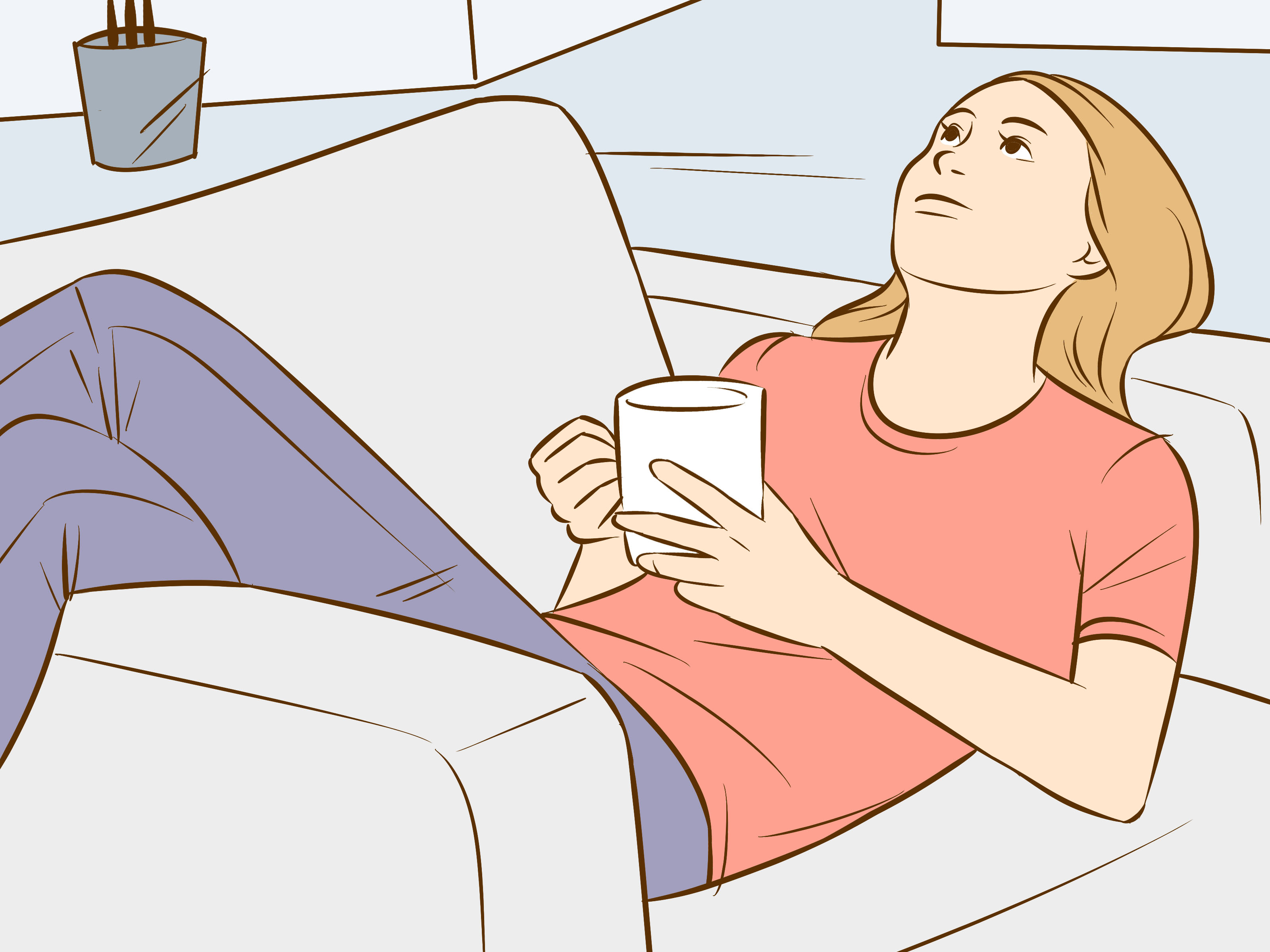
That tiny question works because it gives people permission to share ordinary life. Maybe your plan is to study, work, clean the kitchen, walk the dog, watch a movie, bake banana bread, finish a book, or lie dramatically on the couch like a Victorian poet with Wi-Fi. Maybe your plan is to survive Monday with dignity. That counts too.
In a world that often celebrates huge achievements, small plans are underrated. A thoughtful day plan can reduce stress. A gentle night routine can help you sleep better. A community check-in can make people feel seen. And a thread full of fellow pandas sharing their plans can become a surprisingly wholesome reminder that everyone is trying to build a decent day out of errands, emotions, coffee, weather, deadlines, and possibly one very judgmental house cat.
Why “What Are Your Plans?” Is More Powerful Than It Sounds
At first glance, asking people about their day or night plans seems like internet small talk. But small talk has a secret superpower: it lowers the pressure. Not everyone wants to open with a deep life confession. Sometimes people just want to say, “I’m making pasta and avoiding laundry,” and feel understood.
This kind of community question creates a low-stakes doorway into connection. People can answer with one sentence or five paragraphs. They can be funny, honest, tired, excited, bored, or weirdly passionate about organizing their sock drawer. The point is not to impress. The point is to participate.
It Turns Ordinary Moments Into Shareable Stories
Most days are not dramatic movie trailers. They are made of tiny scenes: the morning alarm, the first drink of water, the commute, the inbox, the grocery list, the evening walk, the late-night snack that was absolutely “just one bite” until it became a full plate. When someone asks about your plans, those scenes suddenly matter.
That is why online communities love prompts like this. They invite people to notice their own lives. A person who says, “I’m just staying home tonight,” may realize that staying home can still include a wonderful plan: cooking soup, texting a friend, stretching, playing a cozy game, or finally folding the laundry mountain before it applies for citizenship.
It Helps People Feel Less Alone
Social connection does not always require grand gestures. Sometimes it starts with a comment thread where strangers say, “Same here,” “Good luck,” or “That sounds fun.” These little acknowledgments can create a sense of belonging, especially for people who are tired, isolated, shy, or simply having one of those days when the universe feels like it forgot to include instructions.
A casual community check-in also reminds us that everyone has a rhythm. Some people are morning pandas, powered by sunlight and suspicious optimism. Others are night pandas, emerging after dark with snacks, playlists, and sudden motivation to reorganize their entire room at 11:47 p.m. Both are valid. Both deserve respect. One of them probably owns more blankets.
Planning the Day: How to Make Today Feel Less Like a Wild Shopping Cart
A good day plan does not need to be fancy. In fact, the best day plans are often simple enough to survive real life. The goal is not to schedule every minute until your calendar looks like a military operation. The goal is to give your day a basic shape so your brain does not spend all afternoon whispering, “Wait, what were we doing again?”
Start With Three Anchors
Instead of creating a massive to-do list, choose three anchors: one responsibility, one maintenance task, and one enjoyable thing. For example:
- Responsibility: Finish a work assignment, study chapter, appointment, or errand.
- Maintenance: Do laundry, wash dishes, prepare meals, or clean one small area.
- Enjoyment: Take a walk, watch an episode, draw, call a friend, read, cook something fun, or take a nap without guilt.
This approach keeps the day balanced. You are not only productive; you are also human. Shocking concept, I know.
Use Energy, Not Just Time
Many people plan around time but forget to plan around energy. Maybe you technically have two free hours after lunch, but if your brain turns into mashed potatoes at 2 p.m., that is not the ideal slot for complicated tasks. Put demanding work when your energy is strongest and lighter tasks when your focus is lower.
For some people, mornings are great for writing, studying, exercise, or planning. For others, mornings are a social experiment conducted before coffee. If you are not a morning person, do not build a fantasy schedule for a mythical version of yourself who wakes up at 5 a.m. glowing like a wellness candle. Build a plan for the real you.
Leave Space for the Unexpected
A realistic day plan includes buffer time. Emails appear. Buses run late. Someone asks “quick question” and somehow opens a portal to a 40-minute conversation. Your pet may choose chaos. Your mood may decide to wear socks on its hands and refuse cooperation.
Leaving white space in your schedule prevents one delay from ruining the whole day. A plan should guide you, not chase you through the house with a clipboard.
Planning the Night: The Art of Winding Down Without Becoming a Blanket Burrito Too Soon
Night plans are different from day plans. During the day, we often focus on output: tasks, errands, goals, messages, movement. At night, the best plan usually shifts toward recovery. The question becomes: how can I close the day in a way that helps tomorrow-me instead of creating problems for tomorrow-me?
Create a Gentle Landing
A good evening routine acts like a runway for sleep. It does not have to be perfect. You do not need candles, matching pajamas, and a journal made from ethically sourced moonbeams. You just need a repeatable sequence that tells your body and brain: the day is ending.
That sequence might include cleaning the kitchen counter, setting clothes out for tomorrow, taking a shower, dimming lights, charging your phone away from the bed, reading a few pages, stretching, or listening to calm music. Even ten minutes of routine can make the evening feel less scattered.
Plan Tomorrow Lightly
One of the best night plans is a quick tomorrow preview. Write down the top three things you want to handle the next day. Keep it short. Your nighttime brain should not be forced into a full corporate planning session while wearing pajamas.
This simple habit can reduce mental clutter. Instead of lying in bed trying to remember whether you need to buy toothpaste, email someone, or rescue laundry from the washer, you can put it on paper and let your mind clock out.
Make Room for Rest That Actually Feels Restful
Not all rest is equal. Sometimes scrolling for two hours feels relaxing at first, then leaves you strangely wired, annoyed, and aware of twelve strangers’ opinions about kitchen backsplashes. True rest usually leaves you softer, calmer, or more restored.
Restful night plans may include a quiet hobby, warm tea, a comfort show, light stretching, a puzzle, a short walk, skincare, prayer, meditation, journaling, or simply sitting in silence like a wise panda contemplating bamboo and unpaid bills.
Day Plans vs. Night Plans: What Kind of Panda Are You?
The beauty of a “fellow pandas” check-in is that it welcomes all types. Some people want action. Others want peace. Some are planning a big day. Others are planning to do absolutely nothing and do it with excellence.
The Productive Panda
The productive panda has a list, a pen, and possibly a second pen in case the first pen betrays them. Their plans might include work projects, errands, studying, meal prep, workouts, or cleaning. This panda feels best when the day has structure.
Helpful plan idea: choose a “must-do,” a “should-do,” and a “nice-to-do.” Finish the must-do first. Everything after that is bonus bamboo.
The Cozy Panda
The cozy panda wants softness. Their plans may include blankets, books, soup, movies, candles, crafts, gaming, or a slow morning with no unnecessary pants. This panda understands that comfort is not laziness; sometimes comfort is maintenance.
Helpful plan idea: make the cozy plan intentional. Instead of accidentally losing the evening to random scrolling, choose the movie, book, meal, or activity that will actually make you feel good.
The Social Panda
The social panda is texting, calling, visiting, commenting, planning dinner, joining a group chat, or meeting friends. This panda gets energy from connection, even if the plan is as simple as sending memes with emotional accuracy.
Helpful plan idea: mix social time with recovery time. Even extroverted pandas need a charging station.
The Solo Panda
The solo panda is not necessarily lonely. They may simply love quiet. Their plans might include solo coffee, a museum trip, a long walk, writing, gardening, organizing, or enjoying a hobby without explaining it to anyone.
Helpful plan idea: protect your alone time like it is an appointment. Because it is. The appointment is with your nervous system.
Fun Answers to “What Are Your Plans For The Day/Night?”
If you are joining a community thread and want to answer in a way that feels natural, here are a few examples you can adapt. Use them as inspiration, not homework. Nobody wants comment-section homework.
Simple and Friendly Replies
- “I’m working today, then making dinner and watching a movie tonight. Very glamorous. Very dishwasher-adjacent.”
- “My plan is to finish errands early so I can become one with the couch later.”
- “Studying during the day, gaming at night. Balance, my fellow pandas.”
- “I’m cleaning my room, which means I will find three lost items and create five new piles.”
- “Tonight is for soup, pajamas, and pretending my inbox does not exist.”
Funny Replies With Panda Energy
- “Today I plan to be productive. Tonight I plan to reward myself for thinking about productivity.”
- “My day plan is coffee. My night plan is tea. Everything between those two beverages is negotiable.”
- “I have one errand and the emotional weight of a medieval quest.”
- “I’m going out tonight, which means I’ll spend two hours getting ready and then miss my blanket.”
- “Plans? Survive, hydrate, snack, repeat.”
How to Build a Better Day/Night Plan Without Overthinking It
The best plan is one you can actually follow. A plan that requires a perfect mood, perfect weather, perfect energy, and a perfectly silent universe is not a plan. It is fan fiction.
Try the 5-Minute Reset
When your day feels messy, take five minutes to reset. Clear one surface. Drink water. Check your calendar. Pick one next action. This tiny pause can stop the day from spiraling into “I do not know what I am doing, but I am doing it intensely.”
Match Plans to Your Season of Life
Some seasons are busy. Some are slow. Some are emotionally heavy. Some are full of changes. Your plans should reflect the season you are actually in. If life is demanding right now, a good plan might be basic: eat, shower, answer one important message, rest. That is still a plan. That is still progress.
Make Joy a Real Item
Do not leave joy as something you will maybe squeeze in after everything else. Add it to the plan. A ten-minute walk, a favorite song, a funny video, a homemade snack, a call with someone kind, or a hobby session can change the emotional flavor of a day.
Joy does not need to be expensive or impressive. Sometimes joy is eating cereal at night while watching a raccoon video. Life is mysterious. Let it be.
Why Community Check-Ins Make the Internet Feel More Human
The internet can be noisy, dramatic, and occasionally allergic to nuance. But community check-ins offer something different: a small place where people can share what they are doing without needing to perform greatness. These threads often become digital campfires. People gather, talk, laugh, encourage, and move on feeling a little less invisible.
When someone posts, “Hello fellow pandas, what are your plans for the day/night?” they are not just asking for schedules. They are inviting mood, personality, humor, and honesty. They are saying: your ordinary day is welcome here.
That matters. Because ordinary days are where most of life happens. Big milestones are wonderful, but daily life is built from smaller choices: what we cook, who we text, whether we rest, whether we go outside, whether we finally take that mug back to the kitchen before it becomes part of the furniture.
500-Word Experience Section: Real-Life Plans, Panda-Style
There is something unexpectedly comforting about reading what other people plan to do with their day or night. One person says they are taking their grandma grocery shopping. Another says they are working a double shift. Someone else is baking cookies, studying for finals, painting a shelf, cleaning the bathroom, going on a first date, or staying home because their social battery is blinking red. Suddenly, the world feels less like a crowd and more like a neighborhood.
My favorite kind of day plan is the “small but satisfying” plan. It begins with one realistic task: wash the sheets, answer the email, buy the vegetables, return the library book, or finally throw away the mystery container in the fridge. There is a special bravery in opening a mystery container. Not all heroes wear capes. Some wear rubber gloves.
After that, the day feels lighter. Not perfect, just less tangled. That is the magic of choosing one doable thing. You prove to yourself that motion is possible. Then maybe you add something pleasant: a walk around the block, iced coffee, a playlist, a phone call, or 20 minutes of reading. The plan becomes less about controlling the day and more about cooperating with it.
Night plans have a different personality. They are softer, slower, and slightly more snack-focused. A good night plan might begin with dinner and end with clean pajamas, a dim room, and a show you have already seen enough times that it cannot emotionally ambush you. Some nights are for productivity: prepping lunch, laying out clothes, planning tomorrow, finishing homework, or tidying the desk. Other nights are for recovery: stretching, journaling, reading, talking to a friend, or doing absolutely nothing with professional-level commitment.
The best experience related to this topic is learning that plans do not have to impress anyone. You can tell your fellow pandas, “Tonight I am making noodles and watching documentaries,” and that can be a beautiful plan. You can say, “I am working late and then going straight to bed,” and that is valid. You can say, “I have no plan, and honestly, that is the plan,” and half the community will probably nod in spiritual recognition.
These check-ins also create tiny accountability. If you write, “I’m going to clean my desk,” you might actually clean it because now the pandas know. Not in a scary way. More in a soft, supportive, bamboo-chewing way. And if you do not clean it, someone will probably say, “Same, my desk is also a habitat.” Community makes imperfection easier to carry.
So, what are your plans for the day or night? Maybe they are ambitious. Maybe they are cozy. Maybe they involve work, rest, friends, family, pets, food, creativity, or sleep. Whatever they are, they count. A plan does not need to be huge to be meaningful. Sometimes the best plan is simply to take care of the next small thing, enjoy one good moment, and leave tomorrow a little kinder for yourself.
Conclusion: Make a Plan, Keep It Human
“Hello fellow pandas, what are your plans for the day/night?” is more than a cute community question. It is a reminder that life is made of shared ordinary moments. Planning your day can help you feel focused. Planning your night can help you recover. Sharing those plans can help you feel connected.
Whether you are a productive panda, cozy panda, social panda, solo panda, morning panda, or night panda, your plans deserve room to breathe. Keep them realistic. Add something enjoyable. Protect your rest. Connect with people when you can. And remember: even the simplest plan can turn an average day into something a little more intentional, a little more peaceful, and a lot more panda-approved.
Note: This article is written for web publication in a community lifestyle style, using real guidance related to daily routines, sleep habits, stress management, social connection, and practical planning, rewritten fully in original language without source links or copied passages.