Some products are useful. Some are beautiful. A Letts of London diary tries to be both, which is a bold little mission for something that spends most of its life in a bag, on a desk, or under a pile of receipts you swear you are going to organize “this weekend.” The Letts of London diary is not just another planner with boxes, dates, and a cover that looks nice in a flat-lay photo. It is part of a long stationery tradition built around one surprisingly powerful idea: when you write your life down, you tend to manage it better.
In a world ruled by calendar alerts, shared apps, and phones that buzz like caffeinated bees, paper diaries still have a loyal fan base. Why? Because a physical diary gives your schedule weight. It makes meetings, errands, goals, birthdays, workouts, and brilliant midnight ideas visible in one quiet place. Letts of London leans into that old-school charm while offering modern layouts, stylish covers, and, in select models, app-connected reminder features. In other words, it is the rare planner that can look classic on a desk and still understand that humans forget dentist appointments.
This guide explores what makes the Letts of London diary special, how to choose the right format, who it is best for, and why paper planning still deserves a seat at the productivity table.
What Is a Letts of London Diary?
A Letts of London diary is a dated paper planner designed for scheduling, note-taking, goal-setting, and organizing daily life. The brand offers diaries and planners in multiple formats, including week-to-view, day-per-page, monthly, academic-year, and compact pocket styles. Depending on the model, you may find appointment slots, yearly planners, notes pages, address sections, conversion tables, ribbon markers, premium covers, multilingual layouts, or QR-linked reminder functionality.
The appeal is simple: Letts combines heritage stationery with practical planning. It is not trying to be a flashy productivity app dressed in leather-look clothing. It is a diary first. The pages are the main event. The cover, binding, size, and layout exist to support the everyday ritual of writing things down.
A Brief History of Letts of London
Letts of London has one of the strongest origin stories in the diary world. John Letts is widely credited with creating one of the first commercial diaries in 1812 by combining a journal with a calendar. That may sound obvious now, but at the time it was a clever answer to a practical problem: merchants, traders, and professionals needed one place to track past records and future appointments.
Before that, a diary was often more of a personal journala place for memories, reflections, and private thoughts. Letts helped turn the diary into a working tool. It became something you could use to plan shipments, record business events, track appointments, and manage the flow of an increasingly busy commercial life. By the 1820s, Letts was producing diaries in different sizes and formats, proving that even two centuries ago, people already had strong opinions about planner layouts.
That heritage still matters. When buyers search for a “Letts of London diary,” they are often looking for more than a basic calendar. They are looking for a product with tradition, polish, and a sense of permanence. A Letts diary feels like it belongs to the same family as fountain pens, leather portfolios, and handwritten thank-you notes. It says, “I plan my week,” but in a civilized voice.
Why Paper Diaries Still Work in a Digital World
Digital calendars are excellent for reminders, sharing, recurring events, and making sure you do not miss the 14th rescheduled video call of the month. But paper diaries offer something different: focus. When you open a Letts diary, there are no pop-ups, tabs, messages, or algorithmic temptations. It is just you, the page, and the terrifying realization that Wednesday is already full.
Research on handwriting also gives paper planning a real advantage. Studies on longhand note-taking suggest that writing by hand can encourage deeper processing than typing, especially when people summarize ideas instead of transcribing them mechanically. That does not mean your diary will magically turn you into a productivity wizard. It does mean that the act of writing can help you slow down, clarify priorities, and remember what matters.
There is also the visual benefit. A paper diary lets you see your week as a shape. A packed Monday looks packed. A blank Friday afternoon looks like possibility. A recurring task you keep rewriting every week looks suspiciously like something you may need to actually do, delegate, or admit you never cared about in the first place.
Main Features of a Letts of London Diary
1. Multiple Layout Options
Letts of London diaries are available in different planning layouts. The most popular choices include week-to-view, day-per-page, month-to-view, academic-year planners, and pocket diaries. A week-to-view diary is ideal for people who want to see the whole week at once. A day-per-page diary is better for appointment-heavy schedules, journaling, task lists, or detailed notes. Academic diaries work well for students, teachers, and anyone whose year begins emotionally, spiritually, and financially in August.
2. A Range of Sizes
Size matters in diary shopping. A5 is a popular middle ground because it gives enough room to write without feeling like you are carrying a hardcover novel. A6 and pocket diaries are great for bags, jackets, and quick notes on the go. Larger A4 or quarto formats suit desks, offices, reception areas, and professionals who need generous writing space. The best size depends on how you plan: quick reminders need less space, while detailed scheduling needs room to breathe.
3. Classic and Contemporary Covers
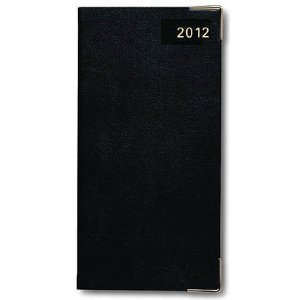
Letts covers range from understated business styles to colorful, patterned, and fashion-forward designs. Some models use smooth faux leather, textured finishes, premium leather, or printed covers. This gives the brand a broad audience. One buyer may want a black executive diary that looks sharp in a meeting. Another may want florals, stripes, botanicals, or cheerful patterns that make Monday slightly less Monday-ish.
4. Appointment-Friendly Pages
Many Letts diaries include appointment sections or timed layouts, which are useful for professionals, freelancers, therapists, consultants, teachers, managers, and anyone whose day is divided into blocks. A timed page can reduce the mental fog of “I know I had something at 2 p.m.” It also helps you avoid scheduling lunch, a client call, and a school pickup in the same 30-minute window, unless your superpower is chaos.
5. Hybrid Paper-and-App Planning
Select Letts diaries support a reminder app with QR code technology. The idea is to combine the tactile pleasure of writing in a diary with the practical benefit of phone notifications. For people who love paper but still need digital nudges, this hybrid approach is especially useful. It keeps the diary as the planning hub while letting your phone do what phones do best: interrupt you at exactly the right moment.
Who Should Use a Letts of London Diary?
A Letts of London diary is a strong choice for professionals who want a polished planner, students who prefer academic-year organization, writers who like paper notes, and anyone who feels overwhelmed by digital tools. It is also a good fit for people who enjoy stationery as part of their daily routine. If choosing a pen brings you joy, a Letts diary will probably understand you emotionally.
For business users, the diary can serve as a daily command center. Meetings, calls, project deadlines, travel plans, and follow-ups can live in one place. For students, it can track assignments, exam dates, reading schedules, club meetings, and the occasional reminder to sleep. For home users, it can organize grocery runs, appointments, birthdays, budget notes, cleaning routines, and family schedules.
It is not the best option for someone who wants fully automated scheduling, instant team collaboration, or a searchable archive of every task ever created. A paper diary is intentionally slower. That is part of the benefit. It asks you to pause before committing your time.
How to Choose the Best Letts Diary for Your Needs
Choose Week-to-View for Big-Picture Planning
A week-to-view Letts diary lets you see several days at once. This layout is perfect if your schedule is moderately busy and you want to balance work, errands, exercise, and personal plans. It is also great for people who plan in themes: Monday for admin, Tuesday for meetings, Wednesday for deep work, Thursday for follow-ups, and Friday for wondering where the week went.
Choose Day-Per-Page for Detail
If your days are packed with appointments, calls, tasks, and notes, a day-per-page diary offers more room. This format is helpful for executives, healthcare professionals, teachers, service providers, and anyone who likes writing more than three words per event. It can also double as a light journal because there is space to record what happened, not just what was supposed to happen.
Choose Academic Diaries for School-Year Planning
Academic diaries usually run from summer to the following summer, making them ideal for students, educators, and parents tracking school schedules. They help bridge the awkward planning gap between calendar years and academic years. Because nobody wants to buy a January planner when the real emotional new year starts with fresh notebooks and a suspiciously expensive backpack.
Choose Pocket Sizes for Portability
A compact Letts diary is easy to carry and quick to use. It is best for short appointments, birthdays, travel notes, and reminders. The trade-off is writing space. If your handwriting is large or your task lists reproduce like rabbits, go bigger.
Choose Premium Covers for Professional Use
If your diary will appear in meetings, client sessions, interviews, or formal settings, a classic black, navy, burgundy, or leather-style cover may be the best choice. It creates a refined impression without shouting, “Look at my planner; it has its own personality.”
Letts of London Diary vs. Digital Calendar
The fairest answer is not either-or. Most people benefit from both. A digital calendar is excellent for shared events, alerts, recurring reminders, and travel syncing. A Letts diary is better for reflective planning, visual scheduling, handwritten notes, and intentional prioritization.
Use your digital calendar for hard appointments: flights, meetings, medical visits, deadlines, and anything involving another human being who expects you to arrive on time. Use your Letts diary for planning the shape of the day: top priorities, errands, notes, habits, goals, and follow-up tasks. This combination gives you the convenience of technology and the clarity of paper.
Think of the digital calendar as the alarm system and the diary as the steering wheel. One gets your attention. The other helps you decide where you are going.
Practical Ways to Use a Letts Diary
Start With a Weekly Reset
Set aside 15 minutes at the beginning or end of each week. Add appointments, deadlines, meal plans, workouts, calls, errands, and personal commitments. Then choose three main priorities for the week. Not 27. Three. Your diary is a planner, not a hostage negotiator.
Use Symbols for Fast Scanning
Create a simple code. A square can mean task, a circle can mean appointment, a star can mean priority, and an arrow can mean moved forward. Keep it simple enough that you do not need a second planner to decode the first planner.
Review Yesterday Before Planning Today
Each morning, look at the previous day. Move unfinished tasks, cancel what no longer matters, and notice patterns. If one task has moved five times, it is either important and scary, or not important at all. Your diary will not judge you, but it will quietly keep the evidence.
Leave White Space
Do not fill every line. Real life needs margins. Traffic happens. Emails explode. A simple errand becomes a side quest. White space in a diary is not wasted space; it is oxygen.
Pair Planning With Reflection
At the end of the day, write one sentence about what worked. This turns your diary from a schedule into a learning tool. Over time, you will see when you are most productive, which tasks drain you, and what kind of planning actually fits your life.
Pros and Cons of a Letts of London Diary
Pros
Letts diaries offer heritage appeal, attractive designs, multiple formats, practical layouts, and a tactile writing experience. They are especially useful for people who think better on paper and want a planner that looks polished enough for professional settings. The range of sizes and styles means buyers can choose something highly personal instead of settling for a one-size-fits-all planner.
Cons
A paper diary is not searchable, shareable, or automatically backed up. If you leave it at home, your schedule may enjoy a private vacation. Some users may also find dated planners limiting if they skip weeks or prefer flexible bullet journaling. And while app-connected features help bridge the gap, a Letts diary remains primarily an analog tool.
Is a Letts of London Diary Worth It?
Yes, if you value paper planning, attractive stationery, and a structured way to manage your time. A Letts of London diary is especially worth considering if you want a planner that feels more refined than a generic office calendar but still works hard every day. It is not just decorative. The layouts, sizes, and appointment-friendly formats make it genuinely practical.
The best reason to buy one is not nostalgia. It is usefulness. A good diary reduces friction. It gives you a place to capture tasks before they float away. It helps you see your week before your week tackles you in the hallway. It can make planning feel less like a chore and more like a small daily ritual.
Experiences With the Letts of London Diary
Using a Letts of London diary feels different from opening a blank notebook or tapping around in a calendar app. The structure is already there, which is helpful if you like guidance but do not want to design an entire planning system from scratch. You open to the date, write what matters, and move on with your life. There is something wonderfully civilized about that.
One of the best experiences is the weekly overview. With a week-to-view Letts diary, you can see the rhythm of your schedule quickly. A heavy Monday and Tuesday may tell you not to overload Wednesday. A blank Thursday afternoon may become the perfect time for deep work, errands, or finally making the phone call you have been avoiding since the previous administration. The page becomes a map, and the map makes decision-making easier.
The physical act of writing also changes how planning feels. Typing a task into an app can be so fast that it barely registers. Writing it by hand asks for a tiny commitment. You have to form the words. You have to choose where they go. You have to face the truth that “organize office” is not a task; it is a lifestyle crisis. That slower pace can be useful because it encourages you to break vague intentions into real actions.
A Letts diary is also satisfying for record-keeping. Months later, you can flip back and see what your life actually looked like. Not just the big events, but the ordinary details: the week you had three deadlines, the day you started a new habit, the appointment you nearly forgot, the birthday dinner, the note about a book recommendation, the tiny reminder to buy batteries. Digital calendars can store information, but paper diaries preserve texture. They show the crossed-out plans, arrows, messy handwriting, and little victories.
For work, the experience can be surprisingly calming. Instead of bouncing between tabs, you can keep the diary open beside your computer. Calls, follow-ups, and deadlines go onto the page. At the end of the day, you can review what was completed and what needs to move. This makes the diary a practical desk companion, not just a stylish accessory.
For personal life, the Letts diary works well as a gentle accountability tool. You can track exercise, meals, reading, spending, chores, family plans, or mood notes without turning everything into a spreadsheet. A few handwritten words are often enough. The goal is not to create a museum-quality archive of your productivity. The goal is to make tomorrow easier.
The biggest lesson from using a Letts of London diary is that planning does not need to be complicated. The best system is the one you actually return to. If a diary feels good to hold, looks good on your desk, has enough room for your schedule, and makes you want to write things down, it has already done half the job. The other half is showing up, opening the page, and giving your day a plan before the day starts making demands.
Conclusion
The Letts of London diary stands out because it blends history, design, and everyday usefulness. It carries the charm of a traditional paper planner while offering formats that suit modern schedules, from compact pocket diaries to spacious appointment pages. Whether you are a professional managing meetings, a student organizing assignments, or a stationery lover who believes a good pen can improve morale by at least 37 percent, Letts offers a diary that can make planning feel intentional again.
In a noisy digital world, the simple act of writing in a diary can feel refreshingly human. A Letts of London diary will not answer your emails, clean your kitchen, or make Monday shorter. But it can help you see your time clearly, remember what matters, and build a planning habit that is both practical and pleasing. Sometimes, that is exactly the kind of quiet productivity upgrade we need.