Tattoos are supposed to be personal. They are tiny museums on your skin, permanent souvenirs from a feeling, a person, a place, a joke, a heartbreak, a rebirth, or that one Tuesday when you decided your ankle needed a moon. And honestly? Beautiful. Body art can be bold, meaningful, funny, elegant, spiritual, rebellious, sentimental, or all of the above before lunch.
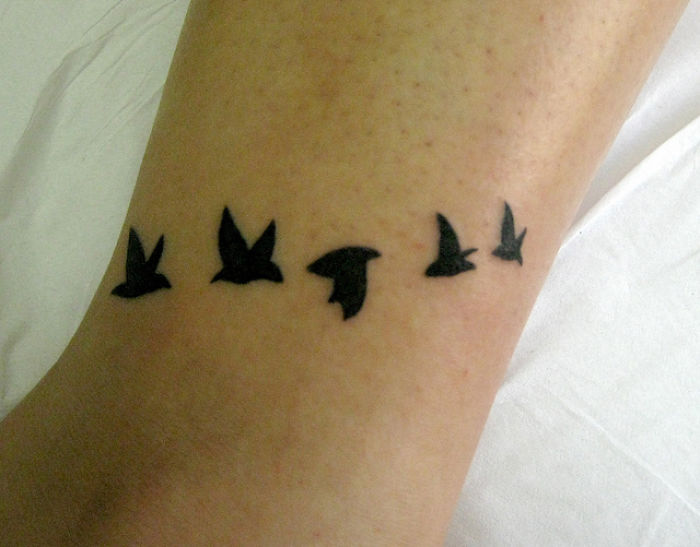
But let’s be brave enough to say the quiet part out loud: some tattoos have become so overdone that they now feel less like self-expression and more like selecting “default avatar.” A tattoo can still be technically well done and emotionally sincere while also being painfully predictable. That does not mean anyone should feel ashamed of their ink. It means the next wave of tattoo lovers deserves better ideas than another feather exploding into birds across a shoulder blade.
Today, tattoos are mainstream. They show up in offices, weddings, gyms, school pickup lines, and yes, even family Thanksgiving photos where someone’s aunt whispers, “Is that permanent?” Society is far more accepting of tattoos than it used to be, but that also means the bar for originality is higher. When everyone is inked, the most memorable tattoos are no longer the ones that simply exist. They are the ones that say something specific.
This guide is not a tattoo-police ticket. Nobody is confiscating your infinity symbol. Instead, think of it as a friendly style intervention with a little humor, a little tough love, and a lot of practical advice. If you are planning new ink, here are the cliché tattoos people should stop gettingor at least rethink until they become personal enough to survive the trend cycle.
What Makes a Tattoo Cliché?
A cliché tattoo is not automatically a bad tattoo. It becomes cliché when the design is so common, vague, or copy-pasted that it could belong to almost anyone. The issue is not the subject itself. Roses, skulls, butterflies, hearts, snakes, stars, and script can all be incredible when designed with intention. The problem begins when the tattoo has no personal twist, no artistic commitment, and no reason to exist beyond, “I saw it online and it looked cute.”
In tattoo culture, originality matters because permanence raises the stakes. A shirt can be trendy for a season. A tattoo needs to survive bad lighting, changing fashion, aging skin, new relationships, different jobs, and the version of you who will exist ten years from now. That future version may still love the tattooor may stare at it in the mirror and wonder why 2026 You let Pinterest hold the steering wheel.
1. Infinity Symbols With Names, Dates, or Tiny Birds
The infinity symbol had a strong run. It was simple, meaningful, easy to place, and perfect for people who wanted a tattoo that whispered instead of shouted. Then everyone got one. Add a name, a date, a heartbeat line, or three tiny birds flying away, and suddenly the design starts to feel less like eternal devotion and more like a template from a mall kiosk.
How to Make It Better
If the idea is everlasting love, memory, or connection, consider a symbol that comes from your actual life. A family recipe written in a loved one’s handwriting, a small object tied to a shared memory, a custom line drawing, or a meaningful pattern can express “forever” without using the literal symbol for forever. Subtlety often hits harder than spelling out the concept.
2. “Live, Laugh, Love” and Other Wall-Decal Quotes
Quote tattoos can be powerful. A sentence can carry a person through grief, recovery, growth, or major change. But some phrases have been printed on so many throw pillows that they have lost their emotional electricity. “Live, Laugh, Love,” “Only God Can Judge Me,” “Dream Big,” “No Regrets,” and “Everything Happens for a Reason” can feel less like a personal philosophy and more like a waiting room poster with commitment issues.
The funniest part is that “No Regrets” is practically begging the universe to test your confidence. It is the tattoo equivalent of saying, “What could possibly go wrong?” five minutes before the movie monster appears.
How to Make It Better
Choose words that sound like you, not like a decorative sign above a farmhouse sink. Use a line from a letter, a phrase a grandparent used to say, a lyric that changed your life, or a private motto you have actually lived. Also, check spelling. Then check it again. Then ask someone else. Permanent typos are a very expensive way to learn humility.
3. Partner Names Before the Relationship Has Been Through a Utility Bill
Name tattoos are among the most emotionally risky tattoos, especially romantic ones. Love can be real and still not be permanent. People change, relationships end, and sometimes the person whose name is on your ribs becomes the person you avoid at Target by pretending to study cereal.
This does not mean love tattoos are forbidden. Wedding dates, matching symbols, coordinates, shared memories, or abstract designs can be meaningful. But tattooing someone’s name early in a relationship is a high-stakes move, and the skin rarely gets a vote.
How to Make It Better
If you want a couple’s tattoo, choose imagery that remains meaningful even if life changes. A place, a flower, a shared animal, a tiny inside joke, or complementary designs can honor the relationship without turning your forearm into a legal document. If the tattoo only works while the relationship works, pause.
4. Copy-and-Paste Pinterest Tattoos
Pinterest is wonderful for inspiration. It is less wonderful as a direct tattoo menu. The same delicate moon, same tiny wave, same micro heart, same minimalist mountain range, and same fine-line butterfly have traveled across the internet so many times they deserve frequent flyer miles.
The trouble with copy-and-paste tattoos is not that they are ugly. Many are pretty. The issue is that they often lack connection to the wearer. A tattoo should not feel like it was downloaded from a shared folder labeled “Soft Girl Aesthetic Final Final 3.”
How to Make It Better
Bring references to your tattoo artist, but ask for a custom interpretation. A good artist can take your mood board and turn it into something that fits your body, your story, and their artistic strengths. The goal is inspiration, not duplication.
5. Tiny Finger Tattoos That Look Great for Seven Minutes
Finger tattoos are undeniably cool. They are also notoriously tricky. Hands move constantly, shed skin quickly, and get washed all day. Tiny finger designs can fade, blur, or disappear unevenly. A delicate symbol may start as chic minimalist ink and eventually become a mysterious smudge that looks like your pen exploded during a meeting.
This is especially true for fine-line finger tattoos. They photograph beautifully when fresh, but long-term healing can be unpredictable. If you love the lived-in, imperfect look, fine. If you expect crisp detail forever, your fingers may have other plans.
How to Make It Better
Ask your artist what will realistically age well on hands. Consider bolder lines, simpler shapes, or a placement with better longevity. A tattoo that still looks good in five years beats one that wins Instagram for a weekend.
6. Generic Lions, Wolves, and Tigers With No Story
Animal tattoos can be stunning. A well-designed tiger, wolf, eagle, snake, bear, or lion can carry power, ancestry, protection, or personal symbolism. But the hyper-common “lion with blue eyes representing strength” has become the gym bro motivational poster of tattoos. Strong? Sure. Original? Not exactly.
If your tattoo explanation is simply “because I’m a beast,” it might be time to workshop the concept. You are probably more interesting than a stock image lion roaring into smoke.
How to Make It Better
Connect the animal to a real story. Maybe it relates to your heritage, a childhood memory, a place you love, a myth, a pet, or a personal transformation. Style matters too. Traditional, blackwork, illustrative, Japanese-inspired, neo-traditional, or surreal designs can make familiar animals feel fresh.
7. Roman Numerals for Dates Nobody Can Read Without a Calculator
Roman numeral tattoos can look elegant, especially in clean typography. But they became so popular for birthdays, anniversaries, and mysterious “important dates” that the format now feels predictable. Also, let’s be honest: most people cannot read them quickly. Half the time, the tattoo invites a conversation that turns into mental math with eye contact.
The bigger issue is that a date alone may not carry enough visual personality. If the event matters deeply, the tattoo can probably say more than “MMXIX.”
How to Make It Better
Pair a meaningful date with a symbol, place, object, or image that captures what happened. A birth flower, map detail, tiny architectural element, sound wave, constellation from that night, or handwriting can bring warmth to the memory.
8. Dreamcatchers and Feathers Without Cultural Context
Dreamcatcher and feather tattoos became extremely popular because they look delicate, spiritual, and decorative. But they can also drift into cultural appropriation when worn without understanding or connection. Designs connected to Indigenous cultures deserve respect, not casual use because they match a boho outfit.
This does not mean nobody can ever use culturally rooted imagery. It means people should slow down, research, and avoid turning meaningful symbols into accessories. A tattoo should not borrow depth from a culture while skipping the responsibility that comes with it.
How to Make It Better
If you want a tattoo about protection, dreams, ancestry, or spirituality, work with imagery that belongs to your own story or collaborate thoughtfully with an artist who understands the tradition. Respect makes better art.
9. Barcodes, QR Codes, and Tech Gimmicks
Barcode tattoos once felt futuristic and edgy. Now they often feel like a rejected album cover from 2004. QR code tattoos can be funny or clever, but they come with a practical problem: skin moves, ink spreads, and technology changes. A scannable tattoo may not stay scannable, which turns the whole concept into a decorative square of broken ambition.
There is also the question of what the code links to. A joke website? A song? A memorial page? Your Venmo? Bold choices, friend.
How to Make It Better
If you like tech-inspired body art, consider abstract circuitry, cyber-style ornamentation, pixel art, or futuristic blackwork designed for the body instead of relying on a code that may fail. Make the tattoo visually strong even when nobody scans it.
10. Matching Tattoos Done on Impulse
Matching tattoos can be beautiful when they celebrate friendship, siblings, family, survival, or shared history. They can also be chaotic when decided during a vacation, after three margaritas, or during a group chat where everyone was feeling unusually poetic.
The danger is that matching tattoos often prioritize the group moment over individual taste. One person wants a tiny sun, another wants a dagger, someone else wants SpongeBob holding a rose, and suddenly everyone compromises on something nobody fully loves.
How to Make It Better
Choose a shared theme, not necessarily identical designs. Each person can get a custom version that suits their style. Matching does not have to mean cloning. Friendship deserves better than accidental branding.
11. Coordinates With No Visual Personality
Coordinate tattoos are meaningful in theory. They mark a birthplace, proposal spot, travel memory, childhood home, or major turning point. But visually, coordinates can look cold and generic, like a receipt for an emotional purchase.
They also require accuracy. One wrong digit and your deeply meaningful tattoo may point to a parking lot, a lake, or someone’s suspiciously ordinary backyard.
How to Make It Better
Use coordinates as part of a richer design. Add a tiny map line, local flower, skyline, wave, mountain contour, or architectural detail. Let the place become visible, not just mathematical.
12. Trendy Micro Tattoos With Too Much Detail
Micro tattoos are having a major moment. Tiny florals, delicate script, mini portraits, small celestial designs, and fine-line symbols can be gorgeous. But some ideas are too detailed for the size. What looks crisp in a fresh close-up may blur over time as ink naturally settles in the skin.
This is where expectations matter. A tiny tattoo is not a shrink-ray version of a full illustration. Skin is not paper. It bends, heals, stretches, tans, scars, and ages. Respect the canvas.
How to Make It Better
Ask your artist what size the design needs to be to age well. If you want detail, give it room. If you want tiny, simplify. Good tattoos are designed for healed skin, not just fresh photos.
13. Face, Neck, and Hand Tattoos as a First Tattoo
Visible tattoos can be stylish, powerful, and completely right for some people. But as a first tattoo, the face, neck, and hands are high-commitment placements. They are difficult to hide, more exposed to sunlight, and can carry professional or social consequences depending on your field and community.
The cliché here is not the placement itself. It is the “I want my first tattoo to be impossible to ignore” impulse. Confidence is great. Strategy is better.
How to Make It Better
Build a relationship with tattoos first. Learn how you heal, what styles you like long term, and how visible ink affects your daily life. There is no shame in saving prime real estate until you know exactly what deserves it.
How to Choose a Tattoo That Will Not Feel Cliché Later
The easiest way to avoid a cliché tattoo is to add specificity. A generic rose becomes personal when it is your grandmother’s favorite variety. A quote becomes stronger when it comes from a real letter. A travel tattoo becomes more memorable when it includes the shape of the street where you got lost and found the best noodles of your life.
Before booking, ask yourself three questions: Would I still want this if nobody saw it? Can I explain why it matters without using only aesthetic words? Has this idea survived longer than my current haircut? If the answer is yes, you are probably heading in a better direction.
Also, choose the right artist. Do not ask a realism artist for tiny ornamental script if their portfolio is full of giant black-and-gray wolves. Do not ask a fine-line specialist for a traditional eagle the size of a dinner plate unless they actually do that work well. A tattoo is a collaboration, and the artist’s strengths matter as much as your idea.
Safety, Regret, and the Reality of Removal
It is easy to joke about cliché tattoos, but tattoo regret is real. Removal is possible, but it is not magic. Laser removal often requires multiple sessions, time for healing, and patience. Results can vary depending on ink color, depth, age of the tattoo, skin type, and the technology used. Some tattoos fade dramatically; others leave shadows, texture, or stubborn pigment.
There are also health considerations. Tattoos involve breaking the skin, so clean equipment, professional licensing, sterile practices, and aftercare matter. Reputable medical sources warn that tattoos can carry risks such as infection, allergic reactions, inflammation, scarring, and complications from contaminated ink or unsafe tools. Translation: the cheapest tattoo is not always a bargain. Sometimes it is just a future dermatologist appointment wearing a disguise.
Always research the studio, review healed work, ask about sterilization, follow aftercare instructions, and avoid tattooing over irritated or unhealthy skin. A great tattoo starts before the needle touches you.
Personal Experiences and Real-Life Lessons About Cliché Tattoos
Anyone who has spent enough time around tattoo shops, tattooed friends, or late-night “should I get this?” conversations has seen the same pattern. The tattoos people regret most are rarely the weird ones with a good story. They are the rushed ones, the copied ones, the relationship ones, the trend ones, and the ones chosen because they seemed safe.
One common experience is the first-tattoo panic choice. A person wants ink but does not know what they want, so they pick something small and popular: a tiny heart, a word on the wrist, a moon behind the ear, a feather on the ankle. There is nothing wrong with small. The problem is choosing “small” as a substitute for “meaningful.” Years later, the tattoo may not be hated, exactly, but it may feel like an old username from middle school. Technically yours, emotionally confusing.
Another familiar story is the vacation tattoo. Vacation brain is bold. Vacation brain believes a matching palm tree with three people you met yesterday is a sacred life chapter. Sometimes it is! Sometimes it is a souvenir from a weekend when sunscreen and judgment were both applied unevenly. The best travel tattoos usually come from a memory that keeps mattering after you unpack, not from the adrenaline of being somewhere new.
Then there is the breakup cover-up saga. Many tattoo artists have met someone who walks in with an ex’s name and the haunted expression of a person ready to become “really into panthers.” Cover-ups can be amazing, but they are limited by the old tattoo’s size, darkness, location, and shape. A small script name may become flowers, smoke, a dagger, or a bold traditional piece. But the easiest cover-up is the one you never need. Romantic tattoos should be designed with emotional intelligence, not just emotional volume.
People also learn that placement changes everything. A design that looks elegant on a flat screen may not work on a curved rib, moving wrist, or tiny finger. Some tattoos age beautifully because they were given enough space. Others blur because the design was too detailed, too small, or placed where skin works hard every day. A good artist will explain these limits. A great client will listen, even when the answer ruins the tiny tattoo fantasy.
The most satisfying tattoo experiences usually have a few things in common. The person waited long enough to know the idea stuck. They chose an artist whose healed work matched the style. They allowed the artist to customize the design. They thought about aging, placement, size, and lifestyle. Most importantly, they were not trying to impress the internet. They were making a choice for themselves.
That is the real secret. A tattoo does not become timeless because it avoids every trend. It becomes timeless because it belongs to the person wearing it. A rose can be cliché or unforgettable. A skull can be basic or brilliant. A butterfly can be predictable or deeply moving. The difference is intention, execution, and honesty.
Conclusion: Get the Tattoo, Just Do Not Let the Internet Choose It for You
Cliché tattoos are not a moral failure. They are a reminder that permanent choices deserve more imagination than temporary trends. If you already have one of these designs and love it, keep loving it. Confidence is the best aftercare. But if you are planning your next tattoo, pause before choosing the design everyone else has already worn out.
The best tattoos are not always the loudest, biggest, or most complicated. They are the ones that feel specific. They reflect a real memory, belief, person, place, transformation, or artistic taste. They work with your body instead of fighting it. They age with you instead of trapping you inside one internet trend.
So yes, stop getting cliché tattoosunless you can make the cliché yours. Give the lion a story. Give the quote a real voice. Give the tiny symbol a reason to exist. Your skin is valuable space. Do not decorate it like a clearance aisle. Curate it like a gallery.