Lovebirds are tiny, charming, and fully qualified to run a household with one tilted head and a single judgmental chirp. They are also experts at hiding illness. That is part of what makes them adorable and part of what makes them tricky. A lovebird can look “mostly fine” right up until it absolutely does not. For owners, that means the difference between “my bird is just having a weird day” and “my bird needs help now” often comes down to spotting subtle changes early.
If you live with lovebirds, the goal is not to become an amateur avian detective with a magnifying glass and a dramatic soundtrack. The goal is simpler: know what your bird looks and acts like when healthy, then notice what changes. In most cases, illness signs in lovebirds do not arrive with fireworks. They show up as a quieter morning, a puffier body, a messier vent, a different perch choice, or a food dish that suddenly stays too full.
This guide breaks the process into three practical ways to spot signs of illness in lovebirds. It is built around what owners can actually observe at home: behavior, body appearance, and droppings and breathing. Think of it as a bird-health reality check with fewer panic spirals and more useful clues.
Why Lovebird Illness Can Be Easy to Miss
Lovebirds are parrots, and parrots are prey animals. In the wild, advertising weakness is not exactly a winning survival strategy. So pet birds often hide signs of illness until they are already fairly sick. That is why early detection matters so much. You are not waiting for your lovebird to send a formal memo. You are watching for small shifts in normal routines.
A healthy lovebird usually has bright eyes, clean nostrils, smooth breathing, tidy feathers, a strong grip on the perch, regular vocalizing, and consistent droppings. The bird is interested in food, alert to movement, and generally ready to supervise your life whether you asked for that service or not. Once you know your bird’s baseline, unusual patterns become easier to spot.
1. Watch for Changes in Behavior, Energy, and Appetite
The first and often most important clue is behavior. Lovebirds do not need to deliver a dramatic medical speech to tell you something is wrong. Sometimes the earliest sign of illness is simply that your normally curious bird becomes quiet, sleepy, or less engaged.
Behavior Changes That Matter
Pay attention when your lovebird starts sleeping more than usual, keeps its eyes half-closed during the day, stops chattering, or seems less interested in people, toys, or cage activity. A bird that normally rushes to inspect breakfast but suddenly ignores food is waving a very small but very serious red flag. The same goes for a lovebird that perches low, sits on the cage bottom, or seems reluctant to move.
Loss of appetite is especially important. Birds have fast metabolisms, and not eating can become dangerous quickly. Some owners assume a bird is “just picky today,” but a lovebird that eats less, drops weight, or starts picking at food without really consuming it may be dealing with illness, pain, stress, infection, or another underlying problem.
Subtle Routine Disruptions
Sometimes illness shows up as tiny routine changes. Maybe your lovebird still eats, but takes longer. Maybe it drinks much more or less than normal. Maybe it becomes irritable when touched, suddenly stops climbing, or no longer flies to its favorite perch. A formerly social bird may become withdrawn. A bird that is usually opinionated enough to critique your laundry choices may go oddly silent.
These changes do not always mean severe disease, but they do mean “pay close attention.” One weird afternoon is not always a crisis. A pattern over several hours or a full day, especially when paired with physical changes, deserves immediate attention.
A Practical Example
Imagine a lovebird named Kiwi who usually announces sunrise like it is a personal achievement. One morning, Kiwi stays fluffed on the perch, ignores fresh vegetables, and dozes through the usual household noise. Nothing looks dramatic, but everything feels a little off. That “off” feeling matters. In birds, reduced activity and reduced appetite are not throwaway symptoms. They are often the first visible signs that something is wrong.
2. Check Feathers, Posture, Eyes, Nostrils, and Overall Appearance
Lovebirds are small, but they say a lot with body language. Their feathers, posture, face, and stance can offer valuable clues before more obvious symptoms appear. If your bird looks different, assume it is worth investigating.
Feathers Tell a Story
A healthy lovebird’s feathers usually look clean, smooth, and well-kept. Sick birds often appear fluffed up for long periods, especially when they are not resting. This is one of the classic warning signs. A fluffed bird is not always sick, but a bird that stays puffed, ruffled, or unkempt for hours should not be brushed off as “cute and sleepy.”
Dull plumage, staining around the vent, messy feathers, or a general “rough” appearance can also point to trouble. Feather damage may happen with stress, poor diet, infection, or chronic disease. If your lovebird is picking feathers, that can be behavioral, medical, or both. Either way, it is worth taking seriously rather than calling it a quirky habit.
Posture and Body Position
Posture is another big clue. A healthy lovebird usually stands balanced and alert. A sick lovebird may hunch, droop its wings, sit low on the perch, or spend unusual time on the cage floor. Some birds grip the perch weakly or seem unsteady. Others look heavier because they are puffed up, not because they suddenly gained weight in a single dramatic seed-fueled evening.
Also notice how the bird holds its head and body. Weakness, imbalance, or a bird that seems reluctant to climb or fly can signal illness or pain. If your lovebird looks tired in a way that feels unusual, trust that observation.
Eyes, Nostrils, Beak, and Face
Healthy eyes should look bright and clear. Watch for squinting, swelling, redness, crusting, or discharge. Nostrils should be clean, not wet, blocked, or crusty. A face that looks damp, sticky, or stained may point to respiratory or eye trouble. Repeated sneezing, frequent rubbing of the beak, or unusual head shaking can also be signs that something is irritating the airways or sinuses.
The beak matters too. Changes in symmetry, difficulty closing the beak, or food smearing abnormally around the mouth can all suggest a problem. In short, if your bird starts looking less polished and more like it pulled an all-nighter in a wind tunnel, pay attention.
3. Monitor Droppings, Breathing, and Other Bathroom Clues
If there were a trophy for “least glamorous but most useful health clue,” bird droppings would win by a landslide. Lovebird owners should get comfortable noticing what is normal because changes in droppings often show up early in illness.
What Normal Droppings Look Like
Normal lovebird droppings are generally consistent in color, texture, and frequency for that specific bird and diet. They usually contain three parts: feces, white urates, and urine. Fresh vegetables can affect color and water intake can affect wetness, so normal has a little wiggle room. The key is consistency over time.
Dropping Changes That Should Not Be Ignored
Watch for diarrhea, unusually watery droppings, green feces, blood, undigested food, a major drop in output, or obvious straining. Any sudden change that lasts more than a short period deserves attention, especially if it appears alongside lethargy, appetite loss, or fluffed feathers.
Owners sometimes assume a messy cage means “enthusiasm” or “vegetable day,” and sometimes that is true. But persistent changes in droppings can be one of the clearest at-home signs of digestive illness, infection, stress, toxin exposure, or other disease. The glamorous life of bird ownership includes inspecting poop with more seriousness than you ever expected. Welcome.
Breathing Signs That Require Fast Action
Breathing problems are especially urgent. Healthy lovebirds breathe quietly and without obvious effort. Red flags include tail bobbing with each breath, open-mouth breathing, wheezing, clicking, coughing, voice changes, nasal discharge, and visible effort to inhale or exhale.
Some birds with respiratory illness also sit still with eyes closed, fail to perch normally, or hold their bodies in a tense, upright position. If your lovebird looks like breathing has become a chore, that is not a wait-and-see situation. Birds can decline quickly once respiratory distress becomes visible.
When a Lovebird Needs a Veterinarian Right Away
Call an avian veterinarian promptly if your lovebird is not eating, is severely lethargic, is breathing with effort, has discharge from the eyes or nose, is bleeding, is vomiting repeatedly, has major droppings changes, shows weakness, loses balance, or is sitting on the cage floor. Also seek help fast if you suspect toxin exposure, such as overheated nonstick cookware fumes, heavy metal ingestion, or contact with unsafe foods or household chemicals.
Bird owners sometimes worry that travel to the clinic will stress the bird. That concern is understandable, but delaying care is often riskier. With birds, the visible phase of illness may arrive late. Early veterinary attention can make an enormous difference.
Common Mistakes Owners Make When Watching for Illness
One common mistake is assuming a bird is fine because it still chirps a little or eats a few bites. Birds can do both and still be sick. Another mistake is waiting for a huge symptom, like collapse or obvious breathing distress, before calling for help. By then, the illness may already be advanced.
A third mistake is focusing on only one clue. Bird health is about patterns. A single sleepy afternoon may mean nothing. Sleepiness plus fluffed feathers plus poor appetite plus watery droppings is a completely different story. Context matters.
It also helps to keep a simple baseline: how much your bird usually eats, how active it is, what its droppings usually look like, and how it normally sounds. Owners who know their bird’s routine are much more likely to catch illness early.
How to Reduce the Risk of Illness in Lovebirds
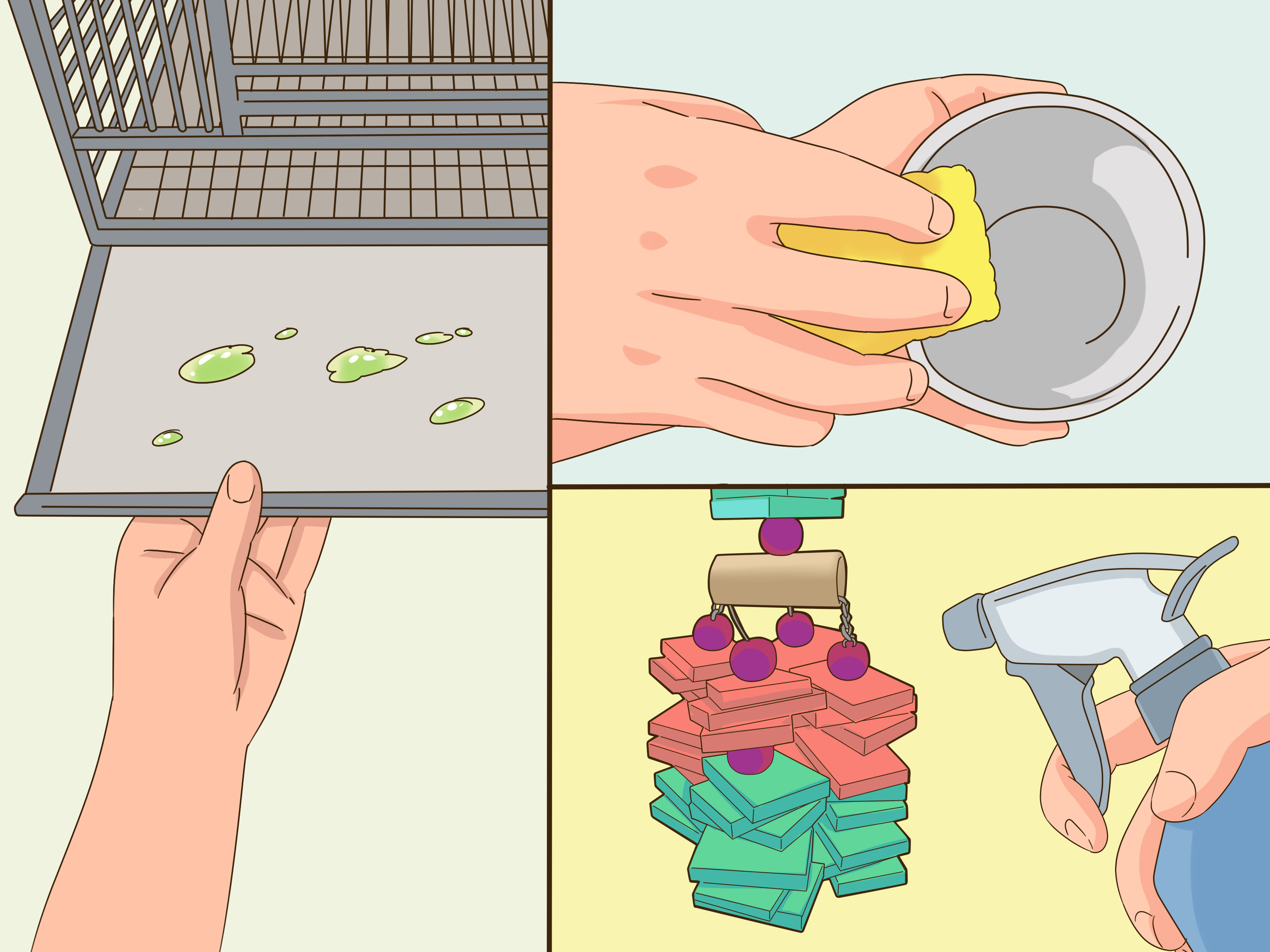
You cannot prevent every health issue, but you can make illness easier to detect and less likely to spiral. Offer a balanced diet, fresh water, a clean cage, safe perches, and regular cleaning. Avoid airborne toxins, especially fumes from overheated nonstick cookware. Schedule routine avian veterinary care and quarantine new birds before introducing them to existing pets.
Good observation is part of prevention. A lovebird does not need a luxury spa package. It needs a safe environment and an owner who notices when normal changes. That is often the earliest and most effective form of care.
The Bottom Line
The three best ways to spot signs of illness in lovebirds are surprisingly simple: watch behavior and appetite, inspect body condition and posture, and monitor droppings and breathing. The challenge is not memorizing a giant medical textbook. The challenge is respecting small changes before they become big ones.
Lovebirds are lively little companions with outsized personalities, and that charm can sometimes fool owners into thinking everything is fine. But when a bird goes quiet, fluffs up, stops eating, looks messy, breathes harder, or produces abnormal droppings, it is time to take that message seriously. In bird care, “subtle” does not mean “unimportant.” It often means “early.”
Extra Experience-Based Insights: What Owners Often Notice First
In real life, owners rarely announce, “Ah yes, I have identified an early-stage avian clinical pattern.” Usually it starts with a gut feeling. Something feels off. The room is quieter. The bird does not race over to inspect breakfast. The usual preening session turns into sitting still with feathers puffed. That first impression matters more than many people realize.
Many lovebird owners describe the earliest sign of illness as a change in attitude before a change in appearance. Their bird is still perched, still awake, still technically doing bird things, but the spark is lower. A lovebird that usually argues with the vacuum cleaner might suddenly ignore it. A bird that normally leans into interaction may turn away. Those little behavior shifts are often the moment people later look back on and think, “That was the beginning.”
Another common experience is mistaking puffed feathers for comfort. Owners often see a fluffed bird and think it looks cozy, especially in the morning. The difference is duration and context. A healthy bird may puff briefly while resting or preening. A bird that stays puffed for long stretches, especially while quiet and inactive, is sending a different message. A lot of owners say the turning point came when they realized their bird was not relaxing. It was conserving energy.
Droppings are another area where experience changes everything. At first, many owners do not pay much attention to them. Then they learn that the papers at the bottom of the cage are basically a daily report card. People often say they noticed illness sooner once they stopped thinking of droppings as random mess and started treating them as useful information. When a lovebird’s output becomes consistently wetter, greener, smaller, or more irregular, that clue can be incredibly important.
Owners also learn that appetite changes are not always dramatic. Sometimes a lovebird still visits the food bowl but eats less. Sometimes it nibbles and drops more than it swallows. Sometimes the favorite treat goes untouched, and that is the real giveaway. Experienced bird owners often say that when a bird ignores a beloved snack, their internal alarm goes off immediately.
One of the most valuable lessons people share is to trust patterns, not isolated excuses. Maybe the bird is sleepy because it stayed up late. Maybe the droppings changed because it ate more greens. Maybe it is quieter because the house is busy. Any one explanation can sound reasonable. But when the signs stack up, owners who act early tend to feel grateful later. The ones who wait often say they wish they had trusted their instincts sooner.
That does not mean panicking over every odd moment. It means getting familiar enough with your lovebird that “normal” becomes easy to recognize. Once you know your bird’s rhythm, the off-beat moments stand out fast. And that is really the heart of bird care: not perfection, not paranoia, just steady observation. Lovebirds are small, but they are not silent about their health. They whisper first. Good owners learn to listen before those whispers turn into emergencies.
Note: This article is for informational purposes and should not replace care from a qualified avian veterinarian. If your lovebird shows breathing difficulty, severe lethargy, stops eating, or seems suddenly weak, seek veterinary care as soon as possible.