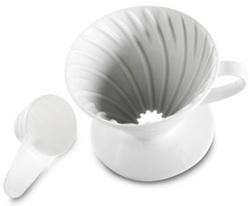
A ceramic coffee dripper looks simple enough: a cone, a few ridges, a hole or three, and a promise that your morning will become less chaotic after one civilized pour. But behind that humble little brewer is a surprisingly serious world of water temperature, grind size, filter shape, extraction time, heat retention, and yes, the emotional drama of waiting for the last few drops to fall into your mug.
If you love clean, aromatic, café-style pour-over coffee at home, a ceramic coffee dripper is one of the best tools you can own. It does not beep, blink, require an app, or judge you for wearing pajamas at noon. It simply lets hot water meet fresh coffee grounds in a controlled way, producing a cup that can be bright, sweet, balanced, delicate, or bold depending on how you brew.
This guide explains what a ceramic coffee dripper is, why ceramic matters, how different dripper designs affect flavor, how to brew better coffee with one, and what to look for before buying. We will also get into real-world experience, because the best coffee gear is not just about specs; it is about whether you actually enjoy using it before your brain has fully turned on.
What Is a Ceramic Coffee Dripper?
A ceramic coffee dripper is a manual pour-over brewer made from fired clay or porcelain. It usually sits directly on top of a mug, server, or carafe. You place a paper filter inside, add freshly ground coffee, pour hot water over the grounds, and let gravity do the brewing.
Unlike an automatic drip coffee maker, a ceramic pour-over dripper gives you direct control over nearly every variable: water temperature, pouring speed, bloom time, grind size, coffee dose, and total brew time. That control is the reason coffee enthusiasts love it. It is also the reason your first cup may taste like lemony cardboard if you rush the process. Do not worry; the learning curve is friendly once you know what to adjust.
The most famous examples include cone-shaped drippers such as the Hario V60, flat-bottom styles like the Kalita Wave, and wedge-shaped brewers inspired by classic Melitta-style filter cones. Each design changes the way water flows through the coffee bed, which changes extraction and flavor.
Why Ceramic Makes a Difference
Ceramic has a few qualities that make it especially appealing for pour-over brewing. First, it feels substantial. A ceramic coffee dripper has weight, stability, and a classic look that makes your countertop feel slightly more intentional, even if the rest of your kitchen is currently hosting three unpaid bills and a banana that has seen better days.
Second, ceramic can help maintain a steady brewing environment when properly preheated. Coffee extraction is sensitive to temperature. If your brewer is cold, it can pull heat away from the water during brewing. That is why experienced pour-over users usually rinse the paper filter with hot water before adding coffee. This step removes papery flavors, warms the dripper, and preheats the mug or server below.
Third, ceramic is flavor-neutral. It does not add a metallic taste, absorb old coffee oils like some porous materials might, or flex under heat. A well-made ceramic dripper is simple, durable, and easy to rinse clean.
There are trade-offs. Ceramic can break if dropped, and it is heavier than plastic. It also takes longer to heat up, so skipping the preheat step is like putting on a winter coat after you have already gone outside. Possible, but not ideal.
How Dripper Shape Changes Coffee Flavor
Not all ceramic coffee drippers brew the same way. Shape, ridges, filter style, and drain holes all influence flow rate and extraction.
Cone-Shaped Ceramic Drippers
Cone-shaped drippers, especially V60-style brewers, are known for clarity and control. The cone shape creates a deeper coffee bed, while spiral ribs help separate the paper filter from the dripper wall. Many cone drippers use one large opening at the bottom, which gives the brewer a wide range of control. Pour quickly and the cup may taste lighter and brighter. Pour slowly and the coffee can become heavier and more extracted.
This flexibility is wonderful if you enjoy experimenting. It is also less forgiving if your grind size or pouring technique is inconsistent. A V60-style ceramic dripper rewards attention. It is the espresso machine of gravity brewers: not complicated, exactly, but it prefers that you do not wander off to fold laundry mid-pour.
Flat-Bottom Ceramic Drippers
Flat-bottom drippers, such as Wave-style brewers, usually encourage more even extraction. Their flat base allows the coffee bed to sit more evenly, and multiple small holes regulate drainage. Many users find them easier to repeat from day to day because the design reduces some of the chaos caused by uneven pouring.
If a cone dripper is a jazz solo, a flat-bottom ceramic coffee dripper is a well-rehearsed brunch playlist. Still expressive, but less likely to surprise you before breakfast.
Wedge-Shaped Ceramic Drippers
Wedge-shaped brewers often use common cone filters and have a more restricted flow. This can make them beginner-friendly because water does not rush through as quickly. They are excellent for everyday coffee drinkers who want a clean cup without treating the morning routine like a chemistry exam.
Ceramic Coffee Dripper vs. Plastic, Glass, and Metal
Plastic drippers are lightweight, affordable, and excellent at retaining heat because they do not absorb heat as aggressively as ceramic. They are great for travel and beginners. However, some people simply prefer the look and feel of ceramic, especially for a permanent home coffee station.
Glass drippers look beautiful and allow you to see more of the brewing process, but they can be fragile and may not hold heat as steadily unless preheated. Metal drippers are durable and often travel-friendly, but they can conduct heat quickly and sometimes feel more industrial than cozy.
A ceramic coffee dripper sits in the sweet spot for many home brewers: attractive, stable, neutral-tasting, and satisfying to use. It is not the most portable option, and it is not invincible, but for daily brewing at home, it has the kind of charm that makes a simple ritual feel special.
How to Brew With a Ceramic Coffee Dripper
You do not need a laboratory to make good pour-over coffee, but a few tools make the process much easier. At minimum, you need a ceramic dripper, matching paper filters, fresh coffee, hot water, and a mug. For better consistency, add a burr grinder, digital scale, timer, and gooseneck kettle.
A Reliable Starting Recipe
Start with 20 grams of coffee and 320 grams of water. That gives you a 1:16 ratio, a balanced middle ground for most pour-over coffee. Use water between 195°F and 205°F. If your coffee is dark roasted, try the cooler end. If it is light roasted, try the hotter end.
Grind the coffee medium-fine for a cone dripper or medium for a flat-bottom dripper. The grounds should look a little finer than table salt but not as powdery as espresso. If the coffee tastes sour and thin, grind a bit finer. If it tastes bitter, dry, or harsh, grind a bit coarser.
Step-by-Step Brewing Method
- Preheat the dripper: Place the paper filter in the ceramic coffee dripper and rinse it with hot water. This removes paper taste and warms the brewer.
- Add coffee: Dump the rinse water, add ground coffee, and gently shake the dripper to level the bed.
- Bloom: Pour about 40 grams of hot water over the grounds, making sure all coffee is wet. Wait 30 to 45 seconds while trapped gases escape.
- Main pour: Pour slowly in circles, avoiding the filter wall. Bring the total water weight to about 200 grams.
- Final pour: Continue pouring until you reach 320 grams total water.
- Let it drain: Aim for a total brew time of roughly 2:45 to 3:30, depending on dripper style and grind size.
The goal is not to copy one recipe forever. The goal is to build a baseline, taste the result, and adjust one variable at a time. Coffee brewing is like seasoning soup: once you understand what changed the flavor, you stop guessing and start cooking.
Common Mistakes to Avoid
Skipping the Preheat
A cold ceramic dripper can steal heat from your brewing water. Preheating takes less than 20 seconds and improves temperature stability. It also warms your mug, which means your finished coffee stays pleasant longer.
Using the Wrong Filter
Each ceramic coffee dripper is designed around a specific filter shape and size. A V60-style dripper needs cone filters. A Wave-style dripper needs wave filters. A wedge brewer may use Melitta-style filters. The wrong filter can collapse, slow the drawdown, or make your coffee taste uneven.
Pouring Like You Are Watering a Houseplant
Pour-over coffee needs a steady, controlled stream. Dumping water too quickly can create channels through the coffee bed, causing some grounds to over-extract while others barely participate. A gooseneck kettle helps, but patience is the real upgrade.
Ignoring Grind Size
Grind size is one of the biggest flavor controls. If your brew drains in under two minutes and tastes sharp, go finer. If it takes five minutes and tastes bitter, go coarser. Keep notes for a few days and you will quickly find your preferred range.
Who Should Buy a Ceramic Coffee Dripper?
A ceramic coffee dripper is ideal for people who enjoy the process of making coffee, not just the caffeine delivery. It is perfect for someone who wants a cleaner cup than French press, more control than an automatic drip machine, and less equipment than espresso.
It is also a great choice for small kitchens. A ceramic dripper takes up very little space, requires no electricity, and can brew directly into your favorite mug. It is budget-friendly compared with most electric brewers, especially if you already own a kettle.
However, if you need to brew a full pot for a crowd every morning, a single-cup ceramic dripper may feel slow. If you travel often, plastic or metal may be safer. If you are famously clumsy before coffee, ceramic may require a designated safe zone far from elbows, cats, and dramatic hand gestures.
How to Choose the Best Ceramic Coffee Dripper
Before buying, consider size. A small dripper is great for one cup, while a larger size can brew two to four servings depending on the model. Make sure your dripper fits your mug or server securely. A wobbly brewer full of hot water is not a relaxing morning ritual; it is a suspense film.
Next, consider filter availability. Choose a dripper that uses filters you can easily buy. Cone filters and wedge filters are widely available, while wave filters may be slightly more specialized depending on where you shop.
Look at drainage style, too. A single large hole offers more control and a wider flavor range. Multiple small holes usually make flow more predictable. A restricted single hole can be forgiving for beginners but may limit how much you can adjust with pouring technique.
Finally, choose a design you enjoy seeing every day. Coffee gear lives on the counter. If a glossy white ceramic dripper, a deep red cone, or a handmade-looking porcelain brewer makes you smile, that matters. The best brewer is the one you actually want to use.
Cleaning and Care Tips
Cleaning a ceramic coffee dripper is refreshingly easy. After brewing, lift out the paper filter and grounds, compost them if appropriate, and rinse the dripper with warm water. Use mild dish soap when needed, especially if coffee oils build up.
Avoid harsh scrubbing pads that can damage glossy finishes. If stains appear, soak the dripper in warm water with a small amount of baking soda, then rinse thoroughly. Many ceramic drippers are dishwasher-safe, but handwashing is gentler and helps preserve the finish over time.
Try not to expose ceramic to extreme temperature shock. Pouring boiling water into a freezing-cold dripper is not ideal. Preheating gradually is safer and better for brewing anyway.
Flavor: What to Expect From a Ceramic Pour-Over
A well-brewed ceramic pour-over coffee is clean, aromatic, and expressive. Compared with French press, it usually has less sediment and a lighter body. Compared with automatic drip, it often tastes clearer because you control how water interacts with the grounds. Compared with espresso, it is gentler, longer, and more focused on subtle flavor notes.
Light roasts may show citrus, floral, tea-like, or berry notes. Medium roasts can bring caramel, chocolate, stone fruit, and toasted nuts. Dark roasts may taste smooth, rich, and cocoa-forward when brewed carefully at slightly lower temperatures.
The ceramic dripper itself is not adding flavor. Its job is to support stable extraction. The magic comes from fresh coffee, clean water, proper grind, and good technique. The ceramic brewer is the stage; the beans are the band.
Experience: Living With a Ceramic Coffee Dripper
Using a ceramic coffee dripper every day changes the way you experience coffee. Not in a dramatic “I moved to a mountain cabin and now only speak in tasting notes” kind of way, but in a practical, pleasant, morning-improving way. It makes coffee feel less like a button you press and more like a small ritual you own.
The first thing you notice is the sound. The kettle begins to whisper, the filter crinkles into place, and the hot rinse water warms the ceramic with a soft rush. Then comes the smell of freshly ground coffee, which is basically an alarm clock with better public relations. When the bloom starts, the coffee bed rises and bubbles slightly, as if the grounds are waking up too. It is oddly satisfying.
The second thing you notice is how much small changes matter. Pour too aggressively and the cup may taste thin. Grind a little finer and suddenly the same beans become sweeter. Use hotter water with a light roast and a hidden fruit note appears. Use cooler water with a dark roast and the bitterness backs off. A ceramic coffee dripper teaches you cause and effect in a way an automatic brewer rarely does.
There is also a calming rhythm to the process. You pour, pause, watch, and pour again. You are not multitasking. You are not scrolling. You are not arguing with a touchscreen appliance that insists it needs descaling before it will cooperate. For three minutes, the job is simply to make coffee well. That can feel surprisingly luxurious on a busy weekday.
Of course, the experience is not perfect every time. Some mornings you will grind too fine and wait while the dripper drains at the speed of a government form. Some mornings you will forget to dump the rinse water and brew directly into a mug of accidental filter tea. Some mornings your beautiful spiral pour will look less like a barista technique and more like you are trying to draw a map during turbulence. That is fine. Coffee is forgiving if you keep tasting and adjusting.
The best part is how personal the brewer becomes. You learn which mug fits under it perfectly. You learn how your favorite beans behave. You learn that a 1:16 ratio feels balanced on Monday, while a stronger 1:15 cup is necessary after staying up too late. You learn the difference between “good enough coffee” and “I would happily pay café prices for this.”
A ceramic coffee dripper also ages nicely as part of your kitchen. It is not a gadget that becomes obsolete. It does not need firmware. It does not suddenly stop working because a manufacturer discontinued the app. If you keep it clean and avoid dropping it, it can serve you for years. In a world full of overcomplicated appliances, that simplicity feels almost rebellious.
Most importantly, it makes better coffee feel accessible. You do not need to be a professional barista. You just need fresh beans, a reasonable recipe, and a willingness to pay attention for a few minutes. The reward is a cup that tastes intentional: cleaner than office coffee, fresher than most drive-through cups, and more satisfying because you made it with your own hands.
Conclusion
A ceramic coffee dripper is one of the most rewarding tools in home coffee brewing. It is simple, beautiful, affordable, and capable of producing exceptional pour-over coffee when used with fresh beans and a steady technique. Its ceramic body brings weight and style, while its design gives you control over extraction, flow rate, clarity, and flavor.
Whether you choose a cone-shaped dripper for maximum control, a flat-bottom brewer for consistency, or a wedge-shaped model for everyday ease, the key is to start with a solid recipe and adjust based on taste. Preheat the dripper, rinse the filter, use the right grind, bloom the coffee, and pour with patience. Your reward is a cleaner, brighter, more personal cup of coffee.
In the end, the ceramic coffee dripper is not just a coffee tool. It is a small daily reminder that good things often happen when you slow down, pay attention, and pour carefully.