Note: This article is written as original web-ready content inspired by publicly shared middle-aged panda illustration themes, relatable comics culture, humor writing, visual storytelling, and everyday adult-life experiences.
A Panda Walks Into Midlifeand Somehow Becomes All of Us
Some characters arrive with capes, swords, tragic backstories, or perfectly styled hair that has clearly never met humidity. Then there is the middle-aged panda: round, tired, emotionally available, and probably one snack away from canceling all plans. That is exactly why a series of illustrations about a panda dealing with ordinary adult struggles feels so instantly relatable. The character does not need dramatic explosions or cinematic speeches. A blanket, an alarm clock, a scale, a sofa, a late-night craving, and a face that says “I tried” are more than enough.
The charm of these middle-aged panda illustrations comes from their honesty. They capture the kind of daily moments people rarely put on highlight reels: waking up before the alarm and feeling personally betrayed, promising to start exercising “tomorrow,” pretending weekend plans exist while secretly preparing for professional-level napping, or staring into the fridge as if life answers are hiding behind the leftover noodles.
In a digital world stuffed with perfect vacations, polished selfies, and aggressively organized morning routines, a sleepy panda with back pain feels like a tiny revolution. It tells readers, “You are not broken. You are just human. Also, maybe drink water.”
Why a Middle-Aged Panda Is the Perfect Relatable Character
Pandas already have a built-in advantage: they look soft, slightly confused, and deeply committed to comfort. Their round shapes, black-and-white contrast, and gentle expressions make them ideal for visual humor. When you turn that panda into a middle-aged character, the comedy becomes even sharper. Suddenly, the panda is not just cute. It has bills. It has sleep debt. It has opinions about mattresses. It understands that “going out” sounds exciting until pants with buttons enter the conversation.
The middle-aged panda works because it combines innocence with exhaustion. It is adorable enough to make readers smile, but seasoned enough to make them nod in painful recognition. A young cartoon hero may chase dreams. A middle-aged panda chases the remote before it disappears between the cushions.
The Power of Soft Humor
Relatable comics and illustrations often succeed because they are not trying to humiliate anyone. The best ones laugh with us, not at us. This panda’s strugglessleepiness, food cravings, body image, procrastination, loneliness, emotional overthinking, and the sacred art of doing absolutely nothingare presented with warmth. The humor is gentle, but the accuracy hits like stepping on a bathroom scale after a holiday weekend.
Soft humor matters because many readers use comics as a tiny emotional reset. A funny drawing can make stress feel less lonely. It can turn a private frustration into a shared joke. The moment someone thinks, “Oh no, that panda is me,” the illustration has done its job.
22 Relatable Middle-Aged Panda Illustration Ideas That Hit Close to Home
The beauty of this concept is that the panda does not need extraordinary adventures. Ordinary life provides plenty of material. Here are 22 relatable situations that make the middle-aged panda such a lovable mirror for modern adulthood.
1. Before the Alarm Goes Off
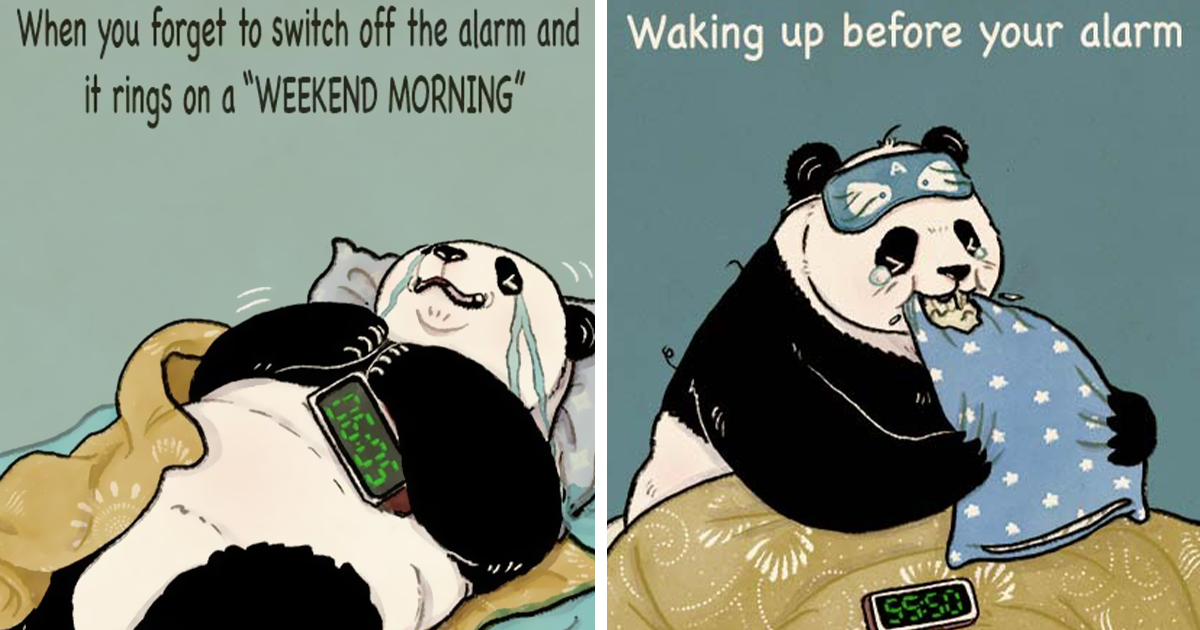
The panda wakes up five minutes before the alarm and immediately questions the fairness of the universe. Nothing ruins sleep like knowing sleep is almost over.
2. The Alarm Clock Betrayal
The alarm rings. The panda stares at it with the cold fury of someone who has been personally attacked by technology. Snooze is pressed not once, but with spiritual commitment.
3. Weekend Plans
Friends ask what the panda is doing this weekend. The answer: nothing. But not lazy nothingcarefully scheduled, emotionally necessary nothing.
4. The Snack Drawer of Destiny
The panda opens a drawer “just to look” and somehow negotiates with a cookie. The cookie wins. It usually does.
5. Fitness Motivation at 11:59 P.M.
The panda decides to transform its life tomorrow. It watches workout videos while eating chips, because research is important.
6. The Scale Is Clearly Broken
The panda steps on the scale, looks down, steps off, resets it, tries again, and concludes that modern technology has lost its integrity.
7. Social Battery: Critically Low
An invitation arrives. The panda wants to be included, but also wants to remain under a blanket until Monday. This is not contradiction. This is adulthood.
8. The Chair Sound
The panda sits down and makes a small sound. Not a word. Not a complaint. Just the official noise of a body that has seen some things.
9. Midnight Thoughts
At 2 a.m., the panda remembers an awkward thing it said in 2009. Sleep leaves the room quietly.
10. The “I Deserve This” Dessert
The panda has survived emails, errands, laundry, traffic, and one mysterious knee pain. Cake is no longer dessert. Cake is compensation.
11. Back Pain With No Origin Story
Superheroes get dramatic injuries. The panda hurts its back by sleeping incorrectly. This is the least glamorous plot twist in the adult universe.
12. Looking for Glasses While Wearing Them
The panda searches the house for glasses that are already on its face. This is not forgetfulness. This is multitasking fatigue with accessories.
13. A Nap That Became a Time Portal
The panda lies down for twenty minutes and wakes up three hours later confused, dehydrated, and unsure what century it is.
14. The Fridge Stare
The panda opens the fridge, sees the same food as five minutes ago, and still hopes something emotionally satisfying has appeared.
15. “I’ll Start Monday”
Monday becomes the magical island where all healthy habits live. Unfortunately, the panda keeps missing the boat.
16. Laundry Mountain
The panda finishes washing clothes, then discovers the second boss battle: folding them. The laundry pile becomes a permanent roommate.
17. The Joy of Cancelled Plans
Someone cancels first. The panda sends a polite “No worries!” while doing a tiny celebration dance in slippers.
18. Online Shopping Confidence
The panda adds items to the cart, compares prices, reads reviews, then buys nothing. This counts as entertainment and financial responsibility.
19. The Mysterious New Hobby
The panda buys art supplies, gym equipment, or a musical instrument after one inspiring video. The hobby lasts 48 hours, but the supplies stay forever.
20. “Just One Episode”
The panda says it will watch one episode. Four episodes later, it is emotionally invested in characters it met accidentally.
21. Tiny Victory, Huge Celebration
The panda drinks enough water, answers an email, or changes the bedsheets. This deserves applause. Possibly a parade.
22. Accepting the Soft Life
At the end of the day, the panda realizes that being tired, hungry, hopeful, awkward, and imperfect is not failure. It is simply living, but with more snacks.
Why These Illustrations Feel So Personal
Relatable panda illustrations work because they translate emotional clutter into simple images. A tired panda under a blanket can express what three paragraphs of complaining cannot. A panda staring at a treadmill can summarize the entire human relationship with self-improvement. A panda hugging a pillow can say, “I am doing my best, but my best currently requires horizontal support.”
Good visual storytelling often depends on recognition. Readers do not need to know every detail of the artist’s life. They only need to recognize the feeling. That small shock of recognition creates connection. It turns a drawing into a shared confession.
Middle Age Is Comedy With Better Lighting
Middle age is rich creative territory because it contains both wisdom and nonsense. You know yourself better, but you still lose your phone while holding it. You care less about impressing strangers, but you care deeply about comfortable shoes. You have learned life lessons, yet you still believe buying a planner may fix everything.
The middle-aged panda captures this phase beautifully. It is not a tragic character. It is not bitter. It is simply aware. It knows that energy is limited, sleep is precious, and every chair should be judged by how easy it is to leave.
The Art Style: Simple, Expressive, and Instantly Readable
One reason panda comics are so effective is visual clarity. A panda’s face naturally gives artists strong contrast to work with: dark eye patches, rounded cheeks, small gestures, and expressive posture. Even a tiny change in the panda’s eyes or shoulders can suggest defeat, joy, panic, temptation, or the sacred peace of a fresh blanket.
The most memorable relatable illustrations are rarely overcomplicated. They rely on clean composition, strong facial expressions, and recognizable props. An alarm clock, a pillow, a rice bowl, a smartphone, a bathroom scale, or a couch can tell readers exactly where the joke lives. The simpler the setup, the faster the emotional punchline lands.
Why Animals Make Human Problems Easier to Laugh At
Animal characters create a comfortable distance. If a human character complains about weight gain, insomnia, or loneliness, the scene may feel too raw. But when a panda does it, the same issue becomes softer and funnier. The panda gives readers permission to laugh without feeling exposed.
This is why animal-based comics, from bears and cats to frogs and ducks, continue to thrive online. Animals can carry human emotions without making the story feel heavy. They are cute enough to disarm us and expressive enough to reveal us.
The Secret Ingredient: Everyday Honesty
Relatability is not built from big events. It is built from tiny truths. Everyone knows the optimism of buying vegetables and the tragedy of watching them expire. Everyone understands the strange confidence of making life plans at midnight. Everyone has experienced the emotional math of deciding whether a social event is worth real shoes.
The middle-aged panda becomes memorable because it notices these small moments. It does not chase trends too hard. It does not need slang in every panel. It trusts that the ordinary is funny when viewed from the right angle.
How These Illustrations Connect With Modern Readers
Modern readers are tired. Not just sleepydeeply, spiritually tired. Many are juggling work, family, health, bills, social expectations, and the constant pressure to become a better version of themselves by next Tuesday. In that environment, a panda who also cannot get out of bed feels like a friend.
These illustrations offer comfort without pretending life is easy. They say, “Yes, adulthood is weird. Yes, your motivation has left the group chat. Yes, the laundry is still there. But lookwe can laugh about it for a minute.” That minute matters.
Shareability and the “That’s Me” Effect
Relatable comics spread because they invite tagging. Someone sees the panda napping, snacking, overthinking, or avoiding plans and immediately thinks of a friend, spouse, coworker, sibling, or themselves. The illustration becomes social currency: a lighthearted way to say, “I understand you.”
In that sense, the middle-aged panda is more than a character. It is a tiny ambassador for shared exhaustion.
Lessons Artists Can Learn From the Middle-Aged Panda
For artists, the success of a relatable panda character offers several useful lessons. First, specificity matters. “Tired panda” is cute. “Panda waking up five minutes before the alarm and feeling robbed” is relatable. The more precise the situation, the stronger the connection.
Second, emotion should lead the drawing. A funny illustration is not just about the object in the scene. It is about the feeling behind it: dread, relief, temptation, denial, pride, embarrassment, or comfort.
Third, repetition builds personality. When readers see the same panda facing different daily struggles, they start to understand its inner world. The panda becomes familiar. Its reactions become part of the joke. Over time, the audience does not just laugh at a drawing; they check in on a character.
Why We Need More Gentle, Funny Art Like This
The internet can be loud, competitive, and strangely obsessed with making everyone feel behind. Gentle comics offer a different rhythm. They are small, human, and emotionally generous. They do not demand that readers become richer, fitter, younger, or more productive. They simply invite them to smile at the messiness of being alive.
A middle-aged panda struggling through daily life reminds us that imperfection can be charming. It also reminds us that humor does not need to be cruel to be clever. Sometimes the funniest thing is the quiet truth that everyone is improvising.
Personal Experiences Behind the Relatable Panda Theme
Creating or enjoying illustrations of a middle-aged panda can feel surprisingly personal because the character becomes a container for everyday experiences. The panda may be fictional, but the emotional material is very real. Anyone who has tried to balance responsibility with rest can understand the comedy. You wake up with plans. You imagine a productive day. Then life places one tiny obstacle in your pathan email, a headache, a suspicious noise from the washing machineand suddenly the sofa begins making a very persuasive argument.
One experience that fits this panda perfectly is the morning routine. In theory, mornings are supposed to be fresh beginnings. In practice, many adults wake up looking like they have returned from a diplomatic mission to the dream world. The middle-aged panda captures that exact moment: eyes half-open, blanket still attached, soul buffering. Drawing that scene is funny because it is honest. It does not shame tiredness. It celebrates survival.
Another deeply relatable experience is the complicated relationship with food. Food is comfort, celebration, procrastination, and sometimes emotional support wearing frosting. A panda staring lovingly at cake after a long day tells a universal story. The humor is not about overeating; it is about the way small pleasures help people get through ordinary stress. A bowl of noodles, a cookie, or a warm drink can feel heroic when the day has been aggressively adult.
Then there is the social side of middle age. Many people still love their friends, but their social battery has become a delicate antique. Plans sound wonderful when made two weeks ahead. When the day arrives, the same plans may feel like climbing a mountain in formal shoes. The panda’s joy over cancelled plans is funny because it reveals a truth many people politely hide. Sometimes staying home is not loneliness. Sometimes it is maintenance.
The panda also speaks to the experience of body changes. Middle age has a way of introducing mysterious aches, slower recovery, and sudden opinions about pillows. A younger character might leap from bed. A middle-aged panda negotiates with its knees first. These details create humor because they are specific and affectionate. The body is not the enemy; it is simply a dramatic coworker that sends too many notifications.
For artists, illustrating these moments can become a form of reflection. A simple panda sketch can turn frustration into something shareable. Instead of saying, “I feel overwhelmed,” the artist can draw a panda lying under a blanket with only one paw visible. Instead of explaining burnout, the artist can show the panda staring at an overflowing laundry basket as if it has discovered a new mountain range. The image says enough.
Readers connect with these experiences because they are not polished. They are not aspirational in the glossy sense. They are comforting. They remind people that being tired, awkward, snack-motivated, and occasionally dramatic does not make them failures. It makes them part of the club. The middle-aged panda is the unofficial mascot of everyone trying to be responsible while secretly wanting one more nap.
That is why these illustrations matter. They turn ordinary adult life into something lighter. They help people laugh at the tiny defeats and celebrate the tiny wins. Whether the panda is avoiding exercise, embracing a pillow, fearing the alarm clock, or enjoying a quiet weekend, it gives readers a soft place to land. And in a world that often demands constant improvement, a soft place to land is no small thing.
Conclusion
The middle-aged panda is funny because it is familiar. Its struggles are small, but they carry big emotional truth. Through simple illustrations, expressive poses, and warm humor, this character turns daily adult problems into moments of connection. The panda reminds us that life does not have to be perfect to be lovable. Sometimes it only needs a blanket, a snack, and the courage to laugh at another failed attempt to start Monday fresh.
These 22 relatable panda illustrations work because they meet readers exactly where they are: tired, hopeful, hungry, slightly confused, and still trying. That combination is not just cute. It is human.