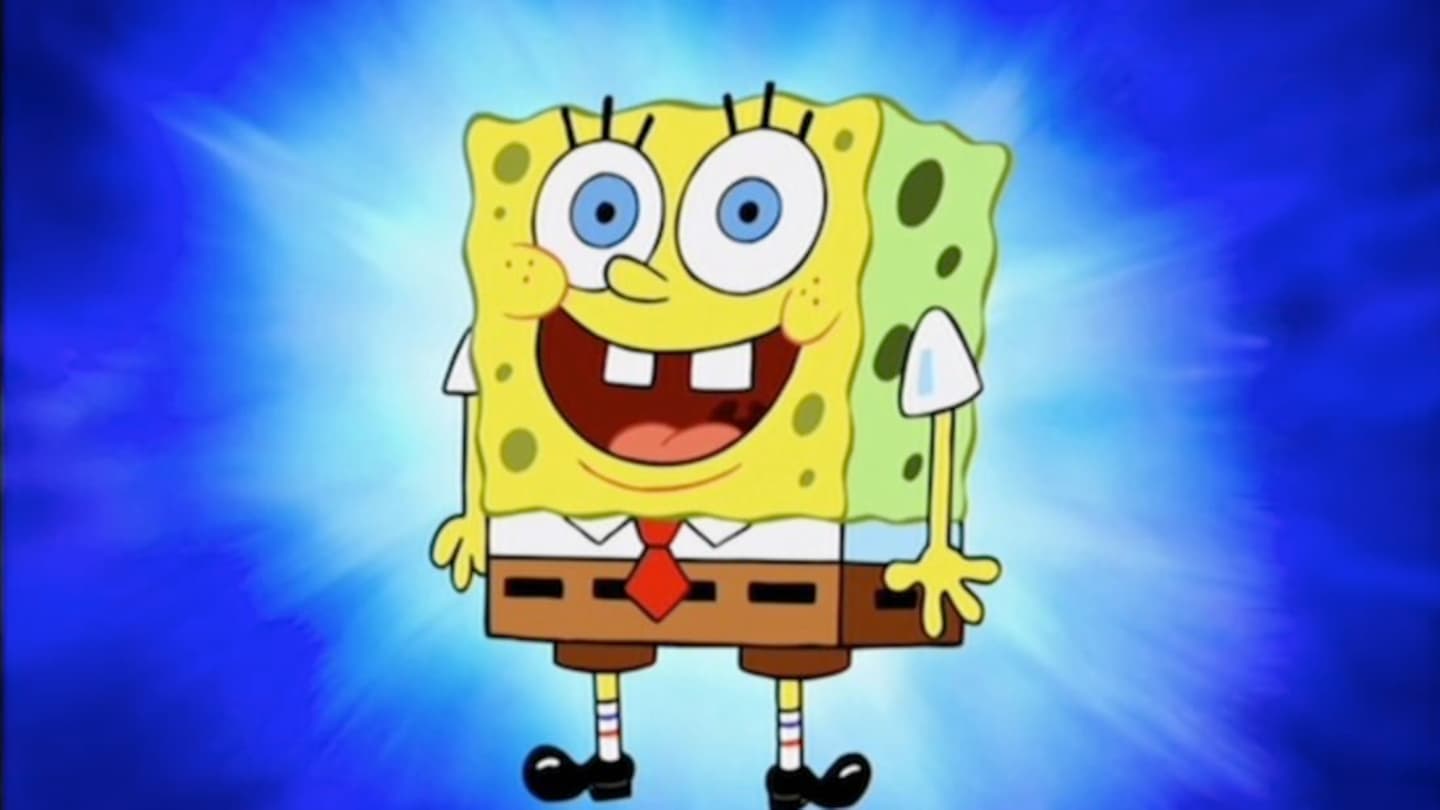
For a cartoon about a fry cook who lives in a pineapple, SpongeBob SquarePants has had a surprisingly serious impact on pop culture. It is silly, loud, weirdly wholesome, and somehow still smart enough to sneak marine biology, theater history, music trivia, and pure meme energy into one bright yellow package. Plenty of people know SpongeBob laughs like a squeaky teakettle and flips Krabby Patties like his life depends on it. But the deeper story behind Bikini Bottom is even better.
From real tide-pool science to Broadway glory, here are 14 SpongeBob SquarePants facts that prove this cheerful sponge is much more than a cartoon with exceptional cheekbones and zero indoor voice.
1. SpongeBob was created by a real marine science educator.
Stephen Hillenburg was not just an animator with a wild imagination. Before he became the mastermind behind Bikini Bottom, he studied marine science and worked as a teacher at the Orange County Marine Institute. That background matters because it explains why SpongeBob SquarePants always felt a little different from the average kids’ cartoon. Beneath all the jellyfishing chaos and mayonnaise jokes, the show came from someone who genuinely loved the ocean. SpongeBob was never just random nonsense. It was random nonsense with saltwater credentials.
2. The series grew out of an educational comic called The Intertidal Zone.
Long before SpongeBob became a global icon, Hillenburg created an educational comic called The Intertidal Zone to teach kids about tide pools and marine life. In other words, Bikini Bottom started as homework with better character design. That early comic included sea-creature ideas and visual concepts that later evolved into the world fans know today. So yes, one of television’s most delightfully chaotic franchises began with the surprisingly noble mission of helping children understand aquatic ecosystems. That is one heck of a glow-up for classroom material.
3. SpongeBob was not always called SpongeBob.
Early concept materials for the show used the title SpongeBoy Ahoy! and featured the main character under the name SpongeBoy. But the name did not survive the legal department. Official franchise materials have acknowledged that Nickelodeon had to change it after discovering the name was already in use. Thankfully, the replacement stuck. “SpongeBob SquarePants” sounds funnier, stranger, and somehow more correct, like the universe itself knew a sponge this committed to optimism needed a name with a little extra bounce.
4. His personality was shaped by classic comedy legends.
SpongeBob’s cheerfully chaotic energy did not come out of nowhere. Hillenburg drew inspiration from old-school comedy performers like Jerry Lewis, Pee-wee Herman, and Stan Laurel, along with the broader tradition of innocent characters accidentally driving cynical people up the wall. That influence explains why SpongeBob is not just “hyper.” He is built like a classic comic troublemaker: earnest, oblivious, and impossible to fully dislike. He means well, tries too hard, and somehow turns every ordinary day into a tiny disaster with a smile. It is slapstick with sea foam on top.
5. The show became Nickelodeon’s longest-running title.
Debuting in 1999, SpongeBob SquarePants did not merely become popular. It outlasted generations of TV trends and eventually became the longest-running show on Nickelodeon. That is no small feat for a series built around a sponge, a starfish, and a cashier who looks permanently two seconds away from quitting. But longevity is one of SpongeBob’s secret superpowers. The show never relied on one fad, one era, or one age group. Kids embraced the bright absurdity, while older viewers appreciated the wit, timing, and emotional weirdness buried underneath all the bubble transitions.
6. At its peak, SpongeBob was absolutely dominating kids’ TV.
By Paramount’s own numbers in the late 2010s, the series had been the most-watched animated program with kids ages 2 to 11 for more than 15 consecutive years. The company also said it was averaging more than 100 million total viewers every quarter across Nickelodeon networks. That is not just “a hit.” That is cartoon empire territory. SpongeBob was not floating around in the culture by accident. He was anchored there with the force of a Krabby Patty dropped directly on the entertainment industry’s foot.
7. Bikini Bottom went global in a very big way.
Another reason SpongeBob feels nearly impossible to escape is simple: he has traveled everywhere. Paramount described the franchise as the most widely distributed property in Viacom history, seen in more than 208 countries and territories and translated into more than 55 languages. That kind of reach helps explain why SpongeBob memes can unite people who do not share a hometown, a school system, or even a first language. A good reaction image, apparently, is the closest thing humanity has to world peace.
8. The Broadway musical was not a gimmick. It was a real theater success.
At first glance, a Broadway musical based on SpongeBob SquarePants sounds like the kind of idea invented during a sugar rush. Then it got 12 Tony nominations, including Best Musical, and suddenly the joke was on everyone who underestimated it. The stage version proved that SpongeBob’s world could stretch far beyond a TV screen. It also revealed something fans already suspected: under the nautical nonsense was a surprisingly sturdy emotional core. Hope, friendship, stubborn decency, and one very intense commitment to doing your job well all play nicely under stage lights.
9. The musical’s songwriters were a downright bizarre all-star team.
If you ever wondered what would happen if David Bowie, John Legend, Cyndi Lauper, Aerosmith, Panic! at the Disco, T.I., Sara Bareilles, and They Might Be Giants all got invited to the same underwater party, Broadway answered that question. The SpongeBob musical used original songs from an extraordinary mix of artists, which sounds ridiculous until you remember that SpongeBob has always thrived on creative collisions. He is equal parts children’s TV icon, surreal comedy machine, and cultural sponge in the most literal metaphorical sense.
10. Stephen Hillenburg secretly appears in every episode’s opening.
That pirate painting in the title sequence with the moving lips? According to the cast, those lips belong to Stephen Hillenburg. Once you know that, the opening changes from a catchy bit of pirate nonsense into a tiny creator cameo hiding in plain sight. It is a sweet detail, especially now. Hillenburg may be gone, but in a small, odd, perfectly on-brand way, he still introduces the show every time the theme starts up. That is either heartwarming or the gentlest ghost story in animation history.
11. SpongeBob inspired real science naming.
The franchise is not just culturally famous. It is scientifically commemorated. A real fungus discovered in Borneo was named Spongiforma squarepantsii because researchers thought it resembled SpongeBob. Britannica notes that the species name is a Latinized nod to SquarePants himself, and San Francisco State University highlighted the discovery as part of its biology news. So yes, somewhere in the great filing cabinet of scientific nomenclature, SpongeBob has a fungus namesake. Honestly, that feels exactly right for a character who has always been charmingly difficult to categorize.
12. The franchise has always had unexpectedly cool music taste.
One reason SpongeBob has aged so well is that its music choices often feel delightfully left-field. Ween’s “Ocean Man” became forever linked with The SpongeBob SquarePants Movie, and the broader franchise welcomed contributions and appearances from musicians like Davy Jones and David Bowie. That is not typical background noise for a children’s brand. It is the soundtrack of creators who clearly loved music and trusted young audiences to enjoy something a little offbeat. SpongeBob did not just hand kids catchy tunes. It casually slid cult favorites into the family room.
13. SpongeBob has museum-level cultural significance.
The Smithsonian has preserved production cels from SpongeBob SquarePants, which is a pretty good sign that the character has officially graduated from “popular cartoon” to “piece of American cultural history.” This is the kind of detail that sneaks up on you. One minute SpongeBob is yelling about jellyfish. The next minute, objects from the show are sitting in a museum collection. But it makes sense. Few animated series have shaped visual humor, internet language, and shared nostalgia across as many age groups as SpongeBob has. The pineapple under the sea turned out to have archival value.
14. SpongeBob’s ocean roots eventually inspired real-world conservation efforts.
Even after becoming a merchandising giant, the franchise kept some of its original marine-life DNA. Paramount’s sustainability reporting described SpongeBob SquarePants as a brand created to teach kids about intertidal diversity and later connected it to Operation Sea Change, a global initiative focused on ocean conservation and sustainability. That is a remarkably fitting legacy. The show began with tide-pool education, then circled back to the ocean in a bigger public way. Underneath all the absurdity, SpongeBob still carries a quiet message: the sea is strange, fascinating, funny, and worth protecting.
What Watching SpongeBob Still Feels Like, Even Years Later
There is also something worth saying about the experience of SpongeBob itself, because the series is not just a list of trivia points. For a lot of people, SpongeBob SquarePants feels like a shared emotional language. You do not even have to be a hardcore fan to recognize how often it shows up in everyday life. People quote it at work, turn scenes into memes, use screenshots as reactions, and casually reference characters as if Bikini Bottom were a real neighborhood with concerning zoning laws.
Part of that experience comes from how the show balances total absurdity with strangely recognizable emotions. SpongeBob is wildly exaggerated, but his enthusiasm feels real. Squidward’s burnout feels real. Patrick’s confident cluelessness feels real. Mr. Krabs’s money obsession feels a little too real. The series works because beneath the sea creatures and surreal visuals, it understands familiar human patterns. Everyone has known a SpongeBob, survived a Squidward day, or made a Patrick-level decision they hoped no one noticed.
Another big part of the experience is timing. SpongeBob arrived at the right moment for cable TV, then survived long enough to become a nostalgia machine for multiple generations. Older viewers remember racing home to catch episodes. Younger viewers discovered clips online and learned the language of the show through memes before they ever saw full episodes. That is rare. Most cartoons belong to one era. SpongeBob somehow belongs to several. It lives in childhood memory, internet culture, school lunch table jokes, and late-night group chats all at once.
And then there is the humor itself. SpongeBob does not act like it is trying to impress you, which is exactly why it stays funny. It can be loud, weird, and gloriously dumb, but the best jokes are often built with real precision. The pauses are good. The expressions are unforgettable. The writing knows when to push nonsense so far that it wraps around into brilliance. You laugh first as a kid because someone got blasted through a wall. You laugh later as an adult because the delivery is weirdly perfect and the character work is better than it has any right to be.
Maybe that is the real secret behind SpongeBob’s longevity. It is not just innocence. It is not just chaos. It is not just nostalgia. It is the combination. The show offers a world where being sincere is not embarrassing, where friendship matters, where failure is survivable, and where every ordinary day can become an adventure if you are energetic enough or foolish enough. Sometimes both. In a culture that can get cynical fast, SpongeBob remains stubbornly uncool in the best possible way. He still believes the day can be great. Against all odds, viewers keep believing it with him.
Conclusion
So yes, SpongeBob SquarePants is a children’s cartoon about a sea sponge who laughs like a rubber duck in a blender. But it is also the product of marine science, classic comedy influences, ambitious music choices, Broadway success, museum preservation, and even scientific naming. The deeper you dig into SpongeBob trivia, the clearer it becomes that the show did not become iconic by accident. It was built by people with strong artistic instincts, a love of the ocean, and a fearless willingness to be gloriously weird.
That is why SpongeBob still matters. He is funny, sure. But he is also one of the rare pop-culture figures who manages to be ridiculous and sincere at the same time. And honestly, that may be the most impressive trick ever pulled by a sponge in square pants.