Every market cycle eventually produces its own cast of characters: the inflation hawks, the recession prophets, the soft-landing optimists, the “buy the dip” crowd, and, of course, the Fed apologists. The title “Animal Spirits: Fed Apologists” captures a lively and slightly mischievous corner of financial commentary where markets, psychology, central banking, and investor behavior all meet for coffeeand then argue over who should pay.
In economics, “animal spirits” refers to the emotional energy behind financial decisions: confidence, fear, excitement, panic, and the occasional urge to buy a stock because a stranger on the internet used too many rocket emojis. The phrase is usually linked to John Maynard Keynes, who believed that people do not make economic choices based only on cold calculation. Sometimes they invest, spend, hire, or hoard because of mood, trust, uncertainty, or vibes. Yes, vibes have entered the macroeconomic group chat.
Fed apologists, meanwhile, are the people who defend the Federal Reserve when critics blame it for inflation, recession fears, asset bubbles, mortgage pain, or that mysterious feeling that a sandwich costs $17 now. The term can be serious or sarcastic depending on who is using it. In market conversations, it often means someone believes the Fed is doing the best it can with imperfect data, delayed effects, political noise, and an economy that behaves like a toddler with a drum set.
This article explores what “Animal Spirits: Fed Apologists” means, why the Federal Reserve inspires both defense and criticism, and how investor psychology shapes the way people interpret every interest-rate decision. The goal is not to cheerlead for the Fed or throw tomatoes at it. The goal is to understand why smart people can look at the same economy and tell completely different stories.
What Does “Animal Spirits: Fed Apologists” Really Mean?
The phrase combines two powerful ideas. First, animal spirits describe the emotional side of markets. Investors may say they are guided by spreadsheets, valuation models, and yield curves, but a lot of buying and selling still comes down to confidence. When people feel optimistic, they take risk. When they feel nervous, they hide in cash, Treasury bills, or group chats full of doom charts.
Second, Fed apologists are commentators, investors, economists, or analysts who argue that the Federal Reserve’s decisions make sense given the available evidence. They may defend rate hikes as necessary to control inflation, defend rate cuts as needed to protect employment, or defend patience when the economy sends mixed signals. To critics, these defenders sound too forgiving. To supporters, they sound realistic.
The tension is simple: the Fed is powerful, but not magical. It can influence financial conditions, but it cannot instantly fix oil shocks, supply-chain disruptions, housing shortages, wars, corporate pricing decisions, or Congress’s fiscal choices. The central bank has tools, not superpowers. If the economy is a kitchen fire, the Fed has a thermostat, not a fire hose.
Why the Federal Reserve Gets Blamed for Almost Everything
The Federal Reserve’s job is built around a dual mandate: maximum employment and stable prices. In plain English, it wants as many people working as possible while keeping inflation under control. That sounds clean on paper. In real life, it is like trying to walk two dogs that both spotted squirrels in opposite directions.
When inflation rises, people want the Fed to act. When interest rates rise, borrowers complain. When mortgage rates climb, homebuyers blame the Fed. When stocks fall, investors blame the Fed. When stocks rise too much, critics say the Fed created a bubble. When the economy slows, the Fed is accused of over-tightening. When inflation stays hot, it is accused of being too soft. There is no chair at the Federal Reserve labeled “Everyone Is Happy.”
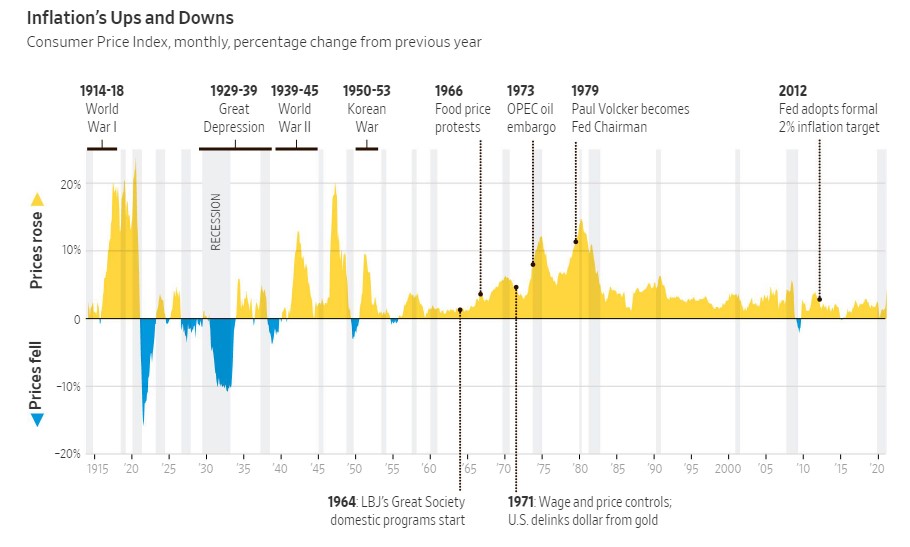
Recent economic data shows why the debate remains complicated. The Fed has continued to emphasize its 2% inflation objective while watching labor-market conditions and global risks. Inflation has not fully returned to target, and energy-price swings have made the picture more difficult. At the same time, the U.S. economy has continued to grow, with real GDP rising at a 2.0% annual rate in the first quarter of 2026. The labor market has also shown resilience, with unemployment around 4.3% in March 2026 and job gains continuing, though not without signs of cooling.
That combinationgrowth, still-elevated inflation, cautious consumers, and a labor market that is neither booming nor collapsingis exactly the environment where Fed apologists thrive. Their argument is not that the Fed is perfect. It is that policy decisions are harder than they look when viewed from the comfort of a podcast microphone, a trading desk, or a kitchen table where grocery receipts are being examined like archaeological evidence.
The Case for the Fed Apologists
1. Monetary Policy Works With a Delay
One of the strongest defenses of the Fed is that interest-rate policy operates with long and variable lags. Raising rates today does not cool inflation tomorrow morning. It filters through credit markets, mortgage rates, business investment, hiring plans, consumer spending, and asset prices over time. The process is slow, uneven, and occasionally rude.
This is why Fed defenders often warn against judging policy too quickly. A rate hike may feel ineffective at first, then suddenly tighten financial conditions months later. A rate cut may not immediately revive activity, especially if households are anxious or businesses are reluctant to borrow. The economy is not a light switch. It is more like an old house with questionable wiring.
2. The Fed Cannot Control Every Source of Inflation
Another common defense is that not all inflation comes from excess demand. Some inflation is driven by supply shocks, energy prices, tariffs, shipping costs, weather, or geopolitical events. The Fed can reduce demand by raising rates, but it cannot pump oil, unload cargo ships, build apartments overnight, or persuade global conflicts to reschedule themselves for a more convenient quarter.
This matters because using interest rates to fight supply-driven inflation can be painful. If gasoline prices jump because of global energy disruptions, higher rates may reduce spending elsewhere, but they do not directly produce more gasoline. Fed apologists argue that policymakers must avoid crushing the economy in response to shocks they cannot fully control.
3. The Dual Mandate Requires Balance
The Fed is not tasked only with fighting inflation. It must also consider employment. A central bank that focuses only on price stability might raise rates aggressively until inflation falls, even if unemployment jumps sharply. A central bank focused only on jobs might keep money easy for too long and allow inflation expectations to drift upward. The Fed has to balance both risks.
That balancing act creates frustration. Inflation hurts households every week. Job losses hurt households immediately and severely. A responsible central bank must care about both. Defenders of the Fed often argue that patience is not weakness; sometimes it is risk management.
The Case Against the Fed Apologists
1. The Fed Has Made Mistakes Before
Critics have plenty of material. The Fed has sometimes misread inflation, underestimated financial excess, or communicated in ways that confused markets. No serious observer should pretend central bankers are flawless sages floating above the economy in robes of perfect foresight. They use models, surveys, forecasts, and judgment. Those tools can fail.
When inflation accelerated after the pandemic period, many critics argued that the Fed waited too long to tighten policy. Others believed the central bank helped inflate asset prices through years of low rates and quantitative easing. Whether one agrees fully or partly, the criticism is not imaginary. Policy choices have consequences, and the Fed deserves scrutiny.
2. “Data Dependent” Can Sound Like “We’ll Know Later”
The Fed often describes itself as data dependent. That is sensible, but it can also irritate the public. To regular people, “data dependent” sometimes sounds like, “We are waiting for numbers to confirm what you already feel at the grocery store.” Households experience inflation in real time. Official statistics arrive later, get revised, and require interpretation.
This gap between lived experience and economic measurement feeds distrust. A family does not need a seasonal adjustment to know rent is high. A small business owner does not need a footnote to know credit is expensive. Fed critics argue that policymakers can appear too insulated from daily financial pressure.
3. The Fed’s Communication Can Move Markets Too Much
Markets do not just react to what the Fed does. They react to what the Fed says, what it hints, what it removes from a sentence, and whether the chair raises an eyebrow during a press conference. This can create strange episodes where investors behave less like long-term capital allocators and more like literature students analyzing central-bank haiku.
Critics argue that the Fed’s heavy influence over market expectations encourages dependency. Investors become obsessed with rate-cut timing rather than earnings quality, productivity, balance sheets, or valuation. In that environment, animal spirits become chained to the Fed’s microphone.
Animal Spirits and the Market’s Fed Obsession
The market’s relationship with the Fed is emotional. When investors believe the Fed is about to cut rates, risk appetite often improves. Stocks rally, credit spreads tighten, and people rediscover their love for growth companies with ambitious stories and suspiciously distant profits. When investors believe the Fed will stay tight, enthusiasm fades. Suddenly everyone becomes a disciplined value investor with a deep respect for cash flow. Funny how that happens.
This is where animal spirits become essential. A central bank can set rates, but sentiment determines how investors interpret those rates. The same policy stance can be seen as bullish if investors believe inflation is falling and growth is stable. It can be seen as bearish if investors believe the Fed is behind the curve or about to break the economy.
Consumer psychology matters too. Recent confidence readings have shown households remain cautious even when some headline economic numbers look decent. Consumer confidence can improve modestly while still signaling anxiety about inflation, job prospects, and future income. That mixed mood affects spending, saving, borrowing, and investing. In other words, the economy runs partly on numbers and partly on nerves.
Why “Fed Apologist” Is Often an Emotional Label
Calling someone a Fed apologist is rarely a neutral description. It usually means, “You are giving policymakers too much credit.” But the label can also reveal the speaker’s own frustration. If someone is angry about housing affordability, inflation, market losses, or recession risk, defending the Fed can sound like defending the villain in their personal financial movie.
Still, not every defense is blind loyalty. A thoughtful Fed defender can admit mistakes while also recognizing constraints. The Fed did not create every price shock. It cannot solve every structural problem. It cannot build housing, rewrite tax policy, regulate every bank perfectly, or guarantee that markets remain calm. Monetary policy is powerful, but it is not an all-purpose economic cleaning spray.
The best version of the Fed apologist is not an apologist at all. It is a realist. This person says: “Central banks matter, but they operate under uncertainty. Let’s criticize them when necessary, but let’s not pretend the economy is easy.” That is less catchy than “Fed apologist,” but unfortunately most accurate labels do not trend well.
Specific Examples: How Fed Narratives Shape Investor Behavior
The Housing Market
Housing is one of the clearest examples of Fed influence. Higher interest rates make mortgages more expensive, reducing affordability for buyers. But the housing market also depends on supply, zoning rules, construction costs, household formation, investor demand, and homeowners who refuse to sell because they locked in low mortgage rates years ago. Blaming the Fed alone is emotionally satisfying but incomplete.
Fed apologists argue that the central bank can cool demand, but it cannot create enough homes in high-demand cities. Critics respond that low-rate policies helped push home prices higher in the first place. Both arguments can contain truth. Markets are annoying that way.
The Stock Market
Equity investors love lower rates because future earnings become more valuable when discounted at a lower rate. This is especially true for growth stocks. When the Fed signals easier policy, animal spirits often surge. When it signals tighter policy, valuations can compress quickly.
But stocks are not only Fed puppets. Earnings, margins, technology trends, productivity, global demand, and investor positioning matter too. A Fed-focused market can miss the bigger picture. Sometimes companies perform well despite higher rates. Sometimes stocks fall even after rate cuts because the cuts arrive during economic weakness.
The Labor Market
The labor market is another battlefield. If unemployment rises, critics may say the Fed tightened too much. If wage growth remains strong and inflation stays sticky, critics may say it did not tighten enough. Fed defenders point out that labor-market data can shift quickly and is often revised. Policy has to be made before the final answers are known.
That uncertainty is central to the Fed debate. Policymakers are steering while looking through a foggy windshield, using maps that update after the turn has already been made.
How Investors Should Think About the Fed Without Becoming Obsessed
Investors should pay attention to the Fed, but not worship it. Interest rates matter. Inflation matters. Liquidity matters. But a portfolio built entirely around guessing the next Fed move is fragile. It turns investing into a game of central-bank astrology.
A better approach is to understand the range of outcomes. What happens if rates stay higher for longer? What happens if inflation cools faster than expected? What happens if growth slows? What happens if productivity improves and supports earnings? Good investing is less about predicting one path and more about surviving several.
Animal spirits can help investors during expansions, but they can also tempt people into overconfidence. The same emotional fuel that drives opportunity can inflate bubbles. The same fear that protects capital can cause panic selling at the worst possible time. The Fed may influence the weather, but investors still choose whether to build a sturdy house or bring a paper umbrella.
Experience-Based Reflections on “Animal Spirits: Fed Apologists”
Anyone who has followed markets for more than one cycle has probably experienced the strange emotional pull of Fed commentary. A single policy statement can turn a calm trading day into a financial weather event. Before the announcement, everyone pretends to be patient. After the announcement, charts fly, bond yields twitch, and people who ignored macroeconomics in college suddenly have passionate opinions about the neutral rate.
One useful experience is watching how quickly narratives change. When markets are rising, investors often say the Fed has engineered a soft landing. The same people may call the Fed reckless two months later if inflation surprises higher. This does not mean investors are foolish. It means uncertainty is uncomfortable, and humans like stories. A good story makes the market feel understandable. A bad data release ruins the plot.
Another experience is seeing how personal financial situations shape macro opinions. A retiree earning more interest on savings may view higher rates differently from a first-time homebuyer facing a brutal mortgage payment. A business owner needing credit may hate tight policy. A worker worried about layoffs may want the Fed to cut. An investor holding cash may quietly enjoy higher yields while pretending to be deeply concerned about monetary transmission. We are all objective until our own wallet enters the room.
The phrase “Fed apologist” often appears when people are not just debating policy, but processing financial stress. Inflation feels unfair because it attacks routine. Groceries, rent, insurance, gas, repairs, and medical costs are not abstract line items. They are the texture of daily life. When someone defends the Fed during that environment, the defense can sound detached, even if it is analytically reasonable. This is why tone matters in economic commentary. Being technically correct is useful; sounding like a spreadsheet wearing a necktie is less useful.
There is also a lesson in humility. The Fed has access to enormous amounts of data, talented economists, and sophisticated models, yet it still faces uncertainty. Investors with fewer tools should be cautious about claiming perfect foresight. It is easy to say what the Fed should have done after the fact. It is harder to make decisions in real time when inflation, employment, growth, oil prices, credit conditions, and consumer confidence are all moving at once.
From an investing perspective, the healthiest habit is to separate analysis from identity. You can believe the Fed is making a reasonable decision without becoming a Fed apologist. You can criticize the Fed without becoming a permanent doom merchant. You can hold two ideas at once: central banks make mistakes, and central banking is genuinely difficult. That balanced view will not get the loudest applause online, but it may protect you from emotional overreaction.
In practical terms, the experience of living through Fed-driven markets teaches three things. First, do not let every policy meeting rewrite your long-term plan. Second, remember that markets often move before the economy confirms the story. Third, respect animal spirits. Confidence can carry markets further than skeptics expect, and fear can push prices lower than fundamentals seem to justify. The Fed matters, but psychology determines how its actions are absorbed.
Ultimately, “Animal Spirits: Fed Apologists” is not just a clever title. It is a reminder that markets are social, emotional, argumentative, and deeply human. We debate the Fed because we are really debating risk, fairness, opportunity, and control. We want someone to explain why prices rose, why homes became expensive, why stocks rallied, why bonds fell, and why the economy refuses to behave like a tidy textbook diagram. The Fed is an easy character to place at the center of that story. But the full cast includes consumers, businesses, investors, politicians, global events, technology, banks, and millions of decisions made under uncertainty.
Conclusion: The Fed, the Crowd, and the Mood of Money
The debate around Animal Spirits: Fed Apologists is really a debate about how much power we assign to the Federal Reserve and how much responsibility we assign to everything else. The Fed shapes financial conditions, but it does not control the entire economy. It can influence demand, but not every supply shock. It can communicate intentions, but it cannot control how markets emotionally interpret every comma in a statement.
Fed apologists may sometimes be too forgiving. Fed critics may sometimes be too dramatic. The truth usually lives in the messy middle, where policy is difficult, data is imperfect, and markets are powered by both math and mood. Understanding that middle ground is valuable for investors, business owners, and everyday consumers trying to make sense of interest rates, inflation, employment, and confidence.
The smartest takeaway is not to defend or attack the Fed automatically. It is to recognize the role of animal spirits in every economic conversation. When confidence rises, risk feels easier. When fear spreads, even good news can look suspicious. The Fed may set the tone, but the crowd writes the music. And sometimes, as every investor eventually learns, the band plays jazz when everyone expected a spreadsheet.