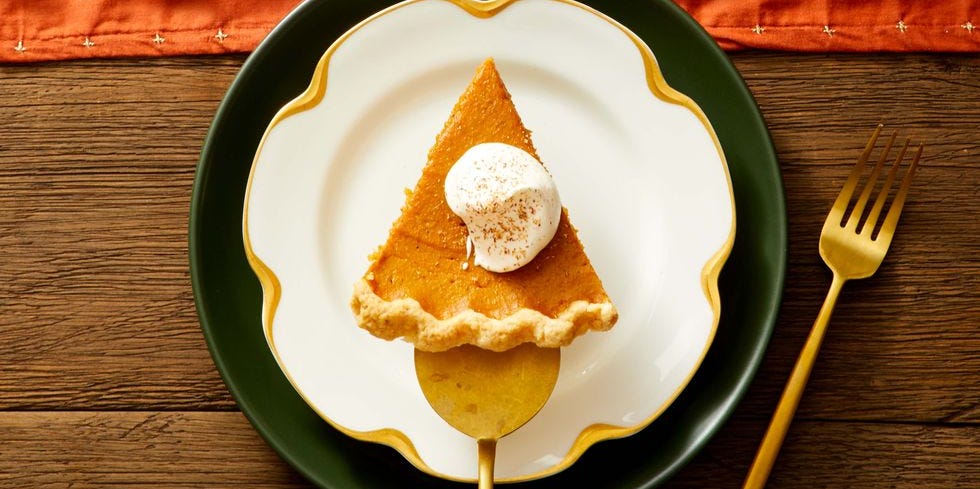
Some desserts enter the room quietly. Spiced pumpkin pie does not. It arrives wearing a cozy sweater, smelling like cinnamon and nutmeg, and making everyone suddenly “too full” for dinner but mysteriously available for dessert. This best spiced pumpkin pie recipe is rich, smooth, warmly seasoned, and easy enough for first-time bakers who still get nervous when a recipe says “blind bake.”
The goal here is simple: a silky pumpkin filling, a flaky crust, a deep fall spice flavor, and slices that hold their shape without tasting stiff or dull. This homemade pumpkin pie is made with canned pumpkin puree for consistency, evaporated milk for a classic custard texture, brown sugar for caramel-like depth, and a balanced spice blend that tastes festive without punching you in the taste buds.
Whether you are baking for Thanksgiving, Friendsgiving, a fall dinner party, or a random Tuesday when your kitchen needs to smell like happiness, this guide will walk you through exactly how to make spiced pumpkin pie from start to finish.
Why This Is the Best Spiced Pumpkin Pie Recipe
A great pumpkin pie should not taste like plain pumpkin in a crust. Pumpkin is mild, earthy, and slightly sweet, which means it needs a little help from its louder friends: cinnamon, ginger, nutmeg, cloves, and allspice. The best version balances creamy custard with a bold spice profile, a tender crust, and just enough sweetness to make whipped cream feel like a crown instead of a rescue mission.
This recipe works because it focuses on four things: flavor, texture, structure, and timing. Brown sugar adds warmth. A touch of vanilla rounds out the spices. Eggs help the filling set. Evaporated milk keeps the custard smooth and traditional. A short burst of high heat helps the crust begin baking quickly, while a lower oven temperature finishes the filling gently.
The result is a classic spiced pumpkin pie with a smooth center, crisp edges, and a spice blend that tastes homemade rather than one-note. In other words, this pie knows how to behave at the dessert table.
Ingredients for Homemade Spiced Pumpkin Pie
This recipe makes one 9-inch pie, serving 8 generous slices or 10 polite slices. Around the holidays, “polite slices” tend to disappear suspiciously fast.
For the Pie Crust
- 1 unbaked 9-inch deep-dish pie crust, homemade or store-bought
- 1 egg white, lightly beaten, for brushing the crust
- 1 tablespoon granulated sugar, optional, for sprinkling the crust edge
For the Spiced Pumpkin Pie Filling
- 1 can pumpkin puree, 15 ounces
- 3 large eggs, room temperature
- 3/4 cup packed light brown sugar
- 1/4 cup granulated sugar
- 1 can evaporated milk, 12 fluid ounces
- 1 tablespoon cornstarch
- 1 1/2 teaspoons ground cinnamon
- 3/4 teaspoon ground ginger
- 1/2 teaspoon ground nutmeg
- 1/4 teaspoon ground cloves
- 1/4 teaspoon ground allspice
- 1/2 teaspoon fine salt
- 1 1/2 teaspoons pure vanilla extract
- Optional: 1/8 teaspoon black pepper for extra warmth
For Serving
- Fresh whipped cream
- A sprinkle of cinnamon
- Caramel drizzle, optional
- Toasted pecans, optional
Canned Pumpkin vs. Fresh Pumpkin: Which Is Better?
For the most reliable pumpkin pie recipe, canned pumpkin puree is usually the winner. It has a consistent thickness, concentrated flavor, and dependable moisture level. Fresh pumpkin puree can be delicious, but it varies depending on the pumpkin type, roasting time, and how much water remains in the puree.
If you use fresh pumpkin, choose a sugar pumpkin or pie pumpkin, roast it until tender, puree it until smooth, and drain it through cheesecloth or a fine mesh strainer if it seems watery. The filling should look thick, not soupy. Pumpkin pie is a custard, not a swimming pool.
One important note: use pumpkin puree, not pumpkin pie filling. Pumpkin pie filling is already sweetened and spiced, which can throw off the flavor and texture of this recipe.
How To Make Spiced Pumpkin Pie
Step 1: Prepare the Crust
Preheat the oven to 425°F. Place the pie crust in a 9-inch deep-dish pie plate and crimp the edges. Chill the crust in the refrigerator for at least 20 minutes while you make the filling. A cold crust holds its shape better and gives the butter or fat time to firm up before baking.
If you want a crisper bottom crust, partially blind bake it. Line the chilled crust with parchment paper or foil, fill it with pie weights or dry beans, and bake at 375°F for about 12 to 15 minutes. Remove the weights, brush the crust lightly with egg white, and bake for another 3 to 5 minutes. Let it cool slightly before adding the pumpkin filling.
Blind baking is optional, but it is a smart move if you dislike soggy bottoms. And really, who among us wants a soggy bottom at Thanksgiving?
Step 2: Mix the Dry Ingredients
In a medium bowl, whisk together the brown sugar, granulated sugar, cornstarch, cinnamon, ginger, nutmeg, cloves, allspice, salt, and optional black pepper. Mixing the spices with the sugar first helps distribute them evenly through the filling. Nobody wants one slice tasting like a cinnamon candle and another tasting like plain squash.
Step 3: Whisk the Pumpkin Filling
In a large bowl, whisk the eggs until smooth. Add the pumpkin puree and whisk again. Stir in the sugar-spice mixture until fully combined. Slowly pour in the evaporated milk while whisking, then add the vanilla extract.
The filling will be loose and pourable. That is normal. Pumpkin pie filling sets in the oven as the eggs cook and the custard thickens. If the mixture looks lumpy, whisk it a little longer or blend it briefly with an immersion blender for an extra-smooth texture.
Step 4: Fill the Crust
Place the pie crust on a rimmed baking sheet. This makes the pie easier to move and catches any spills. Pour the filling into the crust until it is nearly full, leaving a little room at the top. If you have extra filling, pour it into a small ramekin and bake it as a crustless pumpkin custard snack. Consider it the baker’s tax.
Step 5: Bake the Pie
Bake the pie at 425°F for 15 minutes. Without opening the oven door too long, reduce the temperature to 350°F and continue baking for 40 to 50 minutes. The edges should be set, and the center should still have a slight jiggle when gently moved.
If the crust browns too quickly, cover the edges with a pie shield or strips of foil. Do not wait until the crust looks like it has returned from a beach vacation with no sunscreen.
Step 6: Cool Completely
Remove the pie from the oven and place it on a wire rack. Let it cool at room temperature for about 2 hours. The filling will continue to set as it cools. Cutting too soon can lead to a soft, messy slice. Delicious? Yes. Photogenic? Absolutely not.
Step 7: Chill Before Serving
For the cleanest slices and best flavor, refrigerate the cooled pie for at least 4 hours, or overnight. Chilling allows the spices to settle, the custard to firm up, and the texture to become smooth and sliceable.
How To Tell When Pumpkin Pie Is Done
The trickiest part of making homemade pumpkin pie is knowing when to stop baking. An underbaked pie will be loose in the center, while an overbaked pie may crack, curdle, or pull away from the crust.
The best test is the jiggle test. Gently nudge the pie plate. The outer edges should look set, while the center should wobble slightly like soft gelatin. It should not slosh like liquid. If the entire filling waves at you, it needs more time.
You can also use an instant-read thermometer. The center should reach about 175°F to 180°F. If you use the knife test, insert a thin knife about 1 inch from the center; it should come out mostly clean. This method works, but it may leave a visible mark, so use it only if you do not mind a little “homemade character.” Whipped cream can hide many things. It is basically dessert concealer.
Best Spices for Pumpkin Pie
The classic pumpkin pie spice blend includes cinnamon, ginger, nutmeg, cloves, and sometimes allspice. Cinnamon brings sweetness and warmth. Ginger adds brightness and a gentle bite. Nutmeg gives depth. Cloves add intensity, so use them carefully. Allspice rounds everything out with hints of clove, cinnamon, and pepper.
This recipe uses individual spices because it gives you more control. If you prefer using pumpkin pie spice, replace the cinnamon, ginger, nutmeg, cloves, and allspice with 2 1/2 teaspoons of pumpkin pie spice. Taste preferences vary, so feel free to adjust slightly. Love ginger? Add another 1/4 teaspoon. Want a softer spice profile? Reduce the cloves.
Tips for the Smoothest Pumpkin Pie Filling
Use Room-Temperature Eggs
Room-temperature eggs blend more easily into the pumpkin mixture, helping the custard bake evenly. Cold eggs are not a disaster, but they can make the filling slightly less uniform.
Do Not Overmix
Whisk until smooth, but do not beat the filling like you are auditioning for a cooking competition. Too much air can create bubbles that rise and leave marks on the surface.
Strain the Filling
For a bakery-style finish, pour the filling through a fine mesh strainer before adding it to the crust. This removes spice clumps, egg bits, and any fibrous pumpkin texture.
Let the Filling Rest
If you have time, mix the filling a few hours ahead or the night before and refrigerate it. The spices bloom and blend, giving the pie a deeper flavor. Stir gently before pouring it into the crust.
Common Pumpkin Pie Mistakes and How To Fix Them
Why Did My Pumpkin Pie Crack?
Cracks usually happen when the pie is overbaked or cooled too aggressively. Pull the pie from the oven while the center still jiggles slightly. Let it cool gradually on a rack, away from cold drafts.
Why Is My Pumpkin Pie Watery?
Watery pie can happen if the pumpkin puree is too thin, the pie is underbaked, or it was sliced before cooling. Use thick canned pumpkin, bake until the edges are set, and chill before serving.
Why Is My Crust Soggy?
A custard filling adds moisture to the crust. To prevent sogginess, chill the dough, blind bake the crust, brush it with egg white, and bake the pie on a preheated baking sheet if desired.
Why Does My Pie Taste Bland?
Pumpkin needs salt, spice, and sweetness. Do not skip the salt, and make sure your spices are fresh. Ground spices lose strength over time, so if your cinnamon has been in the cabinet since the last presidential administration, it may be time to replace it.
Make-Ahead and Storage Instructions
Pumpkin pie is one of the best make-ahead desserts because it actually improves after chilling. Bake it one day before serving, cool it completely, then cover and refrigerate.
Because pumpkin pie is an egg-rich custard, it should not sit at room temperature for more than 2 hours after cooling. Store leftovers covered in the refrigerator for 3 to 4 days. For longer storage, freeze the cooled pie tightly wrapped for up to 1 month for best quality. Thaw overnight in the refrigerator before serving.
To refresh chilled pie, let slices sit at room temperature for 15 to 20 minutes before serving. You can also warm individual slices briefly, but avoid overheating or the custard may soften too much.
What To Serve With Spiced Pumpkin Pie
Fresh whipped cream is the classic choice, and for good reason. Its lightness balances the dense, creamy filling. Add a little vanilla or maple syrup to the cream for extra flavor.
For a more dramatic finish, try cinnamon whipped cream, bourbon whipped cream, candied pecans, caramel sauce, or a sprinkle of flaky sea salt. If you want something bright, serve the pie with orange zest whipped cream. Citrus lifts the warm spices and makes the pie taste a little more modern.
Easy Variations
Maple Spiced Pumpkin Pie
Replace 1/4 cup of the brown sugar with pure maple syrup. This adds a woodsy sweetness that pairs beautifully with cinnamon and ginger.
Extra-Ginger Pumpkin Pie
Add 1/4 teaspoon more ground ginger or use a gingersnap crust instead of pastry crust. This version is bold, spicy, and excellent with whipped cream.
Orange-Vanilla Pumpkin Pie
Add 1 teaspoon finely grated orange zest to the filling. Orange brightens the custard and keeps the spices from feeling too heavy.
Creamy Pumpkin Pie
Replace half of the evaporated milk with heavy cream for a richer, softer filling. This creates a more luxurious texture, though the pie may need a few extra minutes in the oven.
Experience Notes: What Baking Spiced Pumpkin Pie Teaches You
There is something wonderfully old-fashioned about making pumpkin pie. It does not demand fancy equipment or dramatic pastry skills. It simply asks for patience, good spices, and the emotional strength not to cut into it while it is still warm. That last part is harder than it sounds.
The first thing you learn is that pumpkin pie is more about balance than complexity. The ingredient list looks simple, but every detail matters. Too much clove can make the filling taste medicinal. Too little salt can leave it flat. A pale crust can taste doughy, while an overbaked filling can turn grainy. The best spiced pumpkin pie sits right in the middle: creamy but set, sweet but not sticky, warmly spiced but not overwhelming.
Another lesson is that canned pumpkin is not a shortcut to be ashamed of. In many kitchens, it is the secret to reliable pie. Homemade puree sounds romantic, and it can be lovely, but it also brings extra moisture and unpredictability. For holiday baking, when the oven is crowded and someone is asking where the gravy boat went, reliability is a gift.
Making this pie also reminds you that cooling time is part of the recipe. Many desserts are forgiving when served warm, but pumpkin pie needs time to settle into itself. Right out of the oven, the center may seem a little soft. After a few hours, it becomes smooth, sliceable, and confident. It is basically the dessert version of taking a deep breath before entering a family gathering.
The spice blend is where personality enters. Some families like a cinnamon-forward pie. Others want ginger to lead the parade. A tiny pinch of black pepper may sound strange, but it can sharpen the warm spices without making the pie taste peppery. The key is to taste your spices before using them. If they smell weak in the jar, they will taste weak in the pie.
Serving pumpkin pie is also an experience in dessert diplomacy. Some people want a tiny slice. Some want a wedge that looks structurally ambitious. Some insist they do not like pumpkin pie, then eat half of someone else’s. The beauty of a well-made spiced pumpkin pie is that it usually wins over the undecided. It is familiar, comforting, and just fancy enough to feel special.
If you are baking this for Thanksgiving, make it the day before. Not only does that free up oven space, but the flavor improves overnight. The spices mellow, the custard firms, and the whole pie becomes easier to slice. On serving day, all you need is whipped cream and a clean knife. For neat slices, wipe the knife between cuts. For realistic family slices, just do your best and call it rustic.
In the end, the best spiced pumpkin pie is not about perfection. It is about aroma, tradition, texture, and that quiet moment when everyone at the table takes the first bite and briefly stops talking. That is when you know the pie worked. Even if the crust cracked, the filling wobbled, or the whipped cream leaned sideways, you still made something warm, seasonal, and worth remembering.
Conclusion
This best spiced pumpkin pie recipe delivers everything a classic fall dessert should: a flaky crust, a silky pumpkin custard, bold warm spices, and a make-ahead method that saves your sanity during busy holiday cooking. By using canned pumpkin puree, brown sugar, evaporated milk, fresh spices, and careful baking, you get a pie that is smooth, flavorful, and easy to slice.
The biggest secrets are simple: keep the crust cold, do not overbake the filling, let the pie cool fully, and chill it before serving. Add whipped cream, pour coffee, and prepare for the kind of silence that only happens when dessert is doing its job.
Note: This original article is written for web publishing, SEO readability, and practical home baking use. It is based on established pumpkin pie methods, food-safety best practices, and real recipe-testing principles.