Tennis elbow is annoying during the day, but at night it can feel like your arm has started its own tiny protest movement. You finally get comfortable, roll over, bend your elbow the wrong way, and suddenly your sleep schedule files a complaint. The good news: learning how to sleep with tennis elbow comfortably is absolutely possible with the right position, support, bedtime routine, and a little common sense.
This guide explains why tennis elbow hurts more at night, which sleeping positions help, which positions make things worse, and how to build a practical nighttime routine that gives your irritated tendon a chance to calm down. No magic pillow requiredalthough, yes, pillows are about to become your new unpaid medical assistants.
What Is Tennis Elbow, Really?
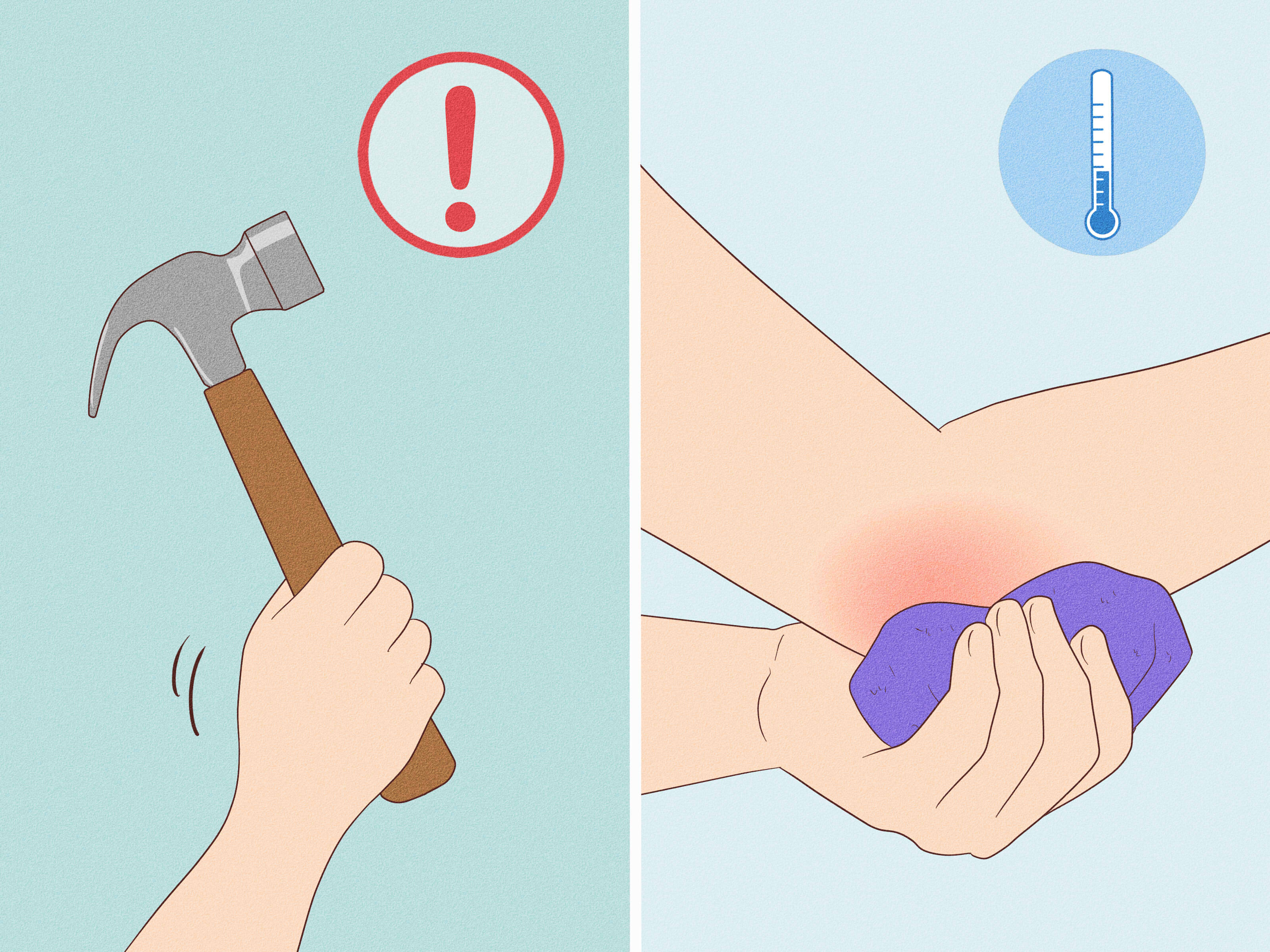
Tennis elbow, medically called lateral epicondylitis or lateral elbow tendinopathy, is pain around the outside of the elbow. Despite the name, you do not need to own a tennis racket, white shorts, or dramatic Wimbledon energy to get it. It often develops from repetitive gripping, lifting, twisting, typing, tool use, cooking, gardening, weight training, or work tasks that overload the forearm tendons.
The pain usually comes from irritation of the tendons that connect the forearm muscles to the bony bump on the outside of the elbow. These muscles help extend the wrist and fingers. When they are overworked, the tendon area can become painful, sensitive, and stubbornly dramaticespecially when you grip a mug, turn a doorknob, lift a pan, shake hands, or try to sleep like a peaceful human being.
Common Symptoms That Can Affect Sleep
People with tennis elbow often notice outer elbow pain, forearm aching, grip weakness, stiffness, and pain that worsens with wrist or hand movement. At night, discomfort may increase because the arm is bent, compressed, unsupported, or trapped under the body. Even a small twist of the forearm can wake the tendon up like an angry cat at 3 a.m.
Why Tennis Elbow Can Hurt More at Night
Nighttime pain does not necessarily mean your injury is getting worse. Often, it means your sleeping position is irritating the tendon. During the day, you move around, adjust your arm, and distract yourself. At night, your elbow may stay in one position for hours. If that position bends the wrist, compresses the elbow, or stretches the forearm tendons, the pain may become louder.
Another reason tennis elbow can feel worse at night is reduced distraction. During the day, your brain is busy with school, work, errands, messages, snacks, and wondering why every USB plug takes three attempts. At night, the room is quiet, your body is still, and pain signals get the spotlight.
Inflammation, tendon sensitivity, and overuse from the day can also catch up with you once you lie down. If you spent hours typing, lifting, cleaning, playing sports, or scrolling with a tense grip, your elbow may remind you at bedtime. Subtle daytime overload often becomes nighttime payback.
Best Sleeping Positions for Tennis Elbow
The best sleeping position for tennis elbow is the one that keeps the painful arm supported, relaxed, and away from direct pressure. Your goal is simple: reduce strain on the outside of the elbow and keep the wrist and forearm in a neutral position.
1. Sleep on Your Back with the Arm Supported
For many people, back sleeping is the most comfortable option. Lie on your back and place a pillow beside your body. Rest the affected arm on the pillow so the elbow is slightly bent and the wrist is neutral. The palm can face upward or inward, whichever feels more natural.
This position helps prevent your arm from falling across your body or twisting during sleep. It also keeps pressure off the outside of the elbow. Think of the pillow as a tiny luxury bed for your tendon. Ridiculous? Maybe. Useful? Very.
2. Sleep on the Unaffected Side with a Pillow Hug
If you are a side sleeper, try lying on the side that does not hurt. Place a pillow in front of your chest and rest the painful arm on top of it. Keep the elbow supported and slightly bent. Avoid letting the injured arm hang downward, because that can pull on the shoulder, forearm, and elbow.
A body pillow can work well here. It keeps the arm from collapsing inward and helps maintain a neutral position. Bonus: it also makes you look like someone who has life figured out, even if your elbow disagrees.
3. Use a Small Towel Roll for Extra Elbow Support
A small towel roll can help if your elbow feels sensitive against the mattress. Place it gently under the forearm or near the elbownot directly pressing hard into the sore bony spot. The idea is to create soft support, not to build a medieval elbow trap.
If the towel increases pain, remove it. Tennis elbow care is not a “no pain, no gain” situation. At bedtime, comfort is the boss.
4. Keep the Wrist Neutral
Many people focus only on the elbow, but the wrist matters too. The muscles involved in tennis elbow connect through the forearm and help move the wrist. Sleeping with the wrist bent sharply up or down can increase tension on the tendon. Try to keep the wrist straight and relaxed.
If you wake up with your wrist curled under your chin like a sleepy squirrel, consider using pillow support to keep the whole arm aligned.
Sleeping Positions to Avoid with Tennis Elbow
Some positions are almost guaranteed to make tennis elbow grumble. You do not need to sleep like a statue, but avoiding these common mistakes can make a big difference.
Avoid Sleeping on the Painful Arm
Sleeping directly on the affected elbow can compress the irritated tendon and surrounding tissues. This may increase pain, stiffness, and morning soreness. If you naturally roll onto that side, use pillows behind your back or in front of your body to make rolling less likely.
Avoid Tucking the Arm Under Your Pillow
Tucking the painful arm under your pillow or head may bend the elbow and wrist for hours. It may feel cozy at first, but your tendon may strongly disagree later. Try to keep the affected arm visible, supported, and free from body weight.
Avoid Letting the Arm Dangle
If you sleep on your side and the painful arm hangs off the bed or drops across your body, the shoulder and forearm can pull on the elbow. Support the arm with a pillow so gravity does not become your nighttime enemy.
A Bedtime Routine for Tennis Elbow Relief
A good bedtime routine can reduce irritation before you sleep. The goal is not to “fix” tennis elbow overnight. Tendons are not microwave popcorn. They need time, consistency, and less aggravation. But a smart routine can help you settle down with less pain.
Step 1: Calm the Elbow Before Bed
If your elbow feels sore after a busy day, consider using a cold pack wrapped in a towel for a short period before bedtime. Do not place ice directly on your skin, and do not fall asleep with an ice pack on your arm. Cold therapy may help calm pain after activity, especially when the elbow feels irritated.
Some people prefer gentle warmth before bed if the elbow feels stiff rather than hot or freshly irritated. Warmth may help relax muscles, but if heat increases throbbing or swelling, skip it. Your elbow gets a vote.
Step 2: Do Gentle Stretching Only If It Feels Good
Gentle forearm stretches may help some people, especially when recommended by a healthcare provider or physical therapist. A common stretch involves extending the arm and gently flexing the wrist with the opposite hand. However, do not force a stretch, bounce, or push into sharp pain. Bedtime is not the time to audition for a tendon toughness contest.
If stretching makes symptoms worse, stop and ask a clinician or physical therapist for guidance. Tennis elbow exercises can be helpful, but the right timing and intensity matter.
Step 3: Set Up Your Pillows Before You Are Half-Asleep
Arrange your pillow support before turning out the lights. If you wait until you are exhausted, you may end up improvising with a blanket lump that supports everything except the actual elbow. Place one pillow beside your torso if sleeping on your back, or one in front of your chest if sleeping on your unaffected side.
Step 4: Keep Nighttime Pain Relief Safe
Over-the-counter pain relievers may help some people, but they are not right for everyone. Follow the product label and ask a healthcare professional if you have medical conditions, take other medications, are pregnant, have stomach, kidney, liver, or bleeding concerns, or are giving medicine to a child or teen. Pain medicine should support recovery, not replace smart positioning and activity changes.
Should You Wear a Tennis Elbow Brace at Night?
A tennis elbow brace, also called a counterforce strap, is often worn around the upper forearm below the elbow. It may reduce strain on the painful tendon during activities such as lifting, gripping, or tool use. Some people wonder whether wearing it at night helps.
For sleep, the answer depends on comfort and professional advice. A brace that is too tight can cause pressure, numbness, tingling, or circulation problems. If a clinician recommends wearing a brace at night, make sure it fits properly and does not compress the arm. If you wake up with numb fingers, marks, increased pain, or a “my arm belongs to a stranger” feeling, remove it and seek guidance.
Many people do better using pillow support at night and saving the counterforce brace for daytime tasks that trigger pain. A wrist splint may be recommended in some cases to reduce wrist motion, but again, fit and comfort matter. The best brace is not the tightest brace. This is healthcare, not gift wrapping.
Daytime Habits That Improve Nighttime Comfort
How you treat your elbow during the day strongly affects how it behaves at night. If you overload the tendon from breakfast to bedtime, no pillow arrangement can fully rescue you. Night comfort starts long before your head hits the pillow.
Modify Painful Activities
Rest does not always mean doing nothing. It often means changing the way you do things. Avoid repeated gripping, heavy lifting with the palm down, forceful twisting, and carrying bags away from the body. Use two hands when lifting heavier items. Keep objects close to your torso. Switch tasks when possible.
For example, instead of lifting a full pan with one hand, use both hands. Instead of carrying a heavy backpack or tote by gripping it tightly, use straps or divide the load. Instead of attacking a stuck jar lid like it insulted your family, use a jar opener.
Improve Your Desk and Phone Setup
Typing and mouse use can aggravate tennis elbow if your wrist stays extended or your grip stays tense. Keep your keyboard and mouse close. Relax your hand. Avoid death-gripping the mouse like it owes you money. Take short breaks to move your wrist, elbow, shoulder, and neck.
Phone scrolling can also irritate the forearm. If your elbow hurts at night, consider how long you hold your phone during the day. Use voice commands, switch hands, prop the phone up, or take breaks. Your elbow does not care that the video was almost over.
Build Strength Gradually
Physical therapy often focuses on stretching, strengthening, and gradually improving tendon tolerance. Eccentric and resistance exercises may be used, but they should be introduced carefully. Too much too soon can flare symptoms. A healthcare provider or physical therapist can help you choose exercises that fit your stage of recovery.
When to See a Doctor or Physical Therapist
Mild tennis elbow often improves with activity modification, supportive care, and time. However, you should consider medical evaluation if pain lasts more than a few weeks, keeps waking you at night, limits daily tasks, or does not improve with sensible self-care.
Seek prompt care if you have severe pain after an injury, visible deformity, major swelling, fever, redness, warmth, numbness, tingling, weakness, or inability to move the elbow normally. These symptoms may suggest something other than simple tennis elbow.
A clinician can confirm the diagnosis and rule out other causes of elbow pain, such as nerve irritation, arthritis, bursitis, fracture, or referred pain from the neck or shoulder. A physical therapist can also analyze your movement patterns and teach exercises that help without poking the bear.
Practical Examples: How Different Sleepers Can Adjust
For Back Sleepers
Place a pillow lengthwise beside your affected arm. Rest your forearm on it with the elbow slightly bent. Add a small towel near the wrist if your hand falls backward. Keep the shoulder relaxed. If your arm slides off the pillow, use a larger pillow or tuck the edge lightly under your arm.
For Side Sleepers
Sleep on the side that does not hurt. Hug a pillow and rest the painful arm on top. The elbow should not be crushed between your body and the mattress. Keep the wrist straight. If you roll forward, place a pillow behind your back for gentle support.
For Stomach Sleepers
Stomach sleeping can be tricky because it often forces the neck, shoulder, elbow, and wrist into awkward positions. If you can, transition to side or back sleeping while the elbow heals. If you cannot, keep the affected arm down by your side rather than under the pillow, and use a thin pillow under your chest or shoulder to reduce twisting.
Small Comfort Upgrades That May Help
You do not need to buy half the internet to sleep better with tennis elbow. Start with simple tools you probably already own.
- Extra pillow: Supports the forearm and prevents dangling.
- Body pillow: Helps side sleepers keep the arm aligned.
- Small towel roll: Adds gentle support under the forearm or wrist.
- Comfortable mattress setup: Reduces pressure points and tossing.
- Bedside reminder: A small note saying “support the arm” can help until the habit sticks.
If you use an elbow sleeve, brace, or wrist splint, make sure it does not feel tight. Comfort should improve, not turn your arm into a wrapped burrito with circulation concerns.
Common Mistakes That Make Tennis Elbow Worse at Night
The most common mistake is ignoring daytime triggers and expecting sleep position alone to solve the problem. If your elbow is irritated all day, it may not magically become charming at night. Reduce the movements that trigger pain, especially repetitive gripping and twisting.
Another mistake is stretching too aggressively. Gentle movement can help, but painful stretching can irritate the tendon. The same goes for strengthening exercises. More is not always better. Tendons appreciate progressive loading, not surprise boot camp.
Finally, many people sleep with the arm bent tightly or tucked under the body. This may feel natural, but it can increase pressure and strain. Pillow support may feel awkward for a few nights, but your elbow may reward the effort with less morning crankiness.
Extra Experience-Based Tips for Sleeping with Tennis Elbow Comfortably
Living with tennis elbow teaches you that tiny movements can have big opinions. One person may feel fine all day, then wake up because their elbow rolled onto the mattress at exactly the wrong angle. Another may discover that the real villain is not tennis, but opening jars, carrying groceries, using a mouse, or holding a phone while lying in bed. The nighttime solution often starts with detective work.
A helpful experience-based approach is to keep a simple “elbow diary” for a week. Nothing fancyjust note what you did during the day, how you slept, and how the elbow felt in the morning. You may notice patterns. Maybe pain is worse after yardwork, long typing sessions, gaming, cooking, or lifting weights. Maybe sleeping on your right side causes symptoms, while back sleeping with a pillow reduces them. Once you see the pattern, you can stop guessing and start adjusting.
Many people also find that the first hour of sleep setup matters. If you fall asleep with the arm supported, you are more likely to stay comfortable longer. Put the pillow where it needs to be before you get sleepy. Adjust the blanket so it does not pull your wrist downward. Keep the sore elbow away from the mattress edge. It sounds overly detailed, but when pain is waking you up, small details become VIPs.
Another practical tip is to reduce evening strain. If possible, avoid heavy gripping tasks in the last hour or two before bed. That means no intense dumbbell curls, no heroic furniture moving, and no opening every jar in the kitchen just because you suddenly crave pickles. Let the elbow wind down. If you must do chores, use both hands and keep your wrist neutral.
People who work at computers often notice improvement when they change mouse habits. A tense grip can irritate the forearm muscles that attach near the elbow. Try relaxing your hand, moving from the shoulder instead of only the wrist, and taking short breaks. At night, avoid lying in bed holding your phone above your face for long periods. That position can load the wrist and forearm, and dropping the phone on your nose is not a recognized treatment plan.
Some sleepers benefit from “pillow blocking.” Place one pillow in front of your body and one behind your back. This creates a soft boundary that discourages rolling onto the painful arm. It may feel like building a tiny pillow fortress, but if it protects your elbow, the fortress has done its job.
Morning stiffness is also common. Instead of jumping straight into gripping tasks, move the wrist, hand, and elbow gently for a minute. Keep the first few activities light. If your morning routine includes lifting a heavy coffee pot, use two hands. Coffee is important, but so is not angering your tendon before breakfast.
Most importantly, be patient. Tennis elbow often improves gradually, not dramatically. You may have a great night, then a sore night, then two better nights. That does not mean failure. It means tendons are slow learners. Support the arm, reduce aggravating activities, follow professional advice, and give your body a fair chance to recover. Comfortable sleep is not just about surviving the night; it is part of helping the elbow heal with less daily drama.
Conclusion: Better Sleep Starts with Better Support
Learning how to sleep with tennis elbow comfortably comes down to reducing pressure, supporting the affected arm, and keeping the wrist and forearm relaxed. Back sleeping with a pillow under the arm is often the easiest setup, while side sleepers usually do best lying on the unaffected side and hugging a pillow. Avoid sleeping directly on the painful elbow, tucking the arm under your head, or letting it dangle unsupported.
Pair good sleep positioning with smart daytime habits: modify painful activities, use ice or warmth appropriately, avoid aggressive stretching, and consider guidance from a healthcare professional or physical therapist if symptoms persist. Tennis elbow can be stubborn, but your bedtime routine does not have to be complicated. Sometimes the road to better sleep is paved with one well-placed pillow and the wisdom to stop opening jars like a competitive sport.