Losing a hamster can feel strangely enormous for such a tiny animal. One day your little pocket-sized roommate is stuffing cheeks like a furry grocery bag, and the next day you are wondering why the wheel is silent, the bedding is still, and your heart feels like it has been stepped on by a very small paw. If you are searching for how to deal with your hamster dying, you are probably facing one of two painful moments: your hamster is very ill, or your hamster has already passed away.
This guide walks you through four compassionate ways to handle the situation: recognizing what is happening, making your hamster comfortable, dealing with aftercare, and processing your grief. It is written for real people in real homes, including first-time hamster owners, parents helping children, and anyone who did not expect to cry over a creature who once tried to fight a cucumber.
Before Anything Else: Is Your Hamster Dying, Sick, or in Torpor?
Hamsters are prey animals, which means they often hide illness until they are seriously unwell. A hamster that suddenly becomes still, weak, cold, hunched, uninterested in food, or slow to respond may be critically ill. Other warning signs include labored breathing, diarrhea, wetness around the tail, weight loss, a rough coat, dehydration, swelling, bleeding, or a dramatic change in normal behavior.
However, one confusing possibility is torpor, a hibernation-like state that can happen when a hamster becomes too cold. In torpor, breathing and heart rate slow down, and the hamster may feel cool and look frighteningly lifeless. This does not mean you should assume everything is fine. Instead, gently warm the room, avoid rough handling, and contact an exotic-pet veterinarian or emergency clinic for guidance. When in doubt, treat the situation as urgent.
Small animals can decline quickly. A hamster with severe diarrhea, dehydration, breathing difficulty, or collapse may need immediate veterinary care. Do not try random medications, antibiotic creams, essential oils, or internet “miracle” treatments. Hamsters are delicate, and well-meant experiments can make things worse faster than you can say, “Why is there bedding in the food bowl again?”
1. Recognize the Signs and Call a Veterinarian
The first way to deal with your hamster dying is to slow down, observe carefully, and get professional help when possible. This is not the time to panic-scroll through twenty conflicting forum posts at 2 a.m. Make a quick list of what you are seeing: Is your hamster breathing? Moving? Eating? Drinking? Is the body cold? Is there diarrhea, blood, swelling, or discharge? Has your hamster recently fallen, escaped, changed foods, or been exposed to cold?
Common Signs a Hamster May Be Near Death
A dying hamster may appear extremely weak, limp, cold, or unresponsive. Breathing may become shallow, slow, noisy, or irregular. Some hamsters stop grooming, refuse favorite foods, sleep in unusual places, or stop using their wheel. Others may sit hunched in a corner with puffed fur, half-closed eyes, or little interest in their surroundings.
Digestive symptoms are especially concerning. Wet tail, a serious diarrheal disease often seen in young hamsters, can cause dehydration and rapid decline. If your hamster has a wet or dirty rear end, watery diarrhea, loss of appetite, and lethargy, veterinary attention is urgent. Hamsters do not have much body reserve, so dehydration can become dangerous quickly.
When Euthanasia May Be the Kindest Option
If your hamster is suffering and recovery is unlikely, a veterinarian may discuss humane euthanasia. That decision can feel unbearable, but it is not a failure. It is often the final act of care when an animal is in pain, unable to breathe comfortably, unable to eat, or no longer has a reasonable quality of life. A good veterinarian can explain what is happening, what options exist, and whether comfort care or euthanasia is most compassionate.
If you cannot find an exotic-pet veterinarian immediately, call nearby veterinary hospitals and ask directly: “Do you see hamsters or small mammals?” If they do not, ask for a referral. Even a phone conversation can help you decide whether your hamster needs emergency care, warmth, isolation, or a peaceful end-of-life appointment.
2. Make Your Hamster Comfortable and Reduce Stress
When a hamster is dying or seriously ill, comfort matters. You may not be able to fix the problem at home, but you can create a calm, safe environment while arranging veterinary help. Think of it as turning the world from “giant noisy chaos planet” into “quiet, warm, soft hamster suite.”
Keep the Space Warm, Quiet, and Safe
Move the cage away from drafts, loud televisions, barking dogs, curious cats, and bright lights. Keep the room comfortably warm, but do not place the cage directly on a heater or use anything that could burn your hamster. If your hamster is weak, lower the risk of falls by removing high platforms, steep tubes, or climbing toys. Place food and water close to the sleeping area so your hamster does not have to travel far.
Soft, clean bedding can help your hamster rest. Avoid strong-smelling cleaners, dusty bedding, or sudden cage overhauls unless the enclosure is soiled and unsafe. A complete habitat change may be stressful, so aim for gentle cleaning rather than a dramatic home renovation worthy of a reality show.
Offer Food and Water Without Forcing
You can offer familiar foods and fresh water nearby, but do not force-feed or force-water a very weak hamster unless a veterinarian specifically instructs you. Forcing liquid into the mouth can lead to choking or aspiration. If your hamster can still eat, soft pieces of safe foods may be easier, but treats should not replace medical care.
If your hamster enjoys your presence, sit nearby and speak softly. If handling causes stress, let your hamster rest. Some hamsters want gentle contact; others prefer their hideout. Both responses are normal. The goal is not to create a movie-perfect goodbye scene. The goal is to respect the animal in front of you.
Help Children Say Goodbye Gently
If children are involved, use simple, honest language. Avoid phrases like “went to sleep,” which can confuse younger kids and make bedtime scary. Instead, say something like, “Peanut’s body is very sick and may stop working,” or “Peanut died, which means his body does not feel pain anymore, and he cannot wake up.” Let children ask questions. They may cry, go quiet, draw pictures, or ask oddly practical questions about snacks five minutes later. Children grieve in waves, not always in adult-looking ways.
3. Handle Aftercare With Care, Respect, and Practical Sense
If your hamster has died, take a breath before doing anything. It is okay to cry. It is also okay to feel numb. It is even okay to think, “What am I supposed to do now?” Aftercare is the practical side of grief, and practical tasks can feel surreal when your little friend is gone.
Confirm Death Carefully
If you are not sure your hamster has died, look for breathing, movement, warmth, and response to gentle touch. Because torpor can mimic death, especially in cold conditions, uncertainty deserves a veterinary call. If the body is stiff, there is no breathing, and your hamster does not respond, death is more likely. Still, when unsure, ask a veterinarian before making final decisions.
Decide Between Burial and Cremation
Your options may include home burial, private cremation, communal cremation, or leaving aftercare arrangements with a veterinary clinic. Before burying a pet at home, check local rules, apartment policies, or property restrictions. In some places, home burial may not be allowed, or it may need to follow certain depth and safety guidelines. A veterinary office can usually explain common local options.
If you choose burial, wrap your hamster in a biodegradable cloth or small box. Pick a peaceful place that will not be disturbed by other animals. If you choose cremation, ask whether ashes can be returned. Some owners like having a small urn, a clay paw print, or a memorial box with a photo and favorite chew toy.
Clean the Cage When You Are Ready
Cleaning the cage can be surprisingly emotional. The tiny food stash, the little tunnel, the wheel that suddenly looks too stillit all hits hard. You do not have to do it immediately unless there is a hygiene concern. When you are ready, wear gloves, discard soiled bedding, wash accessories with pet-safe cleaning methods, and let everything dry thoroughly.
If you plan to adopt another hamster someday, do not rush. Grief deserves space. Also, a new hamster should have a properly cleaned habitat, fresh bedding, and a setup based on current hamster care recommendations. A new pet is not a replacement; it is a new relationship.
4. Let Yourself Grieve Without Feeling Silly
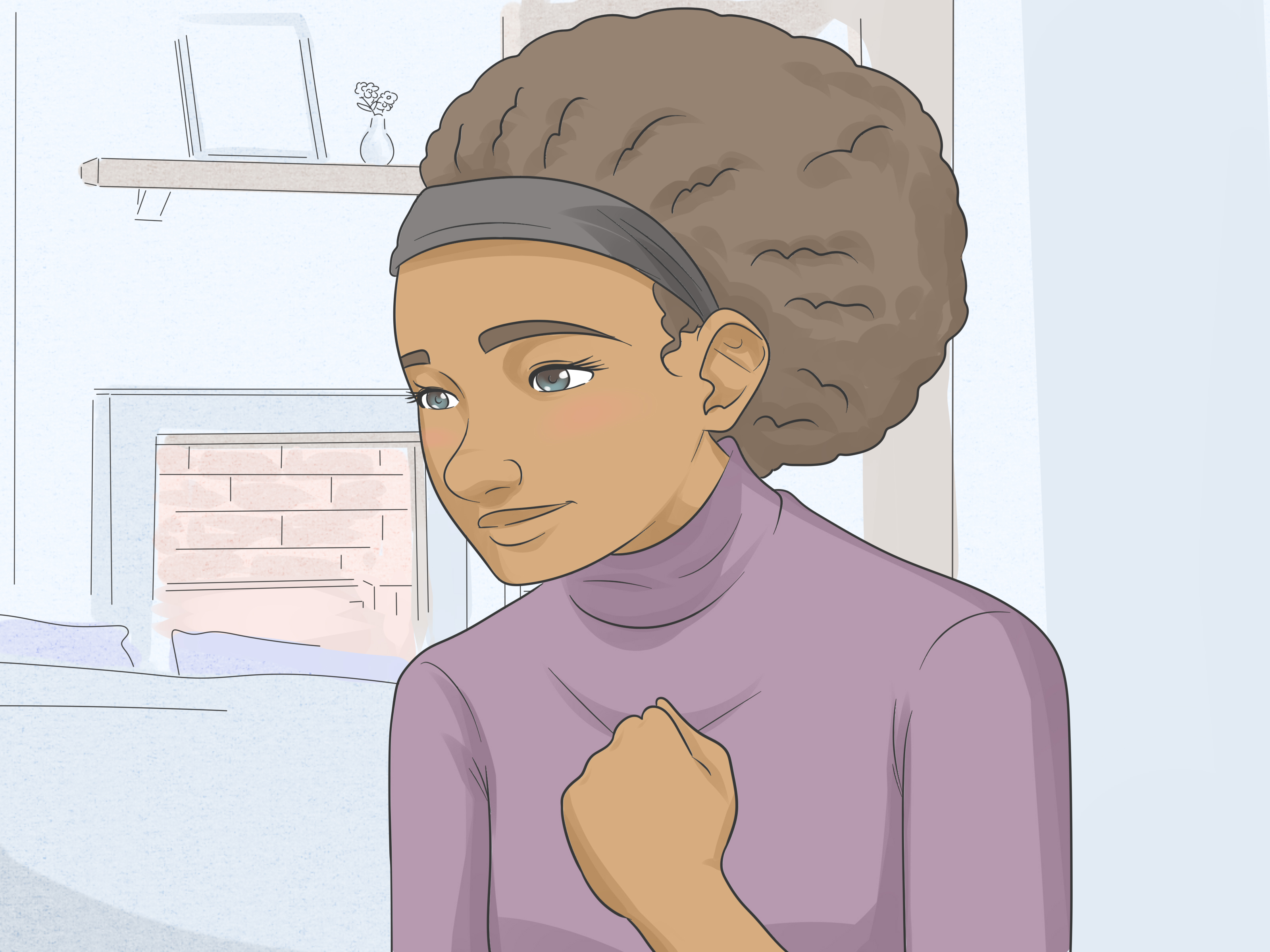
The fourth way to deal with your hamster dying may be the hardest: let the grief be real. Some people underestimate the bond between humans and small pets. They may say, “It was just a hamster,” which is usually meant to help but lands with all the softness of a dropped brick. Your hamster may have been small, but your routine with them was not small. Feeding them, cleaning the cage, watching them explore, laughing at their dramatic snack choicesthose moments mattered.
Why Hamster Loss Hurts So Much
Hamsters often become part of daily life. You may be used to hearing the wheel at night, checking the water bottle, saving tiny bits of safe vegetables, or greeting a sleepy face emerging from bedding like a miniature landlord inspecting the property. When that routine disappears, your brain keeps reaching for it. That empty space is grief.
Guilt is also common. You may replay decisions: Did I notice too late? Did I choose the wrong bedding? Should I have gone to the vet sooner? Some reflection is useful, especially if it helps future pet care. But endless self-punishment is not healing. Many hamster illnesses progress quickly, and prey animals hide symptoms. Loving your pet does not mean you could control everything.
Healthy Ways to Cope With Pet Loss
Talk to someone who understands pet grief. Write a letter to your hamster. Make a photo album. Create a small memorial spot. Light a candle. Plant flowers. Save a clean accessory, name tag, or favorite hideout. If you enjoy drawing, sketch your hamster doing something ridiculous and accurate, like sitting in a food bowl with the confidence of a tiny king.
Keep basic routines going: eat, shower, sleep, move your body, and spend time with supportive people. Grief is emotional, but it is physical too. If sadness becomes overwhelming, if you cannot function, or if the loss triggers deeper depression, reach out to a counselor, a pet-loss support hotline, or a grief group. Needing support does not mean you are “too sensitive.” It means you loved something and lost it.
Should You Get Another Hamster?
There is no universal timeline. Some people feel comforted by preparing for another hamster soon. Others need months or never want another small pet. Both choices are valid. Before adopting again, ask yourself whether you want a new animal for who they will be, not because you are trying to erase the pain. A new hamster will have a new personality, new habits, and possibly new opinions about whether your fingers are snacks.
Experience Notes: What It Feels Like to Say Goodbye to a Hamster
One of the most common experiences people describe when a hamster is dying is disbelief. Because hamsters are so active in short bursts, the change can feel sudden. Last week, your hamster may have been sprinting on the wheel like a tiny athlete training for the Rodent Olympics. Then, almost overnight, they are sleeping more, eating less, or sitting quietly in a corner. That contrast can make owners feel blindsided.
Another common experience is the strange silence after the loss. Hamsters are small, but they create a whole soundtrack: wheel spinning, bedding rustling, seeds cracking, water bottle clicking, tiny feet shuffling around after dark. When those sounds stop, the room feels different. Many owners say nighttime is the hardest because that was when their hamster was most awake. You may catch yourself listening for movement and then remembering. That moment hurts, but it is also proof that your hamster was truly part of your life.
People also often feel embarrassed by how much they grieve. They may worry that friends will not understand. But grief is not measured in pounds, inches, or lifespan. A hamster may live only a few years, but the bond can be intense because care is so personal. You are responsible for their food, water, bedding, safety, and comfort. You notice their habits. You learn their preferences. You know whether they like pumpkin seeds, whether they tolerate being held, and whether they believe the ceramic hideout is a bedroom, pantry, or royal fortress.
If you were present when your hamster died, the memory may replay in your mind. This is especially true if breathing changed, if your hamster looked weak, or if you had to make an urgent veterinary decision. Give yourself permission to replace that final image with fuller memories. Your hamster was not only the last day. Your hamster was every snack he tucked away, every tunnel she rearranged, every time they popped out of bedding with the startled expression of someone who forgot they live rent-free.
A helpful exercise is to write three lists. First, write “What I loved about my hamster.” Second, write “What I did to care for my hamster.” Third, write “What I would tell a friend in my situation.” That last list matters because people are often kinder to others than they are to themselves. If a friend told you their hamster died, you probably would not say, “You failed.” You would say, “You loved them. You tried. I am sorry.” You deserve the same compassion.
Some owners create a tiny goodbye ritual. It does not have to be fancy. You can place a flower near the burial spot, write a note, frame a photo, or say thank you out loud. A ritual gives grief somewhere to go. It marks the truth that this small life mattered. And yes, it is perfectly acceptable if the ceremony includes laughing through tears about the time your hamster ignored an expensive toy and fell in love with a cardboard tube.
Over time, the sharpness usually changes. You may still miss your hamster, but the memories become easier to hold. The empty cage stops feeling like a punch in the chest. The photos become sweet instead of only painful. You may even find yourself telling stories: how your hamster hoarded food, escaped once and caused a household search party, or looked personally offended when you cleaned the cage. That is not forgetting. That is carrying love forward.
Conclusion
Dealing with your hamster dying is a tender mix of urgent care, practical decisions, and real grief. Start by checking whether your hamster is critically ill, in torpor, or already gone. Contact a veterinarian when there is any doubt, especially if you see severe weakness, breathing trouble, diarrhea, dehydration, or collapse. If your hamster is near the end, focus on warmth, quiet, safety, and gentle comfort. After death, choose respectful aftercare through burial, cremation, or veterinary support. Then give yourself permission to mourn.
Your hamster may have been tiny, but the relationship was not. Love does not become less meaningful because it came with whiskers, bedding, and a habit of storing food in mysterious places. Whether you say goodbye with a memorial, a letter, a photo, or a quiet thank-you, what matters is that your hamster was cared forand remembered.