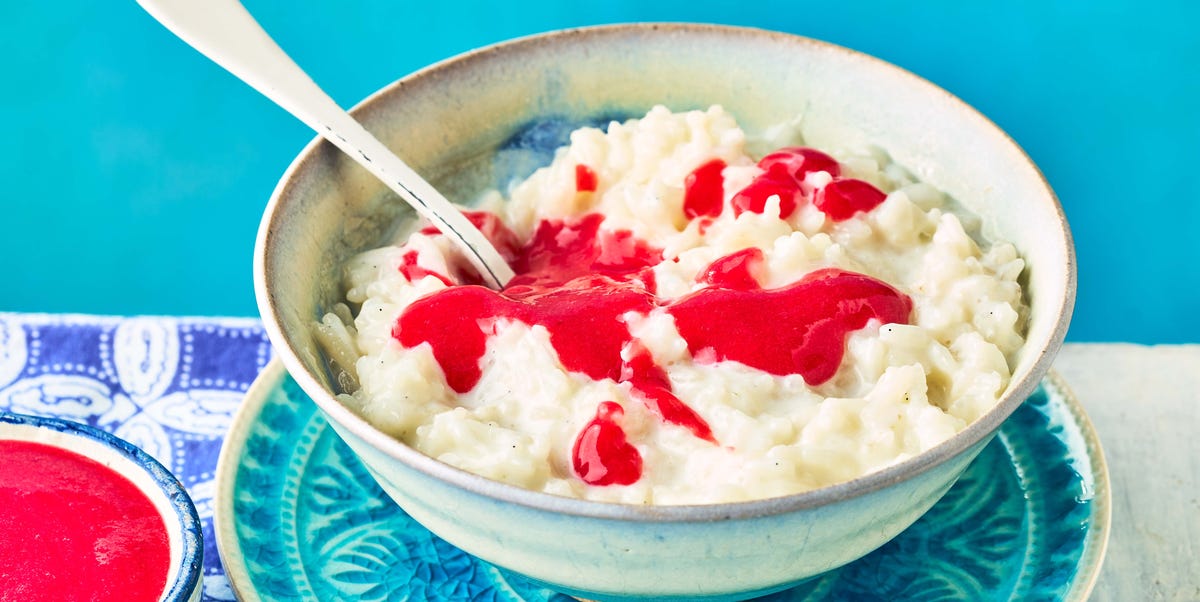
Some desserts wear a tuxedo. Cheat’s rice pudding shows up in fuzzy socks, carrying a spoon, and somehow wins the party. It is creamy, cozy, inexpensive, and wonderfully forgivingthe kind of dessert you can make when the fridge looks uninspiring, the pantry is whispering “good luck,” and you still want something that tastes like a hug from someone who knows how to use cinnamon.
This Cheat’s Rice Pudding Recipe is designed for real life. Instead of starting with uncooked rice and waiting for it to slowly soften, this version uses cooked riceleftover white rice, jasmine rice, basmati rice, short-grain rice, or even that takeout container hiding in the refrigerator like it owes you money. With milk, sugar, vanilla, a pinch of salt, and a few smart technique tricks, plain rice turns into a creamy rice pudding that tastes old-fashioned without requiring an old-fashioned afternoon.
The goal here is simple: make an easy rice pudding that is rich, spoonable, and comforting without being fussy. No baking dish required. No water bath. No culinary degree. Just a saucepan, a wooden spoon, and the emotional courage to stir for a few minutes without checking your phone every twelve seconds.
What Is Cheat’s Rice Pudding?
Cheat’s rice pudding is a shortcut version of classic rice pudding made with cooked rice instead of raw rice. Traditional rice pudding often begins by simmering raw rice in milk until the grains soften and release starch. That method is lovely, but it takes time and patience. The “cheat” method skips ahead by using rice that is already cooked, which means dessert can happen much faster.
The magic comes from gently simmering cooked rice with milk. As the mixture heats, the grains relax, release some starch, and thicken the liquid into a soft pudding. Sugar adds sweetness, vanilla brings bakery-counter warmth, cinnamon gives it that classic cozy aroma, and butter or cream can add extra richness if you want the pudding to taste like it has been planning a luxury vacation.
This recipe is also flexible. You can make it egg-free for a simple, creamy finish, or stir in a beaten egg at the end for a thicker custard-style pudding. You can serve it warm, chilled, plain, fruity, spiced, or dressed up with toppings. In other words, rice pudding is not dramatic. It adapts. If only group projects had the same attitude.
Why This Cheat’s Rice Pudding Recipe Works
It Uses Cooked Rice for Speed
Cooked rice has already done the hard part: absorbing water and becoming tender. That means the pudding only needs enough cooking time to soften the grains further, reduce the milk, and build a creamy texture. This makes the recipe perfect for weeknights, sudden dessert cravings, or using leftovers before they become a science experiment.
Milk Creates Creaminess Without Complication
Whole milk gives the best balance of richness and simplicity, but 2% milk works too. For a more decadent pudding, replace part of the milk with half-and-half or heavy cream. For a dairy-free rice pudding, canned coconut milk or oat milk can work nicely, though the final flavor and thickness will vary.
A Little Salt Makes the Sweetness Better
Salt may seem tiny, but it is not decorative. A small pinch sharpens the vanilla, balances the sugar, and keeps the pudding from tasting flat. Skip it and the pudding may still be edible, but it will have the personality of a damp napkin.
Gentle Heat Prevents Scorching
Milk can scorch if the heat is too high, especially in a thin pan. A heavy-bottomed saucepan and frequent stirring help the pudding thicken evenly without sticking. You do not need to stir like you are training for the Olympics, but do stay nearby. Rice pudding rewards attention and punishes abandonment.
Ingredients for Cheat’s Rice Pudding
- 2 cups cooked white rice – Leftover rice works beautifully. Short- or medium-grain rice makes a creamier pudding, but long-grain rice is also fine.
- 2 cups whole milk – Add more as needed for a looser texture.
- 3 to 4 tablespoons granulated sugar – Adjust depending on how sweet you like your dessert.
- 1/8 teaspoon salt – Small amount, big impact.
- 1 teaspoon vanilla extract – Add near the end for the best aroma.
- 1/2 teaspoon ground cinnamon – Plus more for serving.
- 1 tablespoon butter – Optional, but excellent for a glossy finish.
- 1/3 cup raisins – Optional. Use golden raisins, regular raisins, or skip them completely if raisins have personally betrayed you.
- 1 large egg – Optional, for a thicker custard-style pudding.
- 2 tablespoons cream or milk – Used to temper the egg if adding it.
How to Make Cheat’s Rice Pudding
Step 1: Combine Rice, Milk, Sugar, and Salt
Place the cooked rice, milk, sugar, and salt in a medium heavy-bottomed saucepan. Stir everything together, breaking up any clumps of rice. If your rice is cold from the refrigerator, it may look stubborn at first. Be patient. Cold rice has trust issues, but it warms up.
Step 2: Simmer Gently
Set the pan over medium heat until the mixture begins to steam and bubble lightly around the edges. Reduce the heat to medium-low and simmer for 12 to 18 minutes, stirring often. The rice will absorb some of the milk, and the liquid will thicken into a creamy sauce.
If the pudding gets too thick before the rice is soft and creamy, add more milk, 2 tablespoons at a time. Rice pudding thickens as it cools, so stop cooking when it is still slightly looser than your ideal final texture.
Step 3: Add Cinnamon, Vanilla, and Butter
Stir in the cinnamon, vanilla extract, and butter. The vanilla should go in near the end so its flavor stays bright instead of disappearing into the steam. The butter is optional, but it gives the pudding a silky finish that makes the whole pot taste more intentional.
Step 4: Add Raisins or Other Mix-Ins
If using raisins, stir them in during the last few minutes of cooking so they plump slightly. You can also use dried cranberries, chopped dates, toasted coconut, diced apples, orange zest, or chopped toasted nuts. Keep the mix-ins modest so the pudding remains creamy rather than turning into a trail mix wearing a milk mustache.
Step 5: Optional Custard Finish
For a thicker, richer pudding, whisk one egg with 2 tablespoons of milk or cream in a small bowl. Slowly spoon a little hot pudding into the egg mixture while whisking constantly. This warms the egg gradually and helps prevent scrambling. Then stir the tempered egg mixture back into the saucepan and cook over low heat for 1 to 2 minutes, stirring constantly, until the pudding thickens slightly.
Do not boil the pudding after adding the egg. Boiling can make the texture grainy. The goal is creamy custard, not breakfast confusion.
Recipe Card: Cheat’s Rice Pudding
Prep Time
5 minutes
Cook Time
15 to 20 minutes
Total Time
20 to 25 minutes
Servings
4 servings
Ingredients
- 2 cups cooked rice
- 2 cups whole milk, plus more as needed
- 3 to 4 tablespoons sugar
- 1/8 teaspoon salt
- 1/2 teaspoon ground cinnamon
- 1 teaspoon vanilla extract
- 1 tablespoon butter, optional
- 1/3 cup raisins, optional
- 1 large egg, optional
- 2 tablespoons milk or cream, optional for tempering egg
Instructions
- Add cooked rice, milk, sugar, and salt to a heavy-bottomed saucepan.
- Warm over medium heat, stirring to break up rice clumps.
- Reduce heat to medium-low and simmer for 12 to 18 minutes, stirring often, until creamy.
- Add extra milk a splash at a time if the pudding becomes too thick.
- Stir in cinnamon, vanilla, butter, and raisins if using.
- For a custard version, temper the beaten egg with a little hot pudding, then stir it back into the pan over low heat for 1 to 2 minutes.
- Serve warm, or chill until cold and sprinkle with cinnamon before serving.
Best Rice to Use for Leftover Rice Pudding
The best rice for leftover rice pudding is the rice you already have, assuming it has been cooled and stored safely. Short-grain and medium-grain rice release more starch, giving the pudding a softer, creamier texture. Jasmine rice adds a light floral aroma. Basmati rice stays more separate and delicate. Long-grain white rice makes a lighter pudding, while brown rice creates a nuttier, chewier version.
Avoid rice that has strong savory flavors unless you are feeling experimental. Plain rice is best. Rice cooked with garlic, broth, or onion may technically become pudding, but the result might taste like dessert lost a bet with dinner.
Flavor Variations
Classic Cinnamon Raisin Rice Pudding
Add raisins, cinnamon, and a pinch of nutmeg. This is the cozy, familiar version that tastes like it belongs in a kitchen with curtains and someone saying, “Eat, you look hungry.”
Coconut Cheat’s Rice Pudding
Replace 1 cup of milk with canned coconut milk. Add toasted coconut on top and a little lime zest for brightness. This version is rich, fragrant, and slightly tropical without requiring you to locate a beach.
Orange Vanilla Rice Pudding
Add 1 teaspoon of fresh orange zest with the vanilla. Orange and cinnamon work beautifully together, giving the pudding a brighter, more elegant flavor.
Chocolate Rice Pudding
Stir in 2 tablespoons cocoa powder with the sugar and add a small handful of chocolate chips at the end. This turns the pudding into a chocolate dessert that still feels homemade and comforting.
Maple Brown Sugar Rice Pudding
Use brown sugar instead of white sugar and finish with a drizzle of maple syrup. This version has deeper caramel notes and pairs especially well with toasted pecans.
Tips for the Creamiest Texture
First, do not rush the simmer. Medium-low heat gives the milk time to reduce and the rice time to soften. High heat may thicken the liquid quickly, but it can also scorch the bottom and leave the rice chewy.
Second, stir frequently but not frantically. Scrape the bottom and corners of the pan so the milk does not stick. A silicone spatula is especially helpful because it reaches the edges better than a spoon.
Third, keep the pudding slightly loose while it is hot. Rice pudding thickens as it cools because the rice continues absorbing liquid. If it looks perfect in the pan, it may become too stiff in the bowl later. Aim for soft and creamy, not cement with cinnamon.
Fourth, add sugar thoughtfully. Because cooked rice is already tender, this cheat version is forgiving. Still, if you are simmering the rice for longer to soften it further, adding some sugar after the rice has warmed and loosened can help preserve a softer texture.
How to Serve Cheat’s Rice Pudding
Cheat’s rice pudding is delicious warm, especially when the weather is cool or your day has been personally rude. Spoon it into bowls and top with cinnamon, nutmeg, brown sugar, or a small pat of butter. For crunch, add toasted almonds, walnuts, pecans, or granola.
Chilled rice pudding is thicker and refreshing, almost like a simple custard. If serving cold, press plastic wrap directly on the surface before refrigerating to prevent a skin from forming. Before serving, stir in a splash of milk to loosen the texture if needed.
For a breakfast-style version, reduce the sugar slightly and top with sliced bananas, berries, apples, or toasted coconut. Is it dessert? Is it breakfast? That is between you, your spoon, and your schedule.
Storage and Food Safety
Because this recipe often uses leftover rice and milk, storage matters. Use rice that was cooled quickly and refrigerated promptly. Store finished rice pudding in an airtight container in the refrigerator. For best quality and safety, eat it within 3 to 4 days.
Do not leave rice pudding sitting at room temperature for more than 2 hours. To reheat, warm it gently on the stovetop or in the microwave, adding a splash of milk to restore creaminess. Stir well and heat until hot throughout. If the pudding smells sour, looks unusual, or you are unsure how long the rice sat out before cooking, do not gamble with it. Dessert should be comforting, not suspicious.
Common Mistakes to Avoid
Using Too Much Heat
High heat can scorch milk and make the pudding taste burnt. Keep the heat moderate and stir often.
Stopping Too Late
Rice pudding keeps thickening after it leaves the stove. Remove it from the heat while it still looks slightly loose.
Adding Egg Without Tempering
If you add beaten egg directly to hot pudding, it may scramble. Temper it slowly with a little hot pudding first, then stir it back into the pan over low heat.
Forgetting the Salt
A tiny pinch of salt makes the pudding taste sweeter, richer, and more complete. It is a small step with a big payoff.
Frequently Asked Questions
Can I make rice pudding with leftover takeout rice?
Yes, if the rice was refrigerated promptly and stored safely. Plain white rice works best. Avoid rice with savory sauces, garlic, or strong seasonings.
Can I make this recipe without eggs?
Absolutely. The egg is optional. Without it, the pudding is still creamy because the rice starch thickens the milk.
Can I use evaporated milk?
Yes. Replace part of the milk with evaporated milk for a richer, slightly caramelized flavor. Because evaporated milk is concentrated, you may want to use a mix of evaporated milk and regular milk.
Can I make it dairy-free?
Yes. Coconut milk, oat milk, or almond milk can be used. Coconut milk gives the richest result, while almond milk makes a lighter pudding.
Why is my rice pudding too thick?
It likely cooked a little too long or cooled after absorbing more liquid. Stir in milk, a tablespoon or two at a time, until it becomes creamy again.
Experience Notes: What Making Cheat’s Rice Pudding Teaches You
The best thing about making Cheat’s Rice Pudding Recipe is that it teaches you how flexible home cooking can be. Many people think dessert requires a plan, a shopping list, and possibly a dramatic apron. Rice pudding disagrees. It looks at a bowl of leftover rice and says, “We can work with this.” That mindset is useful in the kitchen because not every delicious dish begins with perfect ingredients. Sometimes it begins with leftovers and a mild craving for cinnamon.
One practical experience is learning how texture changes with time. When the pudding is hot, it may look loose and creamy. After 20 minutes, it thickens. After a night in the refrigerator, it becomes even firmer. This teaches an important cooking lesson: food does not stop changing just because the burner is off. Rice keeps absorbing liquid, starch keeps setting, and yesterday’s perfect pudding may need a splash of milk today. Once you understand that, you stop panicking and start adjusting.
Another useful lesson is that small ingredients matter. A pinch of salt, a teaspoon of vanilla, and a dusting of cinnamon may not look impressive on the counter, but they completely change the final bowl. Without them, rice pudding can taste like sweet milk with rice. With them, it tastes warm, rounded, and intentional. This is the quiet power of seasoning. Not everything has to shout. Some ingredients just tap the microphone and make the whole room listen.
Making cheat’s rice pudding also helps build confidence with heat control. Milk needs gentle attention. It can bubble, stick, and scorch if ignored. But once you learn to keep the heat low and stir often, the process becomes relaxing. There is something almost old-school about standing at the stove, watching rice soften into cream. It is not flashy cooking. It is calm cooking. It gives you a few minutes to slow down, which is rare in a world where even refrigerators now feel emotionally connected to Wi-Fi.
This recipe is also excellent for learning how to personalize food. Some people love raisins; others believe raisins are grapes that made poor life choices. Some prefer cinnamon and nutmeg, while others want orange zest, coconut, chocolate, or maple syrup. Rice pudding accepts all these opinions gracefully. You can make one basic pot and let everyone top their bowl differently. That makes it ideal for families, casual dinners, or anyone cooking for picky eaters who treat new ingredients like courtroom evidence.
Finally, cheat’s rice pudding delivers the emotional reward that makes home cooking worth it. It turns something ordinary into something comforting. It reduces waste, saves money, and fills the kitchen with the smell of vanilla and cinnamon. It proves that dessert does not need to be complicated to feel special. Sometimes the best recipes are the ones that quietly rescue leftovers, warm the room, and remind you that a humble bowl of rice can still have a second act worthy of applause.
Conclusion
Cheat’s rice pudding is the kind of recipe every home cook should keep close. It is fast, affordable, flexible, and deeply comforting. By using cooked rice, you skip the long simmer of traditional rice pudding while still getting a creamy, satisfying dessert. With milk, sugar, vanilla, cinnamon, and a little patience, leftovers become something spoon-worthy.
Whether you serve it warm on a chilly night, chilled as a make-ahead dessert, or dressed up with fruit and nuts, this easy rice pudding proves that simple ingredients can still deliver big comfort. It is not fancy, and that is exactly the charm. Cheat’s rice pudding does not need a spotlight. It just needs a bowl, a spoon, and someone smart enough to make dessert from what is already in the kitchen.