Blank walls are dramatic, surebut sometimes they are dramatic in the same way an empty fridge is dramatic. They stare back at you, silently judging your life choices. The good news? You do not need a museum-sized budget, a designer speed dial, or a mysteriously wealthy aunt to make your home feel creative, warm, and wonderfully personal. With the right free art resources, a little taste, and maybe one decent frame that is not held together by optimism, you can transform a room without spending much at all.
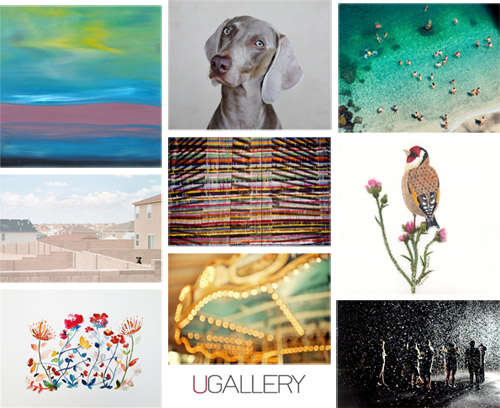
Fab Freebie: Art For U is all about discovering beautiful, free, legal, and easy-to-use artwork for your space. Think public domain paintings, open-access museum images, free printable art, photography downloads, vintage illustrations, botanical sketches, abstract designs, and charming DIY wall décor ideas. Whether you are decorating a dorm room, refreshing a home office, styling a gallery wall, or giving a sad hallway its main-character moment, free art can be your budget-friendly secret weapon.
This guide explores where free art comes from, how to choose pieces that fit your style, how to print them properly, and how to make them look expensive without taking out a tiny loan for a frame. We will also look at real-life ways to use free art in everyday spaces, because great design should feel accessiblenot like a private club guarded by someone named “Julian” holding a clipboard.
What Does “Fab Freebie: Art For U” Really Mean?
The phrase sounds playful, but the idea is powerful: art is for you. Not just for collectors. Not just for people who know how to pronounce “chiaroscuro” without panicking. Not just for minimalist homes with white sofas and one suspiciously perfect olive tree. Art can belong in ordinary rooms, rental apartments, classrooms, home offices, tiny bedrooms, and kitchen corners where the coffee maker is doing the emotional heavy lifting.
A “fab freebie” in the art world usually means a downloadable image or printable design that costs nothing to access. Some freebies are created by independent designers for personal use. Others come from public domain archives, museums, libraries, or open-access collections. Many historic works are now available digitally because their copyright has expired or because cultural institutions have made high-resolution images available for public use.
That means you can download a landscape painting, a vintage travel poster, a botanical drawing, a black-and-white photograph, or a classic still life and turn it into wall art. It is like shopping for art, except your wallet remains calm and your bank account does not start sending distress signals.
Why Free Art Is Having a Big Design Moment
Free printable art and public domain art have become popular for a few very good reasons. First, people want their homes to feel personal without spending hundreds of dollars on every room. Second, access to digitized museum collections has made it easier than ever to discover high-quality images from different centuries, countries, and styles. Third, DIY home décor has become a creative outlet for people who want a customized space instead of a copy-and-paste showroom look.
Free art also fits the way people decorate today. Rooms are more layered, more flexible, and more personal than they used to be. A single gallery wall might include a vintage landscape, a family photo, a modern abstract print, a line drawing, and a small quote card. The goal is not perfection. The goal is personality.
It Makes Decorating More Accessible
Buying original artwork is wonderful when you can do it, and supporting artists matters. But not every blank wall requires a major purchase. Free art gives people a starting point. Students, renters, first-time homeowners, parents decorating a nursery, and anyone refreshing a room on a budget can enjoy beautiful visuals without waiting for a someday budget.
It Encourages Creative Experimenting
When art is free, you are more likely to experiment. Want to try moody oil paintings in the dining room? Go for it. Curious about vintage fruit illustrations in the kitchen? Absolutely. Wondering if your bathroom needs a dramatic seascape? Honestly, probably. Free art lets you test styles without commitment, which is perfect if your design personality changes every time you open a home décor app.
It Gives Old Artwork a New Life
Public domain art is not dusty or outdated. Many classic images feel surprisingly fresh when printed, framed, and styled in a modern space. A 19th-century landscape can look stunning above a clean-lined console table. A vintage botanical print can soften a modern kitchen. A historic sketch can add charm to a reading nook. Old art often becomes new again when placed in the right room.
Where to Find Free Art Legally
The most important word here is legally. The internet is full of images, but that does not mean every image is free to download, print, sell, or reuse. A smart free-art strategy starts with understanding the source and checking the usage rights.
Open-Access Museum Collections
Many major museums and cultural institutions offer open-access images of artworks in their collections. These often include paintings, drawings, prints, decorative arts, manuscripts, textiles, and photographs. Public domain works are especially valuable because they can often be used freely, depending on the institution’s terms.
Museum collections are excellent for people who love traditional art, historical images, portraits, landscapes, floral paintings, and vintage textures. Search terms like “landscape,” “botanical,” “still life,” “flowers,” “sea,” “portrait,” “watercolor,” or “sketch” can uncover beautiful pieces that feel custom even though they are free.
Public Domain Archives
Public domain archives collect works whose copyrights have expired or were never copyrighted in the first place. These archives are treasure chests for free wall art. You can find antique maps, scientific illustrations, vintage advertisements, animal studies, architecture drawings, and historic posters.
Public domain art is especially useful for decorating with character. A vintage mushroom illustration can look surprisingly chic in a kitchen. An antique map can add depth to an office. A delicate bird print can make a hallway feel collected rather than forgotten. The trick is choosing images that match your color palette and mood.
Free Stock Photography Platforms
Free photography websites can be helpful when you want modern images: landscapes, textures, architecture, abstract photos, coffee shop scenes, nature shots, and minimalist compositions. These platforms are great for contemporary spaces, mood boards, digital projects, and casual printable décor.
Always read the license before using an image, especially if you plan to use it for a business, product, website, or resale project. For personal home décor, many free stock photos are easy to use, but checking the terms is still a smart habit.
Designer Freebies and Blog Downloads
Some artists, bloggers, and designers offer free printable art as a way to introduce their style. These downloads may include quote prints, seasonal artwork, nursery prints, abstract designs, calendars, greeting cards, or wall art sets. They can be lovely, but they often come with personal-use-only terms.
That means you can print the art for your home, but you should not sell it, upload it as your own, or use it on products. Basically, enjoy itdo not become an internet raccoon and run away with someone else’s creative work.
How to Choose Free Art That Looks Intentional
The difference between “curated” and “I printed twelve random things at midnight” often comes down to editing. Free art is abundant, which is both a blessing and a trap. Too many options can lead to a wall that looks like five different personalities had a group meeting and nobody took notes.
Start With a Color Palette
Before downloading anything, look at the room. What colors already exist? Consider the sofa, rug, curtains, bedding, wood tones, and accent pieces. Choose artwork that repeats or complements those colors. If your room has warm neutrals, soft landscapes, sepia sketches, and muted florals may work beautifully. If your space is modern and crisp, black-and-white photography or bold abstract shapes might be a better fit.
Pick a Mood, Not Just a Subject
Subject matter matters, but mood matters more. A beach print can feel bright and cheerful, stormy and dramatic, or soft and nostalgic depending on the image. Ask what feeling you want the room to have: calm, playful, romantic, academic, rustic, bold, airy, cozy, or sophisticated.
For example, a bedroom might benefit from quiet watercolors or soft landscapes. A home office might feel stronger with architectural drawings, abstract art, or vintage maps. A kitchen can handle fruit prints, café photography, herb illustrations, or cheerful color. A kid’s room can be playful without looking chaotic if you stick to a coordinated palette.
Mix Styles Carefully
A gallery wall becomes more interesting when you mix art styles, but there should be a thread connecting the pieces. That thread might be color, frame style, theme, era, or composition. You can combine a vintage portrait, a modern abstract, and a botanical print if they share similar tones or frame finishes.
If everything feels disconnected, try converting several images to black and white, using matching mats, or sticking to one frame color. Frames are the peacekeepers of gallery walls. They step in and say, “Everyone calm down; we are a collection now.”
How to Print Free Art So It Looks Expensive
Printing is where free art either becomes fabulous or turns into a blurry rectangle of regret. The quality of the final piece depends on image resolution, paper choice, print size, and frame presentation.
Choose High-Resolution Files
For crisp results, download the largest available file whenever possible. High-resolution images are especially important for prints larger than 8 x 10 inches. If the image looks tiny or pixelated on your screen, it will not magically become elegant on paper. Technology is impressive, but it is not a fairy godmother.
As a general rule, use high-quality files for wall art and avoid stretching small images beyond their limits. If you love a low-resolution image, print it small and use a larger mat to give it presence.
Use Better Paper
Paper makes a big difference. Standard printer paper is fine for grocery lists and emergency homework, but wall art deserves something sturdier. Matte photo paper, fine art paper, cardstock, or heavyweight textured paper can instantly elevate a print.
Matte finishes often look more sophisticated for vintage art, sketches, and paintings. Glossy paper can work for photography but may create glare under glass. For a museum-inspired look, choose a soft matte finish and avoid overly shiny surfaces unless that is the style you want.
Print at Home or Use a Local Service
Home printing is convenient for small pieces, especially 5 x 7 or 8 x 10 prints. For larger artwork, a local print shop, office supply store, or online printing service may produce better results. Many services offer affordable poster prints, photo prints, and giclée-style options.
If you are printing public domain artwork, pay attention to cropping. Historic paintings and illustrations may not match modern frame sizes exactly. You may need to add a border, crop gently, or use a mat to make the proportions work.
Framing Tips for Free Printable Art
The frame is where the magic happens. A free download in the right frame can look like something you found in a charming little gallery while wearing linen and pretending you always remember to water your plants.
Use Mats for a Polished Look
A mat creates breathing room around the image and instantly makes a print feel more intentional. Even small art can look important with a wide mat. This is especially useful for vintage sketches, small landscapes, family photos, and delicate illustrations.
Try Thrifted Frames
Thrift stores, estate sales, flea markets, and discount shops are excellent places to find frames. Do not worry if the art inside the frame is not your style. You are shopping for the frame, not the mysterious 1980s duck painting inside it. Unless you love the duck. In that case, congratulationsyou have found your muse.
Keep Frame Finishes Consistent
For a clean look, stick with one or two frame finishes. Black frames feel modern and graphic. Natural wood frames add warmth. Gold or brass frames feel vintage and elegant. White frames keep things airy and casual. Mixing too many finishes can work, but it takes more planning.
Room-by-Room Ideas for Using Free Art
Free art can work in nearly every room. The key is matching the art to the function and feeling of the space.
Living Room
The living room is a great place for a gallery wall or a large statement print. Consider landscapes, abstract art, vintage portraits, or a mix of personal photos and public domain pieces. If your furniture is simple, art can add color and depth. If your room already has lots of pattern, choose calmer prints with fewer competing details.
Bedroom
Bedrooms usually benefit from softer artwork. Think muted colors, gentle landscapes, botanical drawings, cloud studies, figure sketches, or peaceful photography. Art above the bed should feel restful rather than loud. Your bedroom does not need visual caffeine at midnight.
Kitchen
Kitchens are perfect for food-related prints: citrus illustrations, herb drawings, vintage café signs, still life paintings, recipe cards, or cheerful market photography. Small framed prints on shelves or near a breakfast nook can make the kitchen feel more personal.
Bathroom
Bathrooms are underrated art spaces. Small prints can make a bathroom feel finished and charming. Choose moisture-resistant frames or avoid placing valuable prints where humidity is intense. Seascapes, botanical art, abstract shapes, and humorous vintage illustrations all work well here.
Home Office
A home office should inspire focus. Try architectural drawings, maps, black-and-white photography, abstract prints, or classic artwork with strong lines. If your workday involves too many spreadsheets, a good piece of art can remind your brain that beauty still exists outside column C.
Free Art for Seasonal Decorating
One of the best uses for free printable art is seasonal decorating. Instead of buying new décor every few months, swap prints inside frames you already own. This keeps your home fresh without creating clutter.
For spring, try floral illustrations, garden sketches, pastel landscapes, or bird prints. For summer, choose coastal photography, fruit art, bright abstracts, or travel-inspired images. Fall works beautifully with moody landscapes, mushroom illustrations, warm-toned still lifes, and vintage harvest prints. Winter is perfect for snowy paintings, evergreen sketches, candlelit scenes, and classic black-and-white photography.
This approach is affordable, flexible, and easy to store. A folder of prints takes up much less space than three bins of seasonal decorations labeled “miscellaneous,” which we all know means “things I may never understand again.”
How to Avoid Common Free Art Mistakes
Free art is easy to love, but there are a few mistakes to avoid.
Do Not Ignore Usage Rights
Always check whether the artwork is public domain, Creative Commons, personal-use-only, or commercially usable. If you are printing art for your home, the rules are usually simpler. If you plan to use the image on a product, website, logo, social media graphic, or business material, read the license carefully.
Do Not Overcrowd the Wall
More art is not always better. Give each piece room to breathe. A gallery wall should feel balanced, not like the wall is wearing every necklace it owns at once.
Do Not Print Everything the Same Size
Varying sizes creates visual interest. Mix one larger anchor piece with smaller supporting prints. Even if the images are free, the arrangement should feel designed.
Do Not Skip Test Layouts
Before making holes in the wall, arrange frames on the floor or use paper templates. This helps you adjust spacing and balance. Your future self will appreciate not having to explain why there are seven experimental nail holes behind one frame.
Experience Section: What “Fab Freebie: Art For U” Feels Like in Real Life
The best thing about free art is not just the price. It is the freedom. When you are not worried about ruining an expensive purchase, you become more playful. You try the strange little sketch. You print the dramatic ocean scene. You test a vintage pear illustration in the kitchen and suddenly decide pears have been underrated as décor this entire time.
One of the easiest ways to begin is with a single neglected corner. Maybe it is the wall above a desk, the space beside a bookshelf, or the hallway that currently says, “I am merely a passage.” Start by choosing three pieces with a shared mood. For example, pair a public domain landscape with a botanical sketch and a small abstract print in similar colors. Print them in different sizes, place them in simple frames, and hang them close enough to feel connected. Suddenly, the corner has a point of view.
Another rewarding experience is creating art around a memory. Suppose you love coastal vacations but do not want your living room to look like a souvenir shop exploded. Instead of buying obvious beach signs, download a soft seascape painting, a vintage shell illustration, and a quiet black-and-white photo of waves. The result feels personal and grown-up, not theme-park nautical. You get the memory without needing a wooden sign that says “Beach Vibes” in distressed blue letters. Respectfully, the sign has had its moment.
Free art is also a lifesaver for renters. When you cannot paint walls or install major décor, framed prints provide color and personality without permanent changes. Lightweight frames, removable hooks, and rotating print collections can make a rental feel like home. The space becomes yours, even if the lease says the beige walls belong to someone named Property Management LLC.
Parents and students can use free art in especially practical ways. A child’s room can grow quickly from animal prints to space illustrations to vintage maps without requiring a full redesign. A dorm room can feel less temporary with framed photography, art postcards, and printable posters. A study area can become more motivating with calming art, favorite colors, and a few inspiring visuals that do not scream “motivational poster from a dentist’s office.”
Small businesses can also benefit from free art when used correctly. A coffee shop, studio, office waiting area, or boutique can feel warmer with public domain prints or open-license photography. The key is to confirm commercial usage rights before displaying or reproducing images in a business setting. When done properly, free art can create atmosphere without draining the budget needed for chairs, lighting, or the emergency snack drawer.
The most enjoyable part is that free art invites you to become a curator of your own life. You are not just filling wall space. You are choosing what you want to look at every day. A stormy painting might make you feel thoughtful. A bright floral print might lift your mood. A vintage map might remind you that the world is bigger than your inbox. A tiny framed sketch might make a shelf feel complete.
Over time, you may build a rotating art library. Keep downloaded files organized by room, color, season, or theme. Store printed pieces in a flat folder so you can swap them when your mood changes. This turns decorating into an easy ritual rather than a major project. Your home can evolve with you, one free print at a time.
And that is the real charm of Fab Freebie: Art For U. It is not about being cheap. It is about being creative, resourceful, and open to beauty in unexpected places. Free art proves that style does not have to be expensive to feel meaningful. Sometimes the perfect piece is already waiting in a digital archive, ready to be downloaded, printed, framed, and admired while you casually pretend you have always had impeccable taste.
Conclusion
Free art is one of the simplest ways to refresh a home, personalize a room, and explore your creative style without overspending. From open-access museum collections to public domain archives, free printable art, and modern photography platforms, there are countless ways to find beautiful images that fit your taste. The secret is choosing art thoughtfully, checking usage rights, printing with care, and framing pieces in a way that feels intentional.
Fab Freebie: Art For U is more than a cute phrase. It is a reminder that art should be accessible, joyful, and personal. Whether you are decorating a full gallery wall or adding one tiny print to a lonely shelf, free art can bring warmth, character, and charm into your everyday space. Your walls do not need to be blank, your budget does not need to panic, and your home does not need to wait for “someday” to feel beautiful.
Note: This article is written for web publishing in standard American English and is based on real open-access art, public domain image, free printable décor, and DIY wall art practices. No source links or unnecessary citation placeholders are included in the article body.