Note: This article is based on publicly reported information about the Mount Rinjani tragedy involving Brazilian tourist Juliana Marins. The word "abandoned" is used in quotation marks because it reflects allegations made by her family and supporters, not a final legal finding.
A dream hike on one of Indonesia’s most breathtaking volcanoes turned into an international tragedy after Brazilian tourist Juliana Marins fell during a guided trek on Mount Rinjani and went missing on the mountain’s dangerous slopes. The case shocked travelers, sparked outrage online, and raised uncomfortable questions about guide responsibility, rescue readiness, and how much risk tourists really understand when they sign up for a bucket-list adventure.
Mount Rinjani, located on Lombok Island, is not your casual Sunday stroll with a granola bar and a cute hat. It is a 12,224-foot active volcano, Indonesia’s second-highest volcanic mountain, and a physically demanding trek known for steep ridges, shifting weather, loose ground, and long summit pushes before sunrise. It is also stunning enough to make travelers ignore their sore knees and questionable life choices. That combination—beauty plus danger—is exactly why the Juliana Marins case has become a major warning for adventure tourism.
Who Was Juliana Marins?
Juliana Marins was a young Brazilian traveler from Niterói, Rio de Janeiro, who had been backpacking across Southeast Asia. Reports described her as adventurous, creative, and deeply excited about exploring the world. Before Indonesia, she had traveled through countries including the Philippines, Vietnam, and Thailand, sharing moments from her journey with family, friends, and followers.
Her story resonated because it felt painfully familiar to modern travelers. She was not a reckless thrill-seeker chasing danger for likes. She was a solo traveler joining a guided group for a famous hike—something thousands of visitors do every year. That is why the case has unsettled so many people. If a tourist books a guide, follows a group, and still ends up alone on a volcano trail, the obvious question becomes: what went wrong?
What Happened On Mount Rinjani?
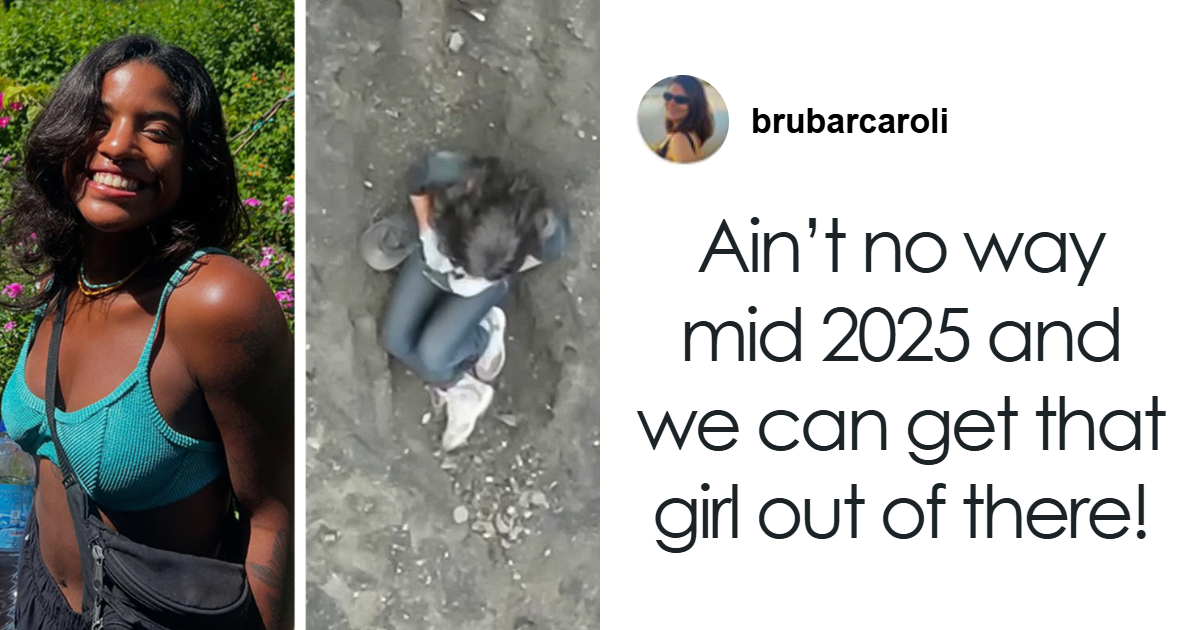
According to public reports and statements from her family, Juliana was hiking Mount Rinjani with a local guide and other trekkers when she became tired and asked to rest. Her family later claimed she was left behind while the guide and group continued. During that time, she reportedly slipped and fell down a steep section near the trail.
Early reports described the search as urgent and confusing. Drone footage reportedly helped locate her on a difficult slope below the trail. Rescue teams faced extreme challenges: fog, unstable terrain, steep cliffs, poor visibility, and the kind of mountain conditions that make every movement slow and dangerous. Authorities later confirmed that she had died, and her body was recovered after a difficult operation.
The tragedy became even more controversial because Juliana’s family criticized the rescue response and communication from officials. They alleged delays, misinformation, and failures that, in their view, may have cost precious time. Indonesian officials and rescue teams emphasized the harsh conditions and risks involved in reaching her location. Between those two perspectives lies the painful reality of mountain rescue: minutes matter, but mountains rarely cooperate.
Why Mount Rinjani Is Beautiful But Brutal
Mount Rinjani is one of Indonesia’s most famous trekking destinations, and for good reason. The views are spectacular: a massive caldera, the blue Segara Anak crater lake, volcanic ridgelines, and sunrise scenes that look like nature hired a professional lighting designer. But the same features that make Rinjani beautiful also make it dangerous.
The summit trek often involves walking in darkness, cold air, loose volcanic gravel, and steep exposed paths. Weather can shift quickly. Fog can erase visibility. Rain can turn dirt into a slip-and-slide nobody asked for. Exhaustion also plays a major role. Many hikers underestimate how tired they will feel after hours of climbing at altitude with limited sleep.
In plain English: Mount Rinjani is not just a pretty Instagram backdrop. It is a serious mountain. Treating it like a casual tourist attraction is like treating a tiger as a striped house cat. Adorable from a distance, extremely bad idea up close.
The Guide Responsibility Question
The most emotionally charged part of the story is the allegation that Juliana was "abandoned" after saying she was tired. In adventure tourism, guides are not just people who know the route. They are responsible for pacing, group safety, communication, risk assessment, and making sure no one is separated in dangerous terrain.
A strong guide does more than point at a trail and say, "That way, good luck." A responsible guide monitors the weakest or most fatigued hiker, keeps the group together, sets turnaround rules, checks weather, and makes conservative decisions when conditions change. On difficult volcano routes, leaving someone alone can be extremely risky, especially near steep slopes or low-visibility areas.
That said, investigations and official findings matter. Family allegations should be taken seriously, but they should also be reported carefully. The key issue is not internet outrage for sport; it is whether the guiding system, emergency response, and trek management were strong enough to protect visitors in a high-risk environment.
Why The Story Went Viral
Juliana’s case spread quickly online because it combined several powerful elements: a young traveler, a famous destination, social media updates, rescue uncertainty, family pleas, and a setting that sounded almost cinematic. A tourist trapped on an active volcano is the kind of headline that stops people mid-scroll.
But beneath the viral attention was something more human. Many people saw themselves, their sister, their daughter, or their friend in Juliana. Modern travel encourages people to be brave, spontaneous, and adventurous. Most of the time, that spirit creates unforgettable memories. Sometimes, however, adventure tourism sells the dream more loudly than it explains the danger.
The internet can be messy in moments like this. Rumors travel faster than verified updates, and emotional posts can blur the line between fact and speculation. Still, the public attention did push important conversations forward: how trekking companies screen hikers, how guides are trained, how rescue systems are funded, and whether popular hiking routes need stricter safety rules.
Adventure Tourism Needs More Than Pretty Brochures
Adventure tourism is booming around the world. Volcano hikes, jungle treks, glacier walks, desert expeditions, and high-altitude climbs are marketed to travelers who want something more exciting than a hotel pool and a breakfast buffet. There is nothing wrong with that. In fact, adventure travel can be life-changing in the best way.
The problem begins when difficult activities are packaged as simple experiences. A glossy photo does not show the 3 a.m. wake-up call, the freezing wind, the burning legs, the slippery trail, or the moment when a tired hiker has to decide whether to keep going or turn back.
Tour operators have a duty to explain risks clearly. Travelers have a duty to be honest about their fitness and preparation. Guides have a duty to prioritize safety over summit fever. And governments or park authorities have a duty to enforce standards, especially in places where tourism is a major source of income.
What Travelers Can Learn From This Tragedy
The Mount Rinjani tragedy should not scare people away from travel. It should make them smarter travelers. Adventure is not the enemy. Poor planning is. Weak communication is. Ignoring fatigue is. Assuming "guided" automatically means "safe" is also a mistake.
Research The Trek Before Booking
Before booking a volcano hike, read more than the sales page. Look for recent reviews, safety complaints, rescue history, route difficulty, weather patterns, and permit requirements. If every review says "brutal but beautiful," believe both halves of that sentence.
Choose A Licensed, Well-Reviewed Operator
A cheap trek can become very expensive if safety standards are weak. Ask whether guides are certified, how many guides accompany each group, what happens if a hiker becomes tired, and whether the operator carries emergency communication equipment. A good company will answer clearly. A bad one will dodge like it is playing tourist-question dodgeball.
Never Be Afraid To Turn Back
Summits are optional. Coming home is not. If you feel dizzy, exhausted, too cold, or unsafe, speak up early. A responsible guide should respect that decision. Travelers sometimes push themselves because they do not want to disappoint the group. The mountain does not care about peer pressure.
Stay With The Group
On exposed trails, separation is dangerous. If someone needs to rest, at least one guide or capable team member should remain with that person. No photo, sunrise, or summit certificate is worth leaving a tired hiker alone in hazardous terrain.
Carry Basic Emergency Gear
Even guided hikers should carry essentials: a headlamp, warm layer, rain protection, whistle, charged phone, power bank, water, snacks, and basic first aid. You may never need them. That is the point. Safety gear is boring until it becomes the most interesting thing in your backpack.
Why Fatigue Is A Serious Safety Signal
One of the biggest lessons from this case is that fatigue should never be dismissed. On a difficult mountain, tiredness is not just discomfort. It affects balance, judgment, reaction time, and coordination. A hiker who is exhausted is more likely to stumble, miss a step, panic, or make a poor decision.
Guides should treat fatigue as useful information, not an inconvenience. If a trekker says they need to stop, that is a safety checkpoint. The group may need to slow down, split with proper supervision, or turn back. The worst response is to treat the tired person as a delay instead of a responsibility.
The Role Of Drones And Modern Rescue Tools
The Juliana Marins case also showed how important drones have become in search and rescue. In steep volcanic terrain, drones can scan dangerous slopes without immediately putting rescuers at risk. Thermal imaging and aerial footage can help teams locate missing hikers faster than traditional ground searches alone.
But technology is not magic. A drone can find someone; it cannot carry them out. Rescue teams still need trained climbers, ropes, anchors, medical support, weather windows, and safe access routes. When terrain is unstable and visibility is poor, even the best equipment may not guarantee a fast rescue.
Experience-Based Safety Advice For Volcano Hikes
Anyone considering a trek like Mount Rinjani should approach it with excitement and humility. Excitement gets you to the trailhead. Humility gets you back safely. Volcano hikes are special because they feel otherworldly: black sand, steaming earth, crater lakes, ridges above the clouds. But that drama comes from geology, and geology is not famous for being soft and cuddly.
First, train before you go. You do not need to be an Olympic athlete, but you should be comfortable walking uphill for hours, carrying a daypack, and descending on tired legs. Many hikers focus on the climb and forget the descent. Big mistake. Downhill sections can be harder on knees, balance, and concentration.
Second, test your gear before the trip. New boots on a volcano are a bold choice, and not in a good way. Break them in. Check your headlamp. Make sure your rain jacket actually repels rain and is not just a fashionable plastic suggestion. Pack layers because mountain temperatures can drop quickly, especially before sunrise.
Third, ask direct questions before the trek begins. What is the guide-to-hiker ratio? What happens if someone cannot continue? Does the guide carry a radio or satellite device? Where are the evacuation points? Is there a weather cutoff? These questions are not rude. They are responsible. A professional operator should welcome them.
Fourth, use the buddy system. Even in a guided group, pair up with another hiker and agree to watch each other. If one person slows down, the other notices. If one person gets confused, cold, or frightened, the other can alert the guide. Small systems prevent big problems.
Fifth, respect the mountain’s schedule, not your itinerary. Travelers often think, "I only have one day, so I must do this now." The weather replies, "That is adorable." If conditions are bad, postpone or cancel. Missing a summit is disappointing. Ignoring dangerous conditions can be life-changing in the worst way.
Sixth, keep communication simple and firm. If you are tired, say, "I need to stop and I do not feel safe continuing." If you are cold, say so. If you are scared, say so. Do not minimize symptoms because you want to seem tough. Mountains are full of people who acted tough right up until they needed help.
Finally, remember that a guide is not a substitute for your own judgment. A guide brings local knowledge and route experience, but you are still responsible for listening to your body. If something feels wrong, speak up. If the response feels careless, insist. Your safety is not being dramatic. It is the whole point.
A Tragedy That Should Change How We Talk About "Dream Trips"
The death of Juliana Marins is heartbreaking because it began as something joyful: a young woman exploring the world, taking on a famous hike, and living the kind of adventure many people dream about. The tragedy does not erase that spirit. But it does remind travelers, guides, and tour companies that adventure must be built on preparation, honesty, and care.
For readers, the lesson is not "never climb a volcano." The lesson is: do not outsource your safety to a brochure, a five-star review, or a guide you have not questioned. Choose carefully. Prepare seriously. Stay together. Turn back when needed. And never treat fatigue as weakness.
Mount Rinjani will remain beautiful. Travelers will continue to climb it. Sunrise will still spill over Lombok’s ridges, and the crater lake will still look unreal. But Juliana’s story should travel with every future hiker as a quiet warning: the best adventure is the one you survive, remember, and tell with muddy shoes, sore legs, and a grateful heart.
Conclusion
The case of the female tourist allegedly "abandoned" during a hike on an Indonesian volcano is more than a viral tragedy. It is a wake-up call for the adventure tourism industry and for travelers who trust guided tours in extreme environments. Juliana Marins’ story highlights the importance of responsible guiding, honest risk communication, strong rescue systems, and personal preparation before attempting demanding treks such as Mount Rinjani.
Adventure should inspire us, not blind us. A volcano hike can be unforgettable, but it must be approached with respect for terrain, weather, fatigue, and human limits. For every traveler planning a dramatic summit photo, the real goal should be simpler: go prepared, stay safe, and come home.