Note: This article is written as original editorial content for web publishing. It is based on verified information about Scandinavian textile design, Marianne Westman, Almedahls, tea towel materials, and practical kitchen use, with no copied source text.
What Are Kärringen mot Strömmen Tea Towels?
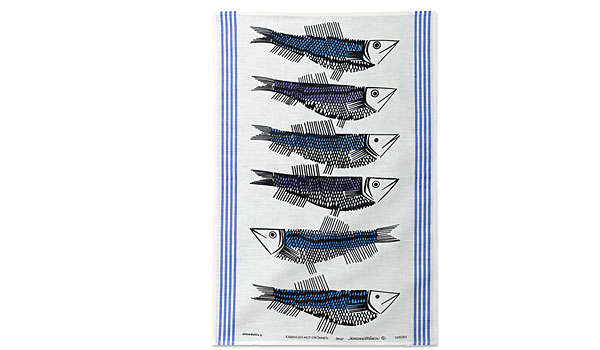
Kärringen mot Strömmen Tea Towels are one of those rare kitchen textiles that manage to do three jobs at once: dry the dishes, brighten the room, and start a conversation before the coffee has even finished brewing. The name is Swedish, the design is delightfully Scandinavian, and the mood is somewhere between “charming coastal kitchen” and “tiny rebellion with a fish motif.” In other words, this is not just a towel. It is a towel with opinions.
The phrase “Kärringen mot strömmen” is often translated along the lines of “the old lady going against the stream” or “the woman who goes against the current.” It captures a stubborn, independent spirit: someone who refuses to float politely along with everyone else. That meaning makes the towel especially memorable. While most kitchen towels whisper, “Please wipe the counter,” this one says, “I have my own ideas, thank you very much.”
Designed by Swedish designer Marianne Westman and associated with Almedahls, the Kärringen mot Strömmen tea towel belongs to the beloved world of mid-century Scandinavian design: clean lines, playful illustration, useful objects, and everyday beauty. It is the type of textile that can live beside a sink, hang from an oven handle, line a bread basket, or end up framed on the wall because someone decided it was too attractive to risk on spaghetti sauce.
The Story Behind the Name
The title is half the fun. “Mot strömmen” means “against the current,” a phrase that works beautifully in both a literal and figurative sense. It suggests movement, resistance, and a person willing to take the harder route simply because the easy one is too crowded. Add “kärringen,” an old-fashioned word often meaning an old woman or old lady, and the phrase becomes a vivid little character sketch.
That personality fits the towel’s marine-inspired visual language. Fish, water, and movement are natural companions to a phrase about swimming upstream. The result feels witty without trying too hard. It has that Scandinavian gift for making ordinary objects look intelligent, useful, and slightly mischievous.
A Kitchen Towel With a Point of View
Most tea towels are chosen because they match the cabinets or hide stains better than white cotton. Kärringen mot Strömmen Tea Towels are different. They bring a story into the kitchen. They suggest independence, humor, and the quiet confidence of someone who puts herring on the table without apologizing for it.
This is why the towel appeals to design lovers, collectors, Scandinavian-style decorators, and anyone who appreciates practical objects with cultural depth. It is useful, yes, but it also has character. And character is what keeps a kitchen from looking like a showroom where no one is allowed to eat toast.
Marianne Westman and the Charm of Swedish Mid-Century Design
Marianne Westman was a Swedish ceramic artist and textile designer whose work helped shape the visual identity of Scandinavian domestic design in the 20th century. She is widely associated with Rörstrand, the historic Swedish porcelain factory, and is known for cheerful, graphic patterns that made everyday tableware feel fresh, friendly, and full of life.
Her famous designs, including Mon Amie and Picknick, are often celebrated for their approachable beauty. They are not stiff museum pieces, even when collectors treat them like treasures. They feel as if they were made for real kitchens: breakfast crumbs, flower vases, strong coffee, family chatter, and someone asking where the butter went.
Kärringen mot Strömmen Tea Towels fit naturally into that legacy. The design carries Westman’s recognizable sense of play: lively forms, confident composition, and a love of nature-inspired motifs. Instead of treating the kitchen as a purely functional space, Westman’s work suggests that daily routines deserve color, humor, and a little visual poetry.
Why Her Designs Still Feel Modern
Good design ages well when it solves a practical problem and brings pleasure at the same time. Westman’s patterns do exactly that. They are decorative but not fussy, nostalgic but not dusty, and cheerful without becoming cartoonish. That balance explains why her work continues to appear in homes that love Scandinavian design, vintage ceramics, cottage kitchens, and modern minimalist interiors.
In a contemporary kitchen, a Kärringen mot Strömmen tea towel can soften stainless steel, warm up white cabinets, and add personality to open shelving. It also pairs beautifully with natural wood, blue-and-white ceramics, glass jars, woven baskets, and other simple materials that define Nordic-inspired interiors.
Materials, Size, and Everyday Function
Traditional versions of the Kärringen mot Strömmen tea towel are commonly described as a linen-cotton blend, often around 55% linen and 45% cotton, with a size close to 47 x 70 cm. That blend matters. Linen brings a crisp, quick-drying, lint-light quality, while cotton adds softness and absorbency. Together, they create a towel that can handle daily kitchen work without looking like it gave up on life by Thursday.
Tea towels are usually flat-woven, unlike thick terry cloth dish towels. This makes them especially useful for drying glassware, covering bread dough, lining trays, wrapping baked goods, and adding a decorative finish to a kitchen rail or shelf. A flat weave is less likely to leave lint on glasses, which is important if you enjoy drinking from something that does not look as if it has been dusted with sweater fuzz.
What Can You Use It For?
A Kärringen mot Strömmen tea towel is practical enough for daily use and attractive enough for display. You can use it to dry dishes, polish glassware, cover rising dough, line a bread basket, protect a tabletop, wrap a loaf of homemade bread, or serve as a decorative accent near the stove. It can also make a thoughtful gift for fans of Scandinavian design, Swedish culture, vintage-inspired kitchens, or useful objects with a good story.
Some owners choose to frame these towels rather than use them. That may sound dramatic until you see how graphic textile designs can work as affordable kitchen art. A framed tea towel offers color, pattern, and history without the seriousness of a formal print. It says, “I appreciate design,” but also, “I know where the snacks are.”
How to Style Kärringen mot Strömmen Tea Towels in Your Kitchen
The easiest way to style this towel is to let it be seen. Hang it from an oven handle, a peg rail, a cabinet knob, or a wall hook. Because the design has a distinct graphic presence, it works best when it has a little breathing room. Place it near simple objects such as white dishes, glass containers, wooden cutting boards, or matte ceramic bowls.
For a Scandinavian look, keep the surrounding palette calm: white, cream, pale wood, soft gray, muted blue, or warm natural tones. Let the towel provide the visual spark. If your kitchen is already colorful, use the towel as part of a layered, collected look with enamelware, patterned plates, and open shelving.
Three Easy Styling Ideas
First, create a Nordic sink moment. Hang the towel beside a natural-bristle dish brush, a simple soap bottle, and a small plant. Suddenly the dishwashing zone looks intentional instead of mildly guilty.
Second, use it as a serving accent. Fold it under a loaf of rye bread, cinnamon buns, biscuits, or a cheese board. The textile brings color and texture to the table while keeping the mood relaxed.
Third, frame it. If the towel is rare, discontinued, sentimental, or simply too pretty to sacrifice to tomato soup, frame it in a clean wooden or white frame. Kitchen walls often need warmth, and textile art is an easy way to add it.
Care Tips: Keeping a Beautiful Tea Towel Useful
A good tea towel should not be treated like a museum artifact unless you truly plan to display it. If you use it in the kitchen, wash it regularly, let it dry fully between uses, and avoid leaving it crumpled in a damp pile. Damp towels are not romantic. They are tiny resorts for unwanted smells and bacteria, and the reviews are terrible.
Wash kitchen towels frequently, especially if they touch raw food areas, hands, spills, or countertops. Use hot water when sanitation matters, and dry completely before storing. Avoid heavy fabric softeners because they can reduce absorbency over time. For printed towels, follow the care label when available, turn the towel inside out if needed, and avoid harsh bleaching unless the manufacturer specifically allows it.
Should You Use It or Save It?
This depends on your goal. If you bought Kärringen mot Strömmen Tea Towels as collectible Scandinavian textiles, you may want to keep one unused and use another in rotation. If you bought one because your kitchen deserves better than a sad promotional towel from a bank, use it proudly. Beautiful everyday things become more meaningful when they participate in real life.
Why Kärringen mot Strömmen Tea Towels Make Great Gifts
A great gift should be useful, attractive, and personal enough to avoid looking like it came from the “panic purchase” aisle. Kärringen mot Strömmen Tea Towels check all three boxes. They are functional kitchen textiles, they carry a recognized Scandinavian design connection, and the name gives the gift a built-in story.
They are especially fitting for people who enjoy Swedish design, Nordic interiors, cooking, baking, vintage tableware, or independent personalities. The phrase “going against the stream” can also make the towel feel symbolic. It is a charming gift for a friend starting a new chapter, moving into a first apartment, launching a creative project, or simply refusing to join the crowd.
Pair the towel with a jar of lingonberry jam, Swedish coffee, crispbread, a wooden butter knife, or a small ceramic dish for a thoughtful Scandinavian-inspired gift set. It is simple, not flashy, and much more memorable than another candle named “Winter Fireplace Mood No. 7.”
Buying Tips: What to Look For
Because some versions of this design may be discontinued or difficult to find, availability can vary. When shopping for Kärringen mot Strömmen Tea Towels, look for clear product details such as designer, brand, material, dimensions, and condition. If buying vintage or secondhand, check photos carefully for fading, stains, thinning fabric, or holes. A little age can add charm; a mysterious brown mark near the corner is less charming.
For display, prioritize color clarity and overall condition. For daily use, material and weave matter more. A linen-cotton blend is a strong choice for drying and decorating because it balances crispness with practicality. If the towel is being sold as new old stock, collectible, or rare, compare prices across reputable design shops, auction platforms, and Scandinavian home stores before purchasing.
Authenticity and Expectations
Do not expect every listing to use the exact Swedish characters correctly. You may see “Karringen mot Strommen,” “Kärringen mot strömmen,” or similar variations. The spelling may change because of keyboard limitations, but the core design, brand, and designer details should still be clear. When in doubt, choose sellers who provide accurate photos and transparent descriptions.
Experience Section: Living With Kärringen mot Strömmen Tea Towels
There is a particular pleasure in bringing a Kärringen mot Strömmen tea towel into a kitchen because it immediately changes the emotional temperature of the room. Before it arrives, the kitchen may be perfectly functional: sink, stove, bowls, mugs, the usual heroic spoon collection. After it arrives, there is suddenly a small piece of Swedish attitude hanging by the oven. It feels like the room has learned a new joke.
In everyday use, the towel works best when treated as both tool and decoration. Imagine a Saturday morning kitchen: coffee brewing, toast cooling, a bowl of berries on the counter, and the Kärringen mot Strömmen towel draped over a rail. It does not shout for attention, but it does catch the eye. Guests notice it. Someone asks how to pronounce it. Someone else attempts the pronunciation with the confidence of a weather reporter naming an Icelandic volcano. Conversation begins.
The towel also has a satisfying practicality. A linen-cotton tea towel feels different from a thick terry cloth towel. It is lighter, smoother, and more precise. It is the towel you reach for when drying wine glasses, covering warm rolls, or lining a tray for afternoon coffee. It is not the towel you should use to scrub barbecue sauce off the floor after an ambitious sandwich incident. That job belongs to a less glamorous cloth with fewer cultural responsibilities.
One of the nicest experiences is using the towel as part of a slow kitchen ritual. Lay it beneath a cooling loaf of bread, fold it around a basket of pastries, or place it under a small ceramic pitcher at breakfast. Suddenly the table looks considered without becoming formal. This is the Scandinavian magic: useful things arranged with care can feel luxurious without being loud.
There is also a small psychological boost in the phrase itself. “Going against the stream” is a surprisingly good motto for the kitchen. It reminds you to cook what you like, decorate how you want, and stop apologizing for choosing the weird mug because it holds the perfect amount of coffee. In a world of identical gray kitchens and algorithm-approved decor, a towel with a stubborn Swedish title feels refreshing.
Over time, the towel can become part of household memory. It may appear in birthday breakfast photos, holiday baking sessions, new-apartment snapshots, and quiet weeknight dinners. It may fade slightly, soften after washing, or develop the relaxed look of a textile that has actually lived. That is not a flaw. That is the reward of choosing objects with personality. A good tea towel should not just match your kitchen; it should join your kitchen.
If you choose to frame it instead, the experience is different but equally satisfying. Hung on a kitchen wall, Kärringen mot Strömmen becomes graphic art with a useful past. It adds texture, history, and humor to the space. Unlike generic wall decor, it has a name people remember and a story they want to hear. And if the world ever runs out of towels, you will know there is one behind glass, waiting for its heroic return.
Conclusion
Kärringen mot Strömmen Tea Towels are more than attractive kitchen linens. They combine Swedish language, mid-century design heritage, practical textile function, and a wonderfully independent personality. Designed in the spirit of Marianne Westman’s playful domestic style and connected with Almedahls’ long textile tradition, these towels appeal to people who believe the kitchen should be useful, beautiful, and never boring.
Whether used for drying glasses, lining bread baskets, decorating a Nordic-inspired kitchen, or hanging proudly as textile art, the design proves that everyday objects can carry real charm. A tea towel may seem small, but in the right pattern, with the right story, it can change the entire mood of a room. Kärringen mot Strömmen does exactly that. It goes against the current, and frankly, the kitchen is better for it.
SEO Tags