Important note: This article is for general educational publishing only. Oral medications for cattle should be given only by trained adults, livestock professionals, or under the direction of a licensed veterinarian. Always follow the product label, veterinary instructions, and all meat or milk withdrawal requirements.
Giving cattle oral medications sounds simple until you remember one very important detail: cattle are not golden retrievers with hooves. A mature cow can weigh more than a compact car, has strong neck muscles, and may not share your enthusiasm for “just one quick treatment.” That is why successful oral medication in cattle is not about wrestling, rushing, or hoping for the best. It is about planning, safety, proper restraint, correct product use, and good records.
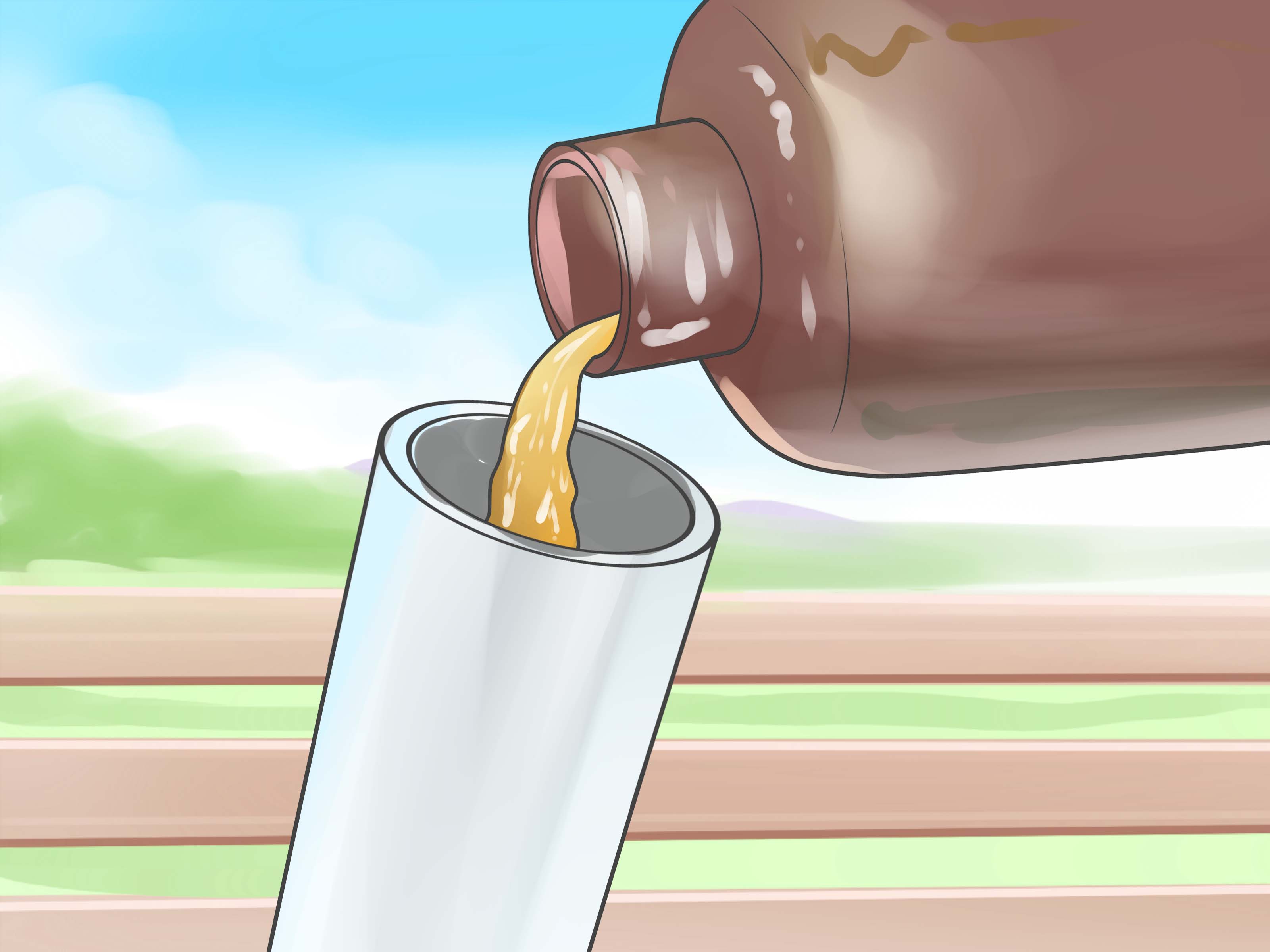
Oral cattle medications may include drenches, boluses, oral pastes, soluble powders, electrolyte products, dewormers, probiotics, antacids, or other veterinarian-recommended treatments. Some are available over the counter, while others require a prescription or veterinary direction. In food-producing animals, even a “simple” oral product can affect meat or milk withdrawal times, so careful handling matters for both animal health and food safety.
This guide explains seven safe, practical, and responsible steps for giving cattle oral medications. It does not replace hands-on training from a veterinarian or experienced livestock handler, but it will help producers understand what should happen before, during, and after treatment.
Step 1: Confirm the Medication Is Appropriate for That Animal
Before any bottle is opened or any bolus applicator is picked up, confirm that the medication is correct for the animal, condition, age, production class, and intended use. A beef steer, lactating dairy cow, pregnant heifer, nursing calf, and show animal may all have different medication considerations.
Read the label carefully. Look for the species, route of administration, dosage instructions, precautions, storage requirements, expiration date, and withdrawal time. If the label says the product is for cattle, that still does not mean it is right for every situation. For example, some products are not intended for calves, lactating dairy animals, or animals intended for veal. Others may have different instructions depending on body weight or disease condition.
When to Call the Veterinarian First
Contact a veterinarian before giving oral medication if the animal has severe symptoms, trouble swallowing, bloat, dehydration, repeated coughing, bloody diarrhea, neurological signs, pregnancy concerns, or has not responded to previous treatment. Also call your veterinarian before using any medication in an extra-label way, such as changing the dose, route, frequency, or target condition.
A good rule of thumb: if you are guessing, pause. Cattle health is not a casino game, and “maybe this will work” is not a treatment protocol.
Step 2: Calculate or Confirm the Correct Dose
Correct dosing is one of the most important parts of giving oral medication to cattle. Underdosing may fail to treat the problem and may contribute to poor health outcomes. Overdosing can harm the animal, create residue risks, or waste product. The safest approach is to weigh the animal or use a reliable weight tape or scale-based estimate when a scale is not available.
Never dose based on “she looks about average.” The phrase “about average” has caused many farm mistakes, including the famous moment when a 900-pound heifer is treated like a 1,300-pound cow because she has confidence and a big breakfast. Body weight matters.
Check These Details Before Treatment
Before giving medication, confirm the animal identification, estimated or measured weight, product concentration, route, amount, timing, withdrawal period, and whether the medication should be given once or repeated. If the medication came from a veterinarian, follow the written instructions exactly. If the label and the veterinarian’s directions differ, ask the veterinarian to clarify before treating.
For herd treatments, do not assume every animal needs the same amount. Group dosing can be tempting when several cattle look similar, but responsible treatment requires matching the product to the individual animal whenever possible.
Step 3: Prepare a Safe Handling Area
Cattle oral medication should never be a rodeo event, even if your uncle claims he once drenched a cow in an open pasture with nothing but confidence and a feed bucket. Safe medication starts with a proper handling area. Use a well-designed chute, headgate, or other appropriate restraint system that limits movement while reducing stress and injury risk.
The handling area should be quiet, clean, well-lit, and free of distractions. Remove loose tools, dangling ropes, sharp edges, slippery mud, and anything that might startle the animal. Keep dogs, loud visitors, and unnecessary helpers away from the working area. Cattle respond better when people move calmly and predictably.
Why Restraint Matters
Good restraint protects the animal and the handler. If the animal can swing its head, back up suddenly, or lunge forward, the risk of injury increases. Poor restraint can also lead to incomplete dosing, product loss, stress, choking risk, or accidental trauma. If the animal is not properly caught or appears unsafe to handle, release it and reset the situation rather than forcing the process.
For large cattle, especially bulls, nervous cows, or animals that are sick and weak, experienced help is essential. Young or inexperienced handlers should not attempt to medicate cattle alone.
Step 4: Gather and Check the Equipment
The equipment depends on the product form. Oral cattle medications may require a drench gun, dosing syringe, bolus applicator, paste applicator, clean measuring container, gloves, marker, record sheet, or animal ID tools. Only use equipment designed for livestock medication and appropriate for the product being given.
Before treatment, inspect the equipment. Make sure it is clean, functional, and correctly calibrated. A drench gun that delivers the wrong amount is not a tool; it is a tiny chaos machine. Check for cracked tubing, sticky plungers, sharp or damaged edges, blocked nozzles, and leftover residue from previous products.
Keep Products Clean and Organized
Contaminated equipment can introduce bacteria or affect the medication. Keep caps on bottles when not in use, avoid setting applicator tips on dirty surfaces, and do not return unused product from equipment back into the original container unless the label specifically allows it. Store medications according to label directions, including temperature and light requirements.
It is also wise to prepare a written treatment list before cattle enter the chute. Include animal ID, product name, amount to be given, and any special notes. This prevents the classic “Wait, did we already treat 47B?” conversation, which tends to happen exactly when everyone is tired and the cattle are not impressed.
Step 5: Administer the Medication Calmly and Under Control
Once the animal is safely restrained and the equipment is ready, the medication should be given calmly, slowly, and according to the label or veterinary instructions. Avoid force. If the animal is struggling, coughing, choking, or showing distress, stop and get help from a trained handler or veterinarian.
The goal is not simply to get the medication into the animal. The goal is to give it safely, accurately, and in a way that does not injure the mouth, throat, or handler. Rough handling can cause trauma and make the next treatment much harder. Cattle remember bad experiences, and they do not write thank-you notes.
Watch the Animal’s Response
Pay attention to swallowing, breathing, coughing, and body language. Some medications have strong tastes or textures, and cattle may resist. Do not rush. If medication is lost, spilled, or spit out, do not automatically repeat the full dose. Ask your veterinarian or follow label guidance, because giving more product without knowing how much was swallowed can create safety concerns.
If the medication is a bolus, paste, or liquid drench, use the device only as trained. Improper use of oral dosing equipment can injure the animal. Anyone who has not been shown the correct method by a veterinarian or experienced livestock professional should not attempt it without supervision.
Step 6: Observe the Animal After Treatment
After giving oral medication, keep the animal in a safe area long enough to observe its immediate response. Watch for coughing, drooling, labored breathing, swelling, abnormal behavior, stumbling, repeated attempts to regurgitate, or signs of discomfort. Mild annoyance is normal. Serious distress is not.
Return the animal to a clean, comfortable area with access to water unless the veterinarian has given different instructions. Monitor appetite, manure, attitude, rumination, and hydration over the next several hours or days, depending on the condition being treated.
Know When Treatment Is Not Working
If the animal gets worse, fails to improve, or develops new symptoms, contact the veterinarian. Do not keep stacking products on top of each other without a diagnosis. More medication is not always better. Sometimes the correct next step is a different treatment, supportive care, diagnostic testing, or changing the management problem that caused the illness in the first place.
For herd health, one sick animal may be a warning sign. Poor-quality feed, sudden diet changes, parasites, water problems, weather stress, or infectious disease can turn one treatment into a whole-herd issue if the underlying cause is ignored.
Step 7: Record the Treatment and Follow Withdrawal Times
Good records are not paperwork for paperwork’s sake. They protect the animal, the producer, the consumer, and the business. Record the animal ID, date, product name, lot number if available, amount given, route, reason for treatment, person who administered it, veterinarian instructions, and meat or milk withdrawal time.
Food-producing cattle must not enter the food supply before withdrawal requirements are met. Milk from treated dairy cattle may also need to be withheld for the required period. If more than one product is used, the longest applicable withdrawal period generally controls the marketing decision unless a veterinarian provides specific written guidance.
Why Records Matter
Accurate medication records help prevent illegal residues, support Beef Quality Assurance practices, and make future treatment decisions easier. They also prevent confusion when multiple people work cattle. A note scribbled on a feed sack may feel convenient, but a dedicated treatment log is far better. Future-you will appreciate present-you’s organization.
For extra-label drug use, written veterinary instructions and extended withdrawal times are especially important. Producers should keep records where they can be reviewed by responsible workers and retained according to applicable regulations and quality assurance programs.
Common Mistakes to Avoid When Giving Cattle Oral Medications
Using the Wrong Product
Not every oral product is safe or effective for every animal. Avoid using medications intended for another species, another production class, or another condition unless directed by a veterinarian.
Guessing the Weight
Weight guessing is one of the most common dosing errors. Use a scale or weight tape whenever possible, especially for growing calves or mixed-size groups.
Skipping Restraint
An unrestrained animal can injure itself, the handler, or nearby people. Proper facilities make treatment faster, calmer, and safer.
Forcing the Process
Force increases the risk of mouth or throat injury and may cause the animal to resist harder next time. If the treatment is not going smoothly, stop and reset.
Forgetting Withdrawal Times
Withdrawal periods are not suggestions. They are essential food-safety requirements. Always check them before marketing animals or milk.
Extra Experience-Based Tips for Safer, Smoother Cattle Medication
Anyone who has worked cattle for more than five minutes knows that the best plan can meet one suspicious cow and immediately require editing. Experience teaches that the calmest treatment days usually begin long before the medication is given. Good facilities, good records, and good communication make oral dosing much easier.
One useful habit is to prepare everything before cattle are brought in. Lay out the medication, clean equipment, gloves, record sheet, marker, and animal list. Check the label while you are still relaxed, not while a cow is waiting in the chute and three people are asking what comes next. A simple checklist prevents mistakes and keeps the working crew focused.
Another practical lesson is to match the handler to the job. A calm, experienced person at the headgate can make the whole process smoother. Cattle notice tension. If the crew is yelling, rushing, or moving unpredictably, the animals usually respond with more stress. Slow is smooth, and smooth is fast. That old livestock saying exists because it keeps proving itself true.
It also helps to think about cattle behavior. Cattle prefer to move away from pressure, dislike sudden shadows or flapping objects, and may balk at bright light, slippery flooring, loud noises, or unfamiliar equipment. A quiet lane, secure footing, and patient movement can save more time than extra people pushing from behind. When cattle flow well, treatment becomes less of a battle and more of a routine.
For oral medications, product texture and taste can affect cooperation. Some liquids are thick, some pastes are sticky, and some products have a smell that cattle would probably describe as “absolutely not” if they filled out customer reviews. This is another reason to follow label directions and use the proper equipment. Clean equipment also matters because old residue can clog applicators or make the experience worse for the animal.
Experienced producers also learn not to treat and forget. Observation after treatment is part of the job. A cow that walks away normally, drinks, eats, and resumes normal behavior is different from one that stands apart, coughs repeatedly, or looks dull. Good stockmanship means noticing those differences early.
Finally, the best cattle operations treat records as a management tool, not a chore. A clear treatment log shows which problems are recurring, which products were used, who treated the animal, and when the animal can safely be marketed. Over time, those records help identify patterns: a pen with repeated digestive trouble, a group needing parasite control review, or a handling system that causes too much stress. Oral medication is only one moment in herd health, but the records around it can improve the whole operation.
Conclusion
Giving cattle oral medications safely requires more than a product and a good attitude. The process begins with confirming the right medication, dose, animal, and veterinary guidance. It continues with safe restraint, clean equipment, calm administration, careful observation, and complete records. When done correctly, oral treatment can support animal health while protecting handlers, consumers, and the farm’s reputation.
The key lesson is simple: do not rush, do not guess, and do not force. Work with a veterinarian, follow the label, respect withdrawal times, and use safe handling practices. Cattle may not make the job easy every time, but with preparation and patience, they can at least make it possible. And on a farm, “possible” is often a pretty good start.