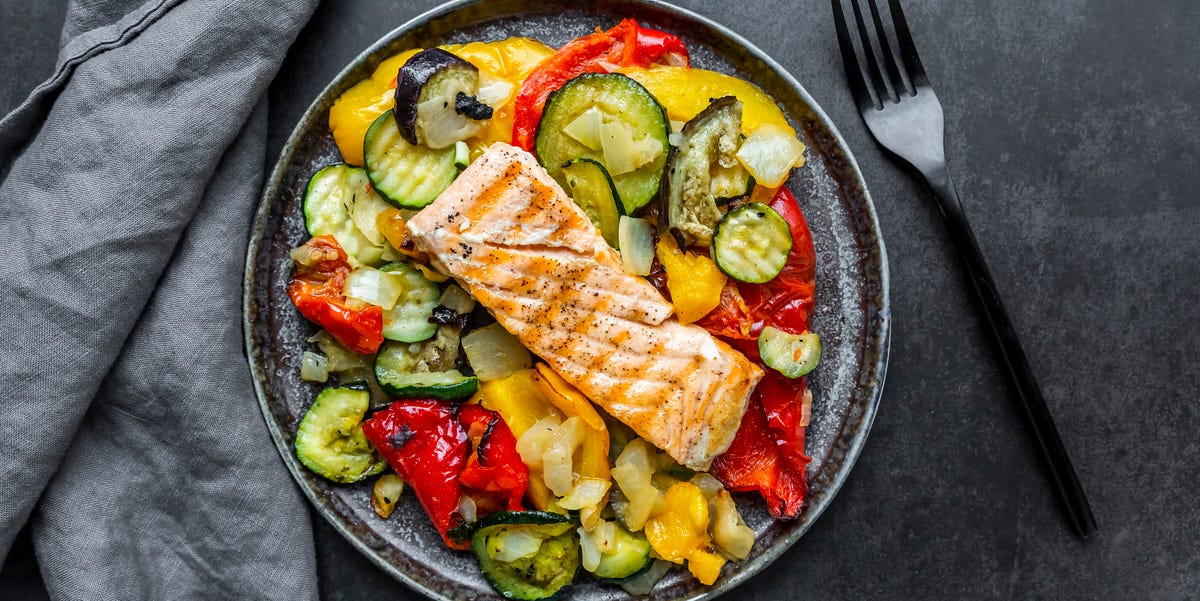
Some foods are healthy in a very boring, “please enjoy this plain pile of virtue” kind of way. Salmon is not one of them. It is flavorful, versatile, satisfying, and loaded with nutrients that make dietitians nod approvingly while the rest of us happily keep chewing. That is a rare combination.
If you have ever wondered why salmon shows up on so many “best foods” lists, the answer is pretty simple: it gives you a lot of nutritional bang for your buck. You get high-quality protein, beneficial omega-3 fatty acids, important vitamins and minerals, and almost endless cooking options. It can be grilled for a summer dinner, baked on a sheet pan for a weeknight rescue mission, flaked into salads, folded into pasta, or turned into a lunch that feels far fancier than the time it took to make it.
But salmon is not magic. It will not instantly transform your life, organize your kitchen, or make you enjoy kale. What it can do is support heart health, brain function, muscle recovery, satiety, and overall diet quality when it is part of a balanced eating pattern. That is the real appeal. It is not a gimmick food. It is a genuinely useful one.
Salmon Nutrition Information
Salmon nutrition varies a bit depending on the type of salmon, whether it is wild or farmed, and how it is prepared. In general, a 3- to 4-ounce serving of salmon provides roughly 17 to 22 grams of protein, zero carbohydrates, and a meaningful amount of healthy fat, including omega-3s. Many servings land somewhere in the neighborhood of 175 to 250 calories, though richer farmed salmon and oil-heavy preparations can run higher.
Salmon is also known for delivering a solid mix of vitamin B12, selenium, potassium, and, in many varieties, vitamin D. That combination matters because it means salmon does more than check the protein box. It supports several body systems at once, from nerves and red blood cells to bones, muscles, and the thyroid.
One more helpful detail: salmon tends to be rich in unsaturated fats rather than the saturated fats that show up in larger amounts in many fatty cuts of red meat. That makes it a smart swap when you want a filling main dish that feels substantial without going full cheeseburger every night. No shade to cheeseburgers. Just maybe not seven days a week.
At a glance, salmon is known for providing:
High-quality protein, EPA and DHA omega-3 fats, vitamin B12, selenium, potassium, and varying amounts of vitamin D, depending on the species and preparation.
15 Health Benefits of Salmon
1. Salmon gives you complete, high-quality protein
Protein helps build and repair muscle, supports immune function, and keeps your body running behind the scenes. Salmon contains complete protein, meaning it provides all the essential amino acids your body needs from food. That makes it especially helpful for active adults, older adults, and anyone trying to build meals that are actually satisfying.
2. It is one of the best food sources of omega-3 fatty acids
Salmon is famous for its EPA and DHA omega-3 fats, and for good reason. These fats are associated with heart, brain, and eye health, and they are not something most people get enough of. Plant foods contain ALA, another omega-3, but seafood is one of the most practical ways to get EPA and DHA directly.
3. Salmon supports heart health
Fatty fish like salmon are often recommended in heart-healthy eating patterns because omega-3s can support cardiovascular health. That does not mean one salmon dinner cancels out a lifestyle built on drive-thru fries and chronic stress, but regular intake can be part of a smarter long-term pattern.
4. It may help lower triglycerides
One of the better-known effects of omega-3 fats is their ability to help lower triglyceride levels. If your lab work has ever come back with that number circled in a judgmental font, salmon may deserve a regular spot on your plate. Food is not a replacement for medical treatment when treatment is needed, but it absolutely belongs in the conversation.
5. Salmon helps support brain function
DHA is a structural fat found in the brain, which is one reason salmon gets so much attention in nutrition conversations about cognition. Research continues to explore exactly how fish intake influences brain aging and cognitive health, but salmon clearly brings nutrients that support the nervous system and normal brain function.
6. It contributes to eye health
The same omega-3 fats that help make salmon popular in heart-health headlines also play a role in the eyes. DHA is important for retinal function, so salmon can be a useful addition to an eating pattern aimed at supporting overall visual health.
7. Salmon helps support healthy bones
When people think “bone nutrients,” they usually jump straight to calcium. Fair enough. But vitamin D matters too because it helps the body use calcium effectively. Many types of salmon provide vitamin D, which gives this fish another point in the nutrition overachiever column.
8. It provides vitamin B12 for nerves and red blood cells
Vitamin B12 helps keep blood and nerve cells healthy and supports DNA production. Salmon is a strong source of B12, which is good news because low B12 status can leave people tired, foggy, or just generally not firing on all cylinders.
9. Salmon delivers selenium for thyroid and antioxidant support
Selenium does not get the celebrity treatment that protein and omega-3s get, but it should at least get a polite round of applause. It plays a role in thyroid hormone metabolism and helps protect cells from oxidative damage. Salmon is a dependable way to get more of it from food.
10. It fits naturally into anti-inflammatory eating patterns
Salmon is often included in Mediterranean-style and other anti-inflammatory eating patterns because it provides healthy fats and can replace more heavily processed proteins. No single food “turns off” inflammation like a magical light switch, but salmon fits very nicely into an overall pattern that supports better health.
11. Salmon can help with fullness and appetite control
A meal built around salmon tends to be more filling than a meal built around refined carbs alone. That is because protein and fat slow digestion and promote satiety. In real life, that can mean fewer “I just ate, so why am I staring into the pantry again?” moments.
12. It supports muscle maintenance and recovery
Between the protein and the overall nutrient density, salmon can be a great post-workout or recovery meal. It is especially useful for people who want to maintain muscle as they age, since muscle preservation becomes more important over time and not less.
13. Salmon can improve the overall quality of your diet
Sometimes the biggest health benefit of a food is not just what it contains, but what it replaces. Choosing salmon instead of highly processed meats or fried fast-food dinners can shift your overall eating pattern in a better direction. More nutrient density, less junky filler. Your plate notices.
14. It is a lower-mercury seafood choice for many people
Salmon is generally considered a lower-mercury fish compared with large predatory species such as shark, swordfish, king mackerel, and tilefish. That is one reason it often appears in guidance for people who are pregnant, breastfeeding, or choosing fish for children. The nutritional upside is strong without carrying the same mercury concerns as some other seafood choices.
15. Salmon makes healthy eating easier to sustain
This may sound less glamorous than “superfood,” but it matters: salmon is easy to work into real life. Fresh, frozen, canned, smoked, fillets, burgers, pouches, leftovers in a salad, tucked into grain bowls, mashed into salmon cakes. A healthy food you will actually eat beats a theoretically perfect food you keep ignoring in the freezer until it becomes a fossil.
Wild vs. Farmed Salmon: Which Is Better?
This is where many grocery-store debates begin. Wild salmon is often leaner, lower in calories, and a little firmer in texture. Farmed salmon is usually richer, softer, and higher in fat, which can also mean more omega-3s per serving in some cases. Both can be nutritious choices.
If you prefer wild salmon for flavor or sustainability reasons, great. If farmed salmon is what fits your budget and makes it onto the dinner table consistently, that is also a win. The “best” salmon is often the one you can afford, enjoy, and prepare regularly. Nutrition does not happen in theory. It happens on Tuesday night when you are hungry and mildly annoyed.
Best Ways to Cook Salmon
Salmon is forgiving, but not infinitely forgiving. Overcook it and you get dry, flaky sadness. Cook it well and you get rich, tender fish that feels restaurant-level with very little effort.
Great options include:
Baking: Easy, reliable, and excellent for weeknights.
Grilling: Great flavor, especially with lemon, herbs, or a simple marinade.
Broiling: Fast and ideal when you want crisp edges.
Poaching: Gentle and good for a softer texture.
Air frying: Convenient and surprisingly good for busy households.
For the healthiest approach, keep the extras sensible. Olive oil, garlic, mustard, dill, black pepper, paprika, citrus, and yogurt-based sauces can all add flavor without turning your salmon dinner into a sodium bomb or a butter parade.
Are There Any Downsides to Salmon?
Salmon is nutritious, but there are still a few practical things to know.
Smoked salmon can be high in sodium. It is delicious, yes, but it is better treated as a flavorful add-on than an all-day free-for-all if you watch your salt intake.
Raw salmon is not for everyone. Sushi-grade preparations can be enjoyed safely from reputable sources, but older adults, pregnant people, young children, and anyone with a weakened immune system should be especially cautious with raw seafood.
Fish allergies are real. If you are allergic to fish, salmon is obviously not your wellness soul mate.
Local fish advisories still matter. If you catch your own fish, check state, local, or tribal advisories before eating it regularly.
Preparation changes the health profile. A baked salmon fillet and a heavily breaded, deep-fried salmon entrée are not nutritionally identical twins. More like distant cousins who made very different life choices.
What Eating More Salmon Looks Like in Real Life
Here is the part nutrition articles often skip: the lived experience. In real life, adding more salmon to your routine is usually less about “unlocking optimal wellness” and more about finding one dependable meal that does not make you feel sluggish afterward. That practical side is exactly why salmon works so well for so many people.
For busy professionals, salmon often becomes the dinner that saves the week. A frozen fillet can go from freezer to oven with very little drama, and suddenly dinner looks intentional instead of accidental. Pair it with rice, potatoes, salad, roasted vegetables, or even a piece of toast and a scrambled egg if the fridge is looking bleak. Salmon has a way of making a low-effort meal feel more put together than it really is.
For people trying to eat more protein, salmon is often easier to stick with than endless chicken breast. It has more flavor on its own, which means it does not need a full support team of sauces to be enjoyable. That matters because the foods people continue eating are usually the ones they actually like, not the ones they force down while muttering about macros.
Families often discover that salmon is surprisingly flexible. Some kids will eat it plain, some will tolerate it only in salmon cakes, and some will act like you served them a sea dragon. That is normal. Canned salmon can be especially useful here because it works in patties, sandwiches, pasta, and spreads without the higher price tag of fresh fillets. It is not glamorous, but it is practical, and practical food habits tend to last longer than perfect ones.
People focused on heart health or healthy aging often describe salmon as one of the easiest upgrades they can make. It feels like real food, not “diet food.” It is satisfying enough to replace heavier meats a few nights a week without anyone leaving the table angry. That can be a surprisingly big deal when you are trying to make long-term changes instead of short-term experiments.
There is also the convenience factor. Leftover salmon can become tomorrow’s lunch without much effort. Flake it into a salad, stuff it into a wrap, add it to a grain bowl, or mix it with a little Greek yogurt, mustard, and herbs. Suddenly lunch is not an emergency solved by vending-machine regret.
Another common experience is learning that salmon does not need to be fancy to be good. A little lemon, garlic, pepper, and olive oil goes a long way. So does maple mustard, miso glaze, blackened seasoning, or dill and yogurt. Once people realize salmon can handle a range of flavors, it stops being a special-occasion fish and starts becoming a regular part of the meal rotation.
That is probably salmon’s most underrated strength. It is nutritious, yes, but it is also realistic. It works for quick dinners, meal prep, recovery meals, lighter lunches, and “I need something decent but I have exactly 22 minutes” situations. In the real world, that kind of flexibility is not a small benefit. It is often the reason a healthy habit actually sticks.
Final Thoughts
Salmon earns its healthy reputation honestly. It is rich in protein, full of omega-3s, and packed with nutrients that support the heart, brain, bones, nerves, muscles, and more. It is also versatile enough to fit real schedules, real budgets, and real taste preferences.
If you want a simple nutrition upgrade that does not feel like punishment, salmon is hard to beat. Bake it, grill it, flake it into lunch, or keep canned salmon around for backup. However you serve it, this fish makes healthy eating feel less like a lecture and more like dinner.