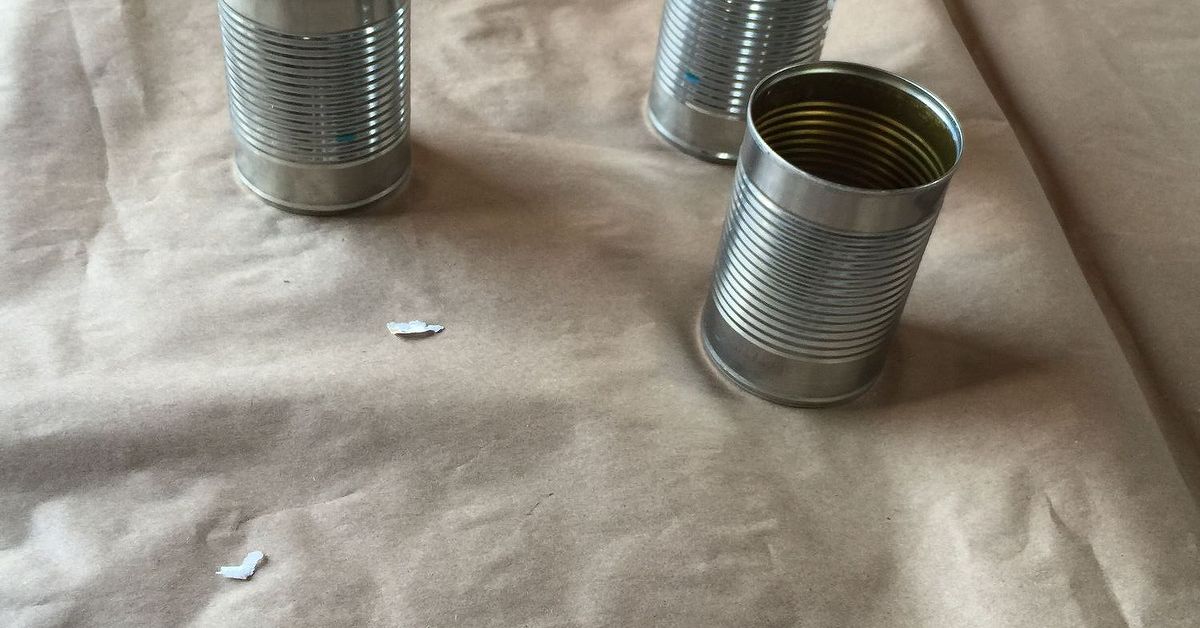
Before you drop that empty soup can into the trash with the dramatic flair of a reality-show exit, pause for one tiny second. That humble metal cylinder has range. It can organize your desk, hold herbs on your windowsill, light up your patio, corral kitchen tools, become a craft project, orwhen it has truly served its second, third, and fourth lifehead to the recycling bin like the responsible little overachiever it is.
Empty tin cans, which are often actually steel cans coated with a thin layer of tin or another protective lining, are one of the most overlooked items in the home. We open them, scoop out the beans, tomatoes, tuna, or peaches, and then act as if the can has no future. Rude. With a little cleaning, a little creativity, and a healthy respect for sharp edges, these everyday containers can become practical, stylish, and surprisingly charming tools around the house.
This guide explores smart ways to reuse empty tin cans, how to prepare them safely, when recycling is the better option, and why upcycling tin cans is more than a cute weekend project. It is a small, satisfying way to reduce household waste, save money, and add a dash of personality to your home without buying yet another plastic organizer that mysteriously costs $19.99.
Why Empty Tin Cans Deserve a Second Look
Tin cans are sturdy, heat-tolerant, easy to decorate, and available in multiple sizes. A small tomato paste can can hold paper clips. A soup can can become a pencil cup. A large coffee can can store paintbrushes, garden gloves, or pet treats. Unlike flimsy packaging, cans are built to protect food during shipping, storage, and handling, which means they are also tough enough for many household projects.
Reusing cans also supports the classic waste-reduction hierarchy: reduce, reuse, then recycle. Recycling is valuable, but reuse often comes first because it extends the life of an item before it enters the recycling stream. That said, once a can is rusty, bent beyond usefulness, or no longer needed, recycling is still a strong final act. Metal food cans are widely accepted in many curbside recycling programs, though local rules vary, so it is always wise to check your city or county guidelines.
How to Prepare Empty Tin Cans Safely
Before turning your can into a rustic herb planter or a desktop masterpiece, give it a proper makeover. This is not glamorous work, but neither is explaining why your DIY pencil holder still smells like chili.
1. Clean the Can Thoroughly
Wash the can with warm, soapy water and remove all food residue. Rinse it well and let it dry completely. This step matters whether you plan to craft with the can or recycle it. Food residue can create odors, attract pests, and make craft paint or adhesive less effective.
2. Remove or Cover Sharp Edges
Opened cans may have sharp rims. Use a safety can opener when possible because it creates smoother edges. If the rim is still rough, cover it with strong tape, folded fabric, hot glue, rubber edging, or a rolled decorative trim. For projects children will handle, an adult should inspect every edge before the can joins the fun.
3. Remove the Label
Most paper labels peel off after a short soak in warm water. Sticky residue can usually be removed with dish soap, baking soda paste, or a little rubbing alcohol on a cloth. If the label refuses to leave, do not take it personally. Simply cover the can with fabric, twine, scrapbook paper, chalk paint, or peel-and-stick wallpaper.
4. Decide Whether It Needs Drainage
If the can will become a planter, drainage holes are essential for most herbs and houseplants. Use a nail and hammer or a drill to make several holes in the bottom. Without drainage, water can collect around roots and cause rot. If you want to keep the can on a windowsill, place it on a saucer, tray, or cork pad to protect surfaces.
Creative Ways to Reuse Empty Tin Cans Around the House
The beauty of tin can upcycling is that it does not require elite crafting skills. If you can wash a can, avoid stabbing yourself with the lid, and operate a paintbrush without redecorating the dog, you are qualified.
Turn Tin Cans Into Desk Organizers
One of the easiest uses for empty tin cans is office storage. Wrap three or five cans in matching paper, attach them to a small wooden board, and you have a tidy organizer for pens, scissors, markers, rulers, and charging cables. For a cleaner look, paint the cans in one color and label them with small adhesive tags.
This is especially helpful for home offices, homework stations, and craft rooms. Short cans work well for clips and erasers, while taller cans hold brushes, pens, and colored pencils. You can even angle several cans inside a shallow box to create a stylish supply caddy.
Make Charming Herb Planters
Tin can planters are a classic for a reason: they are cheap, cute, and perfectly sized for small herbs. Basil, parsley, cilantro, mint, thyme, and chives can all grow nicely in small containers when given good light, proper drainage, and quality potting mix.
To make a simple herb planter, punch drainage holes in the bottom, add a thin layer of small stones if desired, fill the can with potting mix, and plant your herb. Paint the outside with outdoor-safe paint or leave it plain for a farmhouse look. Add a label, and suddenly your windowsill looks like it belongs to someone who says things like “I just snipped fresh thyme” with confidence.
Create Tin Can Lanterns
For a cozy patio or porch project, turn cans into lanterns. Fill the can with water and freeze it first; the ice helps the can keep its shape while you punch holes. Then use a nail and hammer to create a patternstars, dots, hearts, leaves, or simple geometric rows. Once the ice melts and the can dries, paint it and place an LED tea light inside.
Use battery-powered candles rather than open flames whenever possible, especially around children, pets, dry leaves, curtains, or anything that can turn “cute ambiance” into “why is the smoke alarm singing?”
Build a Kitchen Utensil Holder
Large cans are excellent for spatulas, wooden spoons, whisks, and tongs. Decorate several cans in matching colors and place them in a tray near the stove. You can label them by category: stir, flip, whisk, serve. This makes cooking more efficient and adds a personal touch to the kitchen.
If you prefer a wall-mounted solution, attach cans to a wooden board and hang it securely. This creates vertical storage and frees up drawer space. It is especially useful in small kitchens where every square inch is treated like beachfront property.
Use Cans for Bathroom Storage
Clean tin cans can hold toothbrushes, makeup brushes, cotton swabs, hair ties, razors, or combs. For bathrooms, choose a finish that can handle moisture. Paint the can with a waterproof sealant, cover it with contact paper, or keep it in a dry cabinet rather than directly beside the sink.
Short cans are great for small items that usually disappear into drawers and return only when you no longer need them. A few matching cans can make a bathroom shelf look intentional instead of “I shoved everything here because guests arrived in five minutes.”
Organize the Garage or Workshop
Tin cans are practically born for garage storage. Use them to sort screws, nails, zip ties, paint stirrers, small hand tools, seed packets, or spare hardware. Attach cans to a pegboard or shelf, or screw them into a wooden strip for a durable wall organizer.
For safety, label everything clearly. Nobody wants to reach into a mystery can and discover it contains both thumbtacks and emotional regret. If the can will hold sharp items, cover the rim and keep it out of children’s reach.
Make Gift Containers and Party Favors
Empty cans can become adorable packaging for small gifts. Wrap the outside in paper or fabric, fill the can with candy, tea bags, cookies, art supplies, seed packets, or bath salts, and finish it with ribbon. For birthdays, baby showers, classroom gifts, or holiday favors, decorated cans feel thoughtful without requiring a large budget.
You can also use clean cans as mini vases for table centerpieces. Add flowers, greenery, or dried stems, and group cans in odd numbers for a relaxed, pretty arrangement. The result is casual, affordable, and much more charming than another plastic centerpiece destined for the junk drawer.
Garden Uses for Empty Tin Cans
Gardeners are natural upcyclers. Give a gardener an empty can, a cracked mug, or an old boot, and they will look at it thoughtfully and say, “Could a succulent live in that?” The answer is often yeswith drainage.
Seed Starters
Small cans can be used to start seedlings, especially for herbs and flowers. Add drainage holes, fill with seed-starting mix, and place the cans in a sunny window or under grow lights. Because metal can heat up quickly, monitor moisture and temperature carefully. Seedlings do not enjoy being baked like tiny botanical casseroles.
Plant Markers and Garden Labels
Cut the sides of a can into strips and use them as durable plant labels. Smooth the edges carefully, then write on the metal with a permanent marker or emboss the plant name using a dull pencil. These labels can withstand outdoor conditions better than many paper tags.
Birdseed Scoops and Garden Tool Holders
A clean can makes a handy scoop for birdseed, potting mix, or compost. Larger cans can store garden twine, gloves, seed packets, or small tools. Add a handle with wire or twine if you want a portable mini caddy.
What Not to Do With Empty Tin Cans
Upcycling is fun, but not every idea belongs on your weekend list. Some uses are unsafe, impractical, or simply not worth the risk.
Do Not Store Leftover Food in an Open Can
Once a food can is opened, transfer leftovers to a clean glass, stainless steel, or food-safe plastic container with a lid. Storing food in an opened can may affect flavor and quality, and it is not the best practice for food safety. This is especially important for acidic foods such as tomatoes, pineapple, or citrus-based items.
Do Not Use Rusty Cans for Food or Kids’ Crafts
If a can is rusty, badly dented, or has peeling lining, recycle it if local rules allow. Rusty cans can stain surfaces and may have rough areas that are unsafe to handle. For children’s crafts, use only clean cans with smooth, covered edges.
Do Not Plant Edibles Without Considering the Can’s Condition
For herbs and edible plants, use clean cans that are not rusty, not flaking, and not previously used for chemicals or non-food substances. Add drainage holes and avoid overheating the roots in direct, intense sun. When in doubt, use cans for flowers or decorative plants rather than food crops.
When Recycling Is Better Than Reusing
Not every empty can needs to become a wind chime, and that is okay. Sometimes the best choice is recycling. If you already have enough organizers, planters, lanterns, and “future craft supplies” hiding in your closet, send the extra cans to the recycling bin.
Before recycling, rinse cans to remove food residue. Many recycling programs accept steel and aluminum cans, but rules differ by location. Some areas prefer cans uncrushed, especially in single-stream systems where sorting equipment identifies items by shape. Check local guidelines before flattening cans like a tiny metal pancake.
Recycling metal saves resources and keeps valuable materials in use. It also prevents household clutter from disguising itself as “creative potential.” A realistic upcycler knows the difference between useful reuse and accidentally building a museum of empty bean cans.
Easy Tin Can Project Ideas by Skill Level
Beginner Projects
If you are new to DIY, start simple. Make pencil holders, paintbrush cups, bathroom organizers, herb planters, or gift containers. These projects require minimal tools and can be completed in less than an hour. Paint, twine, ribbon, and labels can transform a plain can quickly.
Intermediate Projects
Try wall-mounted storage, lanterns, hanging planters, or stacked supply caddies. These may require drilling holes, attaching hardware, or using stronger adhesives. Measure carefully and test stability before loading cans with heavy items.
Advanced Projects
For experienced DIYers, tin cans can be incorporated into vertical garden systems, outdoor lighting displays, rustic chandeliers with LED lights, or custom garage storage walls. These projects require planning, safe tools, and secure mounting. The results can look surprisingly high-end when colors, spacing, and finishes are thoughtfully chosen.
Design Tips to Make Upcycled Cans Look Stylish
The difference between “cute upcycle” and “why is there trash on the counter?” often comes down to consistency. Use a coordinated color palette, repeat materials, and group cans in sets. Three matte black cans on a wood tray look modern. Six mismatched cans with half-peeled labels look like recycling got lost on the way outside.
Try these design upgrades:
- Paint them all one color: White, black, sage green, navy, and terracotta shades work well in many homes.
- Add texture: Wrap cans with jute twine, cotton rope, burlap, or linen scraps.
- Use labels: Small chalkboard labels or printed tags make storage look intentional.
- Group by size: Use matching cans together for a cleaner, more polished display.
- Seal outdoor projects: A clear protective coating can help painted cans hold up longer outside.
Real-Life Experiences: What Happens When You Stop Tossing Tin Cans
The first time you save an empty tin can, it may feel a little silly. You rinse it, set it on the counter, and wonder whether you are becoming practical, creative, or the star of a very low-budget recycling documentary. But after a few uses, the habit starts to make sense. Empty cans have a way of solving small household problems that usually send people to the store.
One of the most satisfying experiences is turning cans into quick organizers. A messy drawer full of pens, batteries, rubber bands, and mystery keys can become manageable with a few labeled cans. Suddenly the junk drawer is not a disaster zone; it is a “utility system.” That sounds much fancier, and honestly, it feels better too.
In the kitchen, large cans can become surprisingly useful. A clean coffee can near the stove can hold wooden spoons and spatulas. Smaller cans can collect twist ties, tea packets, or measuring spoons. When covered with simple paper or painted to match the room, they do not look like leftovers from dinner. They look like a design choice. A very affordable design choice.
Gardening with tin cans is another rewarding experiment. There is something cheerful about seeing basil or mint growing in a container that once held tomatoes. It creates a small loop of usefulness: dinner becomes a can, the can becomes a planter, the planter grows herbs, and the herbs go back into dinner. That is not just recycling; that is a tiny kitchen ecosystem wearing a cute label.
Tin can lanterns are especially fun because they feel almost magical for such a simple project. Punching holes into a pattern, painting the outside, and dropping in an LED candle turns an ordinary can into warm, speckled light. Line several along a patio table, and the space immediately feels more inviting. Guests may ask where you bought them. You can then decide whether to be humble or proudly announce, “These used to be beans.”
There are also lessons learned the hard way. Sharp edges are no joke. A can that seems smooth at first can still have a tiny metal burr waiting to cause trouble. Covering rims is worth the extra minute. Drainage holes matter too. A tin can without drainage can turn a hopeful herb into a swampy tragedy. And not every saved can needs to be saved forever. Sometimes reuse means choosing the best cans and recycling the rest.
The biggest experience-based lesson is that reusing tin cans changes how you see ordinary objects. You begin to notice potential everywhere: jars, boxes, fabric scraps, old baskets, and containers that once seemed disposable. This does not mean keeping everything. It means recognizing that useful things often hide in plain sight. Empty tin cans are a perfect place to start because they are common, sturdy, and easy to transform.
So the next time you open a can of soup, beans, peaches, or crushed tomatoes, do not toss the container automatically. Rinse it. Inspect it. Imagine it holding herbs, pencils, flowers, tools, or candlelight. If it has no second-life purpose, recycle it properly. Either way, that little can has more to give than you might think.
Conclusion: The Can-Do Case for Keeping Empty Tin Cans
Empty tin cans are small, ordinary, and easy to ignorebut they are also practical, recyclable, and full of creative potential. With basic cleaning and safe handling, they can become planters, organizers, lanterns, gift containers, craft supplies, and garden helpers. The best part is that tin can upcycling does not demand expensive tools or professional design skills. It simply asks you to look at “trash” and see possibility.
Whether you reuse one can for pens or create an entire windowsill herb garden, every small project helps reduce waste and make your home a little more personal. And when a can is no longer useful, recycling gives the metal another chance to return as something new. In other words, do not toss your empty tin cans too quickly. They may be done holding soup, but they are definitely not done being useful.