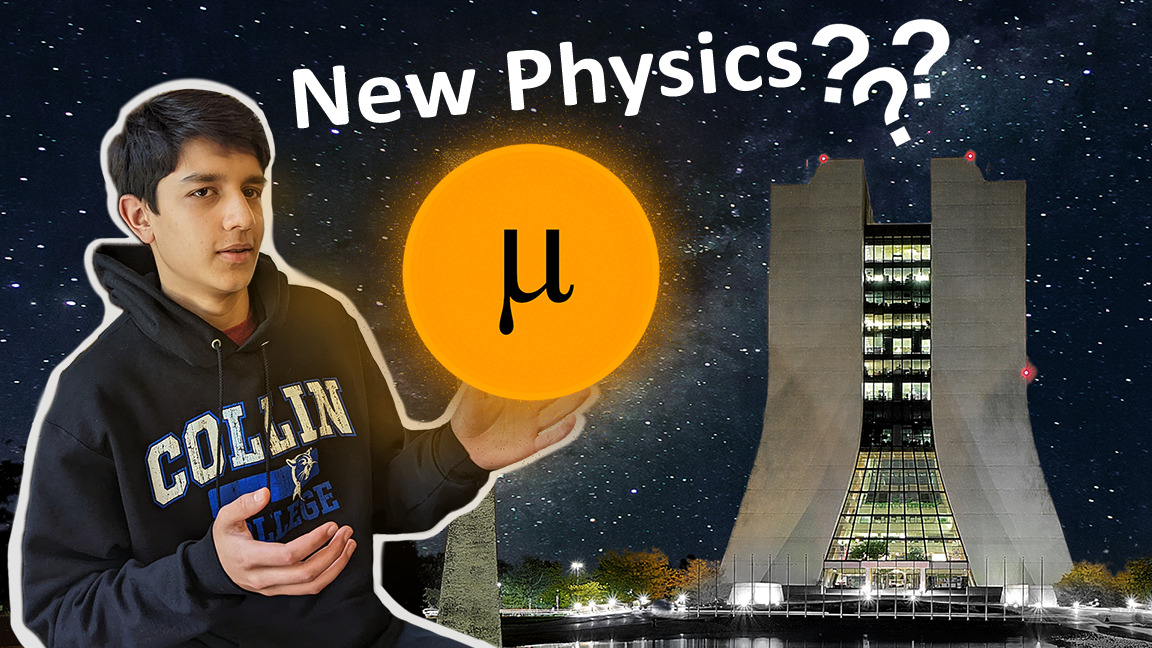
Spending over 120 hours creating one video sounds slightly dramatic until you actually do it. Then it starts to feel less like “making content” and more like building a small spaceship with duct tape, coffee, and a terrifying number of timeline layers. There is scripting, research, filming, editing, re-editing, audio fixing, thumbnail testing, caption writing, color correcting, exporting, noticing one tiny mistake, exporting again, and finally staring at the upload button like it owes you money.
But here is the strange truth about modern video creation: the work does not end when the video goes live. In many ways, that is when the real test begins. A creator can spend days, weeks, or even months shaping a video, but its success often depends on what happens in the first wave of audience response. Views matter, yes, but so do comments, watch time, shares, saves, likes, and whether viewers actually stick around long enough to see the story unfold.
That is why the phrase “I spent over 120 hours creating this video, and now I need your help” is not just a dramatic caption. It is a very real creator moment. It is the point where craft meets community. It is where one person’s hard work asks the internet to become more than a scrolling machine with thumbs.
Why 120 Hours on One Video Is Not as Wild as It Sounds
To someone outside the creator world, 120 hours may sound like overkill. “It is just a video,” they might say, possibly while recording a blurry 12-second clip of their lunch. But a polished video can require the same kind of planning that goes into a small documentary, a short film, or a digital campaign.
A serious video often begins long before the camera turns on. The creator has to decide what the video is really about. Not the surface topic, but the emotional reason people should care. Is it a tutorial? A story? A challenge? A review? A personal confession? A behind-the-scenes journey? A video without a clear reason to exist is like a GPS that only says, “Good luck, buddy.”
Once the concept is clear, the research begins. This may include studying similar videos, checking audience questions, reading comments, gathering examples, verifying details, building a shot list, and organizing the flow. For creators who care about quality, every second has a job. The opening must hook. The middle must keep the promise. The ending must feel satisfying enough that viewers do not leave thinking, “Well, that was a suspicious use of my time.”
The Hidden Work Behind a Video People Actually Watch
1. The Idea Has to Survive the Planning Stage
Every good video starts with a simple question: why would someone click this, and why would they keep watching? Those are two different problems. A title and thumbnail may earn the click, but the story earns the watch time. This is why creators spend so much time shaping the opening seconds. The viewer needs a reason to stay before their thumb develops other plans.
A video titled “I Spent Over 120 Hours Creating This Video” has a built-in hook because it creates curiosity. What kind of video took that long? Was it worth it? What went wrong? Why does the creator need help? The best titles open a loop in the viewer’s mind. The video’s job is to close that loop in a way that feels rewarding.
2. Filming Is Usually the Shortest Part, Somehow
People imagine video production as a glamorous day of lights, cameras, and confident smiles. In reality, filming often includes dead batteries, background noise, awkward retakes, lighting that changes every 11 minutes, and at least one moment where the creator says, “Why do I suddenly not know how to speak?”
Even a simple talking-head video can take hours if the creator wants it to feel natural. More complex projects may involve multiple locations, screen recordings, B-roll, product shots, interviews, animations, or demonstrations. The camera captures the footage, but the creator captures the experience. That takes patience.
3. Editing Is Where Time Goes to Disappear
Editing is the invisible mountain. Viewers may never notice a clean cut, balanced audio, or well-timed transition, but they will absolutely notice when something feels slow, confusing, or sloppy. Editing decides the rhythm of the video. It removes the awkward pauses, sharpens the jokes, strengthens the emotional beats, and makes the story feel intentional.
A 10-minute video can require hours of trimming, arranging, sound mixing, captioning, graphics, music selection, and quality control. The creator may test different intros, rearrange sections, cut favorite moments that do not serve the story, and watch the same clip so many times that the word “exporting” begins to feel personal.
Why Creators Ask for Help After Publishing
When a creator asks viewers for help, it is not always about money, fame, or ego. Often, it is about momentum. Online platforms use audience signals to understand whether a video is connecting with people. If viewers click, watch, comment, share, and return, the video has a better chance of reaching a wider audience.
This is where the audience becomes part of the creative process. A viewer who watches all the way through is not just consuming the video; they are helping prove that the video is worth recommending. A thoughtful comment can start a conversation. A share can introduce the work to a completely new circle. Even a simple like can act as a small but meaningful signal that says, “This was worth my attention.”
The internet often makes creative work look instant. One moment there is nothing, and the next moment there is a finished video on a feed. But behind that upload may be a week of late nights, technical problems, self-doubt, and an edit timeline that looks like a digital bowl of spaghetti.
What “Help” Really Means for a Creator
Watch the Video With Intention
The most helpful thing a viewer can do is surprisingly simple: watch the video. Not half-watch while cooking noodles and arguing with a group chat. Actually watch. If the video is long, give it a fair chance. If it is useful, entertaining, emotional, or beautifully made, staying with it helps the creator more than many people realize.
Leave a Real Comment
A comment like “great video” is nice. A comment that mentions a specific moment is even better. For example: “The part where you showed the editing timeline made me appreciate how much work went into this.” That kind of comment gives the creator feedback and gives new viewers a reason to keep watching.
Share It With the Right People
Sharing does not mean blasting the link into the void like a digital paper airplane. The best shares are targeted. Send it to someone who would genuinely enjoy it. Post it with a sentence explaining why it is worth watching. Recommend it in a community where the topic fits. A thoughtful share is far more powerful than a random one.
Engage Early, But Honestly
Early engagement can help a video build traction, but fake hype is not the goal. Creators do not need empty noise; they need real audience response. If a video made you laugh, say that. If it helped you learn something, mention it. If it inspired you, share the specific reason. Authentic engagement builds a stronger community than robotic cheerleading ever could.
The Emotional Side of Spending 120 Hours on One Project
There is a strange emotional roller coaster that comes with making something big. At first, the idea feels exciting. Then the work gets heavier. Then the project starts fighting back. Files go missing. Audio sounds weird. A section that looked brilliant at midnight looks deeply questionable the next morning. Somewhere around hour 78, the creator may begin negotiating with the universe.
By the time the video is finished, the creator has usually gone through pride, doubt, exhaustion, hope, panic, and at least one snack-based identity crisis. Uploading the video should feel like a victory, but it can also feel vulnerable. After all that time, the creator is not just sharing a file. They are sharing effort, taste, judgment, personality, and a very large piece of their week.
That vulnerability is why audience support matters. A single encouraging comment can feel like someone opening a window in a very stuffy room. It reminds the creator that the work reached a real person. It says the hours were not wasted. It says, “Keep going.”
Why Quality Videos Still Need Community
A great video does not automatically find its audience. The internet is crowded with talented people, clever ideas, and enough content to make a hard drive sweat. Quality matters, but distribution matters too. A creator may produce something thoughtful and original, but without engagement, it can disappear under a pile of trending clips, breaking news, reaction videos, and someone teaching a raccoon to paint.
This is why creators talk so much about community. A loyal audience does more than watch. It responds, recommends, discusses, and returns. Community turns a single upload into a living conversation. It gives creators a reason to improve and gives viewers a sense that they are part of something, not just passing through another feed.
For Google and Bing visibility, this also matters beyond the platform itself. Search engines increasingly reward helpful, people-first content. A video supported by a strong article, clear title, useful description, and genuine audience engagement has a better chance of being discovered by people searching for related topics. In other words, the creator’s job is not only to make the video; it is to make the video findable, understandable, and worth talking about.
How a Creator Can Turn 120 Hours Into Long-Term Value
The best creators do not treat a major video as a one-day event. They turn it into an ecosystem. A long video can become short clips, behind-the-scenes posts, a blog article, a newsletter story, a community discussion, a pinned comment, a follow-up Q&A, or a downloadable resource. This is not lazy recycling. It is smart storytelling.
If one project took 120 hours, it deserves more than one upload and a nervous refresh of the analytics page. The creator should give the video multiple entry points. Some people will discover it through search. Some through a short clip. Some through a friend’s message. Some through a behind-the-scenes post explaining why the video mattered. The more doors the creator builds, the more chances the right audience has to walk in.
Specific Ways Viewers Can Support This Video
If you watched the video and want to help, here are practical actions that genuinely matter. First, watch as much of the video as you can, especially if the topic interests you. Second, leave a comment that says what stood out. Third, share it with one person who would care about the subject. Fourth, save it if the platform allows that. Fifth, check out another video from the creator if you liked the style.
None of this requires a grand heroic sacrifice. You do not need to carve the video title into a mountain. You do not need to start a fan club with matching jackets. Small actions, done by real viewers, can create meaningful momentum.
For Creators: What This Moment Teaches
Spending over 120 hours on one video teaches a creator several things. It teaches discipline, because big projects do not survive on vibes alone. It teaches editing judgment, because not every beautiful shot belongs in the final cut. It teaches humility, because the audience may love the part you almost deleted and ignore the part you polished for six hours.
Most importantly, it teaches that creation is not only production. It is communication. A video succeeds when the viewer feels invited into the story. That invitation starts with the title, continues through the opening, deepens through the content, and continues in the comments after the video ends.
My Experience With the “120-Hour Video” Problem
Anyone who has worked on a large creative project knows the feeling: at the beginning, the idea looks clean and exciting. You imagine the final version like a shiny movie trailer. Everything will flow. The jokes will land. The transitions will sparkle. The audience will applaud from their couches. Then reality arrives wearing muddy boots.
The first challenge is scope. A creator may begin with a simple idea, then keep adding “just one more thing.” One more scene. One more graphic. One more comparison. One more voiceover line. One more tiny adjustment that somehow takes 47 minutes. Before long, the project has grown from a nice video into a full expedition. This is where planning becomes survival. Without a clear outline, a creator can spend hours improving sections that may not even belong in the final video.
The second challenge is energy management. Creative work is not only technical; it is emotional. You can know exactly how to edit a clip and still feel stuck because your brain has turned into mashed potatoes. After many hours, decision fatigue becomes real. Is this music too dramatic? Is this cut too fast? Is the intro clear? Is the thumbnail exciting or does it look like it was designed during a minor thunderstorm? These questions pile up.
One practical lesson is to separate creative passes. Do not try to fix everything at once. First, focus on structure. Does the video make sense? Next, focus on pacing. Does it move well? Then polish audio, visuals, captions, and final details. This keeps the project from becoming a swamp where every task is screaming for attention at the same time.
Another useful lesson is to create checkpoints. After the rough cut, step away. Watch it later with fresh eyes. If possible, let one trusted person review it before publishing. Not 12 people, because then you may receive 12 different opinions and accidentally start a small committee. One or two honest viewers can help identify confusing parts, slow sections, or moments that deserve more emphasis.
The third challenge is emotional attachment. After 120 hours, every second can feel precious. Cutting a scene hurts because you remember how long it took to make. But the viewer only sees the final experience. They do not know that a five-second clip required moving furniture, changing lights, and bribing your own patience. If the clip slows the video down, it may need to go. Editing is sometimes less about what you can add and more about what you are brave enough to remove.
The fourth challenge is asking for support without sounding desperate. This is tricky. A creator should be honest, but not guilt-trip the audience. The best approach is simple: explain the effort, explain why the video matters, and give viewers clear ways to help. For example: “If this video helped you, leaving a comment or sharing it with someone who would enjoy it makes a huge difference.” That is respectful. It treats viewers like people, not like unpaid algorithm employees.
Finally, the biggest lesson is that a 120-hour video is not just a content asset. It is proof of commitment. Whether the video gets 500 views or 500,000, the creator has built skills that carry into the next project. The research gets sharper. The editing gets cleaner. The storytelling gets braver. The next video may still be hard, but it will not start from zero.
So if you are the viewer, your help matters. If you are the creator, your work matters even before the numbers arrive. The video is not only a finished product; it is a milestone. And sometimes, the difference between a project that quietly fades and one that finds its people is a small group of viewers willing to watch, comment, share, and say, “Yes, this deserves a little more light.”
Conclusion: The Video Is Finished, But the Story Is Not
Spending over 120 hours creating a video is an act of patience, stubborn optimism, and possibly questionable sleep habits. But the finished upload is only half the journey. The other half belongs to the audience. Viewers help decide whether the work travels, whether it sparks conversation, and whether the creator gets the encouragement to make the next ambitious thing.
If a video made you think, laugh, learn, or feel something, do not let it vanish quietly into the scroll. Watch it. Comment on it. Share it with someone who would care. Support the human behind the upload. The internet has plenty of noise; what it needs more of is people helping good work find its way.