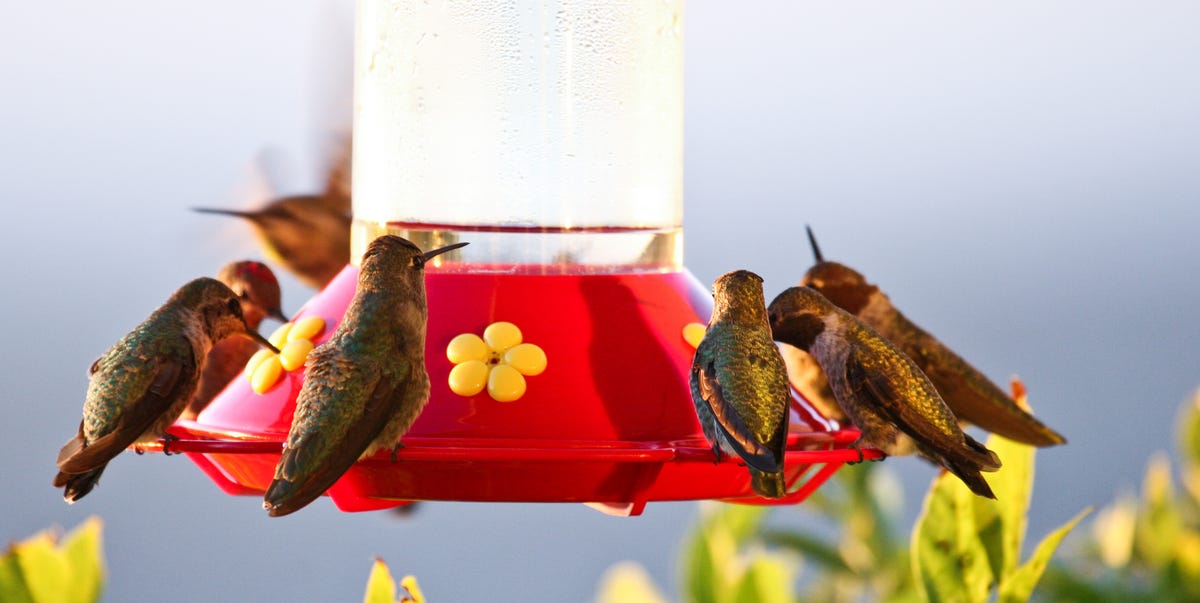
If spring had a soundtrack, hummingbirds would be the drum solo: sudden, loud for something that weighs about as much as a paperclip, and guaranteed to make you look up from whatever you’re doing. The problem is that they rarely send a calendar invite. One day your yard is quiet; the next day a tiny, jeweled rocket is hovering near your flowers like it owns the place.
The good news is you can get surprisingly close to predicting your first hummingbird visit. Not to the minute, but close enough to have fresh nectar ready, early blooms on deck, and your camera charged instead of buried under a pile of “I’ll deal with that later.” This guide will show you how to narrow down the timing using regional patterns, real-time sighting tools, and simple cues from your own garden.
Why When Depends on Where and Which Hummingbird
In the United States, spring hummingbird timing is mainly about species and geography. East of the Rocky Mountains, the headline act is usually the ruby-throated hummingbird. In the West and Southwest, you might see Anna’s, black-chinned, rufous, Allen’s, broad-tailed, Costa’s, and more. Some are long-distance migrants, some are year-round residents, and some do a little of both depending on local climate and food availability.
So instead of asking, “When do hummingbirds come back?” ask, “Which hummingbird comes back here?” Once you know that, the timeline gets a lot less mysterious and a lot more useful.
Quick species reality check
- Most of the East: Ruby-throated hummingbirds dominate spring and summer. Many migrate from wintering grounds in Mexico and Central America; some can cross the Gulf of Mexico in a single long flight.
- Pacific Coast: Anna’s hummingbirds are common year-round in many areas, with extra migrants passing through in spring.
- Southwest and Texas: Black-chinned and other western species can arrive early; some regions also host wintering hummingbirds.
- Mountain regions: Arrival often tracks elevation, with higher places warming later and blooming later.
Spring Arrival Timeline for U.S. Gardens
Use the table below as a practical estimate for spring hummingbird arrival in your region. These windows reflect typical patterns, but weather and food availability can move the schedule earlier or later. If you live near the edge of a species’ range, your timing may be more variable year to year.
| Region | Typical first arrivals | What you’ll likely see |
|---|---|---|
| Gulf Coast and southern Florida | Late February to March | Early northbound migrants; wintering birds in warmer pockets |
| Texas and the Southwest at low elevations | February to March | Early-season western species; migration can begin before many gardens bloom |
| Southeast inland | March to early April | Ruby-throated arrivals, with many males showing up first |
| Mid-Atlantic | Late March to April | Ruby-throated numbers build steadily through April |
| Midwest | Late April to May | Ruby-throated surge as spring fully settles in |
| Northeast and Upper Midwest | Late April to May | Ruby-throated peak; late frosts can slow or stagger arrivals |
| Pacific Coast | Year-round in many areas | Anna’s plus additional migrants in spring |
| Rockies and high elevations | April to June | Mountain species timed to later snowmelt and bloom cycles |
What this looks like in real life
Example: A gardener on the Gulf Coast might spot a ruby-throated hummingbird in early March, while a gardener in the Upper Midwest often won’t see one until late April or May. Meanwhile, a gardener in coastal California may see Anna’s hummingbirds in winter and spring, with additional species appearing as migration ramps up.
The Three-Signal Method to Pinpoint Your Week
If you want a better answer than “sometime in spring,” combine these three signals. When two or more line up, your odds of seeing hummingbirds soon go way up.
Signal 1: Real-time hummingbird migration and sighting maps
Citizen-science trackers compile reports from thousands of people. When you see sightings stacking up just south of you and creeping north day by day, that’s your clue that your own “buzz date” is close. Use these maps like weather radar: you’re not seeking perfection, you’re watching a front move in.
- How to use it: Check daily during your expected two-week window.
- Make it smarter: Look back at prior years to find your area’s usual “first sighting week.”
- Bonus move: Pay attention to where the first reports cluster in your state; coastal and low-elevation areas often light up before inland or higher sites.
Signal 2: Your local bloom calendar
Hummingbirds migrate with food. In many areas, arrivals line up with early tubular blooms and the first real wave of spring insects. Watch for:
- Early nectar flowers opening in your region
- Small flying insects becoming active on warm afternoons
- Leaf buds popping and the yard shifting from winter beige to spring green
If you already track bloom timing, you’re basically doing migration forecasting. You just haven’t been charging consulting fees.
Signal 3: Weather patterns and winds
Warm spells can speed movement north, while late cold snaps can slow birds down by reducing flowers and insects. Favorable winds can help birds cover ground quickly. If spring keeps fake-ending and returning like a TV show that refuses to wrap its season finale, hummingbird arrivals can be staggered too.
When to Put Out a Hummingbird Feeder
The simplest rule that works almost everywhere is this: put out feeders 7 to 14 days before your expected first arrivals. If you’re in a warm region where hummingbirds can overwinter, you can keep feeders available year-round, but only if you maintain them consistently.
Does feeding stop migration
No. Migration timing is driven mainly by changes in daylight and biology, not by a single easy snack. A feeder is a gas station, not a reason to cancel the road trip.
Hummingbird nectar recipe
Skip the fancy mixes. The standard nectar recipe experts recommend is:
- 1 part white granulated sugar
- 4 parts water
Stir until dissolved. Many people use hot water to dissolve sugar quickly, then cool the mixture completely before filling feeders. Avoid red dye. Avoid honey and artificial sweeteners. Hummingbirds want sugar water, not your experimental kitchen chemistry.
How often to clean and refill
Cleanliness is the difference between a helpful pit stop and a tiny biology experiment. Nectar lasts longer in cool weather and spoils faster in heat. A practical schedule:
- Cool conditions: replace nectar every 2 to 3 days
- Warm or hot conditions: replace daily or every other day
- Anytime it looks cloudy: dump it, wash the feeder, start fresh
Wash with hot water and a bottle brush. Mild soap can work if you rinse extremely well; some bird groups recommend a vinegar rinse for stubborn buildup. Skip harsh chemicals and strong fragrances.
Turn Your Garden Into a Spring Rest Stop
Feeders are great, but the best hummingbird gardens offer layers of resources: nectar flowers, small insects, shelter, and safe perches. The goal is to support hummingbirds as they refuel and move on, and to encourage longer visits in regions where they breed.
Plant for a long bloom season
Choose nectar plants that hand off the bloom baton from early spring into summer. Popular picks that many hummingbirds love include bee balm, native trumpet honeysuckle, salvia with tubular flowers, columbine, penstemon, and coral bells. Focus on native species whenever possible, because native plants support native insects, and hummingbirds rely on insects for protein, especially during nesting season.
Place feeders safely
- Near cover: roughly 10 to 15 feet from shrubs or small trees gives birds a quick escape route.
- Away from ambush spots: don’t hang feeders where a cat can hide below or where predators get an easy surprise attack.
- Reduce window strikes: if the feeder is near glass, add decals, screens, or other bird-friendly window treatments.
- Multiple feeders help: place two feeders out of sight of each other to reduce territorial squabbles.
Add water for repeat visits
Hummingbirds love moving water. A mister, dripper, or small fountain can make your yard feel like a five-star spa, especially in hot or dry regions.
Troubleshooting: If You’re Ready but the Birds Aren’t
No hummingbirds yet
If your feeder is out and nothing shows up, the most common reasons are boring and fixable:
- You’re early and they simply haven’t arrived yet.
- Natural blooms nearby are abundant, so the feeder is not today’s hottest brunch spot.
- The nectar is old, the feeder is leaky, or ants and bees have taken over.
- Your main hummingbird species arrives later than generic advice suggests.
They came once and disappeared
Early-season birds often scout and move on. Keep nectar fresh and flowers blooming, and you increase the odds of repeat visits. Consistency is how you turn a drive-by into a routine stop.
One hummingbird is bullying everyone
Congratulations, you have a tiny feathered bouncer. Add a second feeder across the yard so one bird can’t guard both. Problem solved, and you get more action to watch.
A Simple Plan to Catch Your First Spring Visit
- Two weeks before your window: clean feeders, buy plain white sugar, and identify one or two early-bloom plants you can add.
- One week before: hang your first feeder with fresh 4:1 nectar and start checking local sighting maps daily.
- Arrival week: refresh nectar frequently, add a second feeder if needed, and watch at dawn and late afternoon.
- After the first sighting: keep resources reliable. Hummingbirds notice routine.
Conclusion
Finding out when hummingbirds will visit your garden this spring is not about guessing. It’s about combining a regional timeline with real-time sightings, bloom cues, and weather patterns. Put out a clean feeder a week or two early, plant for nectar-rich blooms, keep everything fresh, and enjoy the moment. The first spring hummingbird is one of the few surprises in life that never shows up with a bill.
Bonus: of Backyard Experience
Here’s the part nobody tells you when you’re searching “when do hummingbirds come back” at 11:47 p.m. in February: your first sighting will happen the moment you’re least ready. You’ll be hauling laundry, dragging the trash to the curb, or staring into the fridge like it contains life’s answers. Then you’ll hear it. A tiny electric bzzzz that makes you whip your head around like you just heard your name at a party.
Gardeners often describe the first visitor as a quick drive-by. A hummingbird zips in, hovers for one suspicious second, decides your feeder looks acceptable, and vanishes. This is normal. Early-season birds are scouting. They’re mapping food sources the way you map coffee shops on a road trip. If your nectar is fresh and your feeder isn’t leaking like a sad sprinkler, they often return within hours, or the next morning when the sun warms the yard and tiny insects start to lift off.
Then comes the feeder politics phase. In ruby-throated territory, the first males can show up ahead of the main wave and act like pint-sized security guards. One bird claims the feeder, perches nearby, and chases away anything that moves, including other hummingbirds, butterflies, and occasionally your sense of peace. The fix is also the funniest. Hang a second feeder across the yard, ideally out of sight from the first. Suddenly the self-appointed sheriff can’t guard both. You get double the feeding, and you get to watch two birds refuel without turning your yard into an air show with a bad attitude.
Next up is the why-are-they-ignoring-my-feeder week. Sometimes spring flowers explode all at once, and hummingbirds spend the day sipping from real blooms while your feeder sits untouched, looking rejected. Try not to take it personally. That’s like being offended someone chose fresh tacos over a protein bar. Keep the feeder clean and stocked anyway. Flowers aren’t always dependable, and feeders become especially valuable during cold snaps, storms, or those awkward gaps between bloom cycles when the garden is between “wow” moments.
Veteran hummingbird watchers also learn that the best moments often happen away from the feeder. Watch the shrubs and small trees. Hummingbirds use perches to rest, preen, and stage tiny aerial duels that look like a sword fight filmed at high speed. After a while, you start noticing patterns: a favorite perch, a patrol route, a particular flower they check first, even a rush hour in your yard. Keep a simple log of your first arrival date, the first big bloom, and major weather swings, and you’ll build a personal “migration calendar” that gets more accurate every year.
Finally, the most universal experience of all is the first time you try to photograph a hummingbird. Your picture will be ninety percent blur and ten percent leaf. Congratulations. You’re officially part of the club. Keep trying. Spring is long, hummingbirds are persistent, and your garden is about to become the most entertaining airport lounge in the neighborhood.