Holiday string lights have a special talent: they can turn a quiet porch, a plain fence, or a sleepy row of shrubs into a scene that says, “Yes, someone here owns a ladder and has festive ambitions.” Whether you want a classic roofline glow, a cozy patio sparkle, or a front yard that politely outshines the neighbors without causing aircraft confusion, outdoor holiday string lights are one of the easiest ways to create seasonal magic.
But the modern world of outdoor Christmas lights is bigger than the old cardboard box of tangled bulbs in the garage. Today’s options include LED mini lights, vintage-style C7 and C9 bulbs, icicle lights, net lights, rope lights, smart color-changing strands, solar lights, battery-operated accents, and commercial-grade string lights that look like they could survive both a snowstorm and a family debate about where the extension cord went.
This outdoor holiday string light roundup breaks down the best types, where to use them, how to choose the right brightness and color, and how to keep everything safe, stylish, and not wildly frustrating. Because holiday decorating should feel joyfulnot like you accidentally volunteered for a seasonal electrical engineering exam.
Why Outdoor Holiday String Lights Still Win Every Season
Outdoor holiday string lights remain popular because they are flexible, affordable, and instantly recognizable. You can wrap them around porch columns, outline rooflines, frame windows, brighten trees, decorate fences, or create a glowing canopy over a patio. Unlike large inflatables or oversized yard props, string lights work with nearly every home style, from farmhouse and bungalow to modern townhome and suburban “we just cleaned the gutters, please admire us.”
The biggest shift in recent years has been the rise of LED holiday lights. LED string lights use far less energy than traditional incandescent strands, run cooler, and usually last longer. That makes them especially useful outdoors, where homeowners may run displays for several hours each evening throughout the holiday season. LED lights also come in a wider range of colors and effects, including warm white, cool white, multicolor, color-changing, twinkling, chasing, and app-controlled patterns.
Best Types of Outdoor Holiday String Lights
1. LED Mini String Lights
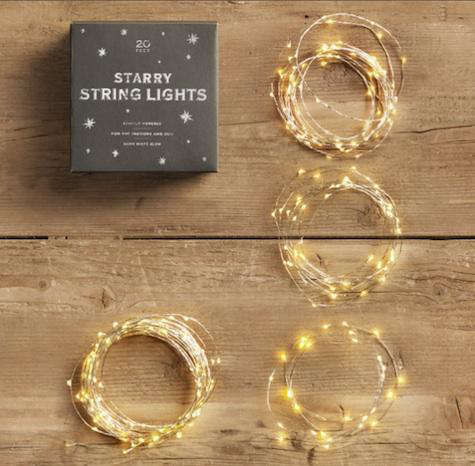
LED mini lights are the all-purpose heroes of holiday decorating. They are small, lightweight, and easy to wrap around railings, shrubs, small trees, mailbox posts, and porch columns. Their compact size makes them ideal when you want a soft, sparkling effect instead of bold statement bulbs.
Warm white LED mini lights create a cozy, traditional look, while cool white lights feel crisp and icy. Multicolor mini lights are cheerful, playful, and great for family-friendly displays. If you are decorating multiple outdoor areas, mini lights are often the easiest style to buy in bulk and use consistently across the yard.
2. C7 and C9 Christmas Lights
C7 and C9 bulbs are the classic big-bulb holiday lights many people associate with old-fashioned Christmas displays. C7 bulbs are slightly smaller and work beautifully along porch railings, windows, and smaller rooflines. C9 bulbs are larger and bolder, making them excellent for roof edges, gutters, fences, and front-facing displays that need to be visible from the street.
If your goal is a clean, professional-looking outdoor display, C9 LED string lights are hard to beat. They provide strong visual impact without requiring thousands of tiny bulbs. Choose faceted bulbs for extra sparkle, smooth opaque bulbs for a vintage glow, or transparent bulbs for a jewel-like look.
3. Icicle Lights
Icicle lights are designed to hang downward from gutters, eaves, porch roofs, and deck rails. They mimic the look of frozen icicles, except they are much friendlier and do not threaten to fall on your head. These lights are great for homes with strong rooflines and for decorators who want a wintry look without adding too many separate elements.
For a polished result, measure your roofline before buying and choose strands with consistent drop lengths. Warm white icicle lights feel elegant and classic, while cool white versions create a frosty, snow-globe effect.
4. Net Lights
Net lights are the shortcut every shrub owner deserves. Instead of weaving a regular string through bushes branch by branch, you simply drape a grid of lights over the plant. The result is quick, even coverage with less tangling and fewer moments of questioning your life choices.
Net lights work best on boxwoods, hedges, low shrubs, balcony railings, and rectangular landscape features. They are especially useful when you want several bushes to look uniform. For the cleanest effect, buy matching sets from the same product line so the color temperature and spacing look consistent.
5. Rope Lights
Rope lights are enclosed in a flexible tube, making them excellent for outlining walkways, steps, windows, garden beds, and curved features. They do not create the same classic “bulb” look as string lights, but they are very useful for clean lines and subtle accents.
Outdoor rope lights can be especially helpful around patios and decks because they define edges without being too bright. For holiday use, choose red, green, warm white, or color-changing rope lights depending on whether you want festive cheer or year-round flexibility.
6. Smart Outdoor String Lights
Smart holiday lights are for people who believe a porch should have settings. These app-controlled lights can change colors, run animations, sync with music, and switch themes from Christmas to New Year’s to backyard barbecue mode. Some smart systems work with voice assistants or schedules, allowing you to turn displays on automatically at sunset and off before bedtime.
The best smart outdoor string lights are weather-rated, easy to mount, and bright enough for your space without looking harsh. They cost more than basic LED strands, but they are ideal for homeowners who want one lighting setup that can serve multiple seasons.
How to Choose the Right Outdoor String Lights
Start With the Location
Before buying lights, decide exactly where they will go. A roofline needs stronger, more visible bulbs such as C9 lights. Shrubs are easier with net lights or mini lights. Porch columns look great wrapped in mini lights. Walkways benefit from rope lights or pathway stakes. Patios can handle larger globe-style string lights if you want a warm, café-inspired atmosphere.
Location also determines how durable your lights need to be. Outdoor holiday lights should be labeled for exterior use, and cords, plugs, and extension cords should be suitable for outdoor conditions. Indoor-only lights are not built for rain, snow, moisture, or temperature swings.
Pick a Color Strategy
Outdoor holiday displays usually look best when the color palette is intentional. Warm white lights feel traditional and elegant. Cool white lights create a crisp winter look. Multicolor lights feel nostalgic and joyful. Red and green lights are unmistakably Christmas. Blue and white lights create a frozen, icy effect. Gold lights add warmth and work well with natural greenery.
For a polished display, avoid mixing too many whites. Warm white and cool white can clash when placed side by side. If you love variety, separate zones by color: warm white on the porch, multicolor on the shrubs, and C9 bulbs along the roofline.
Measure Before You Buy
Guessing how many lights you need is how people end up with one glowing half-bush and a look of personal defeat. Measure rooflines, fences, railings, porch columns, and trees before shopping. Add a little extra length for corners, plug access, and gentle curves.
For trees, consider both height and trunk width. A slim tree may need fewer lights than a broad evergreen of the same height. For rooflines, remember that lighted length and total strand length are not always the same. Many strands include lead wire before the first bulb, so check product details carefully.
Check Brightness and Spacing
Bulb spacing changes the final look. Closer spacing creates a denser glow, while wider spacing feels cleaner and more architectural. Mini lights with tight spacing are great for shrubs and greenery. Larger C7 or C9 bulbs with wider spacing work well for rooflines and fences.
Brightness matters too. Very bright cool white lights can look stunning from the street but harsh up close. Softer warm white lights are better for porches, patios, and areas where people gather. The goal is holiday cheer, not interrogating your guests with decorative lighting.
Outdoor Holiday String Light Safety Tips
Safety is not the glamorous part of holiday decorating, but it is the part that keeps the season merry instead of memorable for the wrong reasons. Always use lights tested by a recognized safety laboratory and look for labels showing that the product is suitable for outdoor use. Inspect every strand before installation, especially if it has been stored in a hot attic, damp garage, or mysterious holiday bin since last year.
Discard light strands with frayed wires, cracked sockets, damaged insulation, loose bulbs, or pinched cords. Use outdoor-rated extension cords and plug outdoor displays into properly protected outlets, such as GFCI outlets. Follow the manufacturer’s instructions for how many strands can be connected end to end, because LED and incandescent sets have different limits.
Avoid attaching lights with nails, staples, or anything sharp that can damage the cord. Use plastic light clips, gutter clips, zip ties, or outdoor-rated mounting accessories. Keep cords away from walkways where people can trip, and do not run them under rugs or through doors and windows where they can be pinched.
Timers and smart plugs are a smart upgrade. They help reduce energy waste and make sure your display turns off when no one is awake to enjoy it. Your lights do not need to perform a solo concert for the raccoons at 3 a.m.
Best Outdoor String Light Ideas by Area
For the Roofline
Use C9 LED lights for strong visibility and a classic holiday silhouette. Keep spacing consistent and use clips designed for shingles or gutters. Choose one color style for the whole roofline to avoid a patchy look.
For the Porch
Wrap mini lights around columns, garlands, and railings. Add warm white lights for a welcoming glow, then layer in wreaths, bows, or lanterns. A porch should look festive from the street but still feel comfortable when someone stands at the door holding a plate of cookies.
For Shrubs and Hedges
Use net lights for quick, even coverage. If the shrubs are irregularly shaped, mini lights may work better because they can follow the plant’s natural form. Try to keep each shrub lit with the same density so the yard looks balanced.
For Trees
Wrap trunks and major branches with mini lights for a professional look. For evergreens, spiral lights from the base upward, stepping back often to check spacing. Large trees may require more strands than expected, so plan generously.
For Patios and Pergolas
Outdoor globe string lights or bistro-style lights can extend the holiday mood into a cozy gathering area. Warm white bulbs are usually best here because they flatter the space and do not make dinner guests look like they are standing inside a freezer.
LED vs. Incandescent Outdoor Holiday Lights
Incandescent holiday lights have a warm, nostalgic glow that many people still love. They are often less expensive upfront, and their color can feel softer than some LEDs. However, they use more electricity, generate more heat, and usually do not last as long.
LED holiday lights are the better choice for most outdoor displays. They are energy-efficient, cooler to the touch, available in many styles, and often more durable for seasonal use. The main thing to watch is color temperature. Some LED lights are very bright or bluish, so read descriptions carefully if you want a traditional warm white look.
Commercial-Grade vs. Standard Holiday String Lights
Commercial-grade lights are designed for heavier use and often feature thicker wiring, replaceable bulbs, better weather resistance, and more consistent color. They cost more, but they can be worth it for rooflines, large trees, long fences, or homeowners who decorate every year.
Standard holiday lights are fine for smaller displays, temporary setups, and budget-friendly decorating. If you only need to light a porch railing or a few shrubs, you may not need professional-grade products. But if you are building a large outdoor holiday display, investing in better-quality lights can save money and frustration over several seasons.
Storage: The Secret to Next Year’s Happiness
The best time to prevent tangled lights is when you take them down. Wrap strands around cardboard, plastic reels, or dedicated storage spools. Label each bundle by location, such as “front porch railing,” “left hedge,” or “roofline west side.” Future you will be deeply grateful and may even forgive current you for eating the last gingerbread cookie.
Store lights in a dry container away from extreme heat and moisture. Remove damaged bulbs, replace missing parts, and keep clips with the matching light sets. Good storage turns next year’s decorating from a detective mystery into a simple weekend project.
Experience Notes: Real-World Lessons From Outdoor Holiday String Light Setups
Outdoor holiday string lights are simple in theory: buy lights, hang lights, enjoy lights. In real life, the process includes wind, ladders, missing clips, one suspiciously dead strand, and at least one person saying, “I think it looked better five minutes ago.” The good news is that most problems are preventable with a little planning.
One of the most common lessons from outdoor decorating projects is that the first strand sets the tone. If the roofline starts crooked, every strand after it looks slightly off. Before clipping anything permanently, lay out the lights on the ground and confirm the direction of the plugs. This small step prevents the classic mistake of finishing a beautiful run of lights only to discover the plug is waving proudly from the wrong end, nowhere near an outlet.
Another experience-based tip is to test every strand twice: once before installation and once after it is clipped in place. Lights can work on the driveway and then fail after being bent around a corner or stretched across a railing. Testing again before packing up the ladder saves a lot of dramatic sighing.
For shrubs, net lights are faster, but they are not always perfect. On square hedges, they look neat and symmetrical. On wild, free-spirited shrubs, they can look like a glowing blanket tossed by a tired elf. In those cases, regular mini lights often produce a more natural effect because you can tuck them into the branches and shape the glow.
For rooflines, C9 LEDs usually provide the best “wow” from the street. They are bright enough to define the house but not so busy that the architecture disappears. The most professional-looking displays tend to use fewer styles with better consistency. A clean roofline, softly lit porch, and evenly glowing shrubs often look better than six colors, three flashing modes, and a projector having a nervous breakdown on the garage door.
Weather also teaches humility. Wind can move lightweight decorations, rain can expose weak cord placement, and snow can hide pathway lights. Secure cords gently but firmly, keep plugs elevated when possible, and avoid placing connections where water collects. Outdoor cable protectors and weather-resistant connection boxes can make a display cleaner and safer.
Finally, the best displays have an off switch. A timer makes the whole setup feel effortless. Lights turn on at dusk, shine during the evening, and shut off before the neighborhood goes to sleep. It saves energy, reduces wear, and prevents your yard from glowing all night like a festive landing strip.
The biggest takeaway is this: outdoor holiday string lights do not need to be complicated to be beautiful. Start with a clear plan, choose outdoor-rated LED lights, keep the color palette consistent, install with proper clips, and store everything carefully afterward. Do that, and your home will look warm, welcoming, and wonderfully seasonalwithout requiring a holiday miracle or a second mortgage in extension cords.
Conclusion
Outdoor holiday string lights are one of the most reliable ways to make a home feel festive, welcoming, and full of seasonal personality. From classic C9 roofline lights to cozy patio globe lights, from quick net lights to smart color-changing displays, there is a style for nearly every yard, porch, and budget.
The best approach is to match the light type to the space, choose LED options when possible, measure before buying, and prioritize outdoor-rated products. Keep safety in mind, use proper clips, avoid overloaded circuits, and store everything carefully when the season ends. With the right plan, your outdoor holiday string lights can look polished, joyful, and just dramatic enough to make the neighbors slow down and admire your excellent taste.
Note: This article is written in standard American English, uses only the HTML body section, and includes SEO tags in JSON format at the end for web publishing.