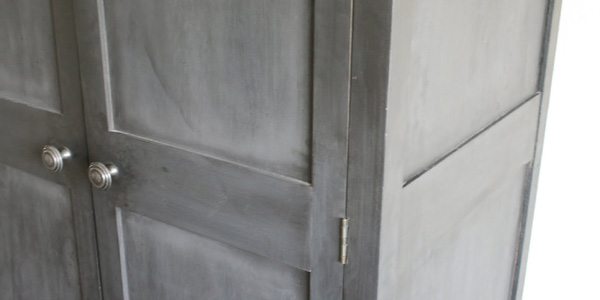
Every home has one piece of furniture quietly auditioning for a better life. Sometimes it is a dresser with one stubborn drawer. Sometimes it is a dining chair that wobbles like it has heard bad news. And sometimes, standing tall in the corner like a wooden security guard, it is an old wardrobe that no longer fits your room, your style, or your actual wardrobe.
That is where the idea of a wardrobe transformation begins. Instead of dragging a bulky armoire to the curb or letting it become a museum of forgotten scarves, you can turn it into something useful, beautiful, and surprisingly modern. This is Part 1 of a three-part makeover mindset: the idea stage. Before the sanding, painting, cutting, drilling, and inevitable “where did I put the screwdriver?” moment, you need a strong vision.
A wardrobe no longer has to be only a place for hanging shirts. With thoughtful planning, an old wardrobe can become a home office, coffee station, craft cabinet, linen storage unit, pantry, entryway drop zone, toy cabinet, bar cabinet, reading nook storage piece, or built-in-style shelving feature. The secret is not just painting it a trendy color and hoping for applause. The secret is understanding what your home needs most.
Why Transform an Old Wardrobe Instead of Replacing It?
Furniture makeovers are popular for a reason: they save money, reduce waste, and let you create a piece that actually fits your lifestyle. A new storage cabinet can be expensive, and many mass-produced pieces look suspiciously similar, as if they all attended the same personality-free furniture school. An old wardrobe, on the other hand, often has strong bones, generous storage, and enough character to make a room feel collected rather than copied.
Upcycling also gives you design flexibility. You can keep the doors for hidden storage, remove them for open shelving, add wallpaper inside for pattern, install LED lighting, replace hardware, paint the exterior, stain the shelves, or build dividers to create zones. One forgotten wardrobe can become the star of a room with a little strategy and a reasonable amount of patience.
Start With the Big Question: What Problem Should It Solve?
Before you touch a paintbrush, ask yourself what problem the wardrobe should solve. Is your bedroom short on closet space? Is your hallway drowning in shoes? Does your kitchen need a coffee station? Are craft supplies multiplying like rabbits with glitter? The best wardrobe transformation idea is not always the prettiest one on Pinterest. It is the one that fixes a daily annoyance.
For example, if your kitchen counters are cluttered, a wardrobe can become a “breakfast cabinet” with shelves for mugs, coffee beans, tea, cereal, napkins, and small appliances. If your living room is full of toys, it can become a family storage cabinet with lower bins for kids and higher shelves for board games. If you work from home, the wardrobe can become a compact office that closes at the end of the day, hiding your laptop and paperwork like a magician with better cable management.
Transformation Idea #1: The Wardrobe-to-Home-Office Makeover
One of the smartest wardrobe makeover ideas is turning an old armoire into a mini home office. This works especially well in apartments, guest rooms, bedrooms, and multipurpose spaces where a full desk would feel like a furniture invasion.
How the Concept Works
Remove the hanging rod and install a sturdy shelf at desk height. Add upper shelves for books, files, and office supplies. Use the inside of the doors for cork boards, calendars, hooks, or slim organizers. Add a small lamp or LED strip lighting, plus a cable hole in the back for chargers. When the workday ends, close the doors. Suddenly, your office disappears, and your room stops looking like tax season moved in permanently.
This idea is especially useful because it combines vertical storage with a hidden work zone. A wardrobe already has height, depth, and doors, which are exactly the features a compact office needs. Instead of buying a desk and separate storage, you use one existing piece to do both jobs.
Transformation Idea #2: The Coffee and Beverage Station
If your mornings involve coffee, tea, or anything that helps humans become socially acceptable before 9 a.m., a wardrobe coffee station can be a brilliant upgrade. The lower section can store mugs, filters, syrups, napkins, and extra supplies. The middle shelf can hold a coffee maker, kettle, or espresso machine. The upper shelves can display canisters, baskets, and your favorite “do not speak to me yet” mug.
For safety and function, make sure the shelf holding appliances is strong and stable. Leave space for ventilation, avoid overloading old shelves, and plan cord access carefully. If the wardrobe has doors, you can close them when guests arrive and pretend your kitchen is always that tidy. We support this harmless domestic theater.
Transformation Idea #3: A Linen Cabinet With Built-In Energy
Many homes never seem to have enough linen storage. Towels drift into bedrooms. Sheets hide in plastic bags. Pillowcases vanish into the same mysterious universe as missing socks. An old wardrobe can become a dedicated linen cabinet with adjustable shelves, labeled baskets, and neatly folded stacks.
The key is shelf spacing. Tall shelves look elegant but can become messy if stacks get too high. Shorter shelves help keep categories separate: bath towels, hand towels, sheets, guest bedding, blankets, and seasonal linens. Add drawer baskets for small items like washcloths or pillowcases. A fresh coat of paint and clean hardware can make the piece look intentional rather than inherited from a storage room with questionable lighting.
Transformation Idea #4: Entryway Drop Zone
An entryway wardrobe makeover is perfect for homes where shoes, backpacks, coats, umbrellas, and keys gather near the door like they are holding a meeting. Remove part of the interior structure and create a mix of hooks, shelves, and cubbies. Keep the bottom open for shoes or baskets. Add hooks at kid-friendly heights so children can hang their own bags. Will they always do it? No. But hope is part of home improvement.
You can also add a small mirror to the inside of one door, a key rack, or a mail slot. If the wardrobe is deep enough, it can store seasonal outerwear, pet leashes, reusable shopping bags, and other items you need when leaving the house. The goal is to make the “landing zone” so convenient that clutter has fewer excuses.
Transformation Idea #5: Craft, Hobby, or Art Supply Cabinet
Creative supplies are wonderful until they take over the dining table. A wardrobe can become a craft station with shelves for paper, drawers for tools, rods for ribbon, jars for brushes, and bins for fabric, yarn, paint, or school supplies. The doors can hold pegboard, magnetic strips, or pocket organizers.
This setup is especially satisfying because it gives every item a home. You can organize by project type, color, frequency of use, or chaos level. Keep sharp tools or messy materials higher up and everyday supplies within easy reach. A transformed wardrobe lets you enjoy creativity without turning your entire house into a craft store after a small explosion.
What to Check Before You Begin
A good transformation idea needs a reality check. Start by inspecting the wardrobe’s structure. Look for loose joints, warped doors, cracked panels, peeling veneer, water damage, musty smells, and weak shelves. Cosmetic flaws are usually manageable. Serious structural problems may require repair before the fun begins.
Measure Everything
Measure the wardrobe’s height, width, depth, interior shelf space, door swing, and the room where it will live. Also measure what you plan to store. If the new purpose is a home office, measure your laptop, chair height, and comfortable desk height. If it will become a coffee station, measure your coffee maker and leave room above it. If it will hold linens, think about folded stack height and basket sizes.
Think About Weight
Old wardrobes were not all built for the same job. A piece designed to hang clothing may need reinforcement before holding books, appliances, tools, or stacks of heavy dishes. Shelves can be strengthened with cleats, brackets, thicker boards, or a new plywood insert. Stability matters, especially with tall furniture. Anchoring the piece to the wall is a smart safety step when the wardrobe is tall, heavy, or placed in a busy room.
Plan the Finish
Paint can modernize a wardrobe quickly, but preparation makes the difference between “custom furniture” and “weekend regret.” Clean the surface, remove hardware, lightly sand glossy finishes, prime when needed, and use the right paint for the material. Wood, laminate, veneer, and MDF may need different prep. If the surface has beautiful wood grain, staining or whitewashing may be better than painting. If the hardware is dated, swapping knobs and pulls can change the personality of the piece faster than a dramatic haircut.
Design Direction: Make It Look Intentional
The biggest challenge with an old wardrobe makeover is making it look like a design choice, not a furniture rescue mission. To do that, connect it visually to the room. Match the paint color to your trim for a built-in effect. Use contrast if you want the piece to stand out. Add wallpaper, beadboard, or peel-and-stick panels inside for texture. Choose baskets that repeat colors already in the room. Use hardware that matches nearby finishes, such as brass, black, chrome, or brushed nickel.
If the wardrobe has doors, decide whether they help or hurt the final look. Doors are great for hiding clutter, but removing them can create open shelving that feels lighter. A doorless wardrobe can become a display cabinet, plant station, bookcase, or bar cabinet. If you keep the doors, consider painting the interior a surprise color. It is like giving the wardrobe a secret personality, which is frankly more than some rooms have.
Budget-Friendly Materials to Consider
You do not need luxury materials to create a beautiful transformation. Plywood shelves, MDF panels, peel-and-stick wallpaper, baskets, cup hooks, cabinet pulls, contact paper, paint, primer, and LED strip lights can go a long way. For a built-in look, trim molding can hide awkward gaps and make the wardrobe feel more architectural. For storage, clear bins work well when visibility matters, while woven baskets soften the look.
Repurposing parts of the wardrobe can also save money. Removed doors can become desktop surfaces, side panels, or wall-mounted organizers. Old drawers can become under-bed storage or rolling bins with casters. Even leftover shelves can be cut down for dividers. In a good upcycling project, very little has to be wasted.
Common Mistakes to Avoid
The first mistake is starting without a purpose. A pretty makeover that does not solve a problem becomes another pretty problem. The second mistake is skipping prep before painting. Paint is not a magic blanket; it will not hide grease, dust, peeling finish, or mystery residue from 1998. The third mistake is ignoring scale. A dark, bulky wardrobe can overwhelm a small room unless you lighten the color, remove doors, add mirrors, or style the surrounding space carefully.
Another common mistake is overloading shelves. A wardrobe turned into a bookcase may need stronger supports than one used for sweaters. Finally, do not forget lighting. Interior lighting can make the transformation feel expensive even when the budget is very much wearing sweatpants.
How to Choose the Best Transformation Idea
To choose the right idea, match the wardrobe’s strengths to your home’s needs. A tall, narrow wardrobe is excellent for entryway storage, linens, cleaning supplies, or a compact office. A wide wardrobe with deep shelves can become a pantry, craft cabinet, or toy station. A wardrobe with drawers at the bottom is useful for hidden storage. A piece with beautiful doors may be perfect for a coffee bar or media cabinet because it can close when not in use.
Think of the wardrobe as a shell. Its original purpose was clothing, but its future purpose is up to you. The best transformation is the one that makes your daily routine smoother. Beauty matters, yes, but function is what keeps the piece from becoming a decorative obstacle with hinges.
Experience Section: Lessons From a Wardrobe Transformation Idea
The most important lesson from transforming an old wardrobe is that the idea stage saves the project. It is tempting to rush straight into painting because painting feels productive. You get a brush, open a can, and suddenly you are the star of a makeover show in your own garage. But a great transformation starts with observation, not color.
One helpful experience is to live with the wardrobe in its future location for a few days before changing it. Place it where you think it should go and notice how the room behaves around it. Does it block traffic? Does the door swing awkwardly? Does it make the corner feel heavy? Does it solve a problem or simply move the problem into a taller box? These small observations prevent big regrets.
Another practical lesson is to test storage categories before building permanent shelves. Use cardboard boxes, temporary bins, or painter’s tape to map out sections. For example, if you are turning the wardrobe into a home office, tape a line where the desktop shelf might go. Sit in front of it with a chair and check whether the height feels comfortable. If you are creating a coffee station, place the actual coffee maker inside before cutting anything. Appliances have a way of being larger than they looked online, like they have been secretly training.
Paint choice is another area where experience matters. A color that looks calm on a tiny swatch can become extremely confident on a six-foot wardrobe. Deep green, navy, charcoal, creamy white, and warm taupe are popular because they feel timeless, but the right choice depends on the room’s light. Always test a small patch if possible. Morning light, afternoon light, and evening lamps can turn one paint color into three different personalities.
Hardware can also change the entire mood of the piece. Simple black pulls can make a wardrobe feel modern. Brass knobs can make it warmer and more classic. Wood knobs can keep it casual. Oversized handles can make it feel custom. If the budget is tight, changing hardware after painting may deliver the biggest visual reward for the least money.
Finally, leave room for the project to evolve. Sometimes the first idea is not the best one. A planned pantry may become a craft cabinet. A home office may become a homework station. A linen cabinet may become a guest-room supply closet. That is not failure; that is the furniture telling you what it wants to be. Listen politely, then measure twice.
Conclusion: A Wardrobe Can Be More Than a Wardrobe
“Wardrobe no more” is not just a catchy makeover phrase. It is a reminder that furniture can have a second chapter. An old wardrobe can become a hardworking storage piece, a hidden office, a coffee station, a craft hub, or a built-in-style feature that makes your home feel more organized and personal.
In Part 1, the goal is not to finish the project. The goal is to find the right transformation idea. Once the purpose is clear, every design choice becomes easier: shelves, paint, hardware, doors, lighting, baskets, and layout. The old wardrobe stops being a bulky leftover and starts becoming a useful, custom piece with personality.
Note: This article is written as a practical idea-stage guide for readers planning an old wardrobe makeover. The next logical steps would be planning the layout, preparing the surface, choosing materials, and building the transformation safely.