Fuchsias are the drama queens of the shade gardenin the best possible way. They dangle little ballerina flowers, attract hummingbirds, and make hanging baskets look like they were styled by a floral choreographer. Then fall arrives, the nights get chilly, and suddenly your gorgeous plant starts looking at you like, “So… are we doing this winter thing or not?”
The good news is yes, you can overwinter fuchsias. In many cold-winter parts of the United States, tender fuchsias will not survive outdoors in freezing weather, especially in containers. But with a little planning, you can keep the plant alive through winter and enjoy new growth and flowers again next spring. You do not need a professional greenhouse, a plant butler, or a secret gardening degree. You need timing, a cool storage spot, careful watering, pest control, and patience.
This guide explains how to overwinter fuchsias in 14 simple steps, including how to prepare the plant in fall, store it as a dormant plant, keep it indoors as a houseplant, restart growth in spring, and avoid the mistakes that quietly turn fuchsias into crispy botanical regrets.
Why Overwinter Fuchsias Instead of Replacing Them?
Many gardeners treat fuchsias as annuals because they are often sold in spring as container plants. That is perfectly fine if you enjoy buying new baskets each year. But overwintering fuchsias can save money, preserve a favorite variety, and give you a larger plant faster the following season. Mature fuchsias often have a stronger root system and can fill a hanging basket or patio pot sooner than a brand-new nursery plant.
Overwintering also gives you bragging rights. There is something deeply satisfying about pointing to a lush summer basket and saying, “Oh, that old thing? I kept it alive in the basement all winter.” It is the gardener’s version of casually mentioning you make your own sourdough starter.
Understanding Tender vs. Hardy Fuchsias
Before you start trimming, moving, or whispering motivational speeches to your plant, identify what kind of fuchsia you have. Tender fuchsias are the common hanging basket and container types. These are usually damaged or killed by frost and should be brought indoors before freezing temperatures arrive.
Hardy fuchsias, such as some forms related to Fuchsia magellanica, can survive outdoors in milder climates when planted in the ground and protected with mulch. However, “hardy” does not mean invincible. A hardy fuchsia in a container is more exposed than one planted in garden soil. If your winters are harsh, your plant is in a pot, or you are not sure what variety you have, the safest route is to overwinter it indoors or in a frost-free space.
Simple Ways to Overwinter Fuchsias: 14 Steps
1. Start Preparing Before the First Frost
The best time to overwinter fuchsias is before frost hits. Do not wait until your plant has been frozen into a sad green popsicle. Begin watching nighttime temperatures in late summer or early fall. Once nights regularly dip toward the low 50s, it is time to make a plan.
Fuchsias prefer cool conditions, but frost is another story. Bring tender plants inside before the first expected frost. If your plant is in the ground, dig and pot it before the soil becomes cold and soggy. The less panic involved, the betterfor you and the plant.
2. Decide Between Dormant Storage and Indoor Houseplant Care
There are two main ways to overwinter fuchsias. The easiest method is dormant storage. You cut the plant back, remove most or all leaves, and store it in a cool, dark, frost-free location. The plant rests during winter and wakes up in spring.
The second method is keeping fuchsia as an indoor houseplant. This works best if you have bright indirect light, cool room temperatures, and decent humidity. It is prettier in January, but it is also more demanding. A warm living room with dry air can make fuchsias drop leaves, attract pests, or grow weak, leggy stems. Dormant storage is usually the simpler choice for beginners.
3. Stop Fertilizing in Early Fall
Fuchsias are hungry plants during the growing season, but fall is not the time to push new growth. Stop fertilizing at least two weeks before bringing the plant indoors. Fertilizer encourages tender new shoots, and tender new shoots are exactly what winter likes to bully.
Think of this as helping your fuchsia slow down gracefully. You are not starving it; you are telling it, “The buffet is closed until spring.”
4. Reduce Watering Gradually
As fall approaches, begin watering less often. Do not let the root ball become bone-dry, but avoid keeping the soil constantly wet. Wet soil plus cool temperatures can lead to root rot, which is one of the quickest ways to lose a stored plant.
The goal is slightly moist soil, not swamp conditions. If the pot feels heavy and cold, wait. If the soil is pulling away from the sides and the pot feels feather-light, water lightly.
5. Inspect for Pests Before Bringing Plants Indoors
Outdoor fuchsias can host whiteflies, aphids, spider mites, mealybugs, scale, and other tiny troublemakers. Outside, beneficial insects often keep pests under control. Indoors, those same pests can multiply like they just discovered free rent.
Check the undersides of leaves, leaf joints, stems, pot rims, saucers, and soil surface. Look for sticky honeydew, webbing, white cottony patches, tiny flying insects, distorted leaves, or crawling pests. If you find problems, isolate the plant and treat it before it joins your indoor plant collection.
6. Clean the Pot and Remove Debris
Before storage, remove dead leaves, faded flowers, dropped petals, weeds, and old plant debris from the soil surface. Wipe down the outside of the container, especially around the rim and drainage holes. This simple step reduces hiding places for pests and disease.
Fuchsias do not need a luxury spa day, but they do benefit from basic hygiene. A clean pot is a better winter hotel than a damp mess full of mystery crumbs and bug condos.
7. Prune the Plant Back
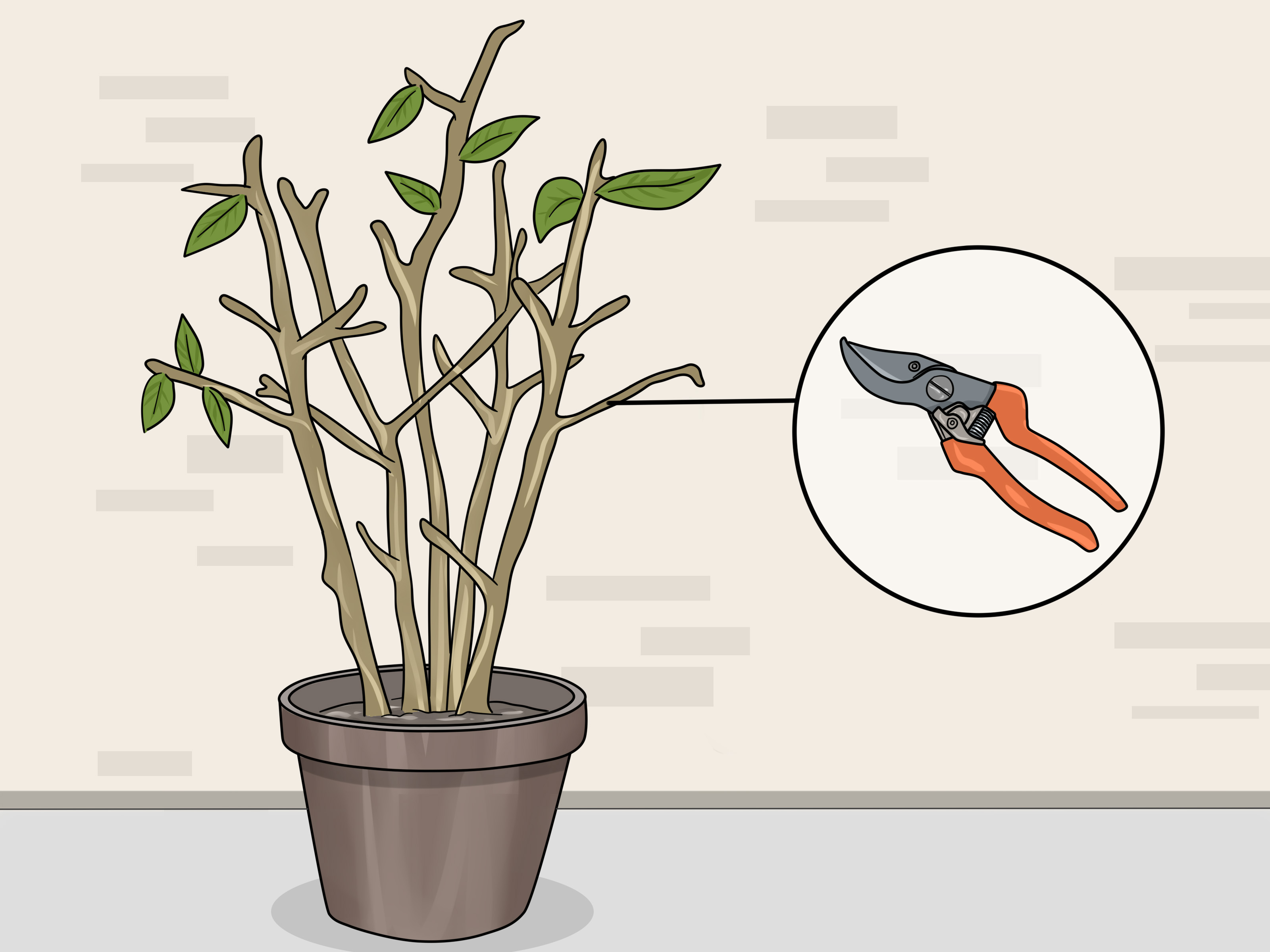
For dormant overwintering, prune the fuchsia back to make it easier to store and to encourage compact new growth in spring. Large plants can be cut back significantly, leaving firm woody stems and a basic branch structure. Many gardeners reduce the plant by one-third to one-half, while very large container plants may be trimmed harder.
Use clean, sharp pruners. Remove weak, broken, diseased, or crossing stems. If you are nervous, prune in stages rather than performing one dramatic haircut that makes everyone in the room gasp.
8. Remove Most Leaves for Dormant Storage
If you are storing fuchsias in a dark, cool place, remove most or all leaves. Leaves left on a dormant plant often yellow and drop anyway, creating cleanup and possible disease issues. Removing them also helps the plant enter rest mode.
Do not panic when the plant looks bare. A dormant fuchsia is supposed to look unimpressive. It is not dead; it is just off-duty.
9. Choose a Cool, Frost-Free Storage Spot
The ideal overwintering location for dormant fuchsias is cool, dark or dim, and frost-free. A basement, insulated garage, enclosed porch, cool spare room, or protected storage area can work if temperatures stay roughly around 40 to 50 degrees Fahrenheit.
Avoid places that freeze, heat up dramatically, or stay wet. Also avoid storing plants near furnaces, heat vents, or appliances that dry the air and soil too quickly. Fuchsias want a winter nap, not a desert survival challenge.
10. Water Sparingly During Winter
Dormant fuchsias need very little water, but they cannot be forgotten completely. Check the pot every few weeks. If the soil is dry several inches down and the pot feels light, add a small amount of water. The goal is to keep roots alive without encouraging active growth.
Depending on your storage conditions, watering every three or four weeks may be enough. In a colder, more humid basement, you may water even less. In a dry garage or heated room, you may need to check more often.
11. Watch for Rot, Mold, and Pests
Even sleeping plants deserve a checkup. Once or twice a month, inspect stems, soil, and the pot. Remove any dead leaves that have fallen. If you see mold on the soil surface, increase air circulation and reduce watering. If stems become soft, black, or mushy, the plant may be too wet or too cold.
Also keep an eye out for pests. Whiteflies and mealybugs can survive indoors and reappear when new growth starts. Early detection is much easier than dealing with an indoor insect festival in March.
12. Wake the Plant Up in Late Winter or Early Spring
In late winter or early spring, usually around March in many climates, move the fuchsia to a brighter, slightly warmer location. Start watering more regularly, but still avoid soggy soil. As buds swell and new shoots appear, the plant is telling you it is ready for the next chapter.
Do not expect instant glamour. At first, your fuchsia may look like a bundle of sticks with ambition. Give it time. New growth usually appears along healthy stems or near the base.
13. Repot or Refresh the Soil
When new growth begins, refresh the potting mix. You can repot into the same container if the plant still fits, or move it into a slightly larger pot if roots are crowded. Use a clean, well-draining potting mix that holds moisture without staying waterlogged.
Trim dead roots if needed, but avoid tearing apart the root ball aggressively unless the plant is badly root-bound. After repotting, water thoroughly and let excess water drain. Fuchsias like moisture, but they dislike wet feet. Apparently, they are stylish and practical.
14. Harden Off Before Moving Outdoors
After the danger of frost has passed, slowly reintroduce your fuchsia to outdoor life. Start in a shady, protected spot for a few days. Then gradually increase exposure to bright shade or gentle morning sun. Avoid placing it immediately in hot afternoon sun or strong wind.
This process, called hardening off, helps prevent shock, leaf scorch, and wilting. Once the plant adjusts, resume regular feeding and watering. Pinch growing tips after a couple sets of leaves to encourage branching and a fuller basket.
How to Overwinter Fuchsias as Indoor Houseplants
If you choose to keep your fuchsia actively growing indoors, give it bright indirect light, cool temperatures, and higher humidity. A sunny but cool window, enclosed porch, or bright room away from direct heat is best. Some gardeners use grow lights to prevent weak winter growth.
Water when the top of the soil begins to dry, but do not let the plant sit in water. Fertilize lightly, if at all, during winter. If the plant drops leaves after coming inside, do not assume disaster. Fuchsias often react to changes in light, humidity, and temperature. Trim straggly growth in late winter and encourage fresh shoots in spring.
Common Mistakes When Overwintering Fuchsias
Overwatering
This is the big one. A dormant fuchsia uses very little water. Too much moisture in cool storage can rot the roots or stems. When in doubt, check the soil before watering.
Storing in a Freezing Location
A garage is useful only if it stays frost-free. If the root ball freezes solid, tender fuchsias may not recover.
Skipping Pest Inspection
Bringing pests indoors is like inviting tiny vampires to a buffet. Inspect first, treat if needed, and quarantine suspicious plants.
Waking the Plant Too Early
If you move a fuchsia into warmth too soon, it may produce weak, pale growth before outdoor conditions are ready. Wait until late winter or early spring, and provide enough light when growth begins.
Practical Experience: What Overwintering Fuchsias Teaches You
The first time you overwinter a fuchsia, the hardest part is trusting the process. A healthy summer plant can look shockingly unattractive after pruning. Once the leaves are removed and the stems are shortened, it may resemble a tiny haunted shrub. This is where many beginners panic and start watering too much, fertilizing too soon, or moving the plant into a warm room “just to help.” In reality, the plant usually needs less drama, not more.
One useful experience is learning how different storage spots behave. A basement that feels cool and stable may keep soil moist for weeks. An attached garage may swing between chilly nights and warm afternoons. A spare room may be too warm and dry, causing the plant to break dormancy early. After one season, you begin to understand your own home’s microclimates. Gardeners talk about microclimates outdoors, but winter plant storage has them too. The corner near the concrete wall is not the same as the shelf above the dryer.
Another lesson is that fuchsias are tougher than they look. Their flowers seem delicate, but the plant can often recover from a bare winter rest if the roots remain alive and the stems stay firm. When spring arrives, new shoots may appear slowly. Some plants wake up like alarm-clock champions. Others hit the snooze button for two weeks. The key is to check for living tissue before giving up. Gently scratch a small section of stem. If you see green beneath the bark, there is hope.
Overwintering also improves your pruning confidence. At first, cutting back a beautiful plant feels rude. By the second or third season, you realize pruning is not punishment; it is preparation. Removing weak growth helps the plant return fuller and more balanced. Pinching new shoots in spring may feel counterintuitive, but it encourages branching, which means more flowering stems later.
Finally, overwintering fuchsias teaches restraint. In summer, fuchsias reward frequent care: water, feed, deadhead, admire, repeat. In winter, success comes from doing less. Less water. Less fertilizer. Less heat. Less fuss. It is a refreshing reminder that good gardening is not always about constant action. Sometimes the best thing you can do is provide the right conditions, check in occasionally, and let the plant rest.
When your overwintered fuchsia finally returns to bloom, it feels like a small magic trick. The plant you stored as a bundle of sticks becomes a hanging basket full of color again. And yes, you may feel slightly smug. That is allowed. You earned it.
Conclusion
Overwintering fuchsias is simple once you understand the rhythm: prepare before frost, clean and inspect the plant, prune it back, store it cool and frost-free, water sparingly, and wake it gradually in spring. Whether you keep your fuchsia dormant or grow it indoors as a houseplant, the main goal is survivalnot winter perfection.
With a little care, your favorite fuchsia can return for another season of dangling blooms, hummingbird visits, and patio compliments. Instead of saying goodbye in fall, you can say, “See you in spring.” Much nicer, and far less expensive.