Some fabric names sound like they were invented in a boardroom with a thesaurus and too much coffee. Froth Fabric, thankfully, is not one of them. The name immediately gives you a visual: ocean foam, soft movement, pale coastal color, and that breezy feeling you get when a room suddenly looks cleaner than your actual life. In the world of indoor-outdoor textiles, Froth Fabric sits in that sweet spot between design-friendly and practical enough to survive real humans.
At its core, Froth Fabric is best understood as a performance upholstery and drapery fabric with a light, airy personality. It is associated with cool gray and blue tones, a coastal-inspired mood, and the kind of soft hand that makes people touch a cushion and say, “Oh, that’s nice,” even if they have no idea what “solution-dyed acrylic” means. The good news? We are about to make that phrase feel much less intimidating.
Note: This article discusses Froth Fabric as a named indoor-outdoor performance textile and as a broader design idea: a fabric that brings together ocean-inspired color, weather-ready construction, upholstery durability, and easygoing elegance.
What Is Froth Fabric?
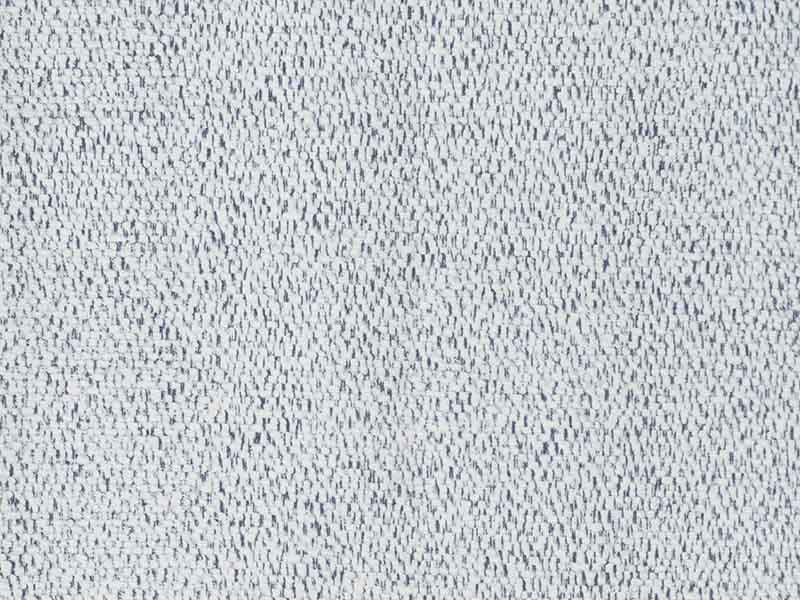
Froth Fabric is an indoor-outdoor fabric designed for applications such as upholstery, cushions, drapery, and decorative soft furnishings. The name “Froth” suggests lightness and movement, which fits beautifully with a palette inspired by sea foam, misty blues, pale grays, and coastal neutrals. Think of it as the fabric version of a beach morning before anyone has stepped on the sand with a dripping ice cream cone.
One of the key facts that makes Froth Fabric interesting is its construction. A high-quality version of Froth Fabric may be made from 100% solution-dyed acrylic, a fiber type widely used in premium outdoor and indoor-outdoor upholstery. Unlike fabrics that are dyed after the yarn is produced, solution-dyed acrylic is colored while the fiber is being made. In simple terms, the color runs through the fiber instead of sitting only on the surface. That is why solution-dyed acrylic is often praised for fade resistance, UV performance, and long-term color stability.
That matters because outdoor spaces are rude to fabric. Sunlight fades weak dyes. Rain introduces moisture. Pollen shows up like an uninvited guest. Children, pets, sunscreen, drinks, and mystery crumbs all join the party. Froth Fabric’s performance appeal is that it can look refined while still being ready for a patio, sunroom, poolside lounge, covered porch, or high-traffic living room.
Why the Name “Froth” Works So Well
Great fabric names do more than label a product. They help designers and homeowners imagine a mood. “Froth” suggests the soft foam on the edge of a wave, the pale shimmer of water catching sunlight, and the gentle blur between blue, gray, and white. That makes Froth Fabric especially useful in interiors that want a coastal, spa-like, relaxed, or organic-modern look.
But do not mistake “frothy” for fragile. In design, light colors and soft textures can look delicate, but performance fabrics are built to handle more than a formal sitting room where nobody is allowed to sit. Froth Fabric can bring softness to spaces that still need durability. It says, “Yes, this patio is elegant,” while quietly preparing for spilled lemonade.
The Material Science Behind Froth Fabric
Solution-Dyed Acrylic: Color Built Into the Fiber
The standout feature of many premium indoor-outdoor fabrics is solution-dyed acrylic. In traditional dyeing, yarn or fabric is colored after the fiber has already been created. With solution dyeing, pigment is introduced earlier, before the fiber is spun into yarn. A helpful way to picture it is the difference between a radish and a carrot. A radish is red on the outside and white inside. A carrot is orange all the way through. Solution-dyed acrylic is more like the carrot.
This construction helps the fabric maintain color through sunlight, cleaning, and ordinary wear. It also makes the fabric more dependable for areas exposed to UV rays. For a fabric like Froth, where the charm depends on subtle color, colorfastness is not a small detail. A pale blue-gray textile that fades unevenly can go from “coastal retreat” to “forgotten lawn chair from 2009” faster than anyone wants.
Soft Hand, Strong Personality
Performance fabric used to have a reputation for feeling stiff, plasticky, or suspiciously like a raincoat pretending to be a sofa. Modern indoor-outdoor fabrics have changed that. Today’s better acrylic and performance textiles can feel soft enough for interior upholstery while still offering the resilience needed outside. Froth Fabric fits that newer category: fabric that looks comfortable, feels inviting, and does not panic when the weather app gets dramatic.
Performance Features That Matter
Martindale Abrasion Rating
One technical detail often associated with upholstery fabric is the Martindale abrasion test. This test measures how well a textile resists wear from repeated rubbing. A fabric sample is rubbed in a controlled motion until signs of wear appear. The higher the cycle count, the more abrasion the fabric has endured in testing.
A Froth Fabric specification around 20,000 Martindale cycles places it in a practical zone for many residential upholstery and decorative uses. That does not mean the fabric is invincible. No textile is. A determined cat, a metal belt buckle, or a guest who treats your sofa like gym equipment can still create trouble. But a Martindale rating gives shoppers and designers a useful benchmark for comparing fabrics beyond color alone.
Indoor-Outdoor Versatility
The phrase indoor-outdoor fabric is not just marketing confetti. It describes textiles made to bridge two worlds. Indoors, these fabrics are popular in family rooms, breakfast nooks, playrooms, beach houses, mudrooms, and pet-friendly homes. Outdoors, they work for cushions, lounge seating, pillows, and covered entertaining areas.
Froth Fabric’s visual softness makes it especially flexible. It can sit on a clean-lined white sofa, soften a wicker chair, dress up a pool cabana, or become breezy drapery in a sunroom. It does not scream “outdoor fabric,” which is exactly the point. The best performance textiles do their job quietly, like a very responsible friend who also happens to look good in photos.
Flammability and Smolder Resistance Standards
Quality upholstery fabrics are often tested against recognized safety standards. Two names that appear in the upholstery world are Cal TB 117-2013 and NFPA 260. These standards relate to cigarette ignition and smolder resistance for upholstered furniture components. In everyday language, they help evaluate how upholstery materials respond to a smoldering ignition source under controlled test conditions.
For homeowners, this does not mean a fabric is fireproof. That would be a dangerous misunderstanding. It means the fabric has been tested according to specific methods relevant to upholstered furniture safety. When shopping for upholstery, especially for residential or hospitality projects, these technical details help separate decorative fabric from fabric that has been evaluated for real-world furniture use.
Best Uses for Froth Fabric
Patio Sofas and Outdoor Lounge Chairs
Froth Fabric is a natural fit for outdoor seating where comfort and color stability matter. Its pale, coastal-inspired tones pair well with teak, powder-coated aluminum, white oak, stone, rope furniture, and woven frames. On a patio sofa, it can create a relaxed resort mood without turning the backyard into a theme park called “Captain Seashell’s Vacation Hut.”
Indoor Upholstery for Busy Homes
Performance fabric is not only for outdoor furniture. In fact, many homeowners choose indoor-outdoor fabric for living rooms because life happens indoors with impressive enthusiasm. Coffee spills, pet hair, snack dust, and children with markers are all part of the domestic ecosystem. Froth Fabric offers a sophisticated look while making everyday maintenance less terrifying.
Drapery and Window Treatments
Because Froth Fabric may be suitable for drapery as well as upholstery, it can be used to connect indoor and outdoor spaces visually. Pale blue-gray drapery in a sunroom can soften bright light, frame a garden view, and add movement without heavy visual weight. It is especially effective in rooms where you want privacy but not darkness.
Pillows, Cushions, and Layered Textures
If committing to a full sofa feels too bold, pillows are the friendlier entry point. Froth Fabric works beautifully as accent pillows on navy, white, beige, charcoal, or sand-colored seating. It can also be mixed with stripes, bouclé textures, basket weaves, or subtle geometric patterns. The trick is to let Froth act as the calm note in the arrangement. Every room needs one textile that does not try to start a band.
How Froth Fabric Compares With Other Outdoor Fabrics
Froth Fabric vs. Polyester Outdoor Fabric
Polyester is common in outdoor textiles because it is affordable, versatile, and easy to print. However, not all polyester outdoor fabrics perform equally. Some rely heavily on surface treatments that may wear down over time. A solution-dyed acrylic Froth Fabric generally offers stronger color integration and a more premium indoor-outdoor feel.
Froth Fabric vs. Olefin
Olefin is another popular outdoor fabric fiber. It is lightweight, moisture resistant, and often budget-friendly. It can be a strong choice for many patio applications. Froth Fabric, when made from solution-dyed acrylic, may have a softer hand and a more upscale residential look, especially for spaces where the fabric needs to feel as good as it looks.
Froth Fabric vs. Cotton Canvas
Cotton canvas has classic charm, but it is usually not the easiest choice for exposed outdoor upholstery unless treated and maintained carefully. Cotton absorbs moisture more readily than synthetic performance fibers, which can lead to mildew concerns. Froth Fabric offers a cleaner performance story for spaces exposed to sunlight, humidity, and spills.
Design Ideas: How to Decorate With Froth Fabric
Coastal Without the Clichés
Froth Fabric naturally suits coastal interiors, but the goal is elegance, not souvenir-shop overload. Pair it with warm white walls, natural wood, linen-like textures, and matte black or aged brass accents. Skip the giant anchor unless you are decorating an actual boat or a seafood restaurant with commitment issues.
Modern Spa Style
For a spa-inspired room, combine Froth Fabric with pale stone, soft gray tile, light oak, and greenery. It works well in pool houses, bathrooms with lounge seating, wellness rooms, or bedrooms that need a quieter atmosphere. The blue-gray palette helps the space feel cool and composed.
Outdoor Hospitality Spaces
Restaurants, boutique hotels, and vacation rentals often need fabrics that photograph well and clean up reasonably. Froth Fabric can help create a high-end look in cabanas, terraces, lounge corners, and breakfast patios. Its understated palette also makes it easier to replace or refresh surrounding pieces without redesigning the whole space.
Buying Tips Before Choosing Froth Fabric
Before ordering yards of any fabric, request a sample. A small swatch can reveal texture, color undertone, opacity, and how the material looks in your actual light. This is important because pale blue-gray fabric can shift dramatically depending on the room. In northern light, it may look cooler. In warm afternoon sun, it may appear softer and more silvery.
Also consider the project type. A cushion for a covered porch has different demands than drapery in a guest bedroom. Upholstery needs abrasion resistance and structure. Drapery needs flow and suitable weight. Pillows need comfort and seam performance. The same fabric can work across several applications, but the construction of the final piece matters.
Finally, think about contrast. Froth Fabric looks beautiful with white and sand tones, but too many pale colors can make a room feel washed out. Add grounding elements such as charcoal piping, dark wood legs, navy pillows, black lanterns, or textured natural rugs. A little contrast keeps the design from floating away like actual foam.
Care and Maintenance
Performance fabric still needs care. The word “outdoor” does not mean “abandon it in a thunderstorm for seven months and expect applause.” Regular maintenance helps Froth Fabric look better for longer.
Basic Cleaning
Brush off loose dirt before it settles into the weave. For spills, blot instead of rubbing. Rubbing can push stains deeper and distort the fabric surface. A mild soap-and-water solution is often enough for routine cleaning. After cleaning, rinse thoroughly to remove soap residue and allow the fabric to air dry completely.
Mildew Prevention
Acrylic fabrics are often mildew resistant, but mildew can grow on dirt, pollen, food residue, or organic debris sitting on the fabric. That means cleanliness matters. Keep cushions dry when possible, store them during long wet periods, and avoid leaving leaves or soil trapped in seams. Your cushions are not compost bins, even if autumn tries to convince them otherwise.
Storage Tips
If Froth Fabric is used outdoors, store cushions in a dry, ventilated place during harsh weather or off-season months. Use breathable covers rather than trapping damp cushions inside airtight plastic. Good storage can extend the life of both the fabric and the cushion fill.
Sustainability Considerations
Textile sustainability is not just about choosing one magic fiber. It involves durability, production methods, chemical management, repairability, cleaning habits, and how long the product stays useful. A long-lasting performance fabric can support sustainability by reducing the need for frequent replacement. If a cushion cover survives many seasons instead of one, that matters.
When evaluating Froth Fabric or any indoor-outdoor textile, look for transparent specifications. Certifications related to harmful substances, low emissions, or responsible manufacturing can also help shoppers make better decisions. Just remember that one label rarely tells the whole story. The best approach is to combine durability, care, responsible sourcing, and realistic use.
Common Mistakes to Avoid
Choosing by Color Alone
Color is important, but it should not be the only decision-maker. Always check fiber content, abrasion rating, width, cleaning instructions, and intended use. The prettiest fabric in the room is not helpful if it fails on the wrong furniture piece.
Ignoring Scale
A fabric that looks subtle as a swatch may appear much stronger across a large sectional. On the other hand, a soft texture may disappear from across the room. View samples at different distances before making a final choice.
Forgetting the Cushion Fill
Outdoor fabric performs best when paired with the right cushion construction. Quick-dry foam, breathable inserts, and proper drainage all affect how the finished piece behaves. Great fabric over poor cushion fill is like putting a tuxedo on a soggy pancake.
Experience Notes: Living With Froth Fabric in Real Spaces
The best way to understand Froth Fabric is to imagine how it behaves after the showroom moment is over. In a sample book, it looks calm, polished, and almost poetic. In a real home, it has to deal with sunlight, fingerprints, weather, guests, pets, and the occasional snack disaster. That is where an indoor-outdoor performance fabric earns its keep.
In a coastal-style living room, Froth Fabric can make a sofa feel lighter without turning the space cold. I have seen similar pale blue-gray performance fabrics work especially well in rooms with warm white walls, rattan chairs, oak floors, and oversized windows. The color acts like a visual exhale. It does not demand attention, but it quietly improves everything around it. Add navy pillows and a woven rug, and suddenly the room looks intentional, not like someone simply bought “beachy things” until the budget surrendered.
On a covered patio, Froth Fabric has a different personality. It reflects daylight beautifully, which helps outdoor seating feel fresh even in hot weather. Dark outdoor cushions can absorb heat and look heavy in summer; a froth-toned fabric keeps the mood cooler. The trade-off is that pale fabric asks for regular care. Not obsessive care. Nobody needs to stand guard with a lint roller. But brushing off pollen, wiping spills quickly, and storing cushions before a week of storms will make a visible difference.
One practical experience with light performance fabric is that texture matters as much as color. A flat, very pale fabric may show every crumb. A woven fabric with subtle movement can be more forgiving because the texture helps disguise minor marks between cleanings. Froth Fabric’s ocean-foam idea works best when the surface has enough depth to feel natural and relaxed. A little visual variation is your friend. It is design camouflage, but classy.
For families, Froth Fabric is appealing because it offers a grown-up look without requiring museum behavior. A breakfast nook bench in a froth-colored indoor-outdoor fabric can look elegant while surviving juice, toast crumbs, and homework sessions. In a vacation rental, it can help create a fresh first impression while supporting easier turnover between guests. For hospitality spaces, the same fabric can soften commercial furniture so it feels less like a waiting area and more like somewhere people want to linger.
My favorite use case is a sunroom: Froth Fabric on seat cushions, white linen-look curtains, a stone-top coffee table, and a few green plants. The fabric connects the indoor comfort with the outdoor view. It feels calm in the morning, polished at lunch, and cozy at sunset. That is the quiet magic of a good performance textile. It does not merely resist weather; it improves the atmosphere while doing the practical work in the background.
Conclusion
Froth Fabric is more than a pretty name. It represents what modern indoor-outdoor textiles do best: combine softness, durability, color stability, and design versatility. With its coastal-inspired mood, solution-dyed acrylic performance, upholstery-friendly structure, and easygoing elegance, Froth Fabric can work in patios, sunrooms, living rooms, pool houses, boutique hospitality spaces, and anywhere that needs beauty with backbone.
The smartest way to use Froth Fabric is to respect both sides of its personality. Treat it as a refined design material, but choose it for real-life performance. Sample it in your lighting. Pair it with the right cushion fill. Clean it before dirt settles in. Give it contrast, texture, and breathing room. Do that, and Froth Fabric can make a space feel fresh, calm, and quietly luxuriouslike ocean foam, but with much better abrasion resistance.