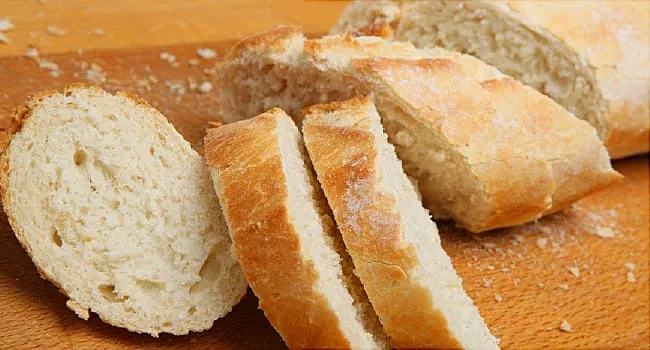
Bread has had a dramatic career. One decade it is the wholesome hero of the lunchbox, the next it is treated like a suspicious character hanging around the pantry with a fake mustache. But here is the truth about bread and your diet: bread is not automatically “bad,” and it is not magically “healthy” just because the loaf looks brown, rustic, or like it was baked by a monk in a mountain village.
The real story is more usefuland less dramatic. Bread can fit into a healthy eating pattern when you choose the right type, watch portions, and pair it with foods that help create a balanced meal. At the same time, some breads are basically soft, slice-shaped delivery systems for refined flour, sodium, added sugars, and clever packaging. The goal is not to fear bread. The goal is to stop being fooled by bread wearing a tiny marketing hat.
This guide breaks down what bread actually does in your diet, how whole grain bread differs from refined white bread, what to look for on a label, and how to enjoy bread without turning every sandwich into a nutrition court case.
Is Bread Bad for Your Diet?
No, bread is not automatically bad for your diet. Bread is a grain food, and grains can be part of a healthy eating pattern. The key question is not “Can I eat bread?” but “What kind of bread am I eating, how much, and what am I eating with it?” That is where the plot gets interesting.
Bread mainly provides carbohydrates, which your body uses as a major energy source. Carbohydrates are not the villain. Your brain, muscles, and nervous system all use glucose for fuel. The problem comes when your daily carbohydrate choices lean heavily toward refined grains, pastries, oversized portions, and low-fiber foods that do not keep you satisfied for long.
A slice of 100% whole wheat bread with eggs, avocado, tuna, turkey, hummus, beans, or vegetables is very different from a giant cinnamon-swirl bread breakfast with icing and a coffee drink that could double as dessert. Both may be called “bread,” but nutritionally they are not twins. They are not even cousins who sit together at Thanksgiving.
Whole Grain Bread vs. White Bread: What Is the Difference?
The biggest nutrition difference between breads often comes down to the grain. Whole grains contain all three natural parts of the grain kernel: the bran, germ, and endosperm. The bran and germ carry fiber, minerals, healthy fats, and many beneficial plant compounds. Refined grains, such as the flour used in many white breads, have had the bran and germ removed during processing.
That processing creates a softer texture and longer shelf life, but it also removes much of the natural fiber and some nutrients. Some refined breads are “enriched,” meaning certain vitamins and minerals are added back. That helps, but enrichment does not fully recreate the original whole grain package. It is a little like returning a phone charger after losing the whole laptop.
Why Fiber Matters
Fiber is one of the main reasons whole grain bread usually wins the nutrition contest. Dietary fiber supports digestive health, helps meals feel more satisfying, and can support healthier cholesterol and blood sugar patterns as part of an overall balanced diet. A higher-fiber bread may help you feel full longer than a low-fiber refined bread, especially when paired with protein and healthy fats.
For a practical shopping rule, look for bread with at least 2 to 3 grams of fiber per slice. More can be helpful, especially if the bread still tastes like food and not like a recycled cardboard envelope. If your current bread has 0 or 1 gram of fiber per slice, it may be more refined than its brown packaging wants you to believe.
The Bread Label Tricks That Fool Smart People
Bread labels can be sneaky. Words like “wheat,” “multigrain,” “stone-ground,” “honey wheat,” and “made with whole grains” may sound healthy, but they do not always mean the bread is truly whole grain. “Wheat bread” may simply mean bread made from wheat flourwhich can still be refined flour.
The front of the package is advertising. The ingredient list is where the truth puts on reading glasses. To choose a better bread, look for “100% whole wheat,” “whole grain,” “whole rye,” “whole oats,” or another whole grain listed as the first ingredient. If the first ingredient is “enriched wheat flour,” the bread is mostly refined flour, even if the loaf is brown enough to look like it hikes on weekends.
Simple Bread Label Checklist
- First ingredient: Choose bread where the first ingredient is a whole grain.
- Fiber: Aim for at least 2 to 3 grams per slice.
- Sodium: Compare brands; bread can add up because people eat it often.
- Added sugar: A little may be used for flavor or yeast activity, but avoid breads that taste suspiciously like cake in loaf form.
- Serving size: Check whether the listed serving is one slice, two slices, or something weirdly optimistic.
Bread and Weight: Does Bread Make You Gain Weight?
Bread itself does not automatically cause weight gain. Weight changes are influenced by the overall pattern of what you eat, how much you eat, activity level, sleep, health conditions, and many other factors. Bread can contribute extra calories if portions are large or toppings are heavy, but the same is true of nuts, cheese, smoothies, rice bowls, and “healthy” muffins the size of a softball.
One common issue is that bread rarely travels alone. It often arrives with butter, mayonnaise, jam, cheese, processed meats, fried fillings, or creamy spreads. A simple slice of toast is not the same as a triple-decker sandwich with sauces auditioning for a leading role. The bread may get blamed, but the full meal deserves the nutrition spotlight.
If you enjoy bread and want a balanced diet, focus on quality and context. Choose mostly whole grain bread, keep portions reasonable, and build meals that include protein, vegetables, fruit, beans, nuts, seeds, or healthy fats. A sandwich with whole grain bread, grilled chicken or chickpeas, spinach, tomato, and mustard is a very different choice from refined bread stacked with processed meat and extra cheese every day.
Is Sourdough Healthier?
Sourdough has a health halo, and in some ways it earns part of it. Traditional sourdough is made through fermentation, which can affect flavor, texture, and how the bread is digested. Some people find sourdough more satisfying or easier on the stomach than standard bread, though individual responses vary.
However, sourdough is not automatically whole grain. A sourdough loaf can still be made mostly from refined white flour. That means the same label rules apply. If you want the most nutritious version, look for whole grain sourdough or 100% whole wheat sourdough. If the ingredient list starts with refined flour, it may be delicious, but it is not suddenly a fiber champion because it has a tangy personality.
What About Gluten-Free Bread?
Gluten-free bread is essential for people with celiac disease and helpful for some people with medically confirmed gluten sensitivity. But for everyone else, gluten-free does not automatically mean healthier. Some gluten-free breads are lower in fiber and protein and may be made with refined starches such as rice flour, tapioca starch, or potato starch.
If you need gluten-free bread, look for versions made with nutrient-rich ingredients such as whole grain oats labeled gluten-free, brown rice, buckwheat, quinoa, seeds, or legumes. Also check fiber, sodium, and added sugar. The same nutrition detective work still applies; the bread just has a different suspect lineup.
The Sodium Surprise: Why Bread Can Be Salty Without Tasting Salty
Bread is not usually the saltiest-tasting food on your plate, but it can become a meaningful source of sodium because people eat it regularly. Two slices at breakfast, a sandwich at lunch, and a roll at dinner can add up quickly. The sodium problem is less “one slice is outrageous” and more “the slices formed a committee.”
If you are watching sodium for heart health or blood pressure, compare labels. Some breads contain much less sodium per slice than others. Choosing a lower-sodium whole grain bread can make a difference without requiring you to break up with toast, which is good news because toast has done nothing wrong.
How to Eat Bread in a Balanced Way
The healthiest way to eat bread is to treat it as part of a meal, not the entire meal. Bread is mainly a carbohydrate source, so it pairs best with protein, fiber-rich produce, and healthy fats. This slows down the “I ate and now I am hungry again” cycle that often happens with low-fiber refined bread eaten by itself.
Balanced Bread Examples
- Breakfast: Whole grain toast with peanut butter and banana slices.
- Lunch: 100% whole wheat sandwich with turkey, hummus, lettuce, tomato, and cucumber.
- Snack: Half a whole grain pita with tuna salad or mashed chickpeas.
- Dinner: A slice of whole grain bread with soup, salad, and beans.
- Quick meal: Avocado toast with eggs and a side of fruit.
Notice the pattern: bread is welcome, but it is not asked to do all the nutritional labor. It has coworkers.
Best Types of Bread for a Healthy Diet
The best bread for your diet depends on your needs, taste, and health goals, but some options generally offer more nutrition than others. Look for breads with whole grains, fiber, moderate sodium, and simple ingredient lists.
1. 100% Whole Wheat Bread
This is one of the easiest upgrades from white bread. It usually provides more fiber and nutrients than refined bread. Choose one where “100% whole wheat flour” or “whole wheat flour” is the first ingredient.
2. Sprouted Grain Bread
Sprouted grain breads are made from grains that have started to germinate before being ground or baked. Many versions include whole grains and legumes, which may increase fiber and protein. They often have a hearty texture and a freezer-section zip code.
3. Whole Grain Rye Bread
Rye can be a flavorful, filling option, especially when it is made with whole rye. Be careful with “rye bread” that is mostly refined wheat flour with a little rye added for flavor and color.
4. Whole Grain Sourdough
This combines the flavor benefits of sourdough fermentation with the fiber and nutrients of whole grains. It can be a smart choice if the ingredient list confirms it is actually whole grain.
5. High-Fiber Seeded Bread
Breads with seeds such as flax, sunflower, sesame, or chia can add texture, healthy fats, and extra nutrients. Just check that the base is still whole grain and that sodium is not sky-high.
Breads to Eat Less Often
You do not need to ban any bread forever unless you have a medical reason. But some breads are better treated as occasional foods rather than daily staples.
- White sandwich bread: Usually lower in fiber and less filling than whole grain bread.
- Sweet breads: Cinnamon swirl, brioche, and similar breads can be higher in added sugar and fat.
- Oversized bagels: One large bagel can equal several slices of bread in carbohydrates and calories.
- Packaged buns and rolls: Some are low in fiber and higher in sodium or added sugar.
- “Wheat” breads without whole grain: Brown color does not guarantee better nutrition.
The Truth About Low-Carb Diets and Bread
Low-carb diets are popular, and some people feel better eating fewer refined carbohydrates. But that does not mean bread is universally unhealthy. Many nutritious eating patterns, including Mediterranean-style and heart-conscious diets, include whole grains. The issue is usually the type and amount of carbohydrate, not the existence of bread itself.
If you are managing diabetes, blood sugar concerns, digestive conditions, or another medical issue, it is smart to work with a qualified healthcare professional or registered dietitian. Bread choices can be adjusted based on fiber, portion size, meal timing, and what the bread is paired with. A blanket rule like “never eat bread” is simple, but simple is not always useful.
How Much Bread Is Reasonable?
There is no single perfect amount of bread for everyone. A very active person may comfortably include more bread than someone with lower energy needs. A person who eats grains mostly as rice, oats, or pasta may eat less bread. Someone who loves sandwiches may eat bread daily and still have a balanced diet.
A practical approach is to make at least half your grain choices whole grain and vary your sources. Bread can share the stage with oatmeal, brown rice, quinoa, barley, corn tortillas, whole grain pasta, and popcorn. Variety helps you get different textures, nutrients, and flavors. Also, it keeps lunch from becoming emotionally repetitive.
Common Bread Myths, Finally Toasted
Myth 1: Brown Bread Is Always Whole Grain
False. Brown color can come from molasses, caramel color, or other ingredients. Always check the ingredient list.
Myth 2: Bread Has No Nutritional Value
False. Whole grain bread can provide fiber, B vitamins, minerals, and energy. Some enriched breads also provide added nutrients, though they may lack the fiber of whole grains.
Myth 3: You Must Quit Bread to Eat Healthy
False. Many healthy eating patterns include whole grains, including bread. The smarter move is upgrading your bread and improving the whole meal.
Myth 4: Gluten-Free Bread Is Always Better
False. Gluten-free bread is important for people who need it medically, but it is not automatically higher in fiber or nutrients.
Myth 5: Bread Is the Same as Dessert
Not usually. Plain whole grain bread and frosted breakfast bread are not nutritionally equal. One is bread; the other may be cake wearing loaf-shaped camouflage.
Experience Section: Real-Life Lessons About Bread and Diet
One of the most relatable experiences with bread is the “healthy sandwich disappointment.” A person buys a loaf labeled “multigrain,” makes lunch all week, and feels virtuous enough to mentally high-five themselves. Then they finally read the label and discover the first ingredient is enriched flour, the fiber is low, and the bread has more sodium than expected. The lesson is simple: packaging is not proof. The ingredient list is the receipt.
Another common experience is the breakfast energy crash. Imagine eating two slices of white toast with jam at 7:30 a.m. It tastes great, but by 9:45 a.m., hunger returns like it forgot its keys. Now compare that with whole grain toast topped with peanut butter and banana, or eggs and avocado. The second breakfast brings more fiber, protein, and fat, which usually makes it more satisfying. The bread did not have to disappear; it just needed better teammates.
People also learn that portion size matters in sneaky ways. A sandwich made with two standard slices of whole grain bread may fit easily into a balanced lunch. But a large deli roll, oversized bagel, or thick bakery loaf can provide far more grain than expected. That does not make it forbidden. It just means the rest of the meal should be adjusted. Maybe choose more vegetables, lean protein, or fruit instead of adding chips and a cookie by reflex.
Then there is the homemade bread experience. Fresh bread from the oven smells like happiness got a real estate license and moved into your kitchen. Homemade bread can be wonderful because you control ingredients, sodium, sweetness, and grain choices. Still, homemade does not automatically mean light or whole grain. A loaf made with refined flour, butter, and sugar is delicious, but it remains a richer bread. The good news is that home baking makes it easier to experiment with whole wheat flour, oats, seeds, or smaller slices.
Many people also discover that the “best” bread is the one they will actually eat consistently. A dense, ultra-fibrous loaf may look perfect on paper, but if it tastes like a doorstop, it may not survive breakfast. A slightly softer whole wheat bread with solid fiber and reasonable sodium may be a better everyday choice. Nutrition should be realistic, not a punishment delivered in sandwich form.
Finally, bread teaches a bigger diet lesson: health is built from patterns, not single foods. One slice of white bread will not ruin a healthy diet. One slice of whole grain bread will not rescue a poor one. What matters is the regular rhythm of your meals: more whole foods, more fiber, enough protein, plenty of fruits and vegetables, reasonable portions, and less dependence on heavily processed foods. Bread can fit into that rhythm beautifully when chosen with a little attention and eaten with common sense.
Conclusion: Bread Is Not the EnemyConfusion Is
The truth about bread and your diet is refreshingly practical: bread can be part of a healthy lifestyle, but the type of bread matters. Whole grain bread usually offers more fiber and nutrients than refined white bread. Labels matter. Portions matter. Toppings matter. And yes, sodium matters too, even when the bread does not taste salty.
You do not need to fear bread, quit sandwiches, or stare sadly at toast from across the room. Instead, choose mostly 100% whole grain options, compare fiber and sodium, pair bread with protein and produce, and treat sweeter refined breads as occasional foods. Bread is not a diet villain. It is a tool. Use the right one, and your meals can be satisfying, balanced, and still delicious enough to make the toaster feel appreciated.
Note: This article is based on widely accepted nutrition guidance from reputable U.S. health and nutrition organizations, including federal dietary guidance, food labeling principles, heart-health recommendations, and clinical nutrition education resources.