There are two kinds of people at a cookout: the people who carefully place toppings on top of the hot dog like they are decorating a tiny parade float, and the people who understand gravity. This article is for the second groupthe practical geniuses who put the toppings on the hot dog bun before the hot dog.
Yes, it sounds backwards. Yes, traditional hot dog etiquette usually says to “dress the dog,” not the bun. And yes, somewhere a condiment purist is clutching a bottle of mustard like a family heirloom. But let’s be honest: when you are standing at a backyard barbecue, balancing a paper plate, a can of soda, three chips, and a hot dog that is one sneeze away from becoming floor art, the old rules start to look suspicious.
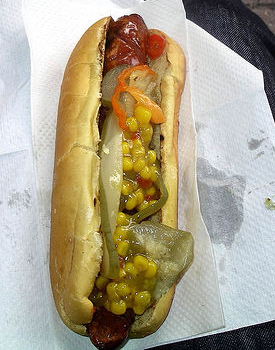
Putting the toppings on the bun first is one of those small life upgrades that feels almost too simple. Mustard goes into the crease. Relish nestles safely below. Onions stay trapped like they have signed a lease. Then the hot dog lands on top and gently presses everything into place. Suddenly, your first bite contains flavor instead of regret. That is not chaos. That is engineering.
Why This Tiny Hot Dog Trick Feels So Awesome
The magic of putting toppings on a hot dog bun before the hot dog is that it solves a problem everyone recognizes: topping escape. You know the scene. You add mustard, ketchup, relish, onions, jalapeños, sauerkraut, chili, cheese, and maybe something crunchy because you are feeling emotionally available. Then you take one heroic bite, and half the toppings fall out the side like passengers evacuating a sinking ship.
When toppings go underneath, the bun becomes a little condiment hammock. The hot dog works as a delicious paperweight. Instead of sliding off the rounded sausage, toppings are tucked into the soft valley of bread. It is not just tasty. It is tidy. And tidy matters when your shirt is white, your napkins are thin, and your dignity is already lightly mustard-scented.
A Brief Love Letter to the American Hot Dog
The hot dog is one of America’s most democratic foods. It appears at ballparks, cookouts, food carts, convenience stores, birthday parties, county fairs, and late-night kitchens where “dinner” means standing over the sink. Its roots are usually traced to European sausages brought and adapted by immigrants, especially German-speaking communities, before becoming a staple of American street food culture.
Over time, the hot dog became less of a single food and more of a blank canvas. New York has its mustard and sauerkraut traditions. Chicago famously piles on mustard, relish, onion, tomato, pickle spear, sport peppers, and celery salt on a poppy seed bun. Detroit and Coney-style dogs lean into chili sauce, onions, and mustard. In the South, slaw dogs bring creamy crunch. In Arizona, Sonoran-style dogs go big with bacon-wrapped franks, beans, tomatoes, onions, sauces, and jalapeños.
In other words, America did not simply adopt the hot dog. It gave the hot dog a costume closet.
The Great Topping Placement Debate
Traditional Rule: Toppings on Top
Classic hot dog etiquette says toppings belong on the hot dog itself. The idea is easy to understand: the hot dog is the star, and condiments are the supporting cast. Wet condiments like mustard or chili go first, chunky toppings like onions or relish follow, cheese comes next, and spices finish the job.
That order makes sense when a professional vendor is building your dog with speed, skill, and a counter that is not wobbling in the grass. But real-life eating conditions are not always so graceful. At home, at a picnic, or in a parking lot before a game, the “proper” method can turn into a topping landslide.
The Awesome Rule: Build the Flavor Foundation First
Putting toppings in the bun first changes the whole experience. Instead of decorating the hot dog from the outside, you build from the inside. The bun becomes the flavor base. Mustard gets absorbed just enough to avoid dripping. Relish and onions settle into the groove. Chili or cheese can sit low and secure. Then the hot dog goes on top, locking the ingredients into place.
It is the same reason sandwiches usually put spreads directly on bread. Nobody builds a turkey sandwich by stacking mayo on top of the turkey and hoping for the best. The hot dog bun deserves the same respect.
Why Toppings Under the Hot Dog Work So Well
1. Better Topping Control
Round food is tricky. A hot dog is shaped like a tiny edible log, which means anything placed on top wants to roll, slide, or leap. When toppings sit underneath, they are less exposed to motion. Each bite becomes more predictable, which is exactly what you want from a food commonly eaten while standing near other humans.
2. More Flavor in Every Bite
One of the saddest hot dog experiences is the “plain first bite.” That happens when all the toppings are piled toward the middle or fall off before you reach them. By spreading toppings along the bun first, you create a flavor trail from end to end. Every bite gets mustard, crunch, acidity, heat, or whatever delicious nonsense you selected.
3. Less Mess
Hot dogs should be casual, not stressful. A great hot dog does not require the eating posture of a raccoon guarding treasure. With toppings tucked below, you can eat more confidently. Fewer onions land on the plate. Less relish escapes. Sauerkraut stays where sauerkraut belongs, which is not on your shoe.
4. A Better Bun-to-Filling Ratio
The bun is not just packaging. A soft, warm bun absorbs flavor and balances salt, fat, tang, and spice. When condiments touch the bread first, they become part of the bite instead of sitting like a slippery roof. The result is more integrated, especially with mustard, barbecue sauce, chili, melted cheese, or spicy mayo.
The Best Toppings to Put on the Bun First
Not every topping behaves the same way. Some are excellent bottom-layer candidates. Others need a little strategy. Here is the practical guide.
Mustard
Mustard may be the best first layer. Yellow mustard brings bright acidity, Dijon adds sharper bite, and spicy brown mustard gives a ballpark-style kick. Spread it in the bun crease before adding the hot dog. It stays put and seasons the whole bite.
Relish
Relish is delicious but slippery. Underneath the hot dog, it becomes much easier to manage. Sweet relish adds brightness, dill relish brings tang, and spicy relish gives your hot dog a little personality without turning it into a condiment avalanche.
Onions
Chopped raw onions are crunchy, sharp, and very good at falling off. Put them in the bun first and let the hot dog hold them down. For a softer flavor, use grilled onions or caramelized onions. They create a warm, savory layer that tastes like somebody tried harder than they did.
Sauerkraut
Sauerkraut is bold, tangy, and full of moisture, so use a light hand and drain it first. A thin layer under the hot dog gives you that classic deli-style flavor without sending cabbage confetti across your plate.
Chili
Chili can be messy, but bottom-layer chili is surprisingly smart. Spoon a modest amount into the bun, add the hot dog, then finish with a little cheese or onion if needed. The bun catches the sauce, and the hot dog keeps it from spreading too far. This is not a white-shirt activity, but it is much less dangerous than chili balanced on top.
Cheese
Shredded cheese works beautifully under a hot dog because the heat helps it soften. Nacho cheese, however, should be used carefully. A thin stripe under the dog is great. A full molten river is a laundry incident waiting to happen.
Regional Hot Dog Styles That Prove Toppings Matter
Hot dog toppings are not random. They often reflect local taste, immigrant history, available ingredients, and regional pride. That is why hot dogs vary so much from city to city.
Chicago-Style Dog
The Chicago-style hot dog is a maximalist masterpiece. It traditionally includes an all-beef frank, poppy seed bun, yellow mustard, relish, chopped onion, tomato, pickle spear, sport peppers, and celery salt. It is often described as “dragged through the garden,” which is a polite way of saying it contains enough toppings to qualify as landscaping.
Could you put some Chicago toppings under the dog? Absolutely. Mustard, onion, and relish work well as a base. Larger items like the pickle spear and tomato wedges are usually better placed alongside or on top because they are basically structural beams.
New York-Style Dog
A New York-style hot dog often keeps things direct: mustard, sauerkraut, and sometimes onion sauce. This is a perfect candidate for the bun-first method because the toppings are flavorful but manageable. A little mustard and sauerkraut under the dog creates a classic bite with less dripping.
Coney Dog
Coney-style dogs usually feature a hot dog topped with meat sauce, mustard, and chopped onions. Because the sauce is the star, most people expect it on top. But for home eating, a small layer of sauce under the frank can help distribute flavor. Add a final spoonful on top if you want the classic look.
Southern Slaw Dog
Slaw dogs bring cool crunch to a salty hot dog. Coleslaw can go either way, but a thin layer inside the bun helps keep the slaw from sliding. The key word is thin. If your hot dog looks like it is wearing a cabbage sleeping bag, you may have crossed a line.
Sonoran-Style Dog
The Sonoran hot dog is a glorious overachiever: bacon-wrapped hot dog, beans, tomatoes, onions, sauces, jalapeños, and often a soft bolillo-style bun. With a build this loaded, layering matters. Beans and sauces can go underneath, while fresh toppings finish the top. It is less a snack and more an edible festival.
How to Build the Perfect Bun-First Hot Dog
Step 1: Warm the Bun
A cold bun is just bread with low self-esteem. Warm it gently by steaming, grilling, or toasting. A warm bun opens more easily, holds toppings better, and tastes softer. Toasting adds structure, which is especially helpful if you are using wet toppings.
Step 2: Add a Thin Flavor Layer
Start with mustard, sauce, or a small amount of chili. Spread it along the inside of the bun. Do not flood the bun. You want flavor, not soup.
Step 3: Add Small Toppings
Relish, onions, jalapeños, diced pickles, and shredded cheese can go into the bun next. Keep them centered in the crease. The goal is to create a stable bed, not a mountain range.
Step 4: Place the Hot Dog on Top
Now add the hot dog. Press lightly so it nestles into the toppings. This is the satisfying moment when the whole system makes sense. The dog settles in, the toppings stay put, and you briefly feel like you have solved a problem NASA overlooked.
Step 5: Finish If Needed
If you want the visual drama of toppings on top, add a small finishing touch: a zigzag of mustard, a pinch of celery salt, a few onions, or shredded cheese. Think garnish, not landslide.
Food Safety Still Matters
A hot dog may feel casual, but safe handling still matters. Most packaged hot dogs are fully cooked, but they should still be heated properly, especially for children, older adults, pregnant people, and anyone with a weakened immune system. If you are serving hot dogs at a party, keep hot foods hot and cold foods cold. Do not let cooked hot dogs or perishable toppings sit out for hours while everyone debates whether ketchup is acceptable.
Use clean utensils, avoid cross-contamination, refrigerate leftovers promptly, and keep toppings covered when possible. Nobody wants the phrase “memorable barbecue” to mean “everyone learned about foodborne illness together.”
Common Mistakes When Putting Toppings Under the Hot Dog
Using Too Much Sauce
The bun-first method is clever, but it is not magic. If you pour half a bottle of ketchup into the bun, the bread will surrender. Use sauces in thin lines or light spreads.
Overloading the Bun
A hot dog bun has limits. Respect them. If your toppings are taller than the hot dog, you are not making lunch; you are building a small municipal project.
Skipping Texture
A great hot dog has contrast: soft bun, snappy frank, tangy mustard, crunchy onion, cool relish, or spicy peppers. When adding toppings under the dog, include at least one crunchy or acidic ingredient to keep the bite lively.
Ignoring the Bun
A flimsy bun can ruin even the smartest topping strategy. Choose fresh buns that are soft but sturdy. If you are using chili, slaw, or sauerkraut, toasting the bun lightly can help prevent sogginess.
Is This Method Better Than Traditional Hot Dog Etiquette?
Better depends on your goal. If you want the classic presentation, toppings on top look beautiful and familiar. If you want easier eating, better topping distribution, and fewer condiment accidents, toppings under the hot dog may win.
The truth is, food rules are useful until they get in the way of enjoyment. Hot dogs are not fine china. They are handheld happiness. The best method is the one that makes your hot dog taste great and keeps mustard off your elbow.
Why This Belongs on a List of Awesome Things
The “1000 Awesome Things” idea celebrates tiny everyday pleasures: the little tricks, moments, and observations that make life feel unexpectedly delightful. Putting the toppings on a hot dog bun before the hot dog fits perfectly because it is small, silly, and genuinely useful.
It is the kind of move you discover by accident and then immediately act like you invented modern civilization. You take a bite, notice that nothing fell out, and suddenly you are looking around the picnic table like, “Has everyone else been informed?”
That is what makes it awesome. It does not require a new gadget, a cooking class, or a 45-minute tutorial hosted by someone with perfect countertops. It is just a smarter order of operations. Bun, toppings, hot dog, happiness.
Extra Experiences: The Joy of Discovering the Bun-First Hot Dog Method
The first time you put toppings on the bun before the hot dog, it may not feel like a major life event. There are no fireworks. A marching band does not appear. Your neighbor probably does not lean over the fence and whisper, “You’ve changed the game.” But by the second bite, something shifts. You notice the relish is still there. The onions have not staged a dramatic escape. The mustard is not dripping onto your wrist like yellow candle wax. For once, the hot dog is behaving.
This is especially satisfying at a backyard cookout. Picture it: someone hands you a paper plate that bends under the emotional weight of potato salad. You are trying to add toppings while holding a drink, avoiding smoke from the grill, and pretending you remember the name of your cousin’s new boyfriend. The normal topping method requires balance and courage. The bun-first method requires only quiet wisdom. You open the bun, add mustard, sprinkle onions, tuck in relish, drop the hot dog on top, and walk away like a person who has made excellent life choices.
It also works beautifully for kids, who often treat hot dogs like edible construction equipment. When toppings sit on top, one enthusiastic squeeze can send ketchup across the plate. When toppings are underneath, the hot dog is easier to hold, easier to bite, and slightly less likely to become abstract art. Parents may still need napkinsmany napkinsbut the odds improve.
At a ballgame or tailgate, the bun-first idea feels even smarter. Stadium hot dogs are often eaten in crowded seats, where elbow room is imaginary and one wrong move can introduce your mustard to a stranger’s jacket. By layering condiments inside the bun first, you create a more compact hot dog. It is still fun, still messy in the right way, but less likely to turn into a public incident.
The method also invites creativity. A spicy version might start with jalapeño relish, diced onions, and a line of brown mustard under the dog. A barbecue version might use a small spoonful of slaw and a drizzle of smoky sauce. A chili cheese version can begin with chili in the bun, then the hot dog, then a little cheese on top so it still looks indulgent. The trick is not about hiding toppings. It is about placing them where they do the most good.
There is also something funny and charming about breaking a tiny food rule. Nobody is saying you should eat soup with a fork or put cereal in a shoe. You are just reversing the order of hot dog assembly. Yet it feels rebellious enough to be satisfying. It is culinary mischief with practical benefits.
Best of all, this hot dog habit reminds us that small improvements matter. Life is full of little frictions: tangled cords, slow elevators, missing socks, and toppings that fall off hot dogs. When one of those frictions disappears, even for lunch, the day gets better. That is the real beauty of putting toppings on the bun before the hot dog. It is not just about mustard placement. It is about noticing that ordinary things can still surprise us.
So the next time you are building a hot dog, try it. Put the toppings in the bun first. Let the hot dog settle on top like the final piece of a delicious puzzle. Take a bite. Enjoy the balance, the flavor, the lack of falling onions. Then quietly accept your new role as the most practical person at the cookout.
Conclusion
Putting the toppings on a hot dog bun before the hot dog may go against traditional etiquette, but it delivers where it counts: better flavor distribution, fewer spills, easier eating, and a more satisfying bite. It turns the bun into a flavor foundation and the hot dog into a topping security system. Whether you love mustard and onions, chili and cheese, sauerkraut, slaw, or spicy peppers, this simple trick can make your next hot dog cleaner, tastier, and just a little more awesome.
Hot dogs are supposed to be fun. They are not here to judge us. They are here to be eaten at cookouts, ballgames, family parties, and random Tuesdays when dinner needs to happen quickly. If putting toppings under the hot dog makes the experience better, that is not a mistake. That is a tiny victory wrapped in a bun.
Note: This article was written in original language and synthesized from real, publicly available information about American hot dog history, regional hot dog styles, condiment etiquette, cookout habits, and basic food safety guidance.