Note: This article is written for web publishing in standard American English, based on publicly reported information and current entertainment coverage. It does not include source links inside the article body.
For a show called Live with Kelly and Mark, the word “live” does a lot of heavy lifting. It promises spontaneity, fresh jokes, same-day celebrity chatter, and the tiny possibility that a host might say something delightfully unplanned before coffee has fully entered the bloodstream. So when viewers notice prerecorded episodes airing under the famous Live banner, some of them do what TV fans do best: they head online and ask, “Should this show still be called Live?”
That is the heart of the mini-controversy surrounding Kelly Ripa and Mark Consuelos. The complaint is not really about one rerun, one vacation week, or one awkward scheduling choice. It is about expectations. Fans have built a relationship with this morning institution over decades. They know the rhythm. They know the desk. They know the host chat. They know the unpredictable charm of a real-time conversation. When that sense of immediacy is missing, even temporarily, viewers feel the title is making a promise the episode is not keeping.
But before anyone starts printing new cue cards, the issue is more nuanced than “fans are angry.” The frustration says a lot about daytime TV, brand loyalty, how audiences define authenticity, and why Kelly Ripa and Mark Consuelos are still being watched closely after all these years.
The Real Reason Fans Are Talking About a Name Change
The calls to change the name of Live with Kelly and Mark began circulating after viewers realized that some episodes were not airing in real time. In particular, fans reacted to prerecorded or previously assembled episodes that leaned on memorable moments, past clips, or segments taped earlier. For a standard daytime talk show, that would not be shocking. For a show with Live in the title, however, the reaction was immediate.
Some fans argued that if the show is only live part of the week during certain stretches, the title should be adjusted. Others were more dramatic, suggesting that the word “Live” should be dropped entirely if prerecorded episodes become too common. Of course, television viewers have a flair for theatrical language. Nobody complains about a morning show quietly. They complain as though a beloved diner suddenly replaced fresh pancakes with frozen waffles and hoped nobody would notice.
Still, the criticism taps into a fair point: the title creates a clear expectation. A viewer tuning in at breakfast assumes the hosts are talking about today, reacting to today, and experiencing the morning alongside them. When the episode is taped, that emotional contract changes.
Why the Word “Live” Matters So Much
The word “live” is not just a technical label. It is part of the show’s identity. It suggests energy, risk, freshness, and connection. That matters because Live has never been only about celebrity interviews. The host chat at the beginning of the program is the secret sauce. Viewers tune in to hear Kelly and Mark talk about everyday things: marriage, parenting, travel, awkward social situations, their dog, their kids, celebrity encounters, and whatever strange topic has wandered into the studio that morning.
When the show is actually live, the audience feels like it is sharing the same moment with the hosts. If there is a major entertainment story, a viral trend, a weather event, or an awards show the night before, viewers expect Kelly and Mark to respond with their usual mix of polish and loose-cannon honesty. That same-day quality is part of the appeal.
A prerecorded episode can still be funny, charming, and well-produced. But it cannot deliver the same sense of “we are all here right now.” That is why some fans see the title as a promise, not just a brand name.
A Long-Running Show With a Long Memory
To understand why viewers care so much, it helps to remember that Live is not a new show trying to find itself. It is a daytime institution with a deep history. The program has evolved through multiple eras, including Live with Regis and Kathie Lee, Live with Regis and Kelly, Live with Kelly and Michael, Live with Kelly and Ryan, and now Live with Kelly and Mark.
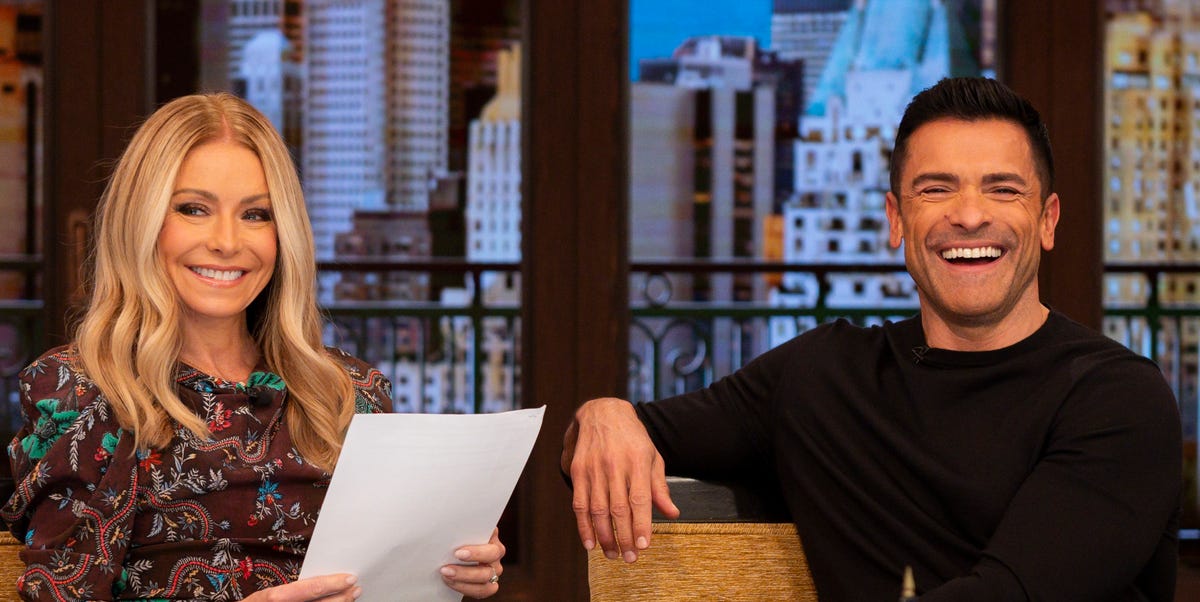
Kelly Ripa joined the franchise in 2001 and became one of daytime TV’s defining personalities. Her style is fast, funny, self-deprecating, and just sharp enough to make even ordinary stories feel like tiny sitcom episodes. Mark Consuelos, her husband and former All My Children co-star, officially joined as permanent co-host in April 2023 after Ryan Seacrest departed. His arrival turned the show into something unusual: a nationally syndicated morning program hosted by a real married couple.
That husband-and-wife dynamic is one of the show’s biggest advantages. Kelly and Mark can tease each other in a way that would feel risky between unrelated co-hosts. Their disagreements about dogs, parenting, competitiveness, household habits, or memory gaps can feel like viewers have accidentally wandered into a very attractive couple’s kitchen conversation. It is polished television, yes, but it works because it feels familiar.
Why Some Viewers Are More Sensitive Now
The timing of the complaints matters. Mark Consuelos was still relatively new as the official permanent co-host when fans began scrutinizing the format more closely. Whenever a long-running show changes hosts, loyal viewers become hyper-aware of everything: chemistry, pacing, jokes, wardrobe, set design, guest choices, vacation weeks, and whether the coffee mugs look emotionally supportive enough.
After Ryan Seacrest’s exit, some viewers were already adjusting to a different rhythm. Ryan brought a smooth, radio-trained energy. Mark brings a more personal, sometimes competitive, sometimes mischievous vibe. The show did not simply swap one co-host for another; it changed the emotional structure at the desk. Instead of “Kelly and a professional broadcasting partner,” it became “Kelly and her actual husband.” That shift made the show feel more intimate, but it also made every production choice more noticeable.
So when fans saw prerecorded episodes, the complaint was not happening in a vacuum. It landed during a period when audiences were still deciding how they felt about the new era.
Is the Show Actually Misleading Viewers?
Not necessarily. Daytime shows regularly use taped segments, vacation programming, clip packages, and special episodes. Production schedules are complicated, especially for a show that airs five days a week and includes live audiences, celebrity bookings, travel, holidays, and special events. Even a program called Live cannot be live every single day of the year without turning its hosts into beautifully lit robots.
In addition, the show has continued to air live episodes and special live events. The official schedule often includes current guests, contests, and timely segments. The brand name Live has also become bigger than its literal meaning. It represents the franchise, the desk, the daily format, and the host-driven conversation that fans recognize immediately.
That said, audience perception matters. If viewers feel surprised by prerecorded episodes, the show may benefit from clearer messaging. A simple on-screen label, a playful explanation from the hosts, or better promotion of special taped weeks can reduce frustration. Most viewers are reasonable when they know what they are watching. They just do not like feeling tricked before their second cup of coffee.
Why Fans Still Care Enough to Complain
The funny thing about fan complaints is that they often come from affection. People rarely argue passionately about shows they do not care about. The fact that viewers are debating the title proves the brand still matters. They want Live with Kelly and Mark to feel like the show they have invited into their kitchens, living rooms, break rooms, and treadmill sessions for years.
Morning television is uniquely personal. Viewers may not sit down and watch every second, but they build routines around it. The show plays while breakfast is being made, emails are being checked, kids are being rushed out the door, or laundry is being folded with the optimism of someone who thinks they will put it away immediately. A live morning show becomes part of the household rhythm.
That is why a prerecorded episode can feel oddly disappointing. It is not that fans reject taped television. It is that they came for the feeling of the present tense.
Kelly and Mark’s Chemistry Is Still the Main Attraction
Even critics of the prerecorded schedule often acknowledge that Kelly and Mark have a natural connection. Their history gives the show a built-in storyline. They met as actors, married in 1996, raised three children, built separate careers, and eventually ended up sharing one of the most recognizable desks in daytime TV. That is not a typical co-host origin story. It is more like a soap opera plot that wandered into real life, put on a tailored suit, and started interviewing movie stars.
Their best moments often come from small disagreements. Mark may push a joke too far; Kelly may shut it down with perfect timing. Mark may get competitive during a game segment; Kelly may remind him that the audience is not cheering for ruthless victory over a sweet caller. Those moments can generate headlines because they are unscripted-feeling, even when the show is carefully produced.
This is why the “Live” debate is not likely to sink the program. If anything, it shows that viewers still expect a certain kind of spark from the hosts. They want the real-time banter because Kelly and Mark are good at it.
Should the Show Really Change Its Name?
From an SEO and branding perspective, changing the name would be risky. Live is one of the most recognizable names in daytime television. It has decades of equity, strong search recognition, and a simple format that adapts whenever the co-host changes. Dropping the word “Live” could satisfy a few frustrated viewers, but it might weaken a brand that has survived multiple transitions.
A better solution would be transparency, not rebranding. The show could continue using the Live name while making prerecorded episodes more clearly labeled. It could also lean into the joke. Kelly Ripa, who has built a career on turning awkwardness into comedy, could easily address the issue with a wink: “Today we are live-ish, which is like live, but with better hair continuity.”
That kind of self-awareness would probably go a long way. Fans do not need perfection. They need clarity, humor, and the feeling that the hosts are in on the conversation.
What the Debate Says About Modern TV Audiences
The conversation around Live with Kelly and Mark reflects a bigger shift in audience expectations. Viewers now live in a world of streaming, clips, podcasts, TikTok highlights, and on-demand everything. Because so much media is prerecorded, live television has become more valuable, not less. A live broadcast feels rare. It feels immediate. It feels like something could happen.
That is why the title matters. The word “live” carries emotional weight in an entertainment world where almost everything can be edited, filtered, delayed, or repackaged. Viewers are not just asking for a technical distinction. They are asking for authenticity.
At the same time, audiences also understand that TV production has limits. Hosts take vacations. Studios move. Schedules shift. Guests cancel. Segments are taped. The challenge is not eliminating prerecorded content. The challenge is maintaining trust while using it.
Experiences and Viewer Feelings Around the “Live” Name Debate
For many longtime viewers, watching Live with Kelly and Mark is less like watching a show and more like checking in with familiar people. That is why the title debate feels personal. Imagine turning on the program during a normal weekday morning. You are expecting Kelly to mention something that happened yesterday, Mark to react with a slightly dangerous joke, and the audience to laugh in that warm studio way that says, “Yes, we are all awake together.” Then, a few minutes in, you realize the episode is not current. The energy changes. It is still enjoyable, but the little spark of shared time is gone.
That experience explains why fans can sound more upset than the situation seems to deserve. They are not merely reacting to scheduling. They are reacting to a broken ritual. Morning shows are built on habit. People watch while pouring cereal, packing lunches, answering work messages, or pretending the laundry pile is decorative. A show called Live becomes part of that morning contract. When it feels taped, viewers notice immediately.
There is also a trust factor. Fans do not mind a vacation week if they know it is a vacation week. They do not mind a special clip show if it is presented as a special clip show. In fact, many viewers enjoy best-of episodes because they bring back funny moments they may have missed. The frustration starts when the packaging feels too similar to a regular live broadcast. Clear labels would make the experience feel more honest and less confusing.
Another common viewer experience is comparing eras. Someone who watched Regis Philbin and Kathie Lee Gifford may have a very specific memory of what Live means. Someone who came in during the Kelly and Ryan era may expect a different pace. Newer fans who discovered Kelly and Mark through social clips may be more flexible, because they are used to seeing the show chopped into digital moments rather than as a full real-time hour. All of these viewers are watching the same brand, but they bring different definitions of authenticity to it.
Kelly and Mark also create a unique emotional response because they are married. Viewers often feel as if they are watching a real relationship unfold in public. The playful disagreements, the eye rolls, the competitive game moments, and the family stories all make the show feel less manufactured. That is exactly why the live element matters. Their chemistry works best when it feels immediate and unrehearsed. A prerecorded episode can still show their charm, but the audience knows there is a safety net. The thrill of live TV is that the safety net feels smaller.
In the end, the best viewer experience would not require a dramatic name change. It would require the show to respect the audience’s routine. Tell viewers when an episode is live. Tell them when it is taped. Make it funny. Make it clear. Let Kelly and Mark joke about it. The fans who complain are often the same fans who keep watching, because they still believe in the format. They just want the title to match the feeling that made the show famous in the first place.
Conclusion
Fans want Kelly Ripa and Mark Consuelos to change the name of Live because the word carries a promise. When episodes are prerecorded, some viewers feel that promise becomes blurry. But the stronger takeaway is not that the show needs a new title. It is that audiences still care deeply about what Live represents: immediacy, chemistry, honesty, and the comforting chaos of daytime television happening right now.
The smarter move is not to erase the brand. It is to protect it. With clearer communication, playful transparency, and continued focus on Kelly and Mark’s real-time chemistry, Live with Kelly and Mark can keep its iconic name while giving fans the freshness they expect. After all, the title is not just a word. It is a relationship with the audience. And like any good relationship, it works best when everyone knows what is happening.