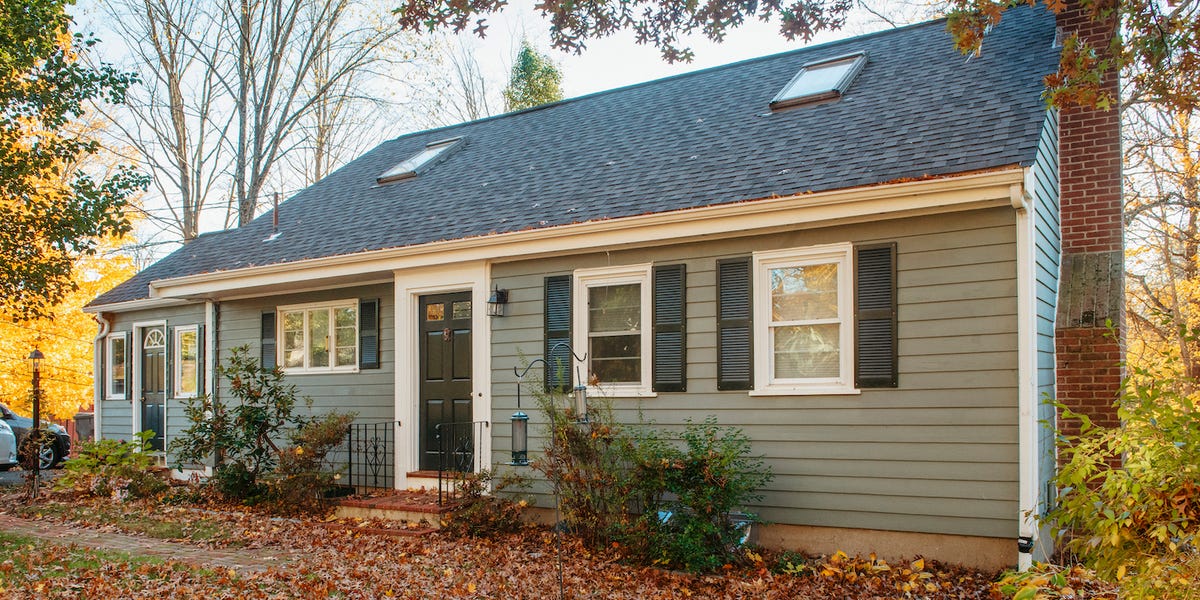
Extreme weather used to feel like something that happened “somewhere else.” Now, depending on the season, your home may face heat waves, heavy rain, wildfire smoke, surprise freezes, hail, high winds, or a storm that seems personally offended by your patio furniture. The good news is that you do not need to rebuild your house from the foundation up to make it tougher, safer, and more comfortable.
Smart home upgrades for extreme weather often start with simple improvements: sealing air leaks, improving drainage, protecting windows, reinforcing the roof, and reducing fire risks around the home. These projects are practical, budget-aware, and useful even when the weather behaves itself. Better insulation can lower energy waste. Clean gutters can prevent water damage. Stronger windows can improve comfort. A safer yard can reduce wildfire risk. In other words, these upgrades are not just “storm prep.” They are everyday home improvements with disaster-resilience benefits baked in.
Below are five easy home upgrades to combat extreme weather, plus real-world experience-based tips to help you prioritize what to do first. No panic bunker required. Just a ladder, a checklist, a realistic budget, and possibly a gentle conversation with that one gutter downspout that has been dumping water next to your foundation since 2017.
Why Extreme Weather Preparation Starts at Home
Your home is a system. The roof protects the attic, the attic affects indoor temperatures, the gutters control water flow, the windows influence comfort, and the yard can either slow hazards down or invite them closer. When one part fails, another part often pays the bill. A clogged gutter may lead to basement moisture. Missing roof shingles may allow wind-driven rain into the attic. Drafty windows can make your air conditioner work like it is training for a marathon.
The most effective weather-resistant home improvements are the ones that reduce stress before a disaster arrives. They do not need to be glamorous. In fact, many of the best upgrades are deeply unglamorous. Caulk, weatherstripping, splash blocks, attic insulation, metal mesh, and roof fasteners rarely trend on social media. But when the sky turns dramatic, these small details can matter more than the expensive decorative lantern by the front door.
1. Seal Air Leaks and Improve Insulation
Air sealing is one of the easiest and most cost-effective home upgrades for extreme heat, cold snaps, wildfire smoke, and high energy bills. If your home leaks air around windows, doors, attic hatches, plumbing penetrations, recessed lights, or baseboards, your heating and cooling system has to work harder. During extreme weather, that can make indoor temperatures less stable and utility bills more painful.
Where to Start With Air Sealing
Begin with the obvious trouble spots. Check exterior doors for daylight around the edges. Feel for drafts near window trim. Look at the attic hatch, electrical outlets on exterior walls, and gaps where pipes enter under sinks. Use caulk for stationary gaps and weatherstripping for moving parts like doors and operable windows. Add door sweeps where needed, especially on older exterior doors.
For bigger improvements, consider sealing attic air leaks before adding insulation. The attic is often the most important area because warm air rises in winter and attic heat can radiate downward in summer. If you add insulation over unsealed gaps, you may cover the problem without solving it. That is like putting a very cozy blanket over a hole in a canoe.
Why It Helps During Extreme Weather
Air sealing and insulation help your home hold a steady temperature longer. During heat waves, they slow outdoor heat from entering. During winter storms, they help keep warm air inside. During smoky wildfire days, sealing major leaks can reduce unwanted outdoor air entering the house, although homes still need proper ventilation and safe indoor air practices.
This upgrade also supports energy resilience. If the power flickers or your HVAC system struggles, a better-sealed home may stay comfortable for longer than a drafty one. Start small with weatherstripping and caulk, then work toward attic insulation, duct sealing, and professional energy audits if your budget allows.
2. Upgrade Windows, Window Coverings, and Storm Protection
Windows are beautiful. They bring in light, views, and the occasional squirrel drama. But they are also weak points during extreme weather. Heat enters through glass. Cold drafts sneak around frames. Wind-driven rain can exploit gaps. In storm-prone regions, flying debris can break glass and allow wind pressure inside the home.
Simple Window Improvements That Work
You do not always need full window replacement. Start with fresh caulk around exterior trim, new weatherstripping, and repair of cracked glazing or damaged seals. Interior or exterior storm windows can improve comfort and reduce air movement. In hot climates, insulated cellular shades, reflective window coverings, solar screens, exterior awnings, or well-fitted curtains can reduce heat gain during the hottest part of the day.
If you live in a hurricane-prone or high-wind region, consider impact-rated windows, tested storm shutters, or plywood panels cut in advance for emergency installation. The key phrase is “in advance.” Trying to measure plywood during a hurricane warning is not a home improvement project; it is a stress test with sawdust.
Heat, Wind, and Comfort Benefits
Better windows and coverings can help keep rooms cooler during heat waves and warmer during winter storms. They also reduce glare, protect furnishings from sun damage, and make the home feel less drafty. For homes without central air conditioning, controlling sunlight through windows can make a noticeable difference in afternoon comfort.
During severe storms, window protection can reduce the risk of broken glass and water intrusion. If you upgrade only a few openings, prioritize large windows, windows facing prevailing storm winds, and vulnerable glass doors. Garage doors also deserve attention in wind-prone regions because a failed garage door can allow pressure changes that damage the home.
3. Strengthen the Roof Before the Storm Finds It
Your roof is the helmet of your house. If it fails, water can move quickly into insulation, ceilings, walls, flooring, and personal belongings. Roof upgrades can be more expensive than caulk or curtains, but many preventive steps are simple and affordable.
Easy Roof Maintenance Upgrades
Start with a visual inspection from the ground. Look for missing shingles, curling edges, damaged flashing, sagging gutters, exposed fasteners, or debris piles. After major wind events, check for new changes. If you are comfortable and it is safe, clear leaves and branches from low roof areas and gutters. Otherwise, hire a professional. Falling off a ladder is not a recommended weatherization technique.
Repair small roof problems quickly. A lifted shingle, cracked boot around a plumbing vent, or loose flashing may look minor on a sunny day but become a water entry point during wind-driven rain. In hail-prone areas, consider impact-resistant roofing materials when replacement time comes. In high-wind regions, ask contractors about stronger fastening methods, sealed roof decks, and roofing systems designed for local wind conditions.
Consider a Stronger Roof System
When replacing a roof, ask about a sealed roof deck. This layer helps reduce water intrusion if the outer roof covering is damaged. Stronger roof-to-wall connections, proper edge flashing, and wind-rated roof coverings can also improve performance. These details are not as fun as choosing shingle colors, but they are much more useful when a storm arrives with the subtlety of a marching band.
Roof resilience is especially important because roof damage often triggers a chain reaction. Once water enters, it can soak insulation, stain ceilings, encourage mold growth, and damage electrical systems. A stronger roof is not only about keeping shingles attached. It is about keeping the inside of your home dry.
4. Improve Drainage, Gutters, and Flood Defenses
Water is persistent. It does not need a formal invitation. It only needs a low spot, a clogged gutter, a short downspout, or soil sloping toward the foundation. Heavy rainfall events can overwhelm older drainage systems, so one of the best home upgrades to combat extreme weather is simply helping water move away from the house.
Start With Gutters and Downspouts
Clean gutters at least twice a year, and more often if your home sits under trees. Check that gutters slope toward downspouts and that downspouts are not crushed, blocked, or disconnected. Extend downspouts so roof water drains several feet away from the foundation and onto ground that slopes away from the home. Splash blocks, extensions, and underground drain lines can all help when properly installed.
Watch your home during a heavy rain if it is safe to do so. You can learn a lot. Look for overflowing gutters, water pooling near the foundation, mulch floating away like tiny landscaping boats, or downspouts discharging into low areas. These clues show where upgrades should begin.
Add Flood-Resistant Improvements
If you have a basement or crawl space, test your sump pump before storm season. Add a battery backup if power outages are common in your area. Consider a water alarm near appliances, water heaters, sump pits, and low spots. If sewer backups are a risk, ask a licensed plumber about a backwater valve. Store valuables, documents, and electrical equipment above expected flood levels.
For yards, consider rain gardens, swales, permeable surfaces, or downspout disconnection where allowed by local rules and where water can safely infiltrate away from the foundation. The goal is not to make your yard into a swamp with ambition. The goal is to slow, spread, absorb, and redirect stormwater before it becomes a problem.
5. Create a Fire-Smart and Wind-Smart Exterior
Extreme weather is not only about rain and heat. In many regions, wildfire risk is now part of responsible home maintenance. Even homes that are not deep in the woods can be vulnerable to wind-blown embers. At the same time, high winds can turn loose outdoor items into projectiles. A safer exterior helps reduce both risks.
Reduce Wildfire Fuel Near the Home
Clear leaves, pine needles, and debris from gutters, roof valleys, decks, and corners where wind piles material. Keep the area closest to the house as clean and noncombustible as possible. Replace bark mulch near siding with gravel, pavers, or other noncombustible materials. Trim branches away from the roof and remove dead vegetation.
Check vents, too. Ember-resistant vents or fine metal mesh can help reduce the chance of wind-blown embers entering attics, crawl spaces, or other hidden spaces. Repair damaged screens and close gaps under decks where leaves collect. Wildfire defense is often about denying tiny embers a cozy place to start trouble.
Secure Outdoor Items Before High Winds
Patio chairs, grills, umbrellas, planters, trash bins, and garden tools should be secured or moved indoors before severe wind. Install sturdy latches on gates and storage sheds. Keep trees maintained and remove weak limbs that could fall on the roof, power lines, or vehicles. If you have a fence, repair loose panels before storm season.
This upgrade is easy to overlook because it feels more like housekeeping than construction. But a tidy, well-maintained exterior can reduce damage during windstorms and lower fire risk during dry conditions. Bonus: your yard will look better, and your trash cans will be less likely to visit the neighbor without permission.
How to Prioritize These Home Upgrades
If your budget is limited, prioritize projects by risk, cost, and urgency. Start with the problems most likely to cause expensive damage. Water intrusion usually deserves immediate attention because it can lead to structural issues, mold, and ruined belongings. Roof leaks, poor drainage, and basement moisture should move near the top of the list.
Next, focus on comfort and safety. Air sealing, insulation, and window coverings help during heat waves and cold snaps. They also make the home more affordable to operate. Finally, address region-specific hazards. In hurricane zones, shutters and roof strengthening may matter most. In wildfire areas, defensible space and ember-resistant details should rise to the top. In flood-prone neighborhoods, drainage, sump backup, and utility elevation may be the smartest investments.
Budget-Friendly Upgrade Checklist
Here is a practical order for homeowners who want progress without financial chaos:
- Replace worn door weatherstripping and add door sweeps.
- Caulk gaps around windows, trim, penetrations, and small exterior cracks.
- Clean gutters and extend downspouts away from the foundation.
- Install water alarms near likely leak points.
- Add heat-blocking curtains, cellular shades, or solar screens.
- Clear roof, gutter, deck, and yard debris before fire or storm season.
- Test the sump pump and consider a battery backup.
- Repair missing shingles, loose flashing, and damaged vents.
- Store or secure outdoor furniture before wind events.
- Plan larger upgrades, such as attic insulation, storm windows, shutters, or roof reinforcement.
Experience-Based Tips: What Homeowners Learn the Hard Way
After you have lived through a few serious storms, heat waves, or “why is water coming from there?” moments, you begin to understand that extreme weather preparation is not a single heroic weekend. It is a habit. The homeowners who stay ahead of damage usually do boring things consistently. They clean the gutters before the forecast gets dramatic. They replace the cracked caulk before wind-driven rain tests it. They trim the branch before it becomes a roof ornament.
One of the most useful experiences is walking around the house during normal rain. Not during lightning, not during dangerous winds, and not while holding a metal ladder like a cartoon character making poor choices. During a safe, steady rain, look at how water behaves. Does it pour over one gutter corner? Does a downspout empty beside the foundation? Does the driveway send water toward the garage? These observations are better than guesses. They show you the exact places where small upgrades can prevent big repairs.
Another lesson: comfort upgrades are resilience upgrades. Many people think of insulation and air sealing only as energy-saving projects. But during a heat wave, a well-sealed and insulated room can feel calmer and more livable. During a winter outage, the same improvements can help slow heat loss. The home does not become magical, but it becomes more forgiving. That matters when the weather is rude and the power company is “working to restore service as quickly as possible.”
Window coverings also deserve more respect. Heavy curtains, cellular shades, exterior shade screens, and reflective coverings may not sound exciting, but they can dramatically change how a room feels in the afternoon. In hot climates, blocking sunlight before it enters the room is often more effective than trying to cool the room afterward. It is the difference between stopping the party at the door and cleaning up after 40 uninvited guests.
Homeowners in storm-prone areas often learn that maintenance timing matters. Roofers, tree services, gutter cleaners, and contractors get busy right before and after severe weather seasons. If you wait until everyone in town is calling at once, you may pay more or wait longer. Schedule inspections and upgrades during calmer months. Keep photos of your home, roof, exterior, appliances, and major belongings for insurance documentation. Store digital copies somewhere secure and accessible.
For wildfire risk, the biggest surprise is often how small the dangerous materials are. A pile of dry leaves in a gutter, bark mulch touching siding, or debris under a deck can create vulnerability. The upgrade is not always expensive. Sometimes it is a rake, a trash bag, gravel, metal mesh, and a Saturday morning. The goal is to make the area around the home less inviting to embers and easier for firefighters to defend if they ever need to.
Finally, every homeowner should remember that easy upgrades are not “less important” just because they are simple. A $20 tube of exterior-grade sealant in the right place can prevent a leak. A downspout extension can move hundreds of gallons of water away from the foundation. A cleaned gutter can stop overflow that would otherwise soak fascia boards or basement walls. Extreme weather preparation is often a game of small margins. Win enough small margins, and your home has a much better chance of staying dry, cool, safe, and standing proudly when the forecast gets dramatic.
Conclusion: Small Upgrades, Stronger Home
You do not need to turn your house into a fortress to prepare for extreme weather. Start with the upgrades that solve common weak points: seal leaks, improve insulation, protect windows, strengthen the roof, manage stormwater, and clean up the exterior. These improvements help your home handle heat, rain, wind, cold, and wildfire risk while also making daily life more comfortable.
The best plan is practical and local. A homeowner in Arizona may focus first on heat control and shade. A homeowner in Florida may prioritize wind-rated openings and roof reinforcement. A homeowner in Vermont may care more about insulation and ice-related moisture. A homeowner in California may focus on defensible space and ember-resistant details. The right upgrades depend on your climate, your house, and your budget.
Begin with a weekend checklist, then build toward bigger projects over time. Extreme weather may be getting more unpredictable, but your home maintenance plan does not have to be. With a few smart upgrades, your house can become more efficient, more comfortable, and much better prepared for whatever the forecast throws at it next.