If your summer patio has ever turned into an all-you-can-eat buffet for mosquitoes, gnats, flies, or wasps, you are not alone. Humans build decks, string lights, grill burgers, and pour lemonade. Bugs see the same setup and think, “Finally, a resort.” That is where the viral backyard trick of burning coffee grounds like incense comes in.
The idea is simple: dry used coffee grounds, place them in a fire-safe container, light them carefully, and let them smolder. The slow smoke releases a strong roasted aroma that may help discourage some pests from hanging around your seating area. It is cheap, it reuses kitchen waste, and it makes your patio smell like a moody little espresso bar instead of a chemical fog machine.
But let’s be honest from the start: burning coffee grounds is not magic. It is not a guaranteed mosquito shield, wasp force field, or ant eviction notice. The best way to use this method is as a temporary outdoor deterrent alongside proven pest-control habits such as removing standing water, keeping food covered, sealing trash, trimming vegetation, and using EPA-registered repellents when bites are a real concern.
In this guide, you will learn how to burn coffee grounds safely, why the smoke may help repel pests, which bugs it may affect, what mistakes to avoid, and how to build a smarter pest-control routine around this coffee-scented hack.
Why Burn Coffee Grounds to Repel Pests?
Coffee grounds have two things going for them: a strong aroma and residual compounds such as caffeine and other plant chemicals. In the garden, coffee grounds are often discussed as compost material, soil amendment, and sometimes as a pest deterrent. When burned, the scent becomes stronger and the smoke adds another layer of irritation for insects.
Many insects use scent to find food, mates, water, and nesting areas. Mosquitoes, for example, are attracted by carbon dioxide, body odor, heat, and moisture. Wasps are drawn to sugary drinks, meat, fruit, and garbage. Flies are basically tiny inspectors looking for anything sticky, sweet, smelly, or decomposing. A plume of smoky coffee odor can make the immediate area less attractive, at least for a while.
The important word is “immediate.” Burning coffee grounds works more like a localized smoke deterrent than a long-term pest solution. Think of it as a patio helper, not a pest-control superhero wearing a tiny cape made of burlap.
Does Burning Coffee Grounds Really Work?
The honest answer: it may help temporarily, but scientific support for burning coffee grounds specifically as an insect repellent is limited. Some research shows that coffee compounds and caffeine can interfere with mosquito development in water under certain experimental conditions. However, that does not automatically prove that burning coffee grounds will reliably repel adult mosquitoes outdoors.
What likely helps most is the smoke. Many flying insects dislike smoke because it can interfere with their ability to smell, navigate, and detect hosts. That is why campfire smoke, citronella smoke, and other smoky outdoor methods sometimes reduce insect activity in a small area. Coffee grounds add a strong roasted smell to the smoke, which may make the effect feel more noticeable.
So, should you try it? Yes, if you treat it as a low-cost, short-term outdoor hack. No, if you expect it to replace mosquito control, ant baiting, wasp prevention, or personal insect repellent during peak bug season.
What Pests Might Coffee Ground Smoke Help Repel?
Mosquitoes
Mosquitoes are the main reason this trick became popular. A small dish of smoldering coffee grounds near a patio table may reduce mosquito activity in that exact area for a short time. It will not eliminate mosquitoes from your yard, and it will not stop them from breeding. For mosquitoes, the real battle is won by dumping standing water from buckets, saucers, birdbaths, clogged gutters, old tires, toys, and any container that holds rainwater.
Wasps
Wasps may avoid smoke, especially when it is placed near the edges of an outdoor eating area. However, wasps are strongly motivated by food. If you leave open soda cans, fruit, grilled meat, and overflowing trash nearby, coffee smoke will not politely convince them to dine elsewhere. Cover food, clean spills, and keep garbage sealed first. The smoke is the backup singer, not the lead vocalist.
Flies and Gnats
Flies and gnats may be bothered by smoke and strong smells, but they are persistent. If your patio has damp compost, dirty drains, pet waste, ripe fruit, or sticky drink spills, you are basically rolling out a red carpet. Burning coffee grounds may help during a meal, but sanitation is what keeps the guest list under control.
Ants
Coffee grounds are often promoted as an ant repellent, but results are mixed. Ants may avoid fresh grounds for a short time because strong odors can disrupt their scent trails. However, colonies usually adapt quickly by creating a new route. For ants, better control comes from removing food sources, wiping trails with soapy water, sealing entry points, and using appropriate bait if needed.
Slugs and Snails
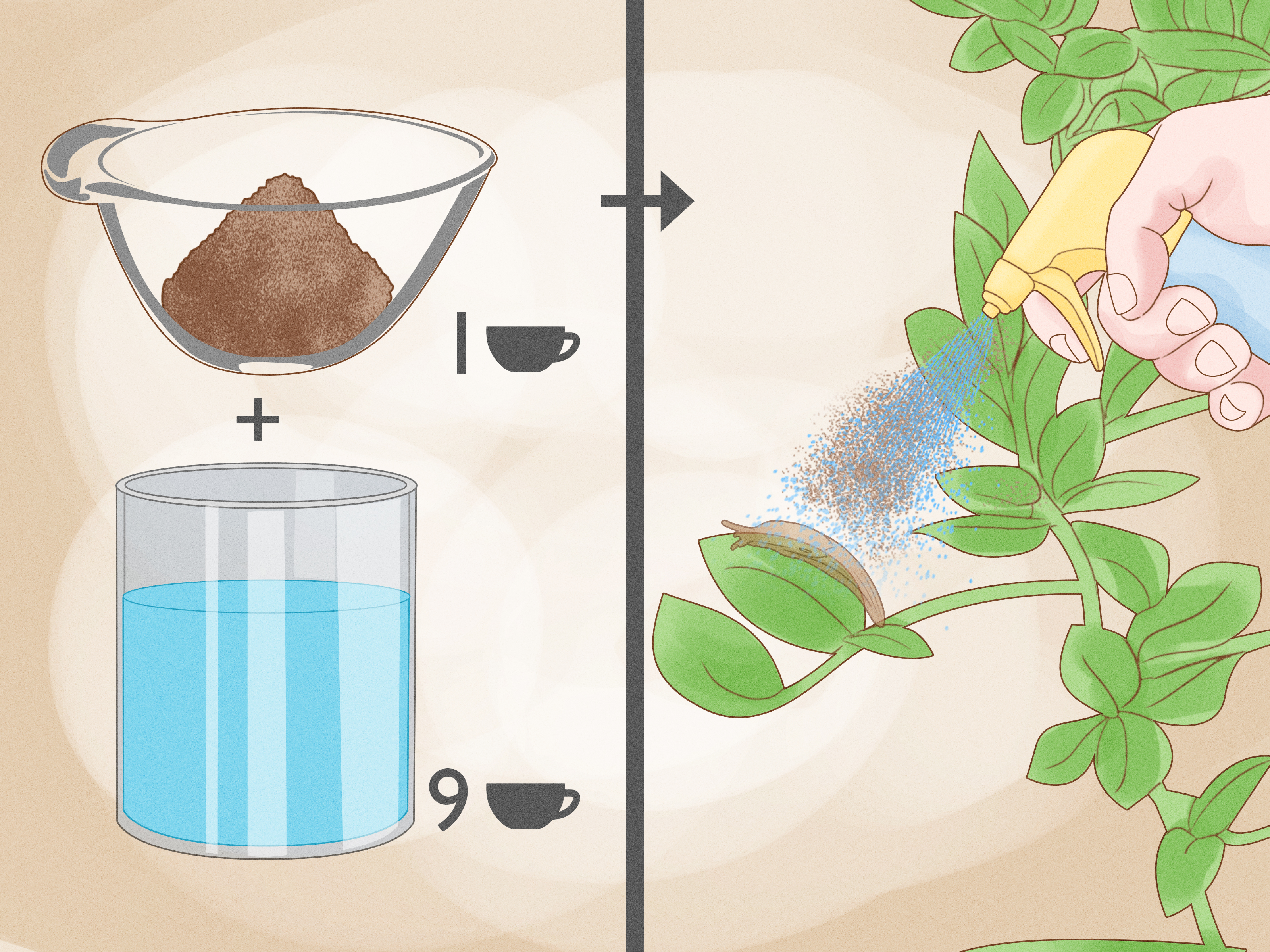
Burning coffee grounds is not the best method for slugs and snails because they are ground-crawling pests, not smoky-airspace invaders. Coffee and caffeine solutions have been studied for slug control, but dumping piles of grounds around plants is not always reliable and can affect soil conditions if overused. Composting used grounds is usually a smarter garden move.
What You Need Before You Start
Before you light anything, gather the right materials. The goal is a slow smolder, not a flaming coffee volcano. You want gentle smoke, controlled heat, and zero drama.
- Used or fresh coffee grounds
- A baking sheet, tray, or shallow plate for drying
- A fire-safe container such as a metal bowl, clay pot, cast-iron dish, or aluminum pie pan
- Matches or a long lighter
- A small piece of paper, natural fire starter, or charcoal disk if needed
- A heat-safe surface such as brick, stone, concrete, or a fireproof tray
- Water, sand, or a fire extinguisher nearby for safety
Avoid glass jars. They may look cute in social media videos, but glass can crack when exposed to direct heat. Also avoid plastic containers, painted bowls, paper plates, and anything that can melt, burn, or release unpleasant fumes.
How to Burn Coffee Grounds Like Incense
Step 1: Save Your Used Coffee Grounds
After brewing coffee, collect the grounds from your filter, French press, espresso machine, moka pot, or drip basket. Used grounds are ideal because they give kitchen waste a second life. Fresh grounds can also be used, but most people prefer saving spent grounds because it feels thrifty, sustainable, and slightly smug in the best possible way.
Step 2: Dry the Grounds Completely
This is the most important step. Wet coffee grounds do not burn well. They steam, clump, sulk, and generally refuse to cooperate. Spread the grounds in a thin layer on a baking sheet or tray. Let them dry in the sun for a day or two, stirring occasionally. If the weather is humid, dry them in a low oven for a short time, checking often so they do not scorch.
The grounds are ready when they feel crumbly, loose, and dry to the touch. If they clump like damp soil, keep drying. Patience here saves frustration later.
Step 3: Choose a Safe Outdoor Location
Set your container on a nonflammable surface. Concrete, stone, brick, gravel, or bare soil works well. Keep it away from dry leaves, mulch, curtains, cushions, wooden railings, paper napkins, tablecloths, and low-hanging plants. A breezy porch with fabric furniture is not the place to practice your backyard incense skills.
Only burn coffee grounds outdoors or in a very well-ventilated outdoor space. Do not use this method indoors, in a garage, inside a screened porch with poor ventilation, or near open windows where smoke can drift inside.
Step 4: Pile the Grounds in a Small Mound
Pour the dry grounds into your fire-safe container and shape them into a small mound. A shallow cone shape helps concentrate heat. Do not overfill the container. A few tablespoons to half a cup is usually enough for a small patio zone. Bigger is not always better. Too much smoke can annoy people faster than it annoys mosquitoes.
Step 5: Light the Top Carefully
Use a long lighter or match to ignite the top of the mound. Coffee grounds can be stubborn, especially if they are not bone-dry. If they will not catch, place a small twist of paper or a natural fire starter at the top and light that first. Some people use a charcoal disk, similar to what is used for resin incense, beneath the grounds to keep them smoldering.
Avoid lighter fluid. It can create harsh fumes and defeat the whole purpose of using a gentler backyard method. Your goal is roasted coffee smoke, not “gas station candle.”
Step 6: Let the Grounds Smolder
Once the grounds begin smoking, blow out any visible flame. The mound should smolder slowly, similar to incense. Place the container a few feet away from where people are sitting, ideally upwind so a light amount of smoke drifts near the pest-prone area without blasting guests in the face.
If the smoke stops, stir the grounds gently with a metal spoon or add a small amount of dry grounds to the warm spot. Always treat the container as hot, even if the smoke looks harmless.
Step 7: Extinguish Completely
When you are finished, pour water or sand over the grounds and stir until everything is cold. Do not toss warm grounds into mulch, trash, compost, or dry grass. Embers can hide like tiny villains in the pile.
Best Places to Use Coffee Ground Smoke
This method works best in small outdoor zones where air movement is moderate. Good examples include patios, picnic tables, campsites, garden benches, outdoor kitchen counters, and porch steps. Place the smoldering container near the edge of the activity area rather than directly in the middle of the table. Nobody wants their watermelon salad seasoned with ash.
For a larger patio, use two small containers instead of one oversized smoky bowl. Place them on opposite edges of the seating area. This creates a wider scent barrier while keeping the smoke lighter and more comfortable.
When Not to Burn Coffee Grounds
Skip this method during drought, high wind, wildfire warnings, local burn bans, or extremely dry conditions. Also avoid it around people with asthma, smoke sensitivity, respiratory conditions, or fragrance sensitivity. Do not use it near babies, pets, chicken coops, or enclosed spaces. Natural smoke is still smoke.
You should also skip it if you are dealing with a serious pest problem. If you have a wasp nest near a doorway, a heavy mosquito population, fire ants, or recurring indoor ants, coffee smoke is not enough. Use targeted pest-control steps or call a professional if the situation creates a safety risk.
Safety Tips for Burning Coffee Grounds
- Use only metal, clay, ceramic, cast iron, or another heat-safe container.
- Keep the container on a stable, nonflammable surface.
- Never leave smoldering grounds unattended.
- Keep children and pets away from the container.
- Do not use glass jars, plastic bowls, or paper containers.
- Keep water, sand, or a fire extinguisher nearby.
- Extinguish the grounds fully before disposal.
- Follow local rules about outdoor burning and smoke.
Safety may not be glamorous, but neither is explaining to the fire department that your patio emergency began with leftover espresso.
How to Make Coffee Grounds More Effective
For best results, use the coffee smoke as part of an integrated pest management plan. That means combining several sensible tactics instead of relying on one home remedy.
Remove Standing Water
Mosquitoes need water to breed. Empty plant saucers, buckets, toys, tarps, clogged gutters, birdbaths, and rain barrel lids. Change birdbath water frequently. If water cannot be dumped, use an appropriate mosquito larvicide such as Bti according to label directions.
Use Fans Outdoors
Mosquitoes are weak fliers. A simple outdoor fan can make a patio less comfortable for them and more comfortable for you. Place the fan so it moves air across legs and ankles, where mosquitoes often attack like tiny flying tax collectors.
Keep Food Covered
Wasps and flies love exposed food. Use mesh food covers, lidded pitchers, sealed trash cans, and quick cleanup after meals. Coffee smoke works better when pests are not being invited by open soda, fruit, and barbecue sauce.
Trim Dense Vegetation
Mosquitoes rest in shady, humid vegetation during the day. Trimming overgrown shrubs, mowing tall grass, and improving airflow can make the yard less attractive.
Use Proven Repellents When Needed
If mosquito-borne illness is a concern in your area, or if you are spending a long time outdoors, use an EPA-registered repellent with an approved active ingredient such as DEET, picaridin, IR3535, oil of lemon eucalyptus, PMD, or 2-undecanone. Coffee smoke may help the atmosphere; skin-applied repellents help protect the person.
Common Mistakes to Avoid
Using Damp Grounds
Damp grounds are the number one reason this trick fails. They create steam instead of steady smoke. Dry them thoroughly before lighting.
Burning Too Much at Once
A giant pile of grounds creates too much smoke and may not smolder evenly. Start small. You can always add more.
Putting the Container Too Close to Guests
The goal is to repel pests, not relatives. Keep the smoke nearby but not directly under noses, plates, or drinks.
Expecting Permanent Pest Control
Coffee smoke is temporary. It does not kill mosquito larvae, destroy ant colonies, remove wasp nests, or sanitize the yard. Pair it with prevention.
Ignoring Fire Risk
Even a small smoldering pile can start a fire if placed near dry material. Treat it with the same respect you would give incense, candles, charcoal, or a fire pit.
Can You Add Herbs or Spices?
Some people mix dried rosemary, sage, lavender, cloves, bay leaves, or citrus peel with coffee grounds. These ingredients can add pleasant aroma and may contribute to the smoky scent barrier. If you try this, keep the mixture dry and use small amounts. Avoid essential oils directly on burning materials because they can be flammable and may release concentrated fumes.
A simple beginner blend is dry coffee grounds with a pinch of dried rosemary. Another option is coffee grounds with a small piece of dried citrus peel. Keep it simple until you know how the mixture burns.
What to Do With Coffee Grounds When You Are Not Burning Them
Used coffee grounds are often better in the compost pile than scattered heavily around plants. They add organic material and nitrogen, and they can support microbial activity when balanced with carbon-rich materials such as dry leaves, shredded paper, straw, or small wood chips.
Do not pile thick layers of grounds directly on soil. They can compact, repel water, grow mold, and affect seed germination. A thin sprinkle around established plants may be fine, but composting is usually the safer route. Coffee grounds are useful, but they are not fairy dust for tomatoes.
My Experience: What Burning Coffee Grounds Is Actually Like
The first time I tried burning coffee grounds like incense, I expected something dramatic. Maybe the mosquitoes would flee in formation. Maybe the flies would hold a tiny emergency meeting. Maybe the wasps would pack little suitcases and leave a forwarding address. Reality was less cinematic, but still useful.
I started with used drip coffee grounds and made the classic beginner mistake: I did not dry them enough. They looked dry on top, but underneath they were still damp. When I tried to light them, they hissed, smoked weakly, and gave off more “wet campfire” than “artisan pest-repelling incense.” Lesson one: coffee grounds are sneaky. Stir them while drying, and do not trust the surface.
On the second try, I spread the grounds thinly on a tray and left them in the sun until they were crumbly. That changed everything. I placed a few tablespoons in a small metal dish, set it on a stone paver, and lit a tiny piece of paper tucked into the top. Once the grounds caught, I blew out the flame and let the mound smolder. The smell was surprisingly pleasant: smoky, bitter, roasted, and a little earthy, like a coffee shop decided to go camping.
Did it repel every pest? No. A few mosquitoes still appeared, especially around ankles under the table. But the area did seem calmer for about 20 to 40 minutes, especially when the smoke drifted lightly across the seating area. The biggest improvement came when I combined the coffee smoke with a fan. The fan pushed the smoke gently outward and made it harder for mosquitoes to hover. That pairing worked much better than coffee grounds alone.
For wasps, the results depended on food. When there were open fruit slices and sweet drinks on the table, the wasps were still interested. Coffee smoke did not compete well against watermelon and soda. Once the food was covered and sticky spills were wiped up, the smoke seemed more helpful around the table edges. In other words, coffee grounds can support good habits, but they cannot rescue bad patio hygiene. Bugs are not impressed by wishful thinking.
I also learned that placement matters. When the container sat too close, people complained about smoke in their faces. When it sat too far away, the pests did not seem to care. The sweet spot was a few feet from the seating area, slightly upwind. On windy days, the smoke disappeared too quickly to matter. On still, humid evenings, it lingered longer and felt more effective.
The best use, in my experience, is for short outdoor moments: morning coffee on the porch, a quick garden break, a small dinner outside, or sitting near a campsite before the fire is going. It is not ideal for large parties, enclosed patios, or areas with heavy mosquito pressure. For those situations, fans, source reduction, screens, and proven repellents are much more dependable.
The cleanup was easy once I made safety a habit. I poured water over the ashes, stirred them until cold, and disposed of them only after checking for hidden heat. That final step matters. Smoldering materials can look finished when they are not. Coffee grounds may be humble kitchen scraps, but once you light them, they deserve real fire safety.
Overall, burning coffee grounds like incense is a useful little trick when handled realistically. It smells better than many smoky repellents, costs almost nothing, and gives used grounds one more job before disposal. But it works best as part of a bigger strategy. Dry the grounds well, burn them safely, use them outdoors, add a fan when possible, remove standing water, cover food, and keep expectations grounded. Conveniently, “grounded” is exactly what coffee is good at.
Conclusion
Burning coffee grounds like incense can be a clever, low-cost way to make a patio, porch, or campsite a little less welcoming to mosquitoes, flies, gnats, and wasps. The method is simple: dry the grounds completely, place them in a fire-safe container, light them carefully, and let them smolder outdoors. The smoke and strong roasted aroma may discourage some pests for a short period.
Still, this trick should be used with realistic expectations. It is not a scientifically proven stand-alone pest-control method, and it will not solve breeding problems, nests, infestations, or heavy mosquito pressure. For the best results, combine coffee smoke with proven steps: eliminate standing water, keep food covered, use fans, maintain a clean yard, seal entry points, and apply EPA-registered repellents when personal protection is needed.
In short, coffee grounds can help set the mood and possibly shoo away a few unwanted winged guests. Just do not ask them to do the entire job. They already made your morning coffee; that was a lot.