There are plenty of places you can visit with Google Street View: city streets, national parks, famous museums, ancient ruins, and that restaurant you swear is “just around the corner” but somehow always requires three U-turns. But one destination makes all the others look a little too Earthbound: the International Space Station.
Yes, you can explore the ISS on Google Street View. No rocket launch, no space suit, no astronaut training, and no awkward conversation with mission control required. Thanks to Google, NASA, the European Space Agency, and astronaut Thomas Pesquet, anyone with an internet connection can float virtually through one of humanity’s most extraordinary engineering achievements.
The result is part digital tour, part science lesson, part “Wait, how do people live in there?” experience. It turns the International Space Station from a distant bright dot crossing the night sky into a real, cramped, brilliant, cable-filled human workplace orbiting roughly 250 miles above Earth.
What Is the ISS Street View Experience?
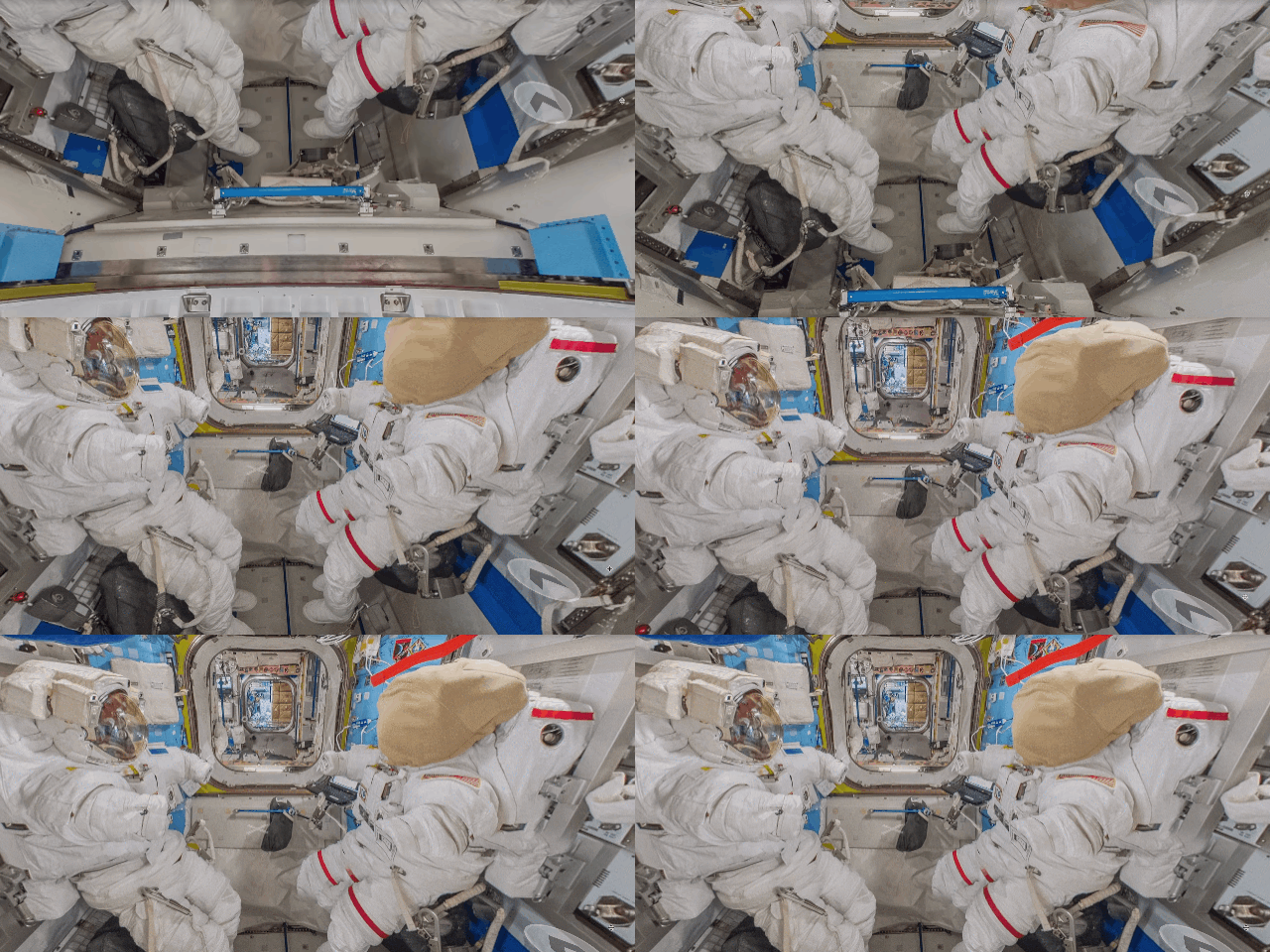
The ISS Street View experience is a 360-degree virtual tour of the International Space Station, available through Google Maps and Google Arts & Culture. Instead of walking down a sidewalk, you move through modules, laboratories, crew quarters, storage areas, exercise spaces, and observation zones inside the orbiting laboratory.
Google launched the project in 2017, making it the first Street View imagery captured beyond planet Earth. The images were collected by Thomas Pesquet, a European Space Agency astronaut who spent six months aboard the ISS as a flight engineer. Since Google’s normal Street View cars are not exactly designed for zero gravityshocking, I knowthe team had to invent a new way to capture the station’s interior.
Instead of using a rolling camera rig, Pesquet took still photographs with DSLR cameras and equipment already aboard the station. Those images were sent back to Earth and stitched into panoramic views. The process sounds simple until you remember that the ISS has no true “floor,” every wall is covered with equipment, and the photographer is floating.
Why Google Street View on the ISS Matters
At first, a virtual tour of the ISS may sound like a fun internet novelty. And it is fun. It is also much more than that. This project gives the public a rare look inside a working space laboratory that most people will never visit in person.
The International Space Station is not a movie set or a futuristic hotel with mood lighting. It is a real research facility, operated through an international partnership involving multiple space agencies. Astronauts live and work there continuously, conducting experiments in microgravity, maintaining station systems, exercising to protect their health, and observing Earth from a perspective most of us only see in documentaries.
Google Street View turns that reality into something accessible. Students can explore the station from a classroom. Space fans can inspect modules at their own pace. Parents can show kids where astronauts sleep, eat, work out, and conduct science. Even casual browsers can understand one big truth very quickly: space exploration is not abstract. It is built from wires, handles, laptops, racks, labels, Velcro, and people doing difficult work in a place that refuses to keep anything where you left it.
How to Explore the ISS on Google Street View
Exploring the ISS is straightforward. Search for the International Space Station Street View experience through Google Maps, Google Street View, or Google Arts & Culture. Once inside, you can click through different station modules and rotate the view in every direction.
Start with the Cupola
The Cupola is one of the most famous areas of the ISS, and it is a perfect first stop. This seven-window observation module gives astronauts a sweeping view of Earth, visiting spacecraft, and station operations. In photos and videos, the Cupola often looks like the space version of a bay windowif your bay window looked down on continents, oceans, hurricanes, city lights, and the curve of the planet.
In Street View, the Cupola helps you understand why astronauts often describe Earth from space as life-changing. You are not simply looking at scenery. You are looking at the home address of everyone who has ever forgotten their password, argued about pizza toppings, or wondered whether aliens would find us charming or exhausting.
Move Through the Laboratory Modules
After the Cupola, explore the station’s laboratory spaces. The U.S. Destiny laboratory is one of the main research areas. It supports experiments related to human health, physical science, biology, technology development, and preparation for future missions. On Street View, it looks less like a spotless sci-fi hallway and more like the world’s most expensive, most organized, and most Velcro-dependent science workshop.
You may also encounter areas connected to international laboratories such as Japan’s Kibo module and Europe’s Columbus laboratory. These modules remind visitors that the ISS is not just an American project. It is a global platform where countries combine engineering, research, money, ambition, and a healthy tolerance for acronyms.
Look for Everyday Life Details
One of the best parts of exploring the ISS on Google Street View is noticing small details. You can see laptops strapped into place, bags secured to walls, handrails everywhere, storage containers, food preparation zones, and exercise equipment. These details make space feel real.
On Earth, if you set down a spoon, it stays on the table unless a cat gets involved. On the ISS, a spoon can float away. The same goes for pens, socks, tools, snacks, and possibly your dignity if you are new to microgravity. That is why the station is full of attachment points, straps, clips, and labels. Organization is not a lifestyle choice in orbit; it is survival with better labeling.
What You Can Learn Inside the Virtual ISS
The ISS Street View tour works because it combines curiosity with context. Google added annotations to the imagery, giving users helpful notes about what they are seeing. These labels explain where astronauts exercise, where they conduct research, what equipment does, and how different station areas function.
The ISS Is a Home
The International Space Station is a laboratory, but it is also a home. Astronauts sleep, eat, brush their teeth, call family, take photos, and follow daily schedules. They do not drift around all day playing space tag, although one hopes someone has at least considered it during a quiet weekend.
Crew members have sleeping quarters that are more like compact personal cabins than bedrooms. Since there is no “up” or “down” in the usual sense, astronauts can sleep attached to a wall. The important thing is that they are secured, ventilated, and not floating into equipment like a confused balloon.
The ISS Is a Gym
Astronauts exercise regularly because microgravity affects muscles and bones. Without the normal load of gravity, the body changes. Exercise helps crew members maintain strength and prepare for return to Earth. On Street View, exercise equipment may look unusual because it has to work in weightlessness. A treadmill in space is not simply a treadmill. It needs restraints so the astronaut does not jog gracefully into the ceiling.
The ISS Is a Science Platform
The station supports research that cannot be done the same way on Earth. Microgravity allows scientists to study physical and biological processes without the constant influence of gravity-driven effects. Research aboard the ISS has contributed to studies involving human health, microbes, materials, fluids, plant growth, Earth observation, and technology development.
This is one reason the ISS Street View tour is useful for education. It shows that space research is not just about distant planets. It also helps scientists ask practical questions: How does the human body adapt? How do cells behave? Can materials form differently? How can life support systems become more reliable? What can Earth observation from orbit teach us about weather, oceans, land, and environmental change?
Why the ISS Looks So Complicated
If you enter the Street View tour expecting sleek white corridors and dramatic lighting, prepare for a charming shock. The ISS is packed. Cables run across surfaces. Equipment racks line the modules. Bags and supplies are attached in every available spot. There are labels everywhere because when your workplace orbits Earth every 90 minutes, “I think I left it over there” is not a great inventory system.
The station looks complicated because it is complicated. It has been assembled over many years, module by module, mission by mission. It includes laboratories, docking ports, living areas, robotic systems, solar arrays, storage platforms, and life support systems. It must provide air, water, power, communication, temperature control, waste management, research capability, and emergency protection in one of the most unforgiving environments humans have ever tried to make cozy.
That complexity is part of the beauty. The ISS is not beautiful like a luxury hotel. It is beautiful like a machine that should be impossible but works anyway.
The Best Things to Notice While Exploring
1. The Handrails
Handrails are everywhere because astronauts move by pulling and pushing themselves through modules. In microgravity, your hands become your transportation system. It is less “walking through the office” and more “gently launching yourself toward the next laptop.”
2. The Labels
Labels are not decoration. They help crew members quickly identify equipment, storage, emergency tools, experiment hardware, and personal supplies. When everything can be mounted on any surface, labels become the station’s quiet heroes.
3. The Cables
The ISS is full of cables because experiments and station systems need power, data, and communication connections. The result can look visually chaotic, but it reflects a working laboratory that has evolved over time.
4. The Exercise Equipment
Exercise gear is one of the most human parts of the tour. It reminds you that astronauts are not floating superheroes immune to biology. They are highly trained people carefully managing the effects of space on the body.
5. The View of Earth
Even in a virtual tour, the idea of the view is powerful. The ISS orbits Earth repeatedly each day, giving astronauts a changing look at oceans, deserts, mountains, storms, cities, and sunrise after sunrise. It is difficult to explore the station without thinking differently about the planet below.
How Teachers, Students, and Families Can Use the Tour
The ISS on Google Street View is a strong educational tool because it transforms space science from “something in a textbook” into a place students can examine. Teachers can use it to introduce physics, engineering, biology, geography, environmental science, and international cooperation.
For younger students, the tour can begin with simple questions. Where do astronauts sleep? How do they exercise? Why are things strapped down? Why are there so many computers? For older students, the conversation can go deeper. How does microgravity affect research design? Why is international collaboration important? What engineering problems must be solved before humans travel farther into deep space?
Families can use it as a weekend activity that does not require tickets, parking, snacks, or someone asking, “Are we there yet?” You are already there. Sort of. You are virtually floating through humanity’s orbital laboratory from a couch, which is a very underrated form of space travel.
Why This Virtual Trip Still Feels Inspiring
Digital experiences can sometimes feel flat, but the ISS Street View tour has emotional weight because it reveals a real place where real people live and work. It is not polished into fantasy. It is practical, crowded, technical, and deeply human.
You see evidence of cooperation everywhere. The ISS exists because nations, agencies, engineers, astronauts, scientists, and support teams built something together that no single person could create alone. In a world that often feels divided, the station is a reminder that collaboration can produce astonishing results.
The tour also makes space feel closer. Not easy, not casual, not “pack a weekend bag and go” closebut closer in imagination. It helps people understand why exploration matters. Curiosity is not just about going somewhere new. It is about seeing familiar things differently after you return.
Experiences Related to Exploring the ISS on Google Street View
The first time you explore the ISS on Google Street View, the experience may feel slightly disorienting. On Earth, Street View teaches your brain to expect roads, buildings, sidewalks, and maybe a blurry dog. On the ISS, there is no sidewalk. There is no road. There is not even a reliable sense of which direction is “up.” You click forward and suddenly realize you are moving through a tube-shaped laboratory where every surface can be a wall, floor, or ceiling depending on your mood and momentum.
That disorientation is actually one of the best parts. It gives you a tiny hint of how different life in orbit must feel. You begin to notice that the station is designed around movement, access, and restraint. Handrails become pathways. Bags become wall-mounted furniture. Computers appear in places where, on Earth, you might expect a cabinet or window. The more you look, the more the station starts to make sense.
One rewarding way to experience the tour is to explore slowly. Instead of clicking through quickly, stop in each module and rotate the view. Look for labels, laptops, storage bags, experiment racks, and personal items. Try to imagine completing an ordinary task there. How would you make breakfast? Where would you put a water pouch? What would happen if you sneezed while holding a tablet? These small questions make the station feel less like a machine and more like a place where people solve tiny practical problems all day long.
Another useful experience is comparing the ISS tour with other virtual travel destinations. Explore a museum, a national park, or a famous city street, then visit the ISS. The contrast is hilarious and humbling. Earth locations are organized around gravity. Doors, stairs, shelves, and signs all assume humans are standing upright. The ISS rejects that assumption completely. It is a reminder that design is never universal; it depends on environment. Change gravity, and suddenly every ordinary object needs a rethink.
The tour is also a great spark for nighttime skywatching. After exploring the station virtually, step outside on a clear evening and try to spot the ISS passing overhead using a station-tracking tool. Seeing that bright point move across the sky feels different after you have looked inside. It is no longer just a dot. It is a home, a lab, a gym, a storage maze, an engineering masterpiece, and a workplace full of people orbiting Earth at tremendous speed.
For space fans, the experience can become a gateway into deeper learning. After the Street View tour, you may want to watch astronaut videos, read about current ISS research, learn how cargo vehicles dock, or explore how future commercial space stations may replace parts of today’s low Earth orbit infrastructure. The virtual tour does not answer every question. It does something better: it makes you curious enough to ask more.
And for anyone who simply needs a five-minute escape from regular life, the ISS tour delivers. You can leave behind traffic, emails, laundry, and that one drawer full of mystery cables, then float through an orbital laboratory. You return to your day with a strange mix of wonder and gratitude. The planet feels a little smaller, human creativity feels a little larger, and your messy desk suddenly looks less intimidating. At least it is not messy in microgravity.
Conclusion
Exploring the ISS on Google Street View is one of the easiest ways to experience space without leaving Earth. It combines the wonder of orbit with the practical reality of daily astronaut life. You can move through laboratories, peek into work areas, study equipment, and imagine what it takes to live in a place where everything floats and every object needs a plan.
The tour is fun, educational, and surprisingly personal. It shows that the International Space Station is not just a symbol of science. It is a real human environment built through international cooperation, maintained through constant work, and used to answer questions that matter far beyond orbit. Whether you are a student, teacher, space enthusiast, parent, or professional procrastinator with excellent taste, the ISS on Google Street View is worth exploring.
Note: This article is based on real public information about Google Street View’s ISS project, NASA’s International Space Station resources, ESA astronaut Thomas Pesquet’s mission experience, and space education references. No source links are inserted in the article body, as requested.