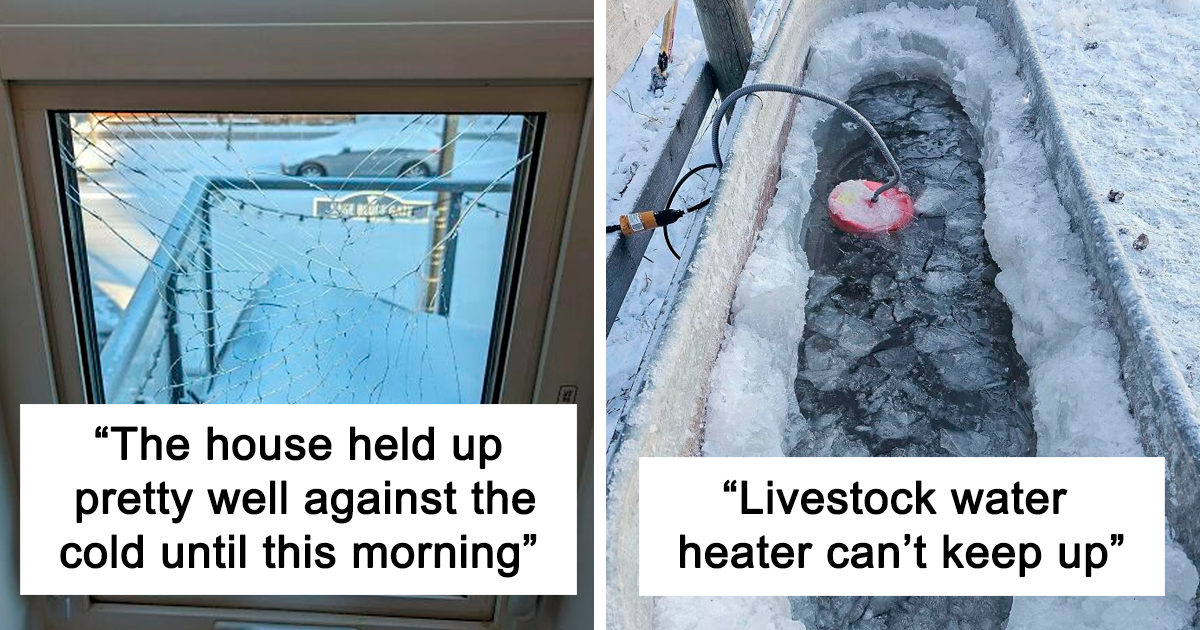
Canada in winter does not simply “get cold.” Canada in winter occasionally looks at the freezer aisle, laughs politely, and says, “Cute.” When temperatures sink so low that eyelashes grow frost, towels stiffen into sleds, car doors become ice sculptures, and thermometers appear to file formal complaints, people naturally reach for their phones. That is how the internet ends up with a parade of chilly pics showing just how dramatic, beautiful, inconvenient, and downright ridiculous Canadian winter can be.
This season’s viral cold-weather images capture more than snowbanks and frozen windows. They show daily life in a country where winter can turn ordinary objects into science experiments. A wet towel can freeze solid. Hot water can become vapor in midair. A driveway can disappear under a wall of snow. Even a refrigerator can seem warmer than the outside world. These photos are funny at first glance, but they also reveal something deeper: Canadian cold is not just a weather condition; it is a full-contact lifestyle.
Below, we break down what these 30 chilly pics say about Canada’s extreme winter weather, why the cold can become so intense, how people adapt, and why the internet cannot resist a good frozen-eyelash photo.
Why Canadian Winter Looks So Extreme in Photos
Canadian winter photographs often go viral because they show cold in a way numbers cannot. A forecast reading of -40 degrees sounds serious, but a photo of a person’s eyelashes crusted in ice says, “Your face has entered survival mode.” A weather alert may warn of dangerous wind chills, but a picture of clothing frozen upright on a porch makes the message unforgettable.
Part of the drama comes from geography. Canada stretches deep into the Arctic and across enormous prairie, mountain, forest, lake, and coastal regions. That means winter does not behave the same way everywhere. Vancouver may deal with damp chill and rare snow chaos, while Calgary can swing from bitter cold to chinook warmth. Winnipeg, Edmonton, Saskatoon, Yellowknife, and many northern communities know temperatures that can make exposed skin sting within minutes. In the East, snowstorms can arrive with heavy moisture, freezing rain, and winds that turn sidewalks into polished glass.
Another reason these pictures hit so hard is contrast. Many of the images show familiar daily objects behaving in unfamiliar ways: a car buried to the roof, a door sealed shut by snow, a kettle producing a cloud that vanishes into ice crystals, or a thermometer pushed past its comfortable little job description. The human brain enjoys surprises. Canadian winter supplies them in bulk, usually before breakfast.
The Science Behind the Deep Freeze
Extreme Canadian cold is often tied to Arctic air masses, jet stream patterns, and the polar vortex. The polar vortex is a broad zone of low pressure and cold air that normally sits around the polar regions. During winter, it strengthens and can expand or become distorted. When the jet stream dips or becomes wavy, frigid Arctic air can spill south into Canada and sometimes into the United States.
That does not mean every cold day is caused by the polar vortex. Winter weather is a team sport. Storm tracks, high-pressure systems, snow cover, lake effects, wind direction, and local geography all matter. Still, when a powerful Arctic outbreak settles over Western Canada or the Prairies, temperatures can tumble quickly. Add wind, and the body loses heat faster, which is why wind chill can make a cold day feel much more dangerous than the thermometer alone suggests.
Wind chill is especially important because it measures how cold the air feels on exposed skin. A still -10 degree day and a windy -10 degree day are not the same experience. One is unpleasant. The other feels like winter has hired a tiny invisible army to slap your cheeks. In severe cold, frostbite and hypothermia become real risks, particularly for people who are outdoors too long, underdressed, wet, or unable to find shelter.
What the 30 Chilly Pics Usually Show
The best Canadian winter photos fall into a few wonderfully frosty categories. Each one tells a different part of the cold-weather story.
1. Frozen Hair, Beards, and Eyelashes
Few images say “Canada is cold” like a person stepping indoors with eyebrows that look freshly dipped in powdered sugar. Frost forms when moisture from breath meets extremely cold air and freezes on nearby hair. Eyelashes, beards, scarves, and hat brims become tiny ice collectors. The result is both alarming and oddly fashionable, as if winter launched a beauty line called Subzero Glam.
2. Hot Water Turning Into a Cloud
Another classic winter image shows someone tossing hot water into the air and watching it explode into vapor and ice crystals. It looks magical, but it should be done with caution. If the air is not cold enough, or if the wind shifts, the person can get burned. The photo may look like a harmless winter trick, but safety deserves the front-row seat.
3. Cars Buried, Frozen, or Refusing to Participate
Cars are frequent victims of Canadian winter. Snow can bury them overnight. Ice can seal doors shut. Batteries can weaken. Windshields can turn into frosted puzzles. Some drivers keep scrapers, booster cables, blankets, washer fluid, and emergency kits in the vehicle because winter driving is not the moment for optimism without supplies.
4. Doors Blocked by Snow
A dramatic snowdrift against a front door is funny online and deeply annoying in real life. Heavy snow combined with wind can pile up in strange places, leaving people to shovel their way out before they can shovel anything else. It is the winter equivalent of the house saying, “Today, we stay home.”
5. Everyday Items Frozen Solid
Frozen towels, frozen pants, frozen soap bubbles, frozen eggs, frozen drinks, and frozen pet water bowls all appear in winter photo collections. These images work because they make cold visible. A person cannot photograph “air temperature” very well, but a towel standing upright like a cardboard cutout? That gets the message across.
6. Landscapes That Look Like Another Planet
Not every chilly picture is chaotic. Some are stunning. Snow-covered pines, icy lakes, frost-coated fences, frozen waterfalls, and glowing winter sunsets make Canada look cinematic. The cold can be harsh, but it can also polish the world into something quiet and silver. That beauty is part of why Canadians both complain about winter and keep photographing it.
Canada’s Winter Humor Is a Survival Tool
One reason these chilly pics spread so widely is that Canadians often respond to extreme weather with humor. A frozen towel becomes a toboggan. A fridge outside becomes “the warm place.” A thermometer reading below anything reasonable becomes a personality test. The jokes are not just for entertainment; they are a form of weather resilience.
When winter is long, humor helps people cope. It turns inconvenience into a shared story. Nobody enjoys scraping ice off a windshield while their fingers question their life choices, but posting a picture with a good caption can turn misery into community. Suddenly, thousands of people are laughing, sympathizing, or saying, “That happened to me in Manitoba, except my shovel froze to the porch.”
This is why cold-weather content feels different from ordinary travel photography. It is not only about scenery. It is about endurance, adaptation, and the small absurdities of living in a place where nature occasionally behaves like a strict gym teacher.
How Canadians Actually Prepare for Brutal Cold
The funny photos are real, but so is the preparation behind them. People who live in cold regions know that winter comfort starts before winter arrives. Homes need insulation, heating systems, sealed windows, and emergency supplies. Drivers prepare vehicles with winter tires, antifreeze, strong batteries, and snow brushes. Parents learn the art of dressing children in so many layers that they resemble cheerful laundry piles.
Layering matters because it traps warm air and helps manage moisture. A smart winter outfit usually includes a base layer, insulating layer, wind-resistant outer layer, warm socks, gloves or mittens, a hat, and face protection when conditions become severe. Mittens often outperform gloves because fingers stay warmer together, proving once again that teamwork is important, even for knuckles.
People also adapt routines. They plug in block heaters, check road reports, leave extra commute time, shovel roofs when needed, protect pets, and keep indoor humidity under control to reduce frost buildup. In many communities, neighbors help one another dig out after storms. That social side of winter rarely gets as much attention as the funny photos, but it is one of the reasons people get through the harshest weeks.
The Safety Side Behind the Viral Photos
Extreme cold can be beautiful, but it is not a joke when exposure lasts too long. Frostbite can affect fingers, toes, ears, cheeks, and noses. Hypothermia can happen when the body loses heat faster than it can produce it. Wind, wet clothing, exhaustion, and lack of shelter increase the danger.
That is why the most important winter rule is simple: respect the cold. Take weather warnings seriously. Avoid unnecessary travel during blizzards or severe wind chills. Keep skin covered. Bring pets indoors. Check on older neighbors, people with disabilities, and anyone who may have trouble heating their home. Charge devices before storms. Keep flashlights, blankets, water, food, and medications available in case power is interrupted.
And yes, enjoy the photos. Laugh at the frozen pants. Admire the ice-coated trees. Share the picture of the snowbank taller than the mailbox. Just remember that behind every viral winter image is a real environment that demands planning.
Why the Internet Loves Canadian Winter Pictures
Canadian winter pictures travel well online because they combine surprise, beauty, and relatability. People in warm places look at them with disbelief. People in cold places nod knowingly. People who have never experienced a true Arctic blast may think the pictures look exaggerated, while Canadians respond, “Actually, that was Tuesday.”
The images also satisfy curiosity. What does -40 feel like? What happens to hot water outside? Can a beard really freeze? Can snow block an entire door? The photos answer these questions instantly. They are visual proof that winter can transform the ordinary world into a laboratory.
There is also a comforting element. Extreme-weather photos remind viewers that people can adapt to difficult conditions. Schools may close, roads may slow, and power grids may strain, but communities keep going. Someone shovels. Someone checks on livestock. Someone clears a sidewalk. Someone posts a joke so everyone else can laugh for a minute before putting on another pair of socks.
Thirty Chilly Pics, One Big Lesson
The most memorable photos from Canada’s cold winter are not just “look how cold it got” images. They are snapshots of problem-solving. A frozen towel becomes a sled. A blocked driveway becomes a neighborhood conversation. A frost-covered face becomes proof of a morning walk completed. A thermometer at -44 degrees becomes a badge of survival.
These pictures also remind us that winter is uneven. One region may be trapped under extreme cold while another experiences a milder spell. Climate change does not eliminate cold snaps; it changes patterns, risks, averages, and extremes in complicated ways. A warming world can still produce dangerous Arctic outbreaks, heavy snow events, freezing rain, and sudden temperature swings.
That complexity is why photos matter. They capture the lived experience of weather. Data explains the system, but images show what it feels like when the system arrives at your front door wearing ice boots.
Extra Experiences: What It Feels Like to Live Through Cold Like This
Experiencing a Canadian deep freeze is hard to understand until the cold changes the rules of ordinary life. The first surprise is the sound. Snow squeaks under boots when the temperature drops low enough. Car doors creak differently. The air itself seems sharper. Even a short walk to the mailbox can feel like an expedition requiring gloves, a hat, a zipped coat, and the emotional courage of a mountain climber.
Mornings during extreme cold have their own ritual. You check the forecast before you check your messages. You listen for the furnace. You look out the window to see whether the car is visible, buried, or wearing a decorative shell of ice. If you drive, you start early. The windshield needs scraping, the steering wheel feels like a frozen artifact, and the seat is so cold it briefly makes you question every decision that led to this commute.
Then there is the strange comedy of breathing outside. Scarves become damp from your breath, then stiff. Eyelashes collect frost. Glasses fog up the moment you step indoors, leaving you temporarily blind in the grocery store while pretending this is normal. People greet one another with weather updates instead of small talk. “Cold enough for you?” becomes less of a joke and more of a community password.
At home, winter changes priorities. A warm drink becomes a luxury item. Thick socks become emotional support clothing. The entryway fills with boots, mittens, hats, and coats in various stages of drying. Windows may frost at the edges. Pets hesitate at the door, reconsidering their entire relationship with the outdoors. Even the dog, normally brave and enthusiastic, may step outside, lift one paw, and look back as if to say, “Absolutely not.”
But the cold also creates moments of wonder. Streetlights glow through falling snow. Trees sparkle after freezing fog. Fresh snow softens the sound of traffic until the neighborhood feels paused. On clear nights, the stars can look astonishingly bright. In northern places, the aurora may sweep across the sky like winter decided to apologize with special effects.
The best part is the shared resilience. Neighbors push cars out of snowbanks. Someone lends a shovel. Someone brings in groceries for an older resident. People complain, laugh, adapt, and continue. That is what the 30 chilly pics really capture. They are not only images of frozen towels and icy eyelashes. They are proof that when winter gets dramatic, people get practical, creative, and very, very funny.
Conclusion
Canada’s coldest winter moments can look unbelievable, but that is exactly why people keep sharing them. The 30 chilly pics show frozen hair, snow-buried homes, iced-over cars, and landscapes that seem borrowed from another planet. They are funny, beautiful, and occasionally a little intimidating. More importantly, they reveal how people adapt when the weather becomes extreme.
From Arctic air outbreaks to wind chill warnings, Canadian winter is a reminder that nature still has the final word. Yet the human response is just as memorable: layer up, shovel out, check on your neighbors, take the photo, and make the joke before your phone battery gives up in the cold.