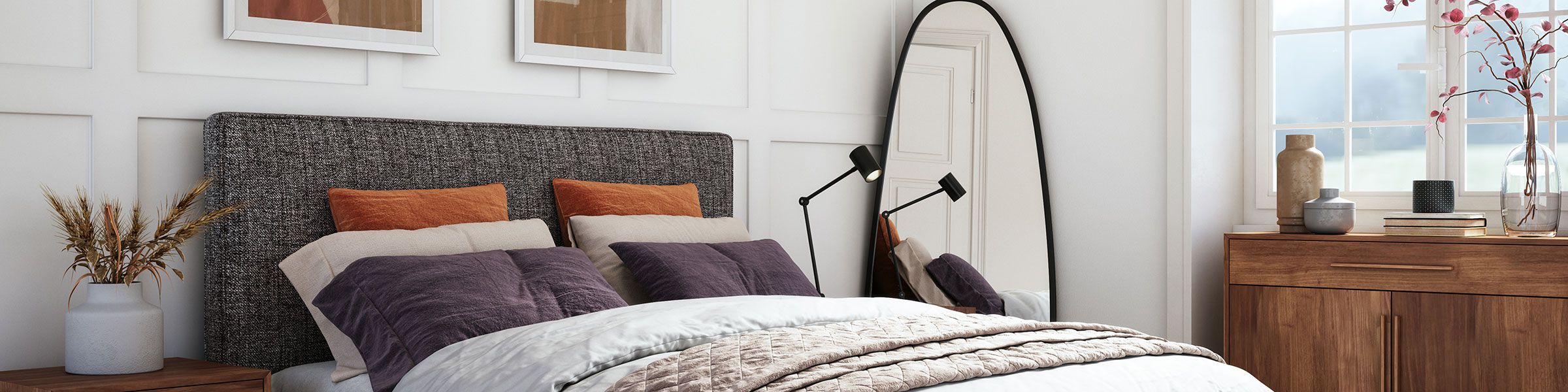
Your bedroom should do at least three things well: help you relax, reflect your personality, and avoid looking like a furniture showroom where nobody is allowed to sit. That is the magic of understanding bedroom decorating styles. When you know the language of design, picking paint, bedding, lighting, furniture, and wall decor gets a whole lot easier. Instead of buying random “cute things” and hoping they magically become a theme, you create a room that feels intentional, comfortable, and very you.
From modern minimalism to cozy cottage charm, bedroom decorating styles offer different moods, textures, and visual rhythms. Some people want a clean, serene retreat with barely visible clutter. Others want layers, color, pattern, personality, and a dramatic headboard that says, “Yes, I do have excellent taste, thanks for noticing.” The good news is that there is no single right answer. The best bedroom style is the one that fits how you actually live.
In this guide, we will break down popular bedroom decorating styles, explain what defines each one, and help you choose the look that suits your space, budget, and daily habits. Whether you are styling a tiny guest room, reworking a primary suite, or simply trying to stop your bedroom from looking like an accidental storage unit with pillows, you are in the right place.
Why Bedroom Decorating Style Matters
A bedroom is one of the most personal rooms in a home. It is where color, lighting, textiles, layout, and furniture all work together to shape how the room feels. A well-defined decorating style helps you make better decisions. It narrows your choices, creates visual harmony, and prevents common mistakes like mixing ten trends in one room or buying furniture that looks great online but fights with everything else in real life.
Style also affects function. A minimalist bedroom often works well for people who crave calm and low visual noise. A traditional bedroom can feel comforting and timeless. A bohemian room may suit someone who loves travel, collected decor, and a more relaxed atmosphere. The point is not to decorate for strangers on the internet. The point is to create a retreat that feels restful and lived-in, not staged within an inch of its life.
Popular Bedroom Decorating Styles to Know
1. Modern Bedroom Style
Modern bedroom decorating style is defined by clean lines, simple shapes, and a restrained color palette. Think low-profile beds, sleek nightstands, uncluttered surfaces, and a layout that feels open rather than crowded. Common colors include white, black, gray, taupe, and muted earth tones, often paired with wood, metal, or glass accents.
The trick to keeping a modern bedroom from feeling cold is texture. Crisp bedding, a soft area rug, upholstered headboards, linen curtains, and subtle layered lighting make the room feel calm instead of clinical. A modern bedroom works especially well in apartments, new builds, and smaller spaces where simplicity helps the room breathe.
2. Minimalist and Japandi Bedroom Style
Minimalist bedrooms take modern style one step further. There is less furniture, less ornament, and less visual clutter. Every item earns its place. That does not mean the room has no personality. It means the personality comes from intentional choices rather than quantity.
Japandi style, a blend of Japanese and Scandinavian design, has become especially popular because it combines simplicity with warmth. Expect pale woods, soft neutrals, handmade ceramics, natural fibers, gentle curves, and a strong sense of calm. A Japandi bedroom often feels like a deep exhale after a long day.
This style is perfect for people who sleep better in spaces that look organized and feel quiet. It also works beautifully when you want your bedroom to double as a reset button for your brain.
3. Traditional Bedroom Style
Traditional bedroom decorating style leans classic, balanced, and polished. You will often see symmetrical nightstands, tailored bedding, elegant lamps, warm wood furniture, and a soothing palette of creams, blues, greens, or soft neutrals. Architectural details like molding, paneled walls, and upholstered headboards fit naturally here.
Traditional style is not about making your room look like a museum. The best version feels timeless rather than stuffy. You can modernize it with simpler bedding, fresher paint colors, or a statement light fixture. If you love order, comfort, and pieces that still look good years later, traditional style is a strong choice.
4. Farmhouse and Rustic Bedroom Style
Farmhouse bedrooms are cozy, familiar, and full of tactile comfort. Rustic variations add more raw wood, stone, aged finishes, and natural texture. Common features include wood beams, shiplap or paneled walls, vintage-inspired furniture, woven baskets, quilted bedding, and soft, earthy colors.
The modern farmhouse version is cleaner and lighter than the early “everything must be distressed” era. Instead of filling the room with themed signs and decorative chickens who seem too emotionally invested in your sleep schedule, focus on warm woods, crisp white bedding, black accents, and a few vintage touches.
This style works well in suburban homes, cottages, cabins, and any bedroom where warmth matters more than sharp-edged perfection.
5. Coastal Bedroom Style
Coastal bedroom style is airy, relaxed, and breezy without needing to scream “beach souvenir shop.” The best coastal rooms rely on soft blue, sand, white, driftwood, sea glass, and woven texture rather than obvious nautical props. Natural light is a major player here, along with lightweight fabrics, light wood finishes, and a sense of openness.
A coastal bedroom often feels especially good in smaller spaces because the palette helps the room feel brighter. If you love calm color schemes and an easygoing atmosphere, this style creates a retreat that feels fresh year-round.
6. Bohemian Bedroom Style
Bohemian bedroom decorating style is layered, artistic, and expressive. It mixes pattern, texture, color, and collected objects in a way that looks personal rather than polished to death. You might see cane furniture, vintage rugs, global textiles, plants, macrame, low lighting, and mismatched decor that somehow still works together.
The secret to a good boho bedroom is editing. Without some restraint, boho can quickly drift into visual chaos. Pick a color story, repeat materials like rattan or linen, and let a few standout pieces do the heavy lifting. A bohemian bedroom should feel soulful and relaxed, not like your closet exploded decoratively.
7. Glam Bedroom Style
Glam bedrooms bring in luxury through plush textures, elegant silhouettes, reflective surfaces, and a bit of drama. Think velvet headboards, metallic accents, mirrored furniture, statement chandeliers, rich drapery, and layered bedding that practically begs for a lazy Sunday morning.
Color palettes range from blush and ivory to charcoal, navy, jewel tones, and creamy neutrals. The best glam bedrooms balance shine with softness, so the room feels inviting instead of flashy. If you want your bedroom to feel like a boutique hotel with excellent lighting, glam may be your lane.
8. Eclectic Bedroom Style
Eclectic bedrooms mix styles on purpose. This is where vintage meets modern, traditional meets global, and minimalist meets one dramatic wallpaper choice that somehow steals the show. Eclectic style works best when there is a common thread, such as repeated colors, similar wood tones, or a consistent mood.
People often mistake eclectic for random. Real eclectic design still has structure. The room needs a focal point, a clear palette, and enough negative space to let the interesting pieces breathe. Done well, an eclectic bedroom feels deeply personal and impossible to copy exactly, which is part of its charm.
How to Choose the Right Bedroom Style for Your Space
Start with how you want the room to feel. Calm? Cozy? Airy? Romantic? Tailored? Collected? Mood should guide style more than trend reports. Then consider your architecture. A historic home may naturally support traditional, cottage, or eclectic layers. A newer condo may look best with modern, minimalist, or contemporary elements.
Next, look at the room itself. Small bedrooms usually benefit from lighter visual weight, smart storage, fewer bulky pieces, and careful lighting. Dark colors can still work in a small bedroom, but they tend to look best when the whole room commits to the mood with rich textures and intentional contrast. If your room gets little natural light, warm neutrals, soft greens, muted blues, and layered lighting can help it feel restful instead of gloomy.
Also think about maintenance. If you love the look of a serene minimalist bedroom but actually collect books, extra blankets, skincare, chargers, and the occasional mystery chair that holds tomorrow’s clothes, you may need a style that allows for more visible life. That is not failure. That is honest decorating.
Core Elements That Shape Every Bedroom Style
Color Palette
Color does the emotional heavy lifting in a bedroom. Soft neutrals feel calm. Blue and green often feel soothing. Earthy tones feel grounded. Deep shades like olive, charcoal, navy, or aubergine can create a cocoon effect when balanced with texture and soft lighting.
Bed and Headboard
The bed is the star of the room, so its shape matters. A sleek platform bed supports modern style. An upholstered headboard suits traditional, glam, and transitional rooms. Wood frames pair beautifully with farmhouse, coastal, rustic, and Japandi looks.
Lighting
Good bedroom lighting is never just one overhead fixture doing all the work like an exhausted stage manager. Use layers: overhead light, bedside lamps or sconces, and maybe accent lighting for softness. Lighting changes the room’s mood more than people expect.
Textiles and Texture
Bedding, curtains, rugs, and throws are where style becomes tangible. Linen feels relaxed. Velvet feels luxe. Quilts can feel classic or cottage-inspired. Boucle, wool, woven grass, cotton, and washed fabrics all bring comfort and dimension. Even the most minimal bedroom benefits from texture.
Art and Personal Touches
A bedroom should not feel generic. Art, meaningful objects, books, family heirlooms, framed photos, or a favorite vintage lamp give the room identity. The goal is personality, not clutter. Choose pieces that say something about you, not just what an algorithm thinks “goes” with beige.
Common Bedroom Decorating Mistakes to Avoid
One of the biggest mistakes is buying everything as a matching set. Perfectly matched furniture can make a bedroom feel flat and impersonal. A better approach is to mix pieces that relate without being identical. Another common problem is ignoring scale. Tiny lamps next to a tall headboard or an oversized bed in a cramped room will throw off the whole design.
Poor lighting, too many decorative pillows, wall art hung too high, and a lack of storage are also repeat offenders. So is choosing a trendy style without asking whether you will still enjoy it after six months. Trends are useful for inspiration, but bedrooms work best when they feel personal, layered, and livable.
Real-Life Experiences With Bedroom Decorating Styles
One of the most interesting things about bedroom decorating styles is what happens after people actually live with them. On paper, a style may sound perfect. In real life, the room either supports your routines or quietly irritates you every single day.
For example, many people fall in love with minimalist bedrooms because the photos look peaceful and polished. Then they move in and realize they still need places for chargers, books, water glasses, lip balm, and that one cardigan they swear they are definitely putting away later. The lesson is not “minimalism is bad.” The lesson is that good minimalism depends on hidden storage and realistic habits. When the room supports everyday mess quietly, minimalist style feels calming. When it does not, it feels like a guilt trip in beige.
Farmhouse and cottage-inspired bedrooms often create the strongest emotional response because they feel warm right away. People tend to describe these rooms as comforting, soft, and welcoming. But they also learn that texture matters more than theme. A real cozy bedroom usually comes from layered bedding, wood tones, soft lighting, and timeworn character, not a pile of decorative signs telling everyone to relax. Ironically, nothing raises your blood pressure like too much decor telling you to calm down.
Those who try coastal style often say they love how easy it is to maintain visually. Light palettes, airy fabrics, and simple furniture can make the room feel fresh even when life gets busy. The downside is that if the room lacks contrast, it can drift into bland territory. The people happiest with coastal bedrooms usually add texture, subtle pattern, and a few grounding elements like weathered wood, a woven bench, or darker accents.
Bohemian bedrooms create a different kind of experience. They tend to feel deeply personal, especially for people who like collected objects, art, textiles, and travel souvenirs. The room evolves naturally over time, which makes it feel alive. But the best boho rooms are edited. People who love their bohemian bedrooms usually mention that they learned to stop adding and start curating. Once the room has a color story and a few anchor pieces, it feels creative instead of crowded.
Traditional and transitional bedrooms are often the styles people grow into. At first, some assume these rooms will feel too formal. Then they discover how timeless and restful a balanced layout can be. A tailored bed, elegant lamps, good drapery, and a refined palette often age better than trend-heavy choices. Many homeowners say these are the rooms they get tired of the least because they feel polished without demanding constant updates.
Perhaps the biggest real-world lesson is that the most successful bedroom decorating styles are rarely pure. A modern room may need vintage wood for warmth. A traditional room may need simpler bedding to feel current. A glam room may need natural texture to avoid looking stiff. Most people end up blending styles once they understand what they truly love. And honestly, that is where the best bedrooms come from: not strict design rules, but thoughtful combinations that make the room feel like home.
Final Thoughts
Bedroom decorating styles are not about fitting yourself into a design box. They are tools that help you shape a room with intention. Whether you prefer modern simplicity, cottage warmth, coastal calm, glam elegance, or eclectic personality, the goal is the same: create a bedroom that feels restful, functional, and unmistakably yours.
Start with mood, then build with color, texture, lighting, and furniture that support the way you actually live. Edit what does not belong. Add layers that feel good. And remember, the best bedroom is not the one that looks the most expensive or the most trendy. It is the one that makes you want to exhale the second you walk in.