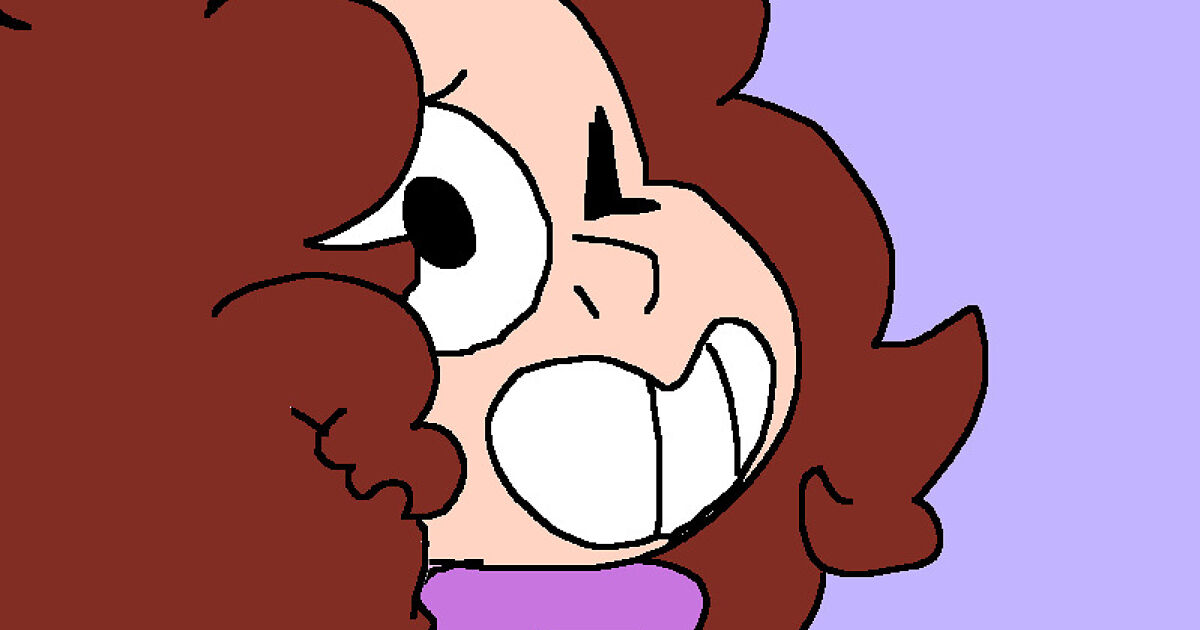
There is something wonderfully chaotic about the prompt, “Hey Pandas, draw yourself as a cartoon character.” It sounds simple at first, almost like a sleepy weekend sketchbook challenge. Then you sit down with a pencil, look in the mirror, and suddenly you are negotiating with your own forehead, arguing with your eyebrows, and wondering whether your nose has always had such main-character energy.
That is the magic of a cartoon self-portrait. It is not just about drawing a face. It is about turning your personality into shapes, colors, gestures, tiny visual jokes, and maybe a suspiciously dramatic hair swoop. Whether you are part of an online art community, a casual doodler, a digital artist, or someone whose last drawing looked like a potato wearing glasses, this challenge gives everyone permission to play.
Cartoon self-portraits sit at the intersection of identity, humor, visual storytelling, and creative confidence. Artists have used self-portraits for centuries to explore who they are, how they want to be seen, and what kind of story their face can tell. The cartoon version simply adds a wink, a rubbery line, and the freedom to exaggerate your favorite quirks without needing a museum guard nearby.
Why Drawing Yourself As A Cartoon Character Is So Addictive
A regular self-portrait can feel intimidating. It whispers, “Please capture accurate proportions and make this look like a human.” A cartoon self-portrait says, “Give yourself giant glasses, tiny boots, and a sidekick raccoon if that feels emotionally correct.” That difference matters. Cartooning lowers the pressure and raises the fun.
The best cartoon versions of people are not perfectly realistic. They are recognizable because they focus on what makes someone memorable. Maybe it is a round face, sharp cheekbones, curly hair, a permanently unimpressed expression, or the way someone always carries iced coffee like it is a sacred artifact. A cartoon character turns those details into a visual signature.
It Is About Likeness, Not Perfection
When you draw yourself as a cartoon character, you are not copying every pore, eyelash, or eyebrow hair. Thankfully, nobody needs that level of emotional surveillance. Instead, you are looking for the features that make you “you.” A good cartoon likeness might exaggerate your smile, simplify your hairstyle, or turn your everyday outfit into an instantly recognizable costume.
Think of famous animated characters. Many are built from simple shapes: circles, triangles, bean bodies, noodle arms, big eyes, tiny shoes. Yet they feel alive because their shapes support their personality. Your cartoon self can work the same way. If you are energetic, use bouncy curves and open poses. If you are sarcastic, give yourself half-lidded eyes and a perfectly timed eyebrow raise. If you are shy, draw yourself partly hiding behind a sketchbook, hoodie, or enormous cup of tea.
The Creative Power Behind A Cartoon Self-Portrait
Self-portraits have always been more than pictures of faces. They are visual answers to the question, “Who am I today?” In traditional art, self-portraiture can reveal identity, confidence, insecurity, aspiration, humor, culture, and mood. In cartoon art, all those ideas are still present, but they are wrapped in a style that feels more approachable and shareable.
A cartoon character version of yourself lets you edit reality without lying about it. You can exaggerate the parts you love, gently tease the parts you find funny, and add symbols that represent your hobbies, job, dreams, or daily survival tools. A teacher might draw herself with chalk dust clouds and superhero boots. A gamer might become a pixel knight with snack armor. A writer might become a caffeine-powered raccoon in a cardigan. Is it accurate? Spiritually, yes.
Cartoons Make Identity Easier To Explore
Drawing yourself in cartoon form can help you notice things you usually ignore. What expressions do you make most often? What colors feel like you? What objects would appear around you if your life became an animated series? These questions turn a simple drawing prompt into a small identity exercise.
For younger artists, cartoon self-portraits can build confidence because there is no single “correct” result. For adults, the process can be surprisingly refreshing. Many grown-ups stop drawing because they believe art must be impressive to be worthwhile. This prompt proves otherwise. Sometimes the best artwork is the one that makes you laugh and say, “Unfortunately, yes, that tiny gremlin with a laptop is me.”
How To Draw Yourself As A Cartoon Character
You do not need expensive tools to start. A pencil, paper, eraser, and something to color with will work. Digital artists can use Procreate, Adobe Fresco, Photoshop, Illustrator, Clip Studio Paint, Krita, Canva, or any drawing app that lets them sketch, ink, and color. The tool matters less than the idea. A brilliant cartoon can begin on a napkin during lunch.
Step 1: Study Your Face Like A Friendly Detective
Start with a mirror or a clear selfie. Look at your face as shapes rather than as “good” or “bad” features. Is your head more oval, round, square, heart-shaped, or triangular? Are your eyes large, narrow, sleepy, bright, mischievous, or permanently done with everyone’s nonsense? What is your hair doing? Is it behaving? Has it ever behaved?
Write down three to five noticeable features. These might include glasses, dimples, freckles, a strong jaw, a beard, curly hair, big eyebrows, a specific smile, or a favorite hat. Cartooning begins with observation, then chooses what to emphasize.
Step 2: Choose A Cartoon Style
Before drawing, decide what kind of animated universe you belong in. A cute chibi style will make you small, round, and adorable enough to be legally protected. A superhero comic style will give you bold lines, dramatic poses, and possibly unnecessary wind. A retro rubber-hose style can add noodle limbs and vintage charm. A modern webcomic style may use simple shapes, expressive eyes, and clean color blocks.
You can also invent your own hybrid style. Maybe your cartoon self is part cozy children’s book, part Saturday morning cartoon, part “I have three deadlines and a snack drawer.” The goal is not to copy a famous character exactly, but to borrow principles: simplification, exaggeration, silhouette, expression, and personality.
Step 3: Build Your Character From Simple Shapes
Most cartoon characters begin with basic shapes. Use a circle for the head, an oval for the body, cylinders for arms and legs, and triangles or rectangles for clothing details. Do not worry about perfect anatomy. Cartoon bodies often work because they are expressive, not because they could pass a medical exam.
Try three quick thumbnail sketches before committing. In one, make your head large and body tiny. In another, make your pose dramatic. In the third, exaggerate your most recognizable feature. These tiny sketches help you find the funniest or most accurate version before you spend time on details.
Step 4: Exaggerate One Or Two Features
Caricature works best when exaggeration is selective. If you exaggerate everything, the character may become confusing. Choose one or two features to push. If you have expressive eyebrows, make them the emotional control center of the entire drawing. If your hair is iconic, turn it into a dramatic shape. If your glasses are part of your identity, make them bold and instantly readable.
The secret is kindness. Cartoon exaggeration should feel playful, not cruel. You are not roasting yourself into dust. You are giving your personality a visual microphone.
Step 5: Add Clothing, Props, And Personality Clues
A cartoon character becomes memorable when the viewer can guess something about them at a glance. Add your usual outfit, favorite shoes, headphones, sketchbook, camera, gaming controller, plant, pet, coffee cup, backpack, or lucky hoodie. Props are storytelling shortcuts.
For example, a book lover might draw themselves with a tower of novels and a tiny dragon bookmark. A gym enthusiast might become a cheerful protein-shake warrior. A parent might become a sleep-deprived superhero with a cape made of laundry. A student might appear as a backpack turtle, slowly moving toward finals week with heroic determination.
Step 6: Pick A Pose That Says Something
A standing pose is fine, but a character pose is better. Are you jumping, slouching, pointing dramatically, hiding behind a laptop, floating in a cloud of ideas, or sprinting away from responsibilities? Your pose can reveal mood faster than text.
If you are energetic, use diagonal lines and open arms. If you are thoughtful, draw a seated pose with a tilted head. If you are chaotic, surround yourself with flying papers, snacks, sparkles, or mysterious smoke. Motion makes a cartoon feel alive.
Fun Cartoon Self-Portrait Ideas For The “Hey Pandas” Challenge
If your brain has opened a blank document and immediately left the building, try one of these ideas. The goal is to create a version of yourself that feels specific, funny, and visually clear.
1. The Everyday Hero Version
Draw yourself as the hero of your normal routine. Your superpower might be answering emails, surviving meetings, finding lost keys, making noodles at midnight, or remembering everyone’s birthday except your own passwords. Add a cape, badge, or dramatic lighting to make ordinary life look legendary.
2. The Animal Sidekick Version
Give your cartoon self a companion that reflects your personality. A sleepy cat for introverts. A golden retriever for enthusiastic friends. A judgmental pigeon for city people. A tiny panda with a clipboard for anyone who likes to pretend they are organized.
3. The Fantasy RPG Version
Turn yourself into a character class: snack mage, deadline warrior, cozy wizard, plant healer, meme bard, coffee alchemist, or spreadsheet knight. This approach works especially well because costumes, props, and poses become easy to invent.
4. The Inner Mood Version
Instead of drawing how you look, draw how you feel. Maybe you are a glowing cloud with headphones. Maybe you are a tiny dragon guarding a pile of unfinished projects. Maybe you are a calm moon-faced character watering plants. Cartooning allows emotional truth to become visible.
5. The “Animated Series Main Character” Version
Imagine your life as a cartoon show. What is the title? What is your catchphrase? What recurring problem follows you in every episode? Draw yourself as the star of that world. Add a background, logo, or episode title for extra personality.
Traditional Drawing Vs. Digital Cartoon Avatars
Today, people can draw themselves by hand, create digital illustrations, or use AI cartoon tools to explore styles quickly. Each method has advantages. Hand drawing feels personal and expressive because every imperfect line belongs to you. Digital drawing makes editing easier, especially when testing colors, layers, and clean outlines. AI tools can provide quick inspiration, but they work best when guided by strong personal details and ethical awareness.
If you use an AI cartoon generator, treat the result as a starting point rather than the whole creative journey. Add your own ideas, redraw details, adjust expressions, and avoid uploading sensitive images to tools you do not trust. Your face is personal data, not a free souvenir for the internet goblin economy.
Why Hand-Drawn Still Matters
Hand-drawn cartoon self-portraits have a special charm because the artist’s decisions are visible. A shaky line can feel energetic. A weird hand can become comedy. A lopsided smile might capture your real personality better than a polished portrait. The imperfections are not failures; they are fingerprints.
Digital polish is useful, but personality is the real currency. A simple doodle with a strong idea can be more memorable than a flawless image with no soul. In a community challenge, people usually respond to honesty, humor, and recognizable human quirks.
Common Mistakes To Avoid
The biggest mistake is trying to make the cartoon self-portrait too realistic. If every feature is carefully measured, the drawing may lose the playful energy that makes cartoons fun. Simplify boldly. Use fewer lines. Let the character breathe.
Another mistake is copying a famous cartoon style too closely. Inspiration is fine, but your goal is to create your own character, not sneak into someone else’s animation studio wearing a fake mustache. Borrow ideas about shape, expression, and movement, then make the final design personal.
Finally, avoid judging the sketch too early. Many cartoons look strange in the first five minutes. That does not mean the drawing is bad. It means it is under construction. Even professional artists create awkward drafts before the final character appears.
How To Make Your Cartoon Self-Portrait More Shareable
If you plan to post your drawing online, make it easy for viewers to understand. Use a clean background, strong silhouette, readable facial expression, and a short caption that explains the idea. For example: “Me as a cartoon character: part sleepy wizard, part snack detective.” That caption gives people a reason to smile and comment.
You can also show your process: reference photo, rough sketch, inked version, color version, final character card. Process posts often perform well because people enjoy seeing how a simple idea becomes finished art. It also encourages beginners by proving that polished drawings do not appear by magic. They evolve through messy stages, like all good things, including pancakes and group projects.
Experience Section: What It Feels Like To Draw Yourself As A Cartoon Character
The first time someone tries this challenge, the experience often begins with confidence and immediately crashes into the mirror. You think, “I know what I look like.” Then you attempt to draw your own eyes and realize your brain has been storing your face as a vague emoji. This is normal. Most people recognize faces easily but struggle to break them into drawable shapes.
A helpful experience is to start with humor instead of accuracy. Draw the version of yourself that your best friend would recognize in five seconds. Maybe it is the way you raise one eyebrow when someone says something suspicious. Maybe it is your messy bun, your hoodie, your headphones, or the fact that you always look like you are either planning a masterpiece or searching for snacks. Once you capture the attitude, the drawing starts to feel alive.
Another common experience is surprise. People often discover that their so-called “flaws” become the best parts of the cartoon. Big ears become adorable. A round face becomes instantly charming. Wild hair becomes a powerful design element. Tired eyes become comedic gold. Cartooning changes the way you see yourself because it rewards distinctiveness. The more specific the feature, the better the character.
The process can also feel oddly personal. Choosing colors, outfits, and props forces you to ask what represents you. Are you warm earth tones or neon chaos? Are you a tiny wizard, a city explorer, a space panda, a dramatic detective, or a cozy goblin in socks? These choices may seem silly, but they reveal how you imagine yourself when realism steps out of the room.
Sharing the finished drawing can be the most rewarding part. Online creative prompts work because they turn individual art into a group conversation. One person posts a cartoon version of themselves as a coffee-powered raccoon. Someone else responds with a sleepy mushroom librarian. Another person draws themselves as a superhero whose only power is finding parking. Suddenly, the comment section becomes a tiny animated universe filled with strangers being brave, funny, and weirdly honest.
For beginners, the best lesson is this: your cartoon self does not have to be “good” to be meaningful. It only has to be yours. A rough sketch with personality can make people laugh, connect, and want to try the challenge themselves. That is the heart of “Hey Pandas, draw yourself as a cartoon character.” It is not a test. It is an invitation to turn your face, habits, mood, and imagination into a character who could walk into an animated show and immediately cause charming trouble.
Conclusion
Drawing yourself as a cartoon character is more than a fun art prompt. It is a playful way to explore identity, build confidence, practice observation, and celebrate the details that make each person recognizable. The best cartoon self-portraits are not perfect copies. They are expressive little stories told through shapes, colors, poses, and personality-packed exaggeration.
So, hey Pandas, grab a pencil, tablet, marker, or suspiciously available receipt. Draw the version of yourself that feels funny, honest, dramatic, cozy, chaotic, heroic, or all of the above. Give yourself giant glasses, tiny boots, magical powers, a snack-based sidekick, or eyebrows capable of carrying an entire plot. Your cartoon character is waiting, and frankly, it has probably already rolled its eyes at you.