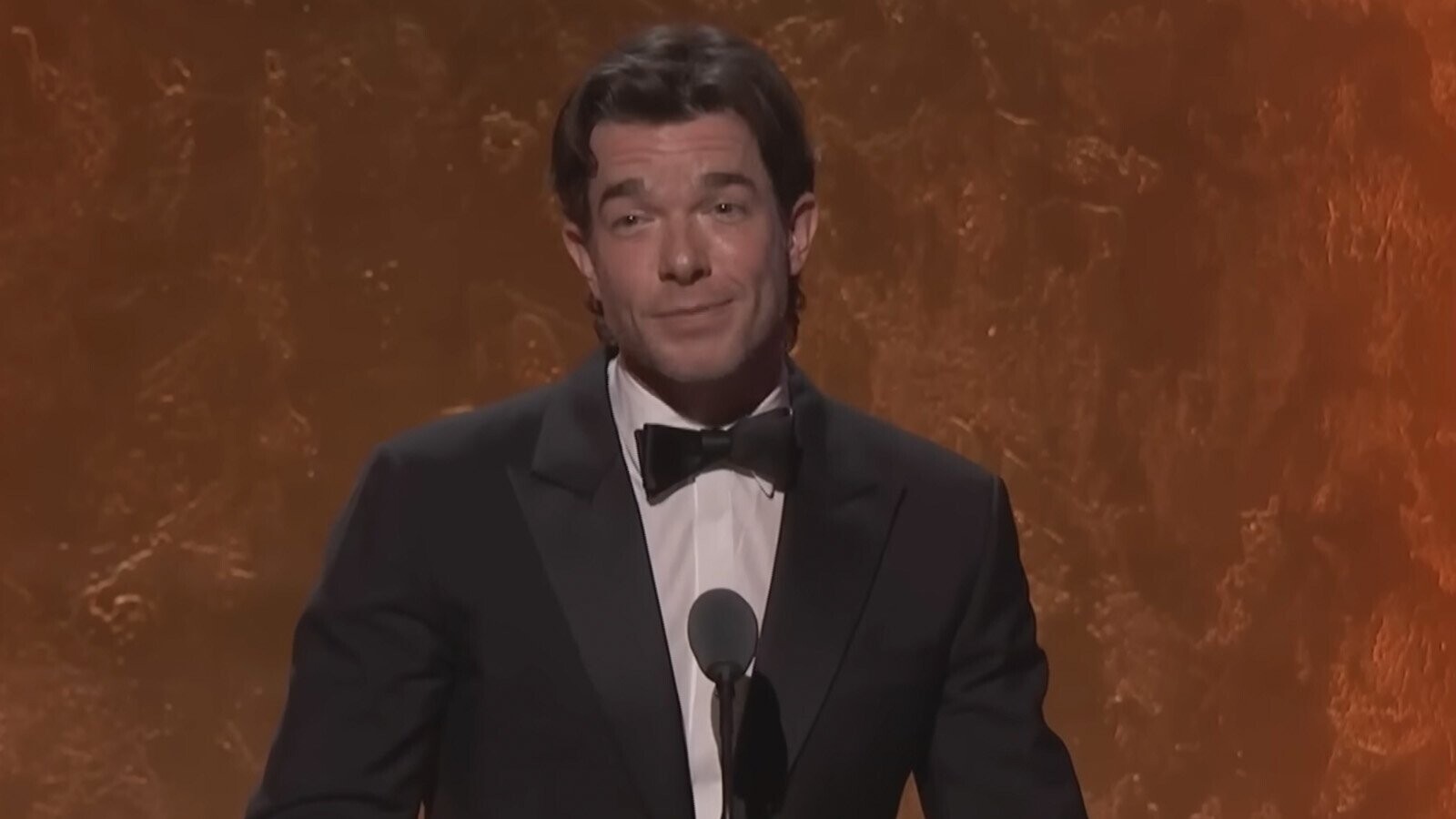
The Oscars have a funny relationship with money. On one hand, the Academy Awards are surrounded by couture gowns, studio campaigns, luxury watches, multimillion-dollar ad slots, and gift-suite energy so shiny it could blind a cinematographer. On the other hand, the person expected to walk onto the most scrutinized stage in Hollywood, charm movie stars, roast billion-dollar studios, avoid becoming a meme for the wrong reason, manage live-TV chaos, and keep millions of viewers from checking their phones may receive a surprisingly modest paycheck.
That is why the conversation around Oscars host pay never really goes away. If the Academy wants a truly great hostsomeone funny, nimble, confident, culturally aware, and brave enough to joke in a room full of people who have publicists trained like palace guardsthen maybe the job should pay like the high-pressure entertainment assignment it is. Prestige is nice. Applause is lovely. But applause does not buy back three months of preparation, ten thousand rewritten jokes, or the emotional damage of reading social media at midnight.
The title says it plainly: if the Oscars want a great host, they should probably pay better. Not because famous comedians are struggling to afford lunch, but because compensation reveals how seriously an institution values the work. Hosting the Oscars is not a “show up and smile” gig. It is a live performance, crisis-management exercise, brand-rescue mission, comedy special, industry pep talk, and national group chat all rolled into one tuxedo-shaped stress ball.
The Oscars Host Job Is Bigger Than One Night
To casual viewers, hosting the Academy Awards may look like a glamorous one-night assignment. The host opens with a monologue, introduces segments, makes a few jokes, poses for photos, and goes home. Simple, right? That is like saying a Marvel movie is just “people standing in front of green walls.” Technically true in the same way a wedding cake is “flour having a moment.”
A strong Oscars host spends weeks, sometimes months, preparing. The work includes reading the room before the room even exists. What movies are nominated? Which stars are likely to attend? Which controversies are too hot, which are just warm enough, and which are best left in a locked drawer guarded by Meryl Streep? A host has to balance humor with reverence because the Oscars are both a celebration and a televised pressure cooker.
Unlike a stand-up special, the Oscars audience is not made up of people who bought tickets because they already like the comedian. The audience includes A-list actors, directors, studio executives, film lovers, casual viewers, critics, online commentators, and people who only tuned in to see if the “Barbie” or “Oppenheimer” jokes still have legs. That is a wild mix. A joke that lands beautifully in a comedy club can turn into a room-temperature pancake inside the Dolby Theatre.
Why Reported Oscars Host Pay Feels Out of Step
The famous number that often comes up in discussions of Academy Awards host salary is $15,000, a figure Jimmy Kimmel publicly discussed after being tapped to host the 2017 Oscars. By normal-person standards, $15,000 for one night sounds fantastic. By Hollywood live-event standards, it sounds like the Academy found the money in the couch cushions after the Governors Ball.
The issue is not whether $15,000 is a lot of money in general. It is. The issue is whether it reflects the scale of the task. Hosting the Oscars is a career-risking job. If everything goes well, the host gets polite praise and maybe a few viral clips. If something goes wrong, the host’s name can be attached to the mess forever. The internet has the memory of an elephant and the mercy of a parking ticket.
That imbalance matters. A successful host must give the ceremony structure, warmth, pace, humor, and a sense of occasion. The host must also become a human buffer between the Academy’s desire for elegance and the audience’s desire not to be bored into another time zone. This is not a ceremonial role. It is creative labor, live performance, and reputation management.
The Risk-Reward Ratio Is Weirdly Lopsided
Great hosts make difficult things look easy. Billy Crystal built a legacy by making the Oscars feel welcoming and playful. Whoopi Goldberg brought theatrical confidence. Ellen DeGeneres turned a celebrity selfie into a pop-culture artifact. Jimmy Kimmel handled bizarre live-TV moments, including the infamous Best Picture envelope mix-up in 2017, with more calm than most people show when their printer jams.
But for every beloved hosting memory, there is also a warning label. Hosts can be criticized for being too safe, too edgy, too political, too bland, too long, too short, too mean, too soft, or insufficiently magical while standing in a room where half the audience is waiting to see whether their dreams come true. The Oscars host is asked to serve everyone, which is another way of saying they are guaranteed to disappoint someone.
That is why the Oscars hosting gig can look less like a prize and more like a dare. A comic or performer with a thriving tour, podcast, show, or film career has to ask: what do I gain? Prestige, yes. Exposure, maybe. But established stars already have both. What they do not need is three months of stress for a paycheck that may be smaller than one corporate speaking engagement.
Recent Host Searches Show the Problem
The Academy has faced real difficulty finding the right host in recent years. Jimmy Kimmel returned multiple times and proved reliable, but he also stepped away from hosting again, citing the demands of balancing the Oscars with his nightly show. John Mulaney was widely discussed as a dream candidate after strong awards-show appearances, yet reports indicated he passed on the 2025 ceremony. Steve Martin and Martin Short have also been fan-favorite names, but wanting someone and landing someone are not the same thing.
Then came Conan O’Brien, whose 2025 hosting debut was widely praised for combining absurdity, old-school showmanship, and a sincere love of movies. He returned for 2026 and was announced again for 2027, which tells us something important: when the Oscars find someone who can actually do the job, they should treat that person like a rare bird, not like an intern who wandered into the orchestra pit.
Conan is especially useful as a case study because he understands the modern attention economy. He is not just a TV host; he is a podcaster, digital personality, travel-show star, and master of self-deprecating weirdness. That combination helps the Oscars because the ceremony now lives in two places at once: the live broadcast and the next morning’s clips. The host must perform for both.
Better Pay Could Expand the Talent Pool
Paying more would not magically solve every Oscars problem. A bigger check cannot make a weak monologue funny or turn a four-hour ceremony into a breezy picnic. However, better compensation could make the job more attractive to top-tier performers who currently see it as too much work for too little upside.
Imagine the Academy treating the host role as a major creative contract. That could include a competitive salary, a dedicated writing budget, rehearsal support, digital-content planning, and enough production resources to build bits that feel polished rather than desperate. Instead of asking stars to accept the honor and survive the discourse, the Academy could say: this is a serious job, and we are paying for serious talent.
That approach would also help newer hosting candidates. Not every great Oscars host has to be a legacy late-night name. The Academy could look at comedians, actors, podcasters, former “Saturday Night Live” performers, Broadway stars, or sharp ensemble teams. But if the job requires weeks of commitment, the money must justify stepping away from tours, filming schedules, writers’ rooms, and other paid work.
The Oscars Are Competing With Everything
Once upon a time, the Oscars were one of the few true television events. Today, they compete with streaming platforms, TikTok, YouTube, video games, group chats, sports, and the irresistible human urge to watch a raccoon steal cat food on Instagram. The Academy cannot assume viewers will sit patiently through speeches, montages, and commercial breaks simply because a gold statue is nearby.
Recent ratings show the challenge clearly. The 2025 ceremony, hosted by Conan O’Brien, reached a five-year high in total viewers when final multiplatform viewing was counted. The 2026 ceremony dipped from that high, though it still performed strongly compared with other entertainment telecasts and generated major social engagement. In plain English: people still care about the Oscars, but many now experience the show through clips, reactions, and viral moments rather than a full live broadcast.
That makes the host more important, not less. A great host gives the ceremony moments that travel. A sharp monologue, a strange sketch, a warm tribute, or a perfectly timed audience reaction can become the piece of the show that younger viewers actually see. The host is not just managing the room; the host is creating exportable entertainment for platforms where the Oscars must fight for relevance.
Prestige Is Not a Compensation Strategy
Hollywood loves paying in prestige when it can get away with it. “It’s an honor” is a beautiful phrase, but it should not be used as a coupon code. The Oscars are a massive global brand. The ceremony supports advertising revenue, network strategy, studio campaigns, celebrity branding, fashion coverage, streaming attention, and the Academy’s cultural influence. The host contributes directly to that value.
When a job is difficult, public, and central to the product, fair pay is not a luxury. It is a business decision. Better pay would signal that the Academy understands the host’s role in shaping the ceremony’s tone and reputation. It would also reduce the awkwardness of asking wealthy entertainers to accept a modest check while everyone around them is monetizing the evening from twelve different angles.
Pay Is Also About Respect
Compensation does not only measure hours. It measures risk, skill, preparation, and scarcity. There are not many people alive who can host the Oscars well. The person needs comedy timing, live-TV experience, celebrity fluency, emotional intelligence, cultural awareness, and enough confidence to joke near Steven Spielberg without turning into a decorative lamp.
That is a rare skill set. Rare skill sets usually cost money. If the Academy wants a host who can attract viewers, generate headlines, reassure nominees, survive social media, and keep the show moving, it should not rely on the old assumption that the honor alone is enough.
Could the Oscars Go Hostless Again?
The hostless Oscars experiment in 2019 proved that the ceremony can function without one central emcee. Some viewers even liked the faster, presenter-driven format. That matters because it gives the Academy leverage: if no perfect host is available, the show does not have to panic. It can build a strong opening, use presenters creatively, and let the movies carry the night.
Still, a great host gives the Oscars something a hostless show cannot easily provide: a point of view. The best hosts create a rhythm and personality. They make the ceremony feel less like a corporate banquet with better lighting and more like a living event. A host can connect the films, acknowledge the absurdity, honor the craft, and gently remind Hollywood not to take itself so seriously that it floats away in a cloud of self-importance.
So the choice should not be “cheap host or no host.” The better question is: what would happen if the Oscars invested properly in hosting as a central creative feature of the broadcast?
What Better Oscars Host Pay Might Look Like
A smarter model would treat the host as part performer, part executive creative partner. The Academy could offer a high six-figure fee for top talent, plus a robust budget for writers, rehearsals, filmed segments, digital extras, and social-first clips. That may sound expensive until you compare it with the value of a ceremony that draws stronger attention, earns better reviews, and produces viral moments for days.
The host should also have a clearer creative runway. Too often, awards-show comedy feels like it has been approved by fourteen committees and a nervous fern. The Academy needs safeguards, of course, but great comedy requires trust. Paying better should come with empowering better: hire the host, hire the writers, set boundaries, then let funny people be funny.
Another possibility is rotating host formats. Some years may call for a solo veteran like Conan O’Brien. Other years could benefit from a duo, a trio, or a themed ensemble. But regardless of format, the compensation should reflect the preparation and visibility involved. Splitting a modest fee among multiple hosts only makes the situation more ridiculous. Nothing says “Hollywood glamour” like three famous comedians dividing a check like they just finished a community-theater raffle.
Experiences Related to the Oscars Host Debate
Watching the Oscars over the years has made one thing obvious: the host becomes the emotional weather system of the night. When the host is relaxed, the room relaxes. When the host is stiff, the whole ceremony seems to sit up straight and forget how breathing works. A great host does not need to dominate every minute. In fact, the best ones know when to disappear. They open the door, keep the party moving, and return when the evening needs oxygen.
As a viewer, the difference is easy to feel. When a host understands the movies, the jokes sound affectionate instead of random. When the host understands celebrity culture, the teasing feels playful rather than cruel. When the host understands live television, small accidents become little gifts instead of disasters. That is why someone like Conan O’Brien can work: his comedy is strange enough to feel fresh, but his experience is deep enough to keep the ship from sailing directly into a chandelier.
The Oscars also reveal how hard it is to be funny in a room where everyone is both powerful and vulnerable. Nominees are dressed like royalty, but many are terrified. Some will win the biggest award of their lives. Most will lose on camera. A host has to bring laughter into that tension without making the night feel mean. That is not easy. It requires taste, timing, and restraintthe three ingredients most online comment sections misplaced sometime around 2014.
There is also the pressure of history. Every Oscars host is compared with earlier hosts, earlier ceremonies, and an imaginary perfect broadcast that has never existed but somehow everyone remembers. If the monologue is too gentle, people call it boring. If it is too sharp, people call it disrespectful. If the host sings, some viewers cheer and others immediately begin typing “cringe” with the focus of a tax auditor. The job is designed to be judged from every possible angle.
That is why better pay makes practical sense. It is not about tossing money at celebrities for fun. It is about acknowledging that the host is doing specialized, high-risk labor under historic pressure. A person who can guide a global broadcast, comfort a nervous room, make jokes that survive social media, and keep the Academy’s brand feeling alive is providing real value. If the Oscars want that value, they should pay for it.
In many industries, people understand that the hardest jobs are not always the longest ones. A surgeon may perform a procedure in two hours, but the fee reflects years of training and the risk of the task. A trial lawyer may deliver a closing argument in thirty minutes, but the preparation behind it is enormous. The Oscars host is similar in entertainment terms. The visible work happens on one night, but the invisible work begins long before the red carpet is rolled out.
The viewer experience proves the point. A good host can make a long ceremony feel shorter. A weak host can make a short segment feel like it was directed by a sleepy elevator. The Academy spends enormous energy on stage design, musical performances, presenter pairings, and campaign-season prestige. It should apply the same seriousness to the person who helps the audience feel welcome. Otherwise, the Oscars risk treating the host as decoration when the host is actually infrastructure.
Conclusion: Pay the Host Like the Job Matters
The Oscars do not need to throw money around just to prove they can. But if the Academy wants a great host, it should stop relying on prestige as the main currency. The role is too visible, too demanding, and too important to the modern broadcast. Better pay would not guarantee brilliance, but it would make brilliance easier to recruit, support, and retain.
Hollywood understands investment when it comes to campaigns, costumes, sets, and stars. It should understand investment when it comes to the person holding the whole glittering circus together. A great Oscars host is not simply reading cue cards. They are steering the mood of the night, protecting the pace of the show, and giving audiences a reason to watch beyond the winners list.
If the Oscars want the best, they should pay like they want the best. Otherwise, they may keep discovering that “the honor of being asked” is a lovely complimentand a surprisingly weak recruiting strategy.