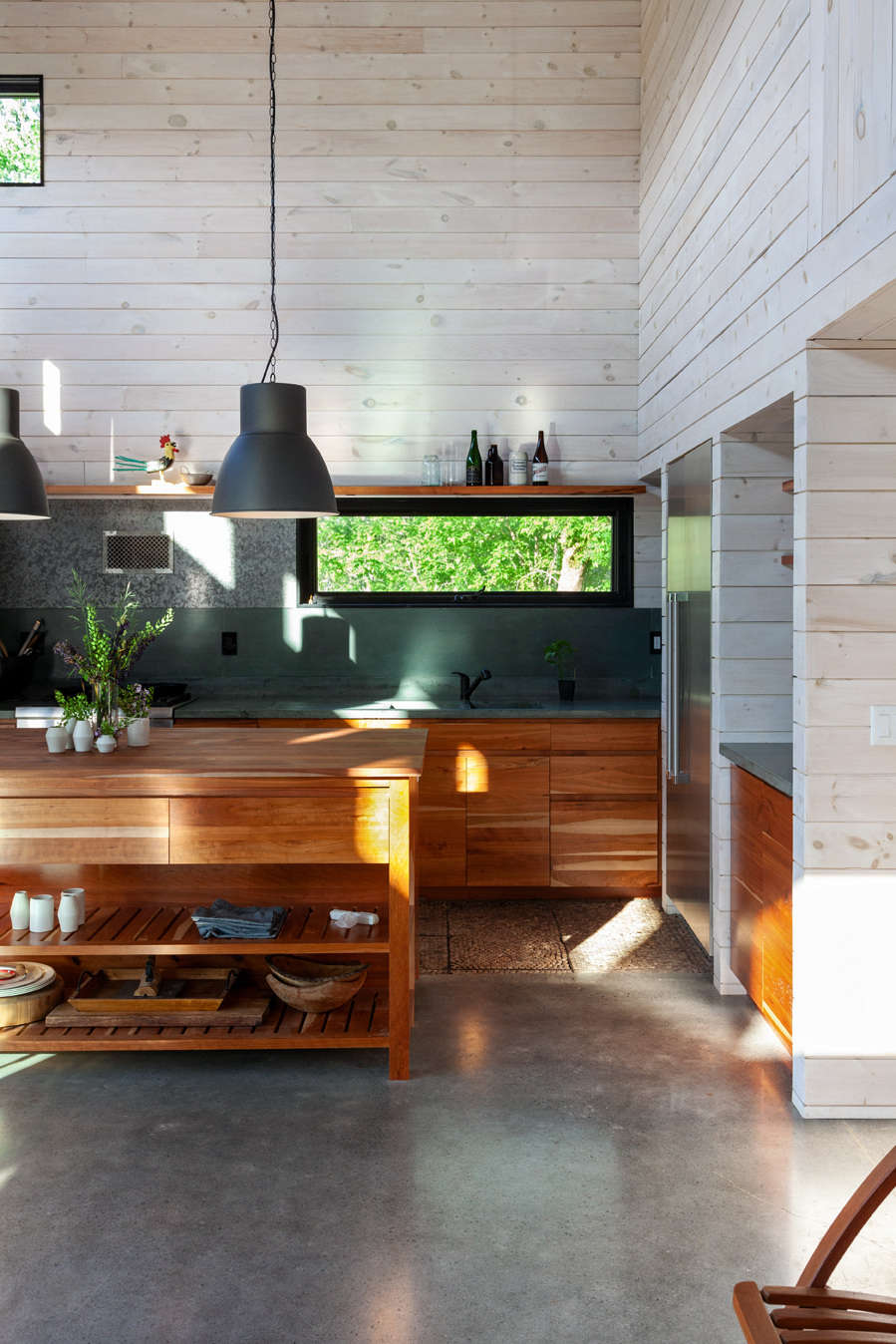
Some kitchens are designed to impress guests. Others are designed to keep dinner from turning into a three-act tragedy involving missing lids, smoky ovens, and a cutting board that has mysteriously walked away. But every once in a while, a kitchen does something better: it tells you how its owners live. That is the heart of a low-impact kitchen shaped by a locavore chef and a landscape architect. It is not simply a room with cabinets, counters, and a heroic sink. It is a working ecosystem.
Inspired by the thoughtful farmhouse kitchen of chef Jamie Kennedy and landscape architect Victoria Taylor, this design story brings together farm-to-table values, salvaged materials, durable finishes, and a deep respect for place. The result is the kind of kitchen that feels grounded before the first onion hits the pan. It does not chase showroom perfection. It prefers sunlight, reclaimed timber, practical storage, and materials with a past life. In other words, it has characterand character is much harder to install than quartz.
A low-impact kitchen is not about making everything tiny, beige, or joylessly virtuous. It is about making better choices: using local materials where possible, reducing waste, choosing energy-efficient appliances, cooking with seasonal ingredients, and designing a space that will last. When a chef and a landscape architect team up, sustainability becomes less of a buzzword and more of a daily routine. The kitchen becomes a bridge between soil and supper.
What Makes a Kitchen “Low-Impact”?
A low-impact kitchen reduces environmental strain across its entire life cycle. That includes how materials are sourced, how long they last, how much energy and water the kitchen uses, and how the space supports better food habits. A kitchen can look rustic, modern, industrial, or farmhouse-inspired and still be low-impact if its design decisions are intentional.
The best low-impact kitchens often share a few traits: reclaimed or responsibly sourced materials, efficient lighting and appliances, water-conscious fixtures, strong natural ventilation, excellent storage, composting space, and a layout that makes cooking from scratch easier. They are built for use, not just photography. A pretty kitchen that makes you order takeout five nights a week is, at best, a charming accomplice.
For a locavore chef, the kitchen must also support a seasonal rhythm. Summer brings tomatoes, herbs, stone fruit, and the glorious chaos of farmers market bags. Fall asks for root vegetables, squash, apples, and soup pots big enough to qualify as architecture. Winter rewards pantry planning. Spring is all about tender greens, asparagus, and the return of hope. A low-impact kitchen makes room for that cycle instead of fighting it.
The Locavore Mindset: Designing Around Real Food
The word “locavore” refers to someone who prioritizes locally grown, locally produced food. In kitchen design, this mindset changes everything. Instead of designing around microwave meals and mystery snacks from the back of the freezer, the room is organized around fresh ingredients, preservation, storage, prep, and shared meals.
A locavore kitchen needs generous work surfaces because seasonal cooking can be wonderfully messy. Think trimming greens, washing carrots, rolling pastry, sorting herbs, and transferring jam into jars. It needs open shelves or visible storage for everyday staples. It benefits from a pantry that can hold grains, beans, vinegars, oils, canned tomatoes, preserves, and bulk goods. It should also have a compost zone that does not require a heroic trek through three doors and a snowstorm every time you peel a potato.
When a chef designs a kitchen, efficiency matters. Every step counts. The refrigerator, sink, stove, and prep area should form a natural workflow. The most-used tools should be easy to grab. Pots should live near the range. Cutting boards should be close to the prep zone. The trash, recycling, and compost should be near the sink. It is not glamorous, but neither is walking across the room with wet spinach dripping down your arm.
Landscape Thinking: A Kitchen Connected to Place
A landscape architect sees a kitchen differently. The room is not isolated from the land around it. It is connected to sunlight, views, drainage, seasons, gardens, outdoor dining, and the movement between inside and outside. In the low-impact farmhouse kitchen that inspired this article, the surrounding property helped shape the design. A creek, a bluff, and a south-facing slope made the land feel worth honoring, not overpowering.
This is one of the most important lessons for homeowners: before choosing cabinet hardware, study the site. Where does the morning light enter? Which window offers the best view? Where do herbs grow well? Can the kitchen connect to a garden, patio, or compost area? Can the design reduce the need for artificial lighting during the day? The most sustainable square foot is often the one that works with nature instead of pretending nature is an inconvenience outside the glass.
Large windows, clerestory openings, and well-insulated glass can bring daylight deep into the room. Natural light makes food look better, reduces the need for daytime lighting, and gives the kitchen a living quality. Add a view of trees, vegetable beds, or even a few stubborn herbs in pots, and suddenly washing dishes feels less like punishment and more like a minor meditation.
Reclaimed Materials: Beauty With a Backstory
One of the strongest ideas in a low-impact kitchen is using materials that already exist. Reclaimed wood, salvaged beams, reused metal, antique fixtures, old brick, and repurposed stone can give a kitchen warmth and reduce demand for newly manufactured products. These materials also bring texture that new materials often try very hardand very expensivelyto imitate.
In the featured farmhouse kitchen, salvaged timber and locally sourced materials helped create a sense of continuity with the land and region. Custom cabinetry made from salvaged wood can feel rich without feeling flashy. Open shelves made from reclaimed boards can hold pantry jars, ceramics, and everyday dishes. A reused metal sheet can become a backsplash with more personality than a wall of brand-new tile.
Reclaimed materials do require care. Wood should be checked for structural soundness, moisture issues, pests, and old finishes. Metal should be cleaned and sealed if needed. Countertop materials should be food-safe and practical. The goal is not to drag random barn scraps into the kitchen and hope for the best. The goal is thoughtful reusethe design version of making excellent soup from yesterday’s roast vegetables.
Concrete, Cork, Wood, and Steel: A Smart Material Palette
A low-impact kitchen does not need to look precious. In fact, durable materials are often the more sustainable choice because they do not need to be replaced every few years. Concrete countertops, for example, can provide a strong work surface with an honest, handmade look. They pair beautifully with wood, metal, and simple lighting. Concrete can stain or patina over time, but for many cooks, that is part of its appeal. A kitchen that shows life is not failing; it is keeping receipts.
Cork is another compelling material, especially for flooring or standing zones. It has a softer feel underfoot than tile or concrete, which matters when you spend hours cooking. Cork also has natural resilience and warmth. In a chef’s kitchen, comfort is not a luxury. It is the difference between happily making risotto and wondering whether your knees have filed a formal complaint.
Wood remains the emotional anchor. Salvaged cherry, pine paneling, reclaimed beams, or locally milled boards can create warmth without visual clutter. Steel, meanwhile, adds toughness. Galvanized or stainless surfaces work well behind ranges and prep areas because they are easy to wipe down and visually calm. Together, these materials create a kitchen that is practical, warm, and quietly confident.
Energy-Efficient Appliances Without the Drama
Appliances play a major role in a low-impact kitchen. ENERGY STAR certified refrigerators, dishwashers, and other appliances are designed to use less energy while maintaining performance. That matters because kitchens are among the most energy-hungry rooms in the home. Refrigerators run constantly. Dishwashers handle daily cleanup. Ovens and ranges can work hard, especially in households that cook often.
For many modern sustainable kitchens, induction cooking is worth considering. Induction cooktops heat cookware directly, respond quickly, and can reduce wasted heat in the room. They are especially appealing in well-insulated homes where extra heat from cooking can make the space uncomfortable. For serious cooks, the speed and control can be a pleasant surprise. The learning curve is usually smaller than expected, unless your favorite pan refuses to cooperate. In that case, the magnet test will settle the argument.
A dishwasher may also be more efficient than hand-washing when used properly. Running full loads, skipping unnecessary pre-rinsing, and choosing efficient cycles can reduce water and energy use. The key is to pair good appliances with good habits. A sustainable kitchen is not a trophy room for expensive machines; it is a system that rewards thoughtful use.
Water-Saving Details That Actually Matter
Water efficiency is easy to overlook because the faucet feels so ordinary. Turn handle, water appears, life continues. But in a busy kitchen, small improvements add up. A faucet with an efficient flow rate, a quality aerator, and a practical spray function can reduce water use without making dishwashing feel like rinsing plates with a polite mist.
The most effective water-saving kitchen choices are simple: repair leaks quickly, use an efficient dishwasher, scrape instead of pre-rinsing when possible, wash produce in a bowl rather than under a running tap, and reuse clean rinse water for plants when appropriate. A deep sink can also help with soaking large pans, washing greens, and managing harvest-season cooking.
For a locavore household, water use often connects directly to food prep. Fresh produce comes with soil, stems, and grit. A smart sink zone makes it easier to clean vegetables efficiently. Add a nearby compost bin and the entire process becomes smoother: wash, trim, save, cook, compost. That is low-impact design at its most practical.
Storage for Seasonal Cooking
Seasonal cooking needs flexible storage. In August, the kitchen may be overwhelmed by tomatoes, basil, zucchini, peaches, and the suspiciously large squash someone “just had extra.” In January, the pantry becomes the hero: dried beans, grains, canned goods, stock, onions, garlic, winter squash, and jars of summer preserved for morale.
Open shelving can work beautifully when it holds frequently used items: mixing bowls, plates, jars, spices, oils, and cookbooks. Closed storage is better for less attractive necessities, such as bulk bags, small appliances, and the waffle maker that appears twice a year with great ceremony. A low-impact kitchen should not force perfection. It should make good routines easier.
Clear containers, labels, shallow drawers, and visible pantry zones can reduce food waste because people are more likely to use what they can see. Deep cabinets often become archaeological sites. Somewhere behind the lentils, a forgotten bag of flour becomes a cautionary tale. Good storage prevents that tragedy.
Composting: The Unsung Hero of Kitchen Design
No low-impact kitchen is complete without a compost plan. Food scraps are part of cooking, especially when meals are built from whole ingredients. Onion skins, coffee grounds, carrot tops, herb stems, eggshells, and fruit peels should have a designated place to go. The easier composting is, the more likely it becomes a habit.
A countertop compost crock works for some households. Others prefer an under-sink bin, a pull-out drawer, or a freezer container for scraps. The right answer depends on climate, cooking frequency, pest concerns, and whether the household uses backyard composting, municipal collection, or a community drop-off. The design principle is the same: make the sustainable choice the convenient choice.
Composting also closes the loop between kitchen and landscape. Scraps become soil amendment. Soil supports herbs, vegetables, flowers, and trees. Those plants return to the kitchen as food, shade, beauty, and oxygen. It is a quiet cycle, but it is powerful. Also, it makes you feel slightly less guilty about the alarming number of coffee grounds produced during a deadline week.
Lighting: Warm, Efficient, and Task-Friendly
Lighting can make or break a kitchen. A low-impact kitchen should use daylight first, then layer efficient electric lighting where needed. LED fixtures are the practical standard for energy-conscious design. They last a long time, use less electricity than older bulbs, and come in warm color temperatures that do not make dinner look like it is being interrogated.
Task lighting matters above prep counters, sinks, and cooktops. Pendant lights over an island can create atmosphere, but they should not be the only source of light. Under-shelf or under-cabinet lighting helps with chopping and reading recipes. Dimmers are useful because the lighting needed for deboning fish is not the same lighting wanted for eating soup with friends.
The best low-impact kitchens avoid over-lighting. They create zones: bright where work happens, soft where people gather, and natural wherever the architecture allows. That balance keeps the kitchen functional without turning it into a retail showroom for lemons.
Designing for Longevity, Not Trends
The greenest kitchen is often the one that does not need to be ripped out. Trend-proof design is not boring; it is disciplined. Durable cabinets, repairable surfaces, classic proportions, and honest materials age better than fashionable finishes chosen because they looked good in a scrolling trance at midnight.
Low-impact design asks better questions. Will this material still look good when it has a few scratches? Can the cabinet doors be repaired or refinished? Will this layout support the way we actually cook? Are we choosing this because it is useful or because the internet shouted at us? A kitchen that lasts twenty years is almost always more sustainable than one that needs a cosmetic rescue every five.
The locavore chef and landscape architect approach reminds us that timelessness is rooted in purpose. When a kitchen is designed around cooking, gathering, preserving, and connection to land, it does not have to chase trends. It already has a job.
How to Bring the Low-Impact Look Home
You do not need a farmhouse, a vineyard slope, or a professional chef in residence to borrow ideas from this kind of kitchen. Start with what is realistic. Replace a tired faucet aerator. Add a compost bin. Swap disposable storage for glass jars. Buy fewer, better tools. Choose an efficient dishwasher when the old one retires. Repair cabinets instead of replacing them. Use local wood for open shelves. Shop farmers markets when possible. Grow herbs on a windowsill, even if the basil occasionally behaves like a Victorian fainting character.
If you are remodeling, prioritize the envelope and infrastructure first: insulation, windows, ventilation, wiring, plumbing, and appliance efficiency. Then consider surfaces and storage. Reclaimed wood, cork, concrete, recycled-content tile, natural linoleum, and responsibly sourced cabinetry can all belong in a sustainable kitchen. The right combination depends on budget, climate, maintenance tolerance, and design style.
Most importantly, design around behavior. If you cook often, give yourself more prep space. If you preserve food, plan pantry storage. If you garden, create a produce-washing zone. If your household drinks coffee like it is a municipal utility, create a coffee station with compost nearby. A low-impact kitchen succeeds when it fits real life.
Experience Notes: Living With a Low-Impact Kitchen
The charm of a low-impact kitchen becomes clear not on installation day, but six months later, when routines begin to settle into the room. You notice that the compost bin is exactly where your hand expects it to be. You notice that the open shelf keeps the mixing bowl within reach. You notice that morning light lands on the counter where you make coffee. None of this sounds dramatic, but good design rarely bursts through the door wearing sequins. It simply makes daily life smoother.
One of the most useful experiences in this kind of kitchen is learning to cook with what is available instead of what is imagined. A locavore kitchen encourages flexibility. Maybe dinner begins with a farmers market haul: mushrooms, greens, carrots, local cheese, and a loaf of bread. Instead of forcing a complicated recipe, the kitchen invites a simpler mealsautéed greens, roasted carrots, mushrooms on toast, and a salad that tastes like the season. The room supports the habit because the tools are visible, the prep area is generous, and the pantry fills in the gaps.
Another lesson is that imperfect materials can be easier to love. A polished showroom counter may make every crumb feel like a personal failure. A concrete counter with a soft patina says, “Relax, we have seen soup before.” Reclaimed wood does not panic over a small ding. Cork flooring is forgiving underfoot. A reused metal backsplash accepts splatter as part of its employment contract. These materials do not demand that the kitchen remain untouched. They welcome work.
Hosting also feels different in a low-impact kitchen. Guests tend to gather where the action is, especially when the island or table is part of the prep zone. Someone tears herbs, someone pours cider, someone asks where the plates are, and someone inevitably stands in front of the drawer you need. That is not a design flaw; that is a kitchen doing its social job. The best spaces allow people to participate without creating gridlock. Wide walkways, open storage, and clear zones make shared cooking easier.
There is also a quiet satisfaction in reducing waste. Leftover roasted vegetables become frittata filling. Herb stems flavor stock. Stale bread becomes crumbs or croutons. Vegetable scraps become compost. Glass jars return to the pantry with grains, beans, or dried fruit. These habits are not about perfection. They are about momentum. A low-impact kitchen gives that momentum a place to live.
Perhaps the biggest experience is emotional. A kitchen connected to land, season, and craft feels different from one designed only around resale value. It has memory built into it: wood with history, meals tied to local farms, light that changes through the year, and surfaces that record use. That kind of kitchen does not just help people cook. It helps them pay attention.
Conclusion: The Quiet Power of a Low-Impact Kitchen
A locavore chef and landscape architect’s low-impact kitchen proves that sustainability does not have to be sterile, expensive, or preachy. It can be warm, practical, beautiful, and deeply personal. The best ideas are surprisingly down-to-earth: use what already exists, choose materials that last, cook with the seasons, save energy and water, compost food scraps, and design the room around real habits.
This style of kitchen is not about chasing an aesthetic. It is about building a relationship between home and place. It honors the farmer, the maker, the cook, the guest, the garden, and even the humble compost bucket. It gives every part of the kitchen a role in a larger system. And yes, it still leaves room for good lighting, beautiful wood, a hardworking sink, and the occasional emergency grilled cheese.
For homeowners planning a remodel, the lesson is clear: start with purpose. Ask how you cook, where your food comes from, what materials already exist, and which choices will still make sense years from now. A low-impact kitchen is not a single product or trend. It is a thoughtful way of livingone meal, one material, and one well-placed compost bin at a time.