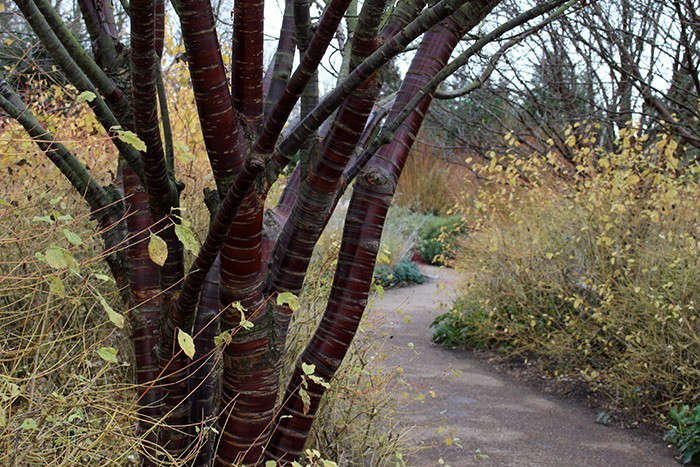
There are garden tours, and then there are English garden toursthe kind where a gravel path appears to know more about romance than most people’s dating apps. The phrase “Trending on Gardenista: English Garden Tour” brings together everything design lovers adore: layered borders, old brick walls, climbing roses, clipped hedges, misty mornings, and the charming suspicion that every bench has hosted at least one dramatic cup of tea.
Gardenista has long been a favorite destination for readers who want outdoor spaces that feel edited, soulful, and actually livable. Its English garden coverage often celebrates the same qualities that make historic and modern English gardens so addictive: structure softened by abundance, practical planting disguised as poetry, and landscapes that feel collected over time rather than installed overnight by someone with a leaf blower and a deadline.
This English garden tour explores the essential design lessons behind the look, from cottage gardens and grand estates to American gardens inspired by Sissinghurst, Hidcote, and the Royal Horticultural Society’s design principles. Whether you have a rolling country property, a suburban backyard, or a balcony currently ruled by one brave pot of basil, there is something here you can stealpolitely, horticulturally, and without alarming the neighbors.
What Makes an English Garden So Irresistible?
An English garden is not just a pile of pretty flowers having a group meeting. At its best, it is a careful balance between control and looseness. The bones are often formal: hedges, pathways, walls, gates, terraces, clipped shrubs, or axial views. Then the planting softens everything with roses, foxgloves, lavender, geraniums, delphiniums, herbs, grasses, and flowering shrubs. The result feels relaxed, but make no mistakethis “effortless” look has a strategy. It is the garden equivalent of messy hair that took 45 minutes.
Historically, English garden design evolved through several traditions. Grand landscape gardens emphasized sweeping lawns, lakes, groves, and views that looked natural but were often heavily engineered. Cottage gardens, by contrast, grew from practical village plots where families mixed vegetables, herbs, fruit trees, and flowers in every useful inch of soil. Over time, that productivity became romanticized into the charming, overflowing style people now associate with country cottages.
Modern English-inspired gardens borrow from both worlds. They use structure to create order, then fill that order with generous planting. The magic comes from the tension: crisp edges beside billowing borders, old materials beside fresh growth, and seasonal change framed by permanent shapes.
The Gardenista Lens: Why English Garden Tours Keep Trending
Gardenista’s appeal lies in its ability to make aspirational gardens feel approachable. A tour of English gardens is not simply about admiring famous places from a distance. It is about asking practical questions: Why does this border work? What makes this path inviting? How does that wall make the roses look even better? Could I create a tiny version of this in my yard without needing a manor house, a staff of six, or a surname with a hyphen?
English garden tours trend because they offer more than eye candy. They provide design education in disguise. Readers see how a sequence of spaces creates rhythm, how repeated plants create unity, how a limited color palette can feel rich rather than boring, and how ordinary materialsgravel, brick, timber, stone, ironcan make a garden feel grounded.
In an era of fast makeovers and instant outdoor décor, the English garden feels refreshingly slow. It rewards patience. It welcomes weather. It does not panic when a plant leans over a path. In fact, it may encourage the plant to lean more attractively next time.
Key Elements of an English Garden Tour
1. Strong Structure Beneath the Romance
The first lesson from any English garden tour is that structure matters. Hedges, walls, clipped evergreens, pergolas, arches, and paths create the framework. Without them, a lush border can go from “romantic abundance” to “the plants have formed a committee and overthrown the government.”
Boxwood, yew, hornbeam, beech, and privet have traditionally been used to create enclosure and rhythm. In American gardens, designers may choose climate-appropriate alternatives such as inkberry holly, compact hollies, native shrubs, or other regionally reliable evergreens. The point is not to copy England plant for plant. The point is to create visual bones that hold the garden together in every season.
2. Layered Borders That Look Full, Not Chaotic
English borders are famous for their layers. Tall plants rise at the back, medium-height perennials fill the middle, and lower plants soften the edge. But the best borders are not arranged like a school photo. They drift, repeat, and mingle. A foxglove may pop up where it pleases; a rose may lean into a salvia; lavender may soften the path with fragrance.
Repetition is the secret ingredient. Repeating a plant, color, or shape throughout a border keeps the eye moving. For example, a garden might repeat purple salvias, pale pink roses, and silver foliage every few feet. This creates rhythm without making the space feel stiff.
3. Paths That Invite Wandering
A great English garden path does not merely connect point A to point B. It seduces you into wandering. Gravel paths crunch underfoot. Brick paths warm in the sun. Stepping stones slow the pace. A slight curve suggests that something delightful is hiding just out of sight, probably a bench, a pot of geraniums, or a cat judging your footwear.
Paths also organize planting. They give lush borders a clean edge and help visitors experience the garden as a sequence. Even a small backyard can benefit from a simple path that creates movement and perspective.
4. Climbers, Arbors, and Vertical Drama
English gardens rarely waste a wall. Roses climb over arches, clematis scrambles through shrubs, wisteria drapes over pergolas, and honeysuckle adds scent near seating areas. Vertical planting makes a garden feel immersive, especially in tight spaces.
For American gardeners, the key is choosing climbers suited to local conditions. Some romantic-looking plants can become aggressive in certain regions, so it is wise to select well-behaved varieties or native alternatives. A climbing rose on a sturdy arbor can deliver the English garden mood without requiring an entire estate.
Famous English Garden Inspirations
Sissinghurst: Rooms, Romance, and Restraint
Sissinghurst Castle Garden is one of the most influential English gardens in the world. Created by Vita Sackville-West and Harold Nicolson, it is famous for its garden rooms, strong architecture, and poetic planting. The White Garden remains a masterclass in restraint: a limited palette can feel dramatic when texture, form, and contrast do the heavy lifting.
The takeaway for home gardeners is simple: divide space thoughtfully. Even a modest yard can have “rooms” created with hedges, trellises, planters, or changes in surface material. Each area can have its own mood while still belonging to the whole.
Hidcote: Outdoor Rooms With Personality
Hidcote Manor Garden is another icon of English design, known for its series of outdoor rooms. Each space has a distinct identity, yet the transitions feel natural. It is a brilliant example of how enclosure can make a garden feel larger, not smaller.
In a home landscape, this might mean creating a dining terrace, a cutting garden, a shaded bench area, and a sunny herb bed. The spaces do not need to be large. They simply need purpose and a sense of arrival.
Great Dixter: Controlled Exuberance
Great Dixter, associated with Christopher Lloyd, is beloved for bold planting, experimentation, and joyful energy. It proves that English gardens are not always pastel and polite. They can be theatrical, surprising, and full of strong color.
This is especially useful for gardeners who love the English style but do not want a garden that looks like it whispers. Hot colors, tropical accents, and unexpected combinations can still fit within an English-inspired framework when the structure is strong.
How to Bring the English Garden Look Home
Start With the Bones
Before buying every rose with a charming name, look at your layout. Where are the paths? Where will people sit? What views do you want to frame or hide? What elements remain attractive in winter? Good English garden design begins with structure, not shopping.
Add evergreen anchors, define beds clearly, and create a sense of movement. A simple rectangular lawn edged by deep borders can feel very English. So can a courtyard with climbing plants, containers, and a gravel floor.
Choose a Romantic but Practical Plant Palette
Classic English garden plants include roses, lavender, delphiniums, foxgloves, peonies, catmint, hardy geraniums, alliums, hollyhocks, lady’s mantle, and herbs such as thyme, sage, and rosemary. But climate matters. A plant that behaves beautifully in cool, damp England may faint dramatically in a hot American summer.
Choose plants that deliver a similar mood while thriving in your region. In warmer areas, consider salvias, yarrow, coneflowers, ornamental grasses, gaura, and drought-tolerant herbs. In cooler climates, traditional perennials may perform beautifully. Native plants can also blend well into English-inspired borders while supporting pollinators and local wildlife.
Mix Edible and Ornamental Plants
The original cottage garden was not just pretty; it was useful. Herbs, fruit, vegetables, and flowers grew together because space was precious. Modern gardeners can revive that tradition by mixing chives with roses, lettuces with violas, strawberries along path edges, or espaliered fruit trees against a wall.
This approach feels relaxed and generous. It also makes the garden more dynamic. A border that feeds bees, fills vases, and offers herbs for dinner is doing triple duty. Honestly, that border deserves a raise.
Design Details That Make the Tour Memorable
Use Materials With Age and Texture
English gardens often feel timeless because their materials weather gracefully. Brick, stone, gravel, aged wood, iron, and terra-cotta develop character over time. They do not scream for attention; they quietly make the plants look better.
In newer gardens, reclaimed or natural-looking materials can add instant warmth. A simple gravel seating area with terra-cotta pots and a weathered bench can feel more inviting than a large patio filled with furniture that appears to be waiting for a hotel pool party.
Add Places to Pause
A garden tour is only as good as its pauses. Benches, chairs, low walls, and small tables invite visitors to stop and look. Place seating where it catches morning light, frames a view, or sits near fragrance. A bench under an arbor can turn a path into a destination.
Do not underestimate the emotional power of a single chair tucked into a quiet corner. It says, “Sit here. Ignore your email. Become a person with thoughts again.”
Let the Seasons Lead
English gardens are deeply seasonal. Spring bulbs, early roses, summer borders, autumn seed heads, winter structureeach moment has its role. Instead of designing only for peak bloom, plan for a year-round sequence.
Bulbs can start the show with daffodils, tulips, and alliums. Roses and perennials carry late spring and summer. Grasses, asters, seed heads, berries, and evergreen shapes keep interest going into fall and winter. A garden with seasonal rhythm feels alive even when it is not exploding with flowers.
English Garden Tour Ideas for Small Spaces
You do not need acreage to create an English garden mood. A small garden may actually benefit from the style because enclosure, layering, and vertical planting make compact spaces feel intimate. Start with containers, climbers, and a limited palette.
A balcony can become a miniature English garden with terra-cotta pots, lavender, herbs, dwarf roses, trailing plants, and a small bistro chair. A townhouse courtyard can use brick pavers, a wall-trained rose, clipped evergreens, and a narrow border. A suburban side yard can become a romantic passage with gravel, stepping stones, foxgloves, and an arbor.
The key is not size. The key is atmosphere. If the space makes you slow down, notice fragrance, brush past foliage, and think, “I should really own a linen shirt,” you are on the right track.
Common Mistakes to Avoid
Planting Without a Framework
The biggest mistake is buying beautiful plants without giving them structure. A border needs shape, repetition, and contrast. Otherwise, even expensive plants can look random. Start with paths, edges, and evergreen anchors before adding the floral fireworks.
Ignoring Climate and Maintenance
English-style gardens can be adapted almost anywhere, but not every English plant belongs everywhere. Choose plants for your soil, sun, rainfall, and maintenance level. A garden should delight you, not become a part-time job with thorns.
Trying to Make Everything Bloom at Once
A garden that peaks for two weeks and sulks for the rest of the year is like a party guest who arrives with fireworks and then naps on the sofa. Plan for succession. Include early, midseason, and late performers, plus foliage and structure.
The Modern English Garden: Sustainable, Personal, and Wildlife-Friendly
Today’s English garden inspiration is not just about nostalgia. Modern gardeners increasingly value biodiversity, water-wise planting, composting, reduced chemical use, and habitat for pollinators and birds. The romantic look pairs beautifully with ecological thinking because layered, diverse planting naturally supports wildlife.
A modern English-inspired garden might include native perennials, flowering shrubs, water-permeable gravel paths, compost-rich soil, rain-conscious planting, and fewer high-maintenance lawns. It can look lush while being smarter about resources. In other words, it can be beautiful without behaving like a diva.
Personal style also matters. The best English gardens do not feel copied from a catalog. They feel collected: a favorite rose from a family member, a bench found at a flea market, herbs used in the kitchen, a path shaped by how people actually move through the space. This sense of personal history is what makes the style so enduring.
500-Word Experience Section: Walking Through an English Garden Tour
The best way to understand an English garden is not to analyze it from a diagram, although diagrams are useful and make us feel very organized. The best way is to walk through one slowly. Imagine arriving at a modest gate set into an old wall. Nothing too grand announces itself. There is just a glimpse of green, a little shadow, and perhaps the top of a rose arch beyond. Already, the garden is doing what English gardens do best: it is withholding just enough to make you curious.
Step inside and the first thing you notice is texture. Gravel shifts under your shoes. Leaves overlap in dozens of greens. A clipped hedge runs along one side, tidy as a school uniform, while the border opposite is tumbling with flowers that appear to have missed the memo about standing up straight. This contrast is the whole point. The garden is disciplined, but it does not want to look bossy.
As you move along the path, the planting changes. Near the entrance, the palette may be soft: pale roses, blue catmint, silver lamb’s ear, and white foxgloves. Around the corner, the mood deepens with burgundy foliage, purple salvia, and tall ornamental grasses. Each turn feels like a new chapter, but the story still makes sense because certain plants repeat. The same rose appears again. The same clipped shape returns. The same brick edging follows the path like a polite guide.
Then comes the classic English garden moment: a bench in exactly the right place. It might sit beneath a pergola or beside a wall warmed by afternoon sun. From there, the view is framed. You see the border from a new angle, the path disappearing behind a shrub, the crown of a tree beyond the hedge. A good garden understands that people need destinations. Otherwise, we just wander around pretending to inspect mulch.
What surprises many visitors is how practical these gardens are. Behind the romance, there is planning everywhere. Plants are chosen for height, bloom time, scent, foliage, and structure. Paths are wide enough to use. Hedges block wind and create privacy. Herbs grow close to the kitchen. Compost quietly does its noble, unglamorous work. Even the wildest-looking cottage border has logic humming underneath it.
The experience also changes with weather. On a sunny day, the garden glows and the colors sharpen. After rain, the gravel darkens, leaves shine, and the whole place smells greener, as if the earth has just opened a fresh notebook. In early morning, dew catches on petals. In evening, pale flowers seem to float. This is why English garden tours remain so compelling: the garden is never exactly the same twice.
By the time you leave, you may not remember every plant name. That is fine. The real lesson is the feeling: enclosure, discovery, softness, rhythm, usefulness, and a little bit of theatricality. You go home wanting to plant a rose, curve a path, add a bench, or at least stop treating your side yard like a place where trash bins go to contemplate life. That is the power of the English garden tour. It turns looking into imagining, and imagining into planting.
Conclusion: Why the English Garden Tour Still Captivates
Trending on Gardenista: English Garden Tour is more than a stylish phrase. It captures a lasting design obsession with gardens that feel layered, personal, seasonal, and alive. English garden style works because it blends opposites: formal structure and loose planting, beauty and usefulness, history and experimentation, elegance and mud.
For homeowners, designers, and garden dreamers, the lesson is not to copy every detail from famous English gardens. The real goal is to borrow the principles: create strong bones, plant generously, repeat thoughtfully, use honest materials, invite wandering, and let the seasons write part of the story. Do that, and even the smallest outdoor space can carry the spirit of an English garden tourno castle required.
Note: This article is written in original American English and synthesized from real English garden design principles, Gardenista-style garden coverage, historic garden examples, and reputable horticultural references.