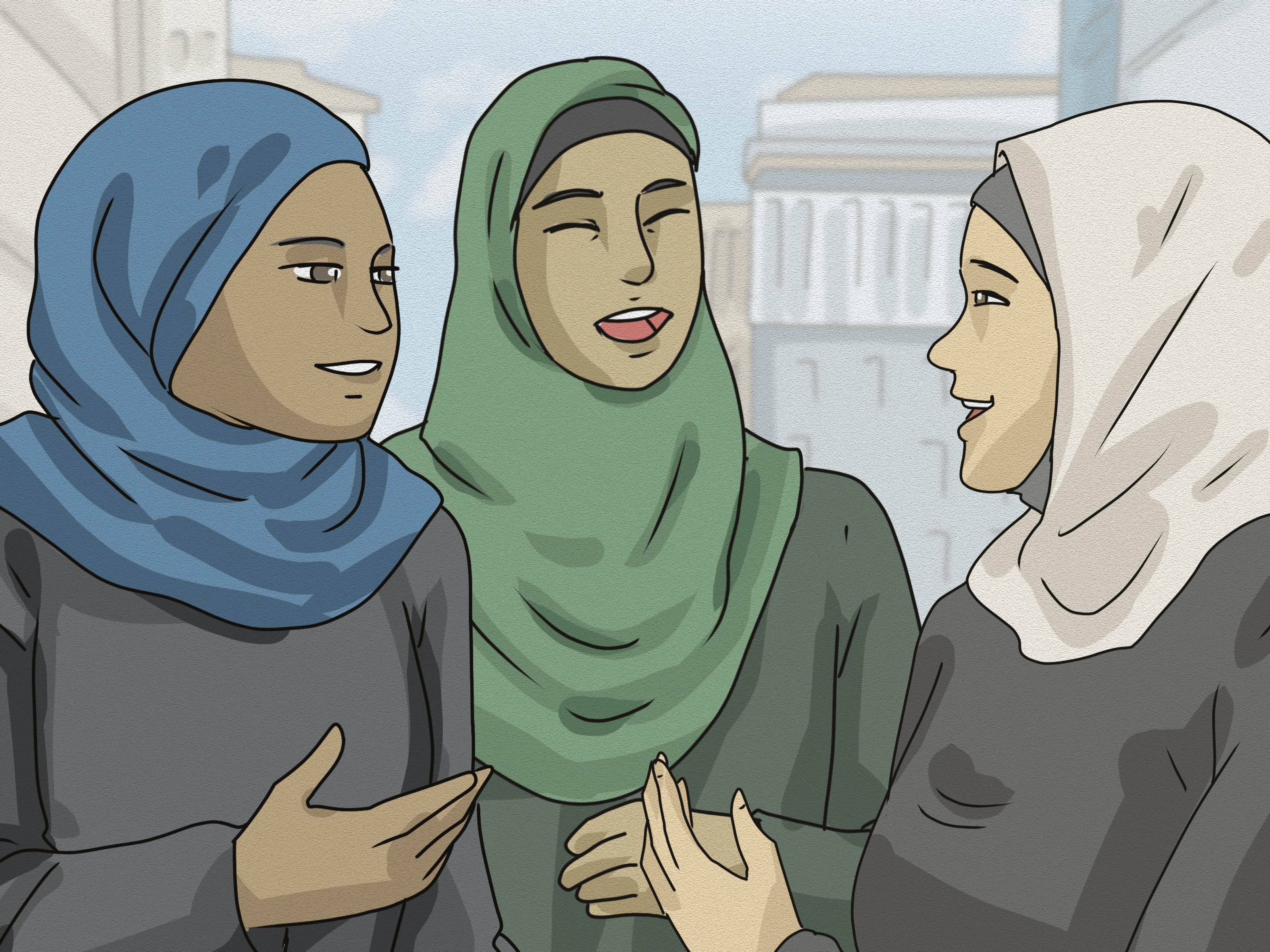
Becoming a strong Muslim is not about looking intense, using big Arabic words at random, or developing the ability to nod thoughtfully while holding a cup of tea. Real strength in Islam is deeper than that. It is the kind of strength that steadies your heart when life gets messy, keeps your prayers standing when your schedule falls apart, and makes your character kinder instead of harsher. A strong Muslim is not simply someone who knows religious vocabulary. A strong Muslim is someone whose faith shows up in worship, choices, patience, humility, and the way they treat other people.
That matters because faith is not meant to live in a dusty corner of your week. Islam is a complete way of life. It calls a person to connect with Allah through prayer, repentance, remembrance, and reflection on the Qur’an. It also calls a person to build honesty, mercy, gratitude, self-control, justice, and service into daily life. In other words, spiritual strength is not one giant heroic moment. It is a series of steady habits, sincere intentions, and course corrections repeated over time.
If you want to become a stronger Muslim, do not wait until you feel perfect. Perfect people are suspicious, frankly. Start where you are. Start with the prayer you keep delaying, the du’a you keep meaning to make, the Qur’an you keep promising to open “later,” and the bad habit you keep feeding like it is a needy pet. Growth in Islam is not about pretending you never struggle. It is about returning to Allah again and again with sincerity.
What a Strong Muslim Really Looks Like
A strong Muslim is not necessarily the loudest person in the room. Often, it is the one who quietly guards the five daily prayers, repents quickly, stays soft-hearted, and tries to obey Allah in public and private. Strength in Islam means having taqwa, spiritual awareness that shapes behavior. It means worship with purpose, character with substance, and patience when life does not go according to your plans. It means your faith is not just something you post. It is something you practice.
Step 1: Begin With a Clear Intention
Every meaningful Islamic journey starts with niyyah, or intention. Ask yourself a simple but serious question: why do I want to become a strong Muslim? If the answer is to impress people, win arguments, or build a polished religious image, that foundation will crack fast. But if the answer is to please Allah, grow closer to Him, and live a cleaner, more purposeful life, then you are building on rock instead of glitter.
A clear intention helps when motivation fades. And motivation will fade. Some mornings your soul will feel ready to conquer the world. Other mornings, finding matching socks will feel like a spiritual trial. That is exactly why intention matters. When your feelings wobble, your reason for continuing can stay firm.
How to practice this step
Write a short personal intention statement and revisit it often. Something like: “I want to become a strong Muslim so my heart stays close to Allah, my worship becomes consistent, and my character becomes better.” Keep it simple. Keep it honest. Keep it alive.
Step 2: Protect the Five Daily Prayers Like They Matter Because They Do
If you want to become a strong Muslim, start with salah. Not with a dramatic life announcement. Not with a 47-item spiritual makeover checklist. Start with prayer. The five daily prayers are the backbone of Muslim life. They interrupt heedlessness, reset your priorities, and keep you in direct contact with Allah throughout the day.
A person who prays regularly is training the soul to return, bow, focus, and obey. That rhythm changes a person. It teaches discipline when you feel lazy, humility when you feel proud, and perspective when the world tries to convince you that everything is urgent except worship.
If prayer feels difficult, do not panic. Difficulty is not failure. It is training. Begin by praying on time as consistently as possible. Learn what you need to improve your concentration. Make wudu calmly. Put your phone away. Read shorter surahs if that helps you stay present. Strength often begins not with emotional fireworks, but with steady attendance.
Practical example
A student with a chaotic schedule can set prayer alarms, keep a clean prayer mat ready, and build daily routines around salah instead of squeezing salah into whatever crumbs are left. The point is not convenience. The point is priority.
Step 3: Build a Real Relationship With the Qur’an
A strong Muslim does not treat the Qur’an like decorative background audio for special occasions. The Qur’an is guidance, healing, warning, mercy, and light. To become spiritually strong, you need a living relationship with it. That means reading it regularly, reflecting on its meanings, and allowing it to question your habits instead of merely decorating your shelf.
Many people think they need to become scholars overnight before they can benefit deeply from the Qur’an. They do not. Start with consistency before complexity. Read a small portion daily. Use a trustworthy English translation if needed. Reflect on one verse. Ask what it teaches about Allah, about yourself, and about the kind of life you should be living.
The goal is not to rush through pages like you are speed-running holiness. The goal is transformation. Even a few verses reflected upon sincerely can do more for the heart than a large quantity recited mindlessly.
How to practice this step
Read one page a day after Fajr or before bed. Choose one verse that stands out and keep it in mind throughout the day. Over time, the Qur’an stops being a text you visit occasionally and becomes a voice that shapes your inner life.
Step 4: Make Du’a, Dhikr, and Tawbah Part of Daily Life
A strong Muslim does not only speak to Allah in formal prayer. They also call on Him in du’a, remember Him through dhikr, and return to Him through tawbah. This daily relationship keeps the heart alive. It turns Islam from a set of rituals into an ongoing conversation with your Creator.
Du’a builds dependence on Allah. Dhikr softens the heart and keeps it awake. Tawbah, sincere repentance, keeps a person from becoming spiritually arrogant or emotionally stuck. One of the most beautiful parts of Islam is that returning to Allah is always possible. No matter how many mistakes you have made, the door is not closed just because you feel embarrassed walking back through it.
In fact, one sign of spiritual strength is quick repentance. Weakness says, “I messed up, so I might as well keep going.” Strength says, “I messed up, so I need Allah even more right now.” That shift changes everything.
Simple daily formula
Spend five minutes every day making honest du’a. Say astaghfirullah with focus. Thank Allah for specific blessings. Ask for sincerity, discipline, beneficial knowledge, and a clean heart. Small daily remembrance can rescue a person from major spiritual drift.
Step 5: Strengthen Your Character, Not Just Your Religious Image
Islam does not separate worship from character. A strong Muslim should be trustworthy, kind, patient, honest, respectful, and fair. If a person prays regularly but lies, mocks, humiliates others, or treats family badly, then something is out of balance. Spiritual strength is not measured only by visible acts of worship. It is also measured by how your faith shapes your manners.
This is where many people get humbled, and honestly, that is healthy. It is easier to look religious than to become gentle when you are irritated. Easier to post reminders than to control your tongue. Easier to memorize lines than to forgive someone who hurt you. But this is exactly where strength is built.
Choose one character trait to work on at a time. Maybe it is truthfulness. Maybe it is lowering your anger. Maybe it is speaking respectfully to parents, siblings, classmates, coworkers, or a spouse. Improvement in manners is not a side quest. It is central to becoming a better Muslim.
Step 6: Stay Close to Good Company and the Masjid Community
Faith grows in the right environment. If you surround yourself with people who normalize heedlessness, mock religious effort, and treat sin like entertainment, your heart will struggle. But when you keep company with people who remind you of Allah, respect worship, and encourage good habits, your own consistency becomes easier.
This does not mean you need to become socially dramatic and announce a friendship audit like a CEO firing board members. It means being wise about influence. Spend more time with people who help you pray, learn, and stay grounded. Attend the masjid when you can. Join classes, study circles, volunteer teams, or community events. Belonging matters. Isolation makes spiritual decline easier.
The masjid is not only a building for formal prayer. It is a place of companionship, accountability, learning, and mercy. Even if you feel shy or “not religious enough,” go anyway. The masjid is not a museum for perfect people. It is a place for believers trying to grow.
Step 7: Serve People Through Charity and Useful Action
A strong Muslim does not only ask, “How can I improve myself?” but also, “How can I benefit others for the sake of Allah?” Service builds sincerity. Charity loosens the grip of selfishness. Helping people in practical ways teaches compassion, gratitude, and perspective.
This service can be financial, physical, emotional, or practical. You can donate regularly, volunteer in your community, help at the masjid, support a family member, visit someone lonely, tutor a child, or assist someone quietly without expecting applause. Islam honors this kind of useful presence.
And yes, sometimes the most underrated charity is simply showing up with good manners and a helping hand instead of a giant speech. The world has enough speeches. It needs more reliable people.
Try this
Choose one act of service each week. Keep it consistent. Strength grows when faith stops being only internal and starts becoming beneficial to the people around you.
Step 8: Train Yourself in Patience, Self-Control, and Discipline
Spiritual strength requires sabr, patience with obedience, patience in avoiding sin, and patience during hardship. This is not glamorous, but it is powerful. A strong Muslim learns how to delay impulses, manage emotions, and keep going even when growth feels slow.
You build this through daily discipline. Guard your eyes. Watch your speech. Manage your time. Reduce distractions that weaken the heart. Fast voluntary fasts if appropriate for you. Limit digital chaos. Learn how to say no to what harms your soul, even when it is easy, popular, or dressed up as harmless fun.
Discipline is one of the quiet superpowers of Islamic life. It teaches you that not every urge deserves to be obeyed. Not every mood deserves to become a decision. Not every setback deserves a dramatic collapse. Sometimes strength looks like one simple choice repeated for months.
Step 9: Keep Learning and Stay Consistent Even When You Slip
A strong Muslim is a lifelong learner. Study the basics of belief, worship, purification, du’a, and prophetic character. Learn from trustworthy teachers and reliable institutions. Ask questions. Read beneficial books. Take classes. Growth without knowledge can become confusion, and knowledge without practice becomes decoration.
But here is the part many people need to hear: consistency matters more than perfection. You will have strong days and sloppy days. You may miss a habit, feel distant, or struggle with an old sin. Do not turn a stumble into a resignation letter. Return quickly. Reset sincerely. Continue humbly.
That return itself is part of strength. The believer is not the person who never falls. The believer is the person who keeps getting back up and keeps turning back to Allah with hope.
Final Thoughts
If you want to become a strong Muslim, focus less on performing strength and more on building it. Strength in Islam is not noise. It is steadiness. It is prayer guarded on busy days, Qur’an opened on tired days, repentance made after ugly mistakes, kindness shown when ego wants revenge, and patience practiced when life refuses to cooperate.
Start small, but start seriously. Improve one prayer habit. Add one page of Qur’an. Make one sincere du’a every day. Leave one sin for Allah. Repair one broken part of your character. Serve one person quietly. Then keep going. Over time, those “small” acts become a life, and that life becomes strength.
And remember: becoming a strong Muslim is not about becoming hard. It is about becoming rooted. Rooted in worship. Rooted in mercy. Rooted in truth. Rooted in Allah.
Experiences on the Journey: What Becoming a Strong Muslim Often Feels Like
The experience of becoming a stronger Muslim is usually much less dramatic than people imagine. It often begins with discomfort. A person realizes they have been Muslim by name, culture, or habit, but not with much consistency. Maybe they pray occasionally. Maybe they believe deeply but feel spiritually rusty. Maybe they look fine on the outside while the inside feels like a room that has not been cleaned in a while. That moment can feel unsettling, but it is often the beginning of something beautiful.
At first, change can feel awkward. Waking up for Fajr may feel like negotiating with a very stubborn version of yourself. Reading Qur’an daily may feel slow. Sitting in the masjid may feel unfamiliar. Making sincere tawbah may bring tears you did not expect. There is often a strange mix of guilt, relief, hope, and embarrassment. Guilt because you know you could have done better. Relief because you finally turned back. Hope because you know Allah is merciful. Embarrassment because your soul knows exactly where you have been slacking.
Then something shifts. The prayer that once felt heavy starts feeling necessary. The Qur’an stops sounding distant and starts sounding personal. Dhikr becomes a rope you grab during stress. You begin noticing your speech more. You catch yourself before gossip. You apologize faster. You start caring less about looking impressive and more about being sincere. That is a major turning point.
There are still hard days, of course. Some people go through periods where they feel close to Allah, then suddenly distracted again. Exams, work pressure, family stress, loneliness, grief, and bad company can all pull on the heart. Sometimes a person feels strong in worship but weak in character. Other times they are kind and thoughtful but inconsistent in salah. The journey is rarely neat. But many Muslims describe the same lesson: when they keep returning to the basics, prayer, Qur’an, du’a, repentance, and good company, they become steadier again.
One common experience is discovering that strength brings peace, not just rules. A person who once thought religious growth would make life feel restrictive often finds the opposite. Their day becomes more organized. Their heart becomes less chaotic. Their private life becomes cleaner. Their decisions become easier because they now have a standard: what pleases Allah? That question can rescue people from confusion again and again.
Another powerful experience is realizing that becoming a strong Muslim makes a person more useful to others. They become calmer in conflict, more generous with time, more thoughtful with words, and more patient when loved ones are difficult. Faith stops being a private identity badge and becomes a source of mercy. That is when many people feel Islam not only on the prayer mat, but in traffic, at work, at school, at the dinner table, and during hard conversations.
In the end, the journey often feels humbling more than flashy. You learn that strength is not “I have arrived.” It is “I still need Allah every day.” Oddly enough, that dependence is what makes a Muslim truly strong.