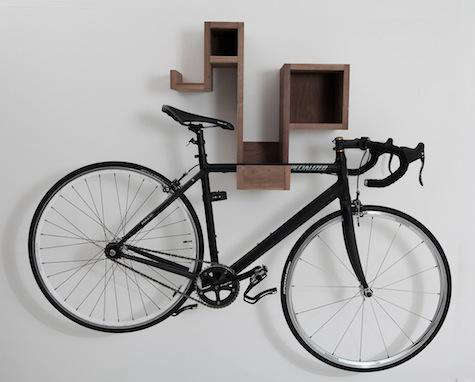
If you have ever lived with a bicycle in a small apartment, you know the routine: the handlebars attack your ribs, the tires leave mysterious wall tattoos, and your helmet somehow migrates to the kitchen counter like it pays rent. That is exactly why the Tamasine Osher Pedal Pod feels less like a simple bike rack and more like a polite intervention for urban cyclists with taste.
Designed by British furniture and lighting designer Tamasine Osher, the Pedal Pod combines indoor bike storage with elegant shelving, turning a practical problem into a design feature. It is part wall-mounted bicycle rack, part compact storage unit, and part sculptural furniture piece. In other words, it does the job of three accessories without looking like it was assembled during a panic trip to the hardware store.
The genius of the Pedal Pod is not just that it stores a bicycle. Plenty of racks can do that. Its real appeal is that it treats the bike as something worth displaying, especially for people who see cycling as more than transportation. For the bike-proud city dweller, it says, “Yes, my bicycle lives indoorsand yes, it has better furniture than some studio apartments.”
What Is the Tamasine Osher Pedal Pod?
The Pedal Pod is a design-forward indoor bike rack that also functions as a storage shelf for cycling accessories, everyday essentials, books, keys, mail, and decorative objects. It was admired during London Design Week and has been discussed by design publications as a clever solution for small-space living. Rather than hiding a bicycle in a hallway, basement, or behind a door that never fully closes, the Pedal Pod frames it as part of the room.
According to the product information, the Pedal Pod is available in solid oak, solid walnut, and walnut veneer, with distinctive duck-egg blue edging. That material palette gives it warmth and sophistication, while the colored edge adds a playful detail that keeps the piece from feeling too serious. It is elegant, but not the kind of elegant that whispers in Latin and refuses to sit near the snacks.
Why This Bike Storage Accessory Stands Out
It Blends Storage and Display
Most bike racks are designed to disappear. The Pedal Pod takes the opposite approach. It acknowledges that a bicycle can be beautiful, especially when it has a clean frame, carefully chosen components, or a color scheme that makes its owner unreasonably proud. Instead of treating the bike as clutter, the Pedal Pod treats it as an object of design.
The integrated shelves and compartments soften the visual impact of a bike on the wall. A few books, a plant, a helmet, a lock, or a tray for keys can make the setup feel intentional. This is the difference between “I had nowhere else to put my bike” and “I made a design decision.” The first feels like defeat. The second feels like a magazine spread.
It Works for Small Apartments
Small-space living rewards furniture that performs more than one job. A coffee table with storage, a bench with hidden compartments, or a wall shelf that also organizes daily essentials can dramatically improve the flow of a room. The Pedal Pod belongs to this same smart-design family. It uses vertical wall space, which is often underused in apartments, condos, lofts, and compact homes.
For renters and city cyclists, floor space is precious. A bicycle leaning against the wall can interrupt foot traffic, block closets, scratch paint, and become a nightly obstacle course. Wall-mounted bike storage clears the floor and gives the room back its breathing space. The Pedal Pod goes further by adding useful storage where a plain rack would leave dead space.
Design Language: Furniture First, Bike Rack Second
Tamasine Osher’s broader work often explores the relationship between natural materials, architecture, craftsmanship, and emotional connection. The Pedal Pod reflects that philosophy in a practical form. It is not merely a bracket with a shelf attached. It is designed to look like furniture even when the bike is not hanging on it.
This matters more than it may seem. Many indoor bike racks look awkward when empty, like a lonely wall appliance waiting for instructions. The Pedal Pod avoids that problem because its shelves, cabinetry-like form, and crafted wood presence still make visual sense without the bicycle. It can hold accessories, decor, books, or daily carry items and continue to contribute to the room.
The solid oak and walnut options also align with a timeless interior palette. These woods pair well with white walls, concrete floors, black metal accents, leather furniture, linen upholstery, and warm neutral rooms. The duck-egg blue edging adds personality without shouting. It is a small detail, but design lovers know small details are where the magic hides.
The Practical Side: What Can You Store in a Pedal Pod?
The Pedal Pod is especially useful because cycling gear tends to scatter. One minute your gloves are in a drawer; the next, your lock is under the sofa, your lights are charging in the bathroom, and your helmet is sitting on a dining chair like an uninvited guest. A dedicated bike storage station solves that daily mess.
Depending on how the Pedal Pod is styled, it can hold or organize:
- Cycling gloves, lights, and small tools
- A compact pump or repair kit
- Keys, sunglasses, wallet, and mail
- Books, small plants, or decorative objects
- A helmet, lock, or riding cap nearby
- Everyday carry items for quick departures
The point is not to overload it. The best version of this accessory keeps things edited. Think “curated cycling corner,” not “garage shelf having a nervous breakdown.” A few well-placed objects create a clean, intentional look while keeping daily items close at hand.
Who Is the Pedal Pod Best For?
Urban Cyclists
The Pedal Pod is ideal for people who bike often and need easy access. If you ride to work, meet friends by bike, or use cycling as your weekend reset button, indoor storage should not feel like a wrestling match. A good bike rack makes leaving the house smoother. The Pedal Pod adds beauty to that convenience.
Design-Conscious Homeowners and Renters
This is not the cheapest way to hang a bike, and that is not really the point. The Pedal Pod is for people who care about how functional objects look inside the home. It makes sense for those who would rather buy one well-designed piece than patch together a hook, a shelf, and a basket that never quite get along.
Small-Space Dwellers
Studio apartments, one-bedroom homes, lofts, and narrow entryways can benefit from vertical storage. The Pedal Pod helps free up floor space while adding a purposeful focal point. It is especially attractive in spaces where the living room, entryway, and bike parking area are basically the same three square feet wearing different hats.
How to Style the Tamasine Osher Pedal Pod
Create a Clean Entryway Zone
Place the Pedal Pod near the door if the layout allows. This turns it into a grab-and-go station. Store keys, lights, gloves, and a lock close to the bike. Add a small tray for pocket items and one attractive object, such as a ceramic bowl or a compact plant, to keep the look warm rather than purely functional.
Use the Bike as Wall Art
If your bicycle has a beautiful frame, let it be the star. Keep the surrounding decor minimal and choose accessories that complement the bike’s colors. A black road bike against walnut can look sleek and architectural. A cream or steel frame against oak can feel softer and more Scandinavian. Either way, clean tires are highly recommended unless “urban gravel fresco” is your chosen aesthetic.
Balance the Room
A bicycle is visually large, so balance matters. If the Pedal Pod is mounted in a living room, pair it with lighter furniture nearby or echo the wood tone elsewhere in the space. A walnut Pedal Pod can connect beautifully with a wood coffee table, picture frames, or a side chair. Oak can brighten a room and works well with pale walls and natural textiles.
Pedal Pod vs. Ordinary Bike Racks
A standard wall hook is inexpensive, compact, and effective. For a garage, utility room, or basement, it may be all you need. But indoors, especially in a living space, ordinary racks can look unfinished. The Pedal Pod improves on the basic idea by combining structure, storage, and visual polish.
Compared with a simple hook, the Pedal Pod offers a more integrated home design solution. Compared with freestanding bike stands, it uses wall space more efficiently and avoids eating up the floor. Compared with purely decorative bike shelves, it feels more complete because it can store kit as well as support the bike. Its main limitation is that it requires a suitable wall and proper installation. Like any wall-mounted bike storage, it should be fixed securely and matched to the weight and dimensions of the bicycle.
Materials and Craftsmanship
The material choices are one of the reasons the Pedal Pod feels elevated. Solid oak and walnut are classic furniture woods, appreciated for durability, grain, and warmth. Walnut brings depth and richness; oak feels lighter and more casual. Walnut veneer offers a refined look while potentially giving more flexibility in construction and finish.
The duck-egg blue edge detail is also worth noting. It gives the piece a memorable identity. In interior design, a small color accent can help a functional piece feel bespoke. It also prevents the Pedal Pod from becoming visually heavy, especially when paired with a dark bicycle frame or a narrow room.
The result is an accessory that sits somewhere between storage system and handcrafted furniture. That in-between quality is precisely why it continues to attract attention. It solves a real problem but does not announce itself as problem-solving equipment.
Why the Pedal Pod Still Feels Relevant
Even though the Pedal Pod first drew attention years ago, the idea behind it feels more relevant than ever. More people are living in smaller spaces, more commuters are cycling, and more homeowners are looking for multifunctional furniture that does not look purely utilitarian. The modern home is expected to work harder while looking calmer. No pressure, walls.
The Pedal Pod answers that need by combining three important design trends: vertical storage, multipurpose furniture, and the display of personal lifestyle objects. A bicycle is not just equipment; for many people, it represents independence, health, sustainability, and identity. The Pedal Pod gives that identity a proper place at home.
What to Consider Before Choosing a Pedal Pod
Wall Strength
Before installing any wall-mounted bike rack, make sure the wall can support the load. Studs, masonry, or proper anchors matter. A beautiful rack is less charming when it exits the wall dramatically at 2 a.m.
Bike Size and Frame Shape
Not all bicycles have the same geometry. Road bikes, gravel bikes, city bikes, step-through frames, and e-bikes vary in weight and shape. Confirm compatibility before purchasing or commissioning a storage piece.
Room Flow
Measure the handlebar width and the bike’s total projection from the wall. The Pedal Pod may clear floor space, but the bicycle still occupies air space. In a narrow hallway, handlebars can become tiny metal door guardians.
Daily Use
If you ride every day, the rack should be easy to use. If mounting and removing the bike feels too fussy, the bike will eventually end up leaning against the sofa again. The best storage solution is one you will actually use.
Experience Section: Living With a Design-Led Bike Storage Piece
Imagine coming home after a ride through the city. Your shoes are dusty, your jacket is slightly dramatic, and your bike has collected enough street personality to deserve its own memoir. In a typical apartment, this is where chaos begins. The bike leans against the wall. The helmet lands on a chair. The lock slides onto the floor with the emotional weight of a medieval chain. By morning, the entryway looks like a cycling shop had a small argument with your living room.
A piece like the Tamasine Osher Pedal Pod changes that rhythm. Instead of treating the bike as something to apologize for, it gives the bicycle a destination. You lift it into place, place your gloves in the storage area, drop your keys in a tray, and suddenly the room feels composed again. There is a small satisfaction in that. It is the domestic equivalent of closing all your browser tabs.
The biggest experience-related benefit is mental clarity. When cycling gear has a home, getting out the door becomes easier. You are not hunting for a rear light five minutes before a ride. You are not wondering whether your lock is under a stack of mail or inside a tote bag you last used in March. Everything lives near the bike, where logic always wanted it to be.
There is also a social effect. Guests notice a bike displayed well. A bicycle hanging from a thoughtful furniture piece becomes a conversation starter rather than a tripping hazard. People ask about the rack, the wood, the design, the bike, the rides. The setup communicates that cycling is part of your life, not just an object you are temporarily storing indoors because the basement is scary.
From an interior design perspective, the Pedal Pod encourages better editing. Because it is attractive, you become more selective about what you place on it. A helmet looks fine. A small plant looks great. A pile of receipts, three unmatched gloves, and a banana from last Thursday do not make the cut. Good design has a quiet way of improving behavior without delivering a lecture.
For apartment dwellers, the experience is especially meaningful. Small homes punish clutter quickly. One misplaced object can make a studio feel crowded. A bike is not a small object, so storing it well changes how the entire room functions. The floor feels freer. The wall feels purposeful. The bicycle becomes part of the visual story rather than an interruption.
Of course, a premium design piece does not replace common sense. Tires should be wiped after wet rides. The installation should be secure. Heavy bikes require careful checking. Accessories should be organized, not stuffed into every available corner. But when used thoughtfully, the Pedal Pod can make everyday cycling feel more integrated with home life.
The best compliment for a product like this is simple: it makes you want to use it. It makes putting the bike away feel less like a chore and more like finishing a ritual. Ride, return, store, reset. For cyclists who care about design, that small ritual can make a home feel smarter, calmer, and a little more personal.
Conclusion
The Tamasine Osher Pedal Pod is more than an indoor bike rack. It is a thoughtful accessory for people who want storage to look as good as it works. By combining a wall-mounted bicycle holder with shelving and furniture-quality materials, it turns a common small-space challenge into an opportunity for style.
Its appeal lies in balance: practical but sculptural, compact but useful, refined but not boring. Whether placed in an entryway, living room, or compact urban apartment, the Pedal Pod proves that bike storage does not have to be hidden, awkward, or ugly. Sometimes the best solution is to put the bicycle on display and give it a beautiful stage.
Note: This original article is based on verified product information and broader design research about indoor bike storage, small-space furniture, and multifunctional home accessories. It is written for web publication without citation placeholders or unnecessary source-code elements.