If TikTok has ever served you a video of someone whispering into a tiny microphone, tapping acrylic nails on a glass jar, slicing soap like it personally offended them, or crunching fried chicken with cinematic seriousness, congratulations: you have entered the strangely soothing kingdom of ASMR. It is part relaxation technique, part internet culture, part “why am I watching someone organize beads at 1:07 a.m.?” mystery.
So, what does ASMR mean on TikTok? ASMR stands for Autonomous Sensory Meridian Response. In simple terms, it describes a pleasant tingling, calming, or deeply relaxing sensation some people feel when they hear or see certain soft, repetitive, detailed, or personal-attention-style triggers. On TikTok, ASMR has become a huge content category because it is quick, sensory, oddly satisfying, emotionally comforting, and perfectly built for headphones, short videos, and endless scrolling.
This guide breaks down the ASMR meaning on TikTok, the most common TikTok ASMR styles, why people love it, why brands use it, and why your brain may find a whispering stranger with a lip gloss collection more relaxing than your expensive meditation app.
What Does ASMR Mean on TikTok?
On TikTok, ASMR usually refers to videos designed to create a calming sensory reaction. That reaction might feel like tingles on the scalp, neck, shoulders, or spine. For others, it is less “tingly lightning bolt” and more “my nervous system just put on pajamas.”
The term itself sounds like something invented by a committee of sleepy scientists, but it is now everyday internet language. TikTok creators use “ASMR” in captions, hashtags, and video titles to tell viewers: this content is meant to be soft, sensory, satisfying, relaxing, or immersive.
ASMR in Plain English
ASMR is the cozy body-and-brain feeling some people get from triggers such as:
- Whispering or soft speaking
- Tapping on glass, wood, plastic, or makeup containers
- Crinkling paper, wrappers, or packaging
- Brushing hair, fabric, microphones, or makeup brushes
- Slow hand movements
- Personal attention roleplay, such as spa, haircut, or “cranial nerve exam” videos
- Eating sounds, chewing, sipping, or crunching
- Cleaning, organizing, restocking, slime, soap cutting, and keyboard typing
Not everyone feels ASMR tingles, and that is completely normal. Some people feel deeply relaxed without tingles. Others feel nothing. A few hear chewing sounds and immediately want to move to a quiet cabin in the woods. Human brains are wonderfully weird.
Why Is ASMR So Popular on TikTok?
ASMR was popular on YouTube long before TikTok became the app where trends go to become international group projects. But TikTok made ASMR faster, easier to discover, and more addictive in the “just one more video” sense. A traditional ASMR video might last 30 minutes. A TikTok ASMR clip can deliver one satisfying sound in 12 seconds. That is snack-sized relaxation.
1. TikTok’s Short-Form Format Is Perfect for ASMR
TikTok rewards content that grabs attention immediately. ASMR does that beautifully because the trigger often begins in the first second: a tap, whisper, crunch, spray, pour, scratch, snip, squeeze, or scrape. The viewer does not need a long setup. There is no dramatic backstory. The soap is cut. The jar is tapped. The scalp brush begins. The nervous system applauds politely.
Short-form ASMR also works because many triggers are repeatable. A creator can test dozens of sounds: glass tapping, lip gloss clicking, keyboard typing, page turning, ice cracking, foam squeezing, or bubble wrap popping. If one sound performs well, it can become a series.
2. ASMR Feels Like Stress Relief in a Noisy World
Many people watch ASMR because it helps them calm down, fall asleep, or shift their attention away from stress. Research on ASMR is still developing, but studies and clinical discussions often describe it as a sensory-emotional experience linked with relaxation, improved mood, and reduced physiological arousal for people who respond to it.
That matters because TikTok users often open the app during little gaps in the day: before bed, during a study break, after work, while procrastinating laundry, or while avoiding an email that begins with “Just circling back.” ASMR offers a quick sensory reset.
3. The Videos Feel Personal Without Demanding Anything
A big part of ASMR’s appeal is “personal attention.” Many videos mimic gentle, one-on-one care: a creator pretends to brush your hair, check your skin, apply makeup, examine your eyes, pack an order for you, or whisper affirmations. It is intimate but usually nonsexual, comforting but low-pressure.
That is a rare combination online. Most social media shouts, argues, sells, reacts, or performs. ASMR whispers. It says, “Relax, I am going to tap on this tiny bottle for no urgent reason.” Sometimes that is exactly the energy people need.
Popular Types of ASMR on TikTok
TikTok ASMR is not one single style. It is more like a buffet where every dish is served quietly and someone is tapping the spoon against the bowl.
Whisper ASMR
This is the classic. Creators speak softly or whisper directly into the microphone. They may tell stories, read comments, repeat trigger words, or guide viewers through relaxation. Common trigger words include “relax,” “sleep,” “tingles,” “okay,” and soft consonant-heavy phrases. Whisper ASMR works especially well with earbuds because the sound feels close and immersive.
Food ASMR
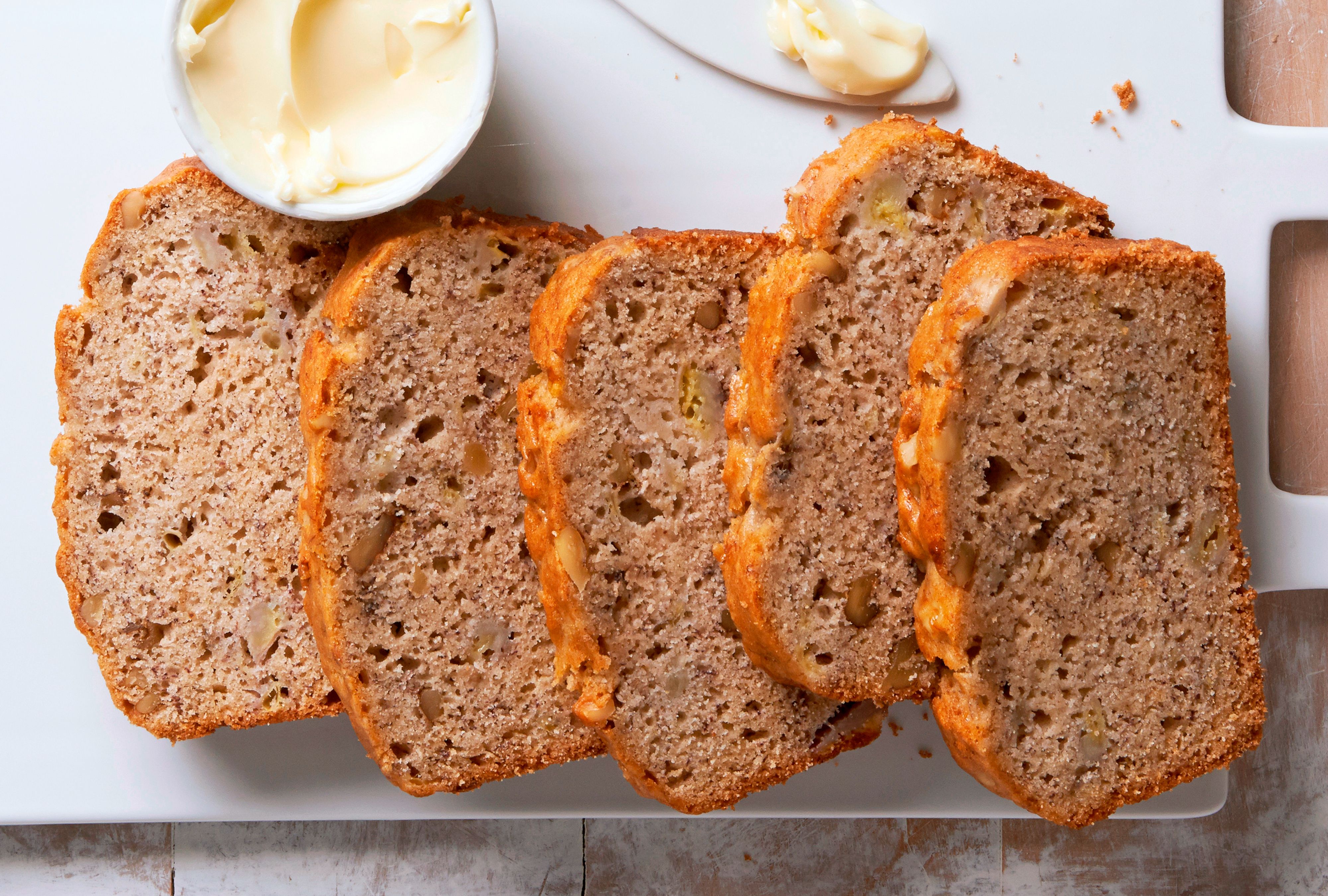
Food ASMR includes crunching, chewing, cooking, pouring, stirring, slicing, and plating sounds. Think crispy pickles, Korean corn dogs, ice cubes, honeycomb, noodles, or fried chicken. Food ASMR overlaps with mukbang culture, but on TikTok it is often less about eating large quantities and more about capturing satisfying sound.
Of course, food ASMR is divisive. Some viewers hear a crispy bite and feel joy. Others hear mouth sounds and feel their soul leave the room. That strong reaction is part of why these videos get comments, shares, and debates.
Beauty and Skincare ASMR
Beauty ASMR is huge because makeup and skincare products naturally create great sounds: clicking compacts, pumping serums, brushing powder, opening jars, spraying mist, and tapping glass bottles. Beauty brands and creators use ASMR to make products feel luxurious and tactile. A moisturizer becomes not just a moisturizer, but a tiny spa experience with better lighting.
Cleaning, Organizing, and Restocking ASMR
Restocking videos are the tidy cousin of ASMR. Creators refill snack drawers, organize refrigerators, arrange bathroom products, sort acrylic containers, or reset a desk. The appeal is visual and auditory: lids click, boxes slide, liquids pour, labels line up, and chaos becomes order. It is productivity cosplay, and frankly, sometimes watching it is easier than cleaning your own kitchen.
Oddly Satisfying ASMR
This category includes slime, kinetic sand, soap cutting, paint mixing, wax sealing, rug cleaning, pressure washing, and object restoration. These videos are popular because they create a clear before-and-after or tension-and-release pattern. The viewer waits, the object changes, the sound lands, and the brain says, “Yes, that was correct.”
Roleplay ASMR
Roleplay ASMR recreates calming scenarios: a spa appointment, haircut, doctor visit, librarian check-in, flight attendant service, sleep clinic, personal stylist, or friend doing your makeup. These videos blend performance, sound design, and gentle attention. When done well, they feel like a tiny theater production for your nervous system.
Why TikTok ASMR Works So Well
The Algorithm Loves Niche Reactions
TikTok’s recommendation system is strong at detecting what keeps people watching. ASMR has a built-in advantage because viewers often watch the entire clip to hear the full sequence. A creator may tap five objects, pour a drink, or cut a bar of soap from start to finish. That completion-friendly format can help the video perform.
It Is Easy to Remix
ASMR is highly remixable. One creator taps a Stanley cup; another taps luxury perfume; another taps mini toy groceries; another taps a keyboard while pretending to take your “tingle order.” Trends spread because creators can adapt the format using whatever is nearby. In ASMR, even a cardboard box can become a star if it crinkles with confidence.
It Combines Sound, Visuals, and Mood
TikTok ASMR is not just about audio. The best videos use close-up visuals, clean lighting, slow movement, texture, repetition, and rhythm. A video of someone pouring blue liquid into a glass may work because it sounds nice, looks smooth, and creates a calm mood all at once. It is sensory stacking.
It Gives Viewers Control
ASMR viewers can choose exactly what helps them relax. Hate whispering? Search no-talking ASMR. Love tapping? Search glass tapping ASMR. Need sleep? Search sleep ASMR. Want chaos with crunchy pickles? TikTok will provide, possibly too enthusiastically. This control makes ASMR feel personal and customizable.
Is ASMR Actually Good for You?
For many people, ASMR is a harmless relaxation tool. Some viewers use it before sleep, during anxiety spikes, while studying, or as background comfort. Early research suggests ASMR may help some people feel calmer, improve mood, and reduce stress-related arousal, but it is not a guaranteed medical treatment.
The key phrase is “some people.” ASMR is subjective. One viewer may feel scalp tingles from whispering. Another may prefer visual triggers like hand movements. Another may only respond to soft-spoken roleplay. Another may feel nothing unless someone is cleaning a rug with industrial equipment. The brain has preferences.
When ASMR May Help
ASMR may be useful when you want to:
- Relax before bed
- Create a calming nighttime routine
- Reduce everyday stress
- Focus during low-pressure tasks
- Enjoy sensory content without heavy emotional demands
- Replace louder, more stimulating videos with softer content
When to Be Careful
ASMR is generally safe, but there are a few common-sense rules. Keep headphone volume reasonable, especially if you watch before sleep. Be mindful of content that feels uncomfortable, overly intimate, or inappropriate for children. If certain sounds irritate you, skip them. If ASMR becomes the only way you can sleep or manage anxiety, it may be worth building additional coping habits or talking with a qualified professional.
Why Brands Love ASMR on TikTok
Brands use ASMR because it makes products feel touchable through a screen. A lip oil can click, gloss, squish, and shine. A sneaker box can open with a soft cardboard pull. A coffee brand can pour ice, crack a can, and swirl cream in a way that makes viewers suddenly very committed to hydration, caffeine, or both.
ASMR also slows viewers down. In a crowded feed, a quiet product video can stand out because it does not scream for attention. It leans in and lets the sensory details do the selling. For beauty, food, home, cleaning, fashion, and tech brands, ASMR can turn ordinary product features into little moments of satisfaction.
How to Understand ASMR Slang on TikTok
If you are new to TikTok ASMR, you may see captions and comments that sound like a secret language spoken by sleepy people with excellent headphones. Here are a few helpful terms:
- Triggers: Sounds or visuals that create ASMR sensations.
- Tingles: The pleasant scalp, neck, or spine sensation some viewers feel.
- No talking ASMR: ASMR videos with only sounds, no speaking.
- Personal attention: Videos that simulate gentle care or direct attention.
- Oddly satisfying: Content that feels pleasing because of repetition, texture, order, or transformation.
- Mukbang ASMR: Eating-focused ASMR with amplified food sounds.
- Binaural audio: Sound recorded to feel 3D or directional through headphones.
How to Find ASMR You Actually Like
The best way to explore ASMR on TikTok is to treat it like a sensory taste test. Start with broad searches such as “TikTok ASMR,” “sleep ASMR,” “no talking ASMR,” “tapping ASMR,” “skincare ASMR,” or “cleaning ASMR.” Then pay attention to your reaction. Do you feel calmer? Annoyed? Sleepy? Hungry? Ready to buy 14 acrylic organizers? Your body will give feedback.
Use headphones for a fuller experience, but keep the volume low. Save videos that work for you so TikTok learns your preferences. Skip sounds that bother you quickly, because lingering on disliked content can train the app to show more of it. The algorithm is clever, but it is not a mind reader. It is more like a raccoon with data.
Examples of ASMR on TikTok
Here are realistic examples of what people mean when they say “ASMR” on TikTok:
- A creator whispers a bedtime story while tapping a wooden box.
- A beauty influencer applies lip gloss close to the microphone.
- A small business owner packs an order with tissue paper, stickers, and thank-you cards.
- A food creator bites into crispy toast, pickles, or fried chicken.
- A cleaner scrubs a sink until the before-and-after transformation feels heroic.
- A crafter cuts soap, presses slime, or peels dried paint.
- A creator pretends to give the viewer a spa treatment or haircut.
These videos may look simple, but strong ASMR content often takes planning. Creators think about microphone placement, background noise, object texture, lighting, camera distance, pacing, and repetition. The magic may seem effortless, but behind every perfect tap is someone testing 11 bottles and discovering that only one has main-character acoustics.
Real-Life Experience: Why ASMR Feels So Addictive, Comforting, and Weirdly Human
The first time many people encounter ASMR on TikTok, their reaction is not always instant devotion. It may be confusion. You are scrolling through dances, recipes, comedy clips, and news reactions, then suddenly a person is whispering, “Hi friend,” while brushing a microphone shaped like an ear. For a second, you wonder if the internet has finally become too powerful. Then the brush sound starts, your shoulders drop, and you think, “Okay, maybe the ear microphone has a point.”
That is the strange charm of ASMR. It does not always make logical sense at first glance. Why should tapping on a makeup compact feel relaxing? Why does the sound of tissue paper folding make someone sleepy? Why can a “pack an order with me” video feel more emotionally supportive than three motivational quotes and a green smoothie? The answer is partly sensory and partly emotional. ASMR videos give the brain something soft, predictable, and low-stakes to focus on. In a feed full of opinions, arguments, breaking updates, and people filming themselves at the gym before sunrise, that softness feels almost rebellious.
For viewers who use TikTok ASMR at night, the experience can become a routine. The room is dark, the phone brightness is finally not attacking the eyeballs, and the right video creates a little pocket of calm. Some people prefer no-talking tapping videos because voices keep them awake. Others love whisper roleplays because they create a feeling of being cared for. Some people fall asleep to hair brushing sounds, while others need crisp, repetitive object sounds. There is no universal best ASMR trigger. Finding the right one is like finding the right pillow: deeply personal and weirdly important.
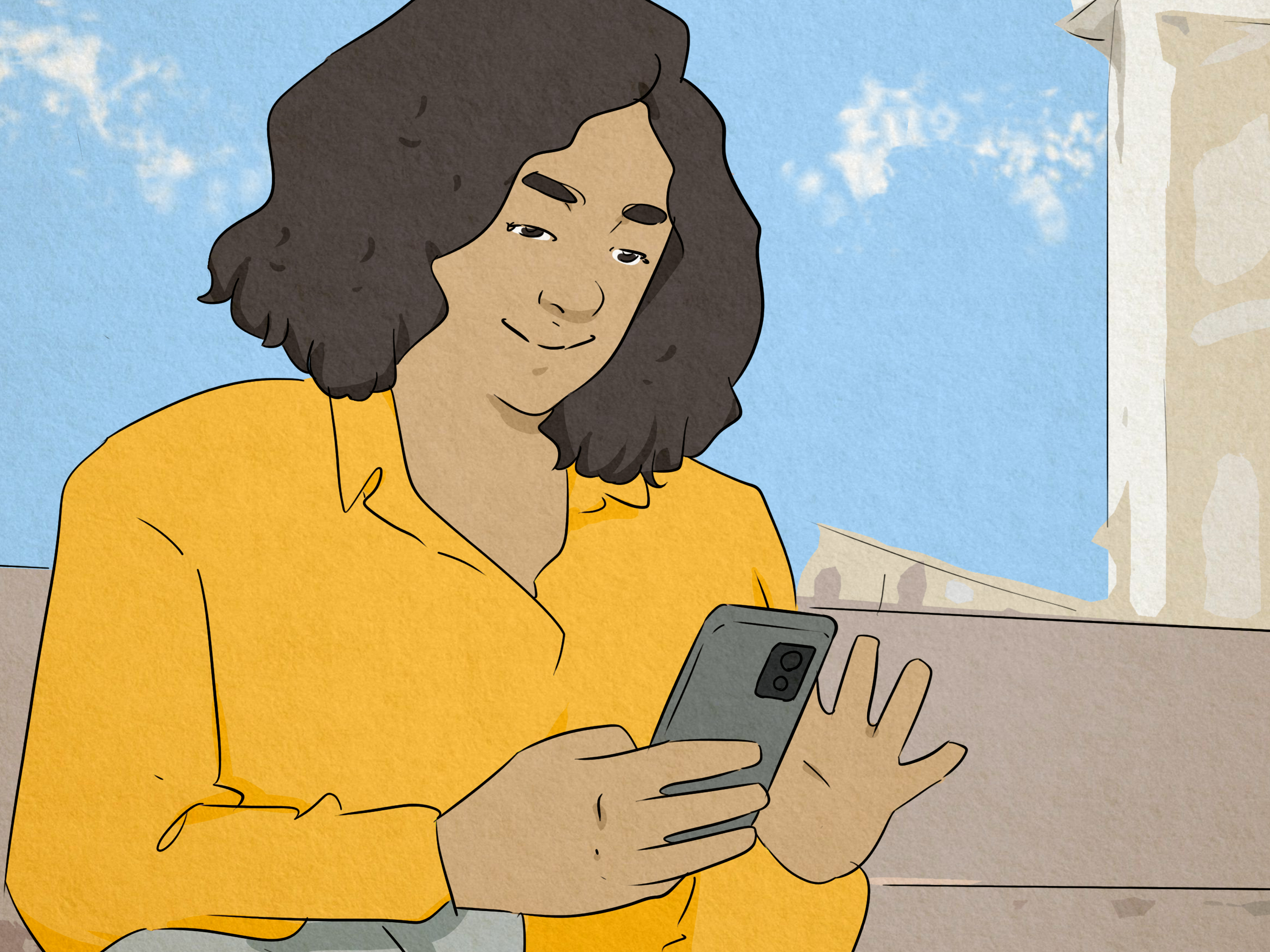
ASMR can also become a way to take tiny breaks during the day. A student might watch a 20-second desk restock between assignments. Someone working from home might use a cleaning ASMR clip as a reset before the next meeting. A stressed viewer might choose soft-spoken affirmations instead of doom-scrolling. Even when the effect is small, the ritual can feel grounding. It tells the brain, “For the next minute, nothing is required except listening.” That is rare. Most apps want attention, reaction, outrage, shopping, sharing, or commenting. ASMR asks you to notice a sound.
There is also humor in the experience. ASMR fans know how oddly specific their preferences can be. One person may say, “I only like fast tapping on glass jars, but not plastic lids.” Another may say, “Whispering is fine, but chewing is forbidden.” Someone else may insist that the best ASMR is people cleaning carpets that look like they were discovered in a swamp. TikTok makes those micro-preferences easy to find. Somewhere, somehow, there is a creator making the exact sound your brain has apparently been waiting for.
The popularity of ASMR on TikTok shows that digital entertainment is not only about speed, drama, or jokes. Sometimes people want quiet. Sometimes they want texture. Sometimes they want the gentle sound of a box being opened by someone who has clearly never rushed a package in their life. ASMR is popular because it turns ordinary moments into sensory comfort. It makes small sounds feel meaningful. And in a loud world, that tiny whisper can feel surprisingly powerful.
Conclusion
So, what does ASMR mean on TikTok? It means Autonomous Sensory Meridian Response, but on the app, it also means comfort, tingles, relaxation, satisfying sounds, soft visuals, and deeply specific content that can make ordinary objects feel hypnotic. TikTok helped ASMR become even more popular by turning long relaxation videos into short, discoverable, highly shareable sensory clips.
People love TikTok ASMR because it can feel calming, personal, immersive, and easy to customize. Whether you enjoy whispering, tapping, food crunching, skincare sounds, cleaning videos, or no-talking visual triggers, ASMR offers a low-pressure way to relax. It is not magic, and it is not a medical cure, but for many viewers, it is a helpful little escape from digital noise. Also, it proves that with the right microphone, even a shampoo bottle can have a career.
Note: This article is written for informational and editorial publishing purposes, based on synthesized public knowledge from reputable health, psychology, sleep, media, and social platform research sources.