Osteoporosis treatments are not one magic pill, one heroic glass of milk, or one dramatic “I now lift weights” montage. They are usually a smart combination of medication, nutrition, exercise, fall prevention, and daily habits that help bones stay as strong as possible. Think of it as building a security system for your skeleton: medication locks the doors, calcium and vitamin D reinforce the walls, exercise trains the guards, and fall prevention keeps banana peels out of the hallway.
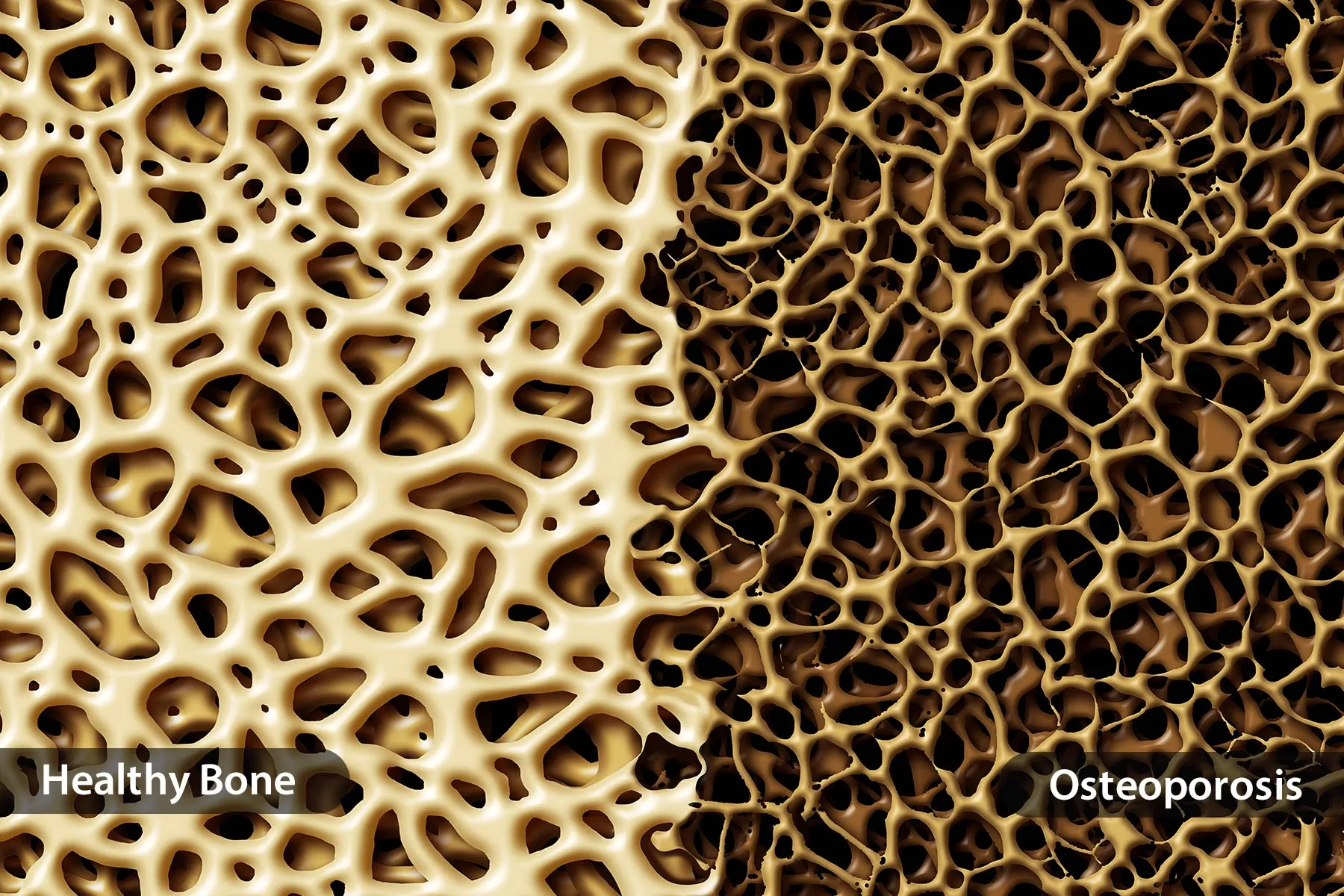
Osteoporosis is a condition in which bones lose density and strength, making fractures more likelyespecially in the hip, spine, and wrist. Many people do not know they have it until a fracture happens after a minor fall or bump. That is why treatment is not just about “bone density numbers.” It is about preventing fractures, preserving independence, reducing pain, and helping people keep living their lives without treating every sidewalk crack like a villain in a superhero movie.
This guide explains the main treatment options for osteoporosis, including prescription medications, home remedies, lifestyle changes, supplements, exercise, diet, and practical strategies that make treatment easier to follow.
What Is the Goal of Osteoporosis Treatment?
The main goal of osteoporosis treatment is to reduce fracture risk. Improving bone mineral density is important, but the bigger win is avoiding broken bones that can lead to surgery, long recovery periods, chronic pain, or loss of mobility.
A healthcare provider may recommend treatment based on several factors, including a bone density scan, age, history of fractures, family history, body weight, smoking, alcohol use, medications, hormone changes, and other medical conditions. Some people have osteopenia, which means low bone mass that is not yet osteoporosis. Others have osteoporosis severe enough to need medication right away.
Medications for Osteoporosis
Prescription medication is often recommended when someone has osteoporosis, a previous fragility fracture, or a high risk of future fracture. Lifestyle changes are powerful, but they usually cannot replace medication when fracture risk is high. Your bones appreciate spinach and walking, yesbut sometimes they also need pharmaceutical backup.
Bisphosphonates: Common First-Line Treatments
Bisphosphonates are among the most commonly prescribed osteoporosis medications. They slow the breakdown of bone, helping maintain or increase bone density over time. Common examples include alendronate, risedronate, ibandronate, and zoledronic acid.
Some bisphosphonates are taken as pills weekly or monthly, while others are given by intravenous infusion every few months or once yearly. Oral bisphosphonates must usually be taken first thing in the morning with plain water, on an empty stomach. Many people are told to stay upright and avoid food or other medicines for 30 to 60 minutes afterward. This is not because the pill is dramatic; it is because absorption is tricky and stomach irritation can happen.
Potential side effects include heartburn, nausea, stomach upset, muscle aches, and, rarely, jawbone problems or unusual thigh bone fractures with long-term use. Because of these rare risks, providers often reassess treatment after several years to decide whether continuing therapy or taking a “drug holiday” is appropriate.
Denosumab: An Injection Every Six Months
Denosumab is a medication given as an injection under the skin every six months. It works by slowing bone breakdown. It may be used for people who cannot take bisphosphonates, have kidney-related limitations, or need another treatment option.
One important point: denosumab should not be stopped suddenly without a plan. Stopping it can increase the risk of spine fractures in some people, so healthcare providers often transition patients to another bone medication when discontinuing it. In other words, denosumab is not a “ghosting is fine” relationship. It needs a proper goodbye plan.
Anabolic Medications: Building New Bone
Anabolic osteoporosis medications help stimulate new bone formation. These are often used for people at very high fracture risk, such as those with multiple fractures, very low bone density, or fractures while already receiving treatment.
Examples include teriparatide and abaloparatide, which are related to parathyroid hormone activity, and romosozumab, which helps increase bone formation and reduce bone breakdown. These medications are usually used for a limited period, followed by an antiresorptive medication such as a bisphosphonate or denosumab to help maintain the gains.
Hormone-Related Therapies
Some people may be candidates for hormone-related treatments, such as estrogen therapy, estrogen-progestin therapy, or selective estrogen receptor modulators like raloxifene. These may help protect bone in certain postmenopausal women, but they are not right for everyone because they can carry risks such as blood clots, stroke, or cancer-related concerns depending on the person’s health history.
Hormone therapy decisions should be individualized. This is not the part of treatment where a friend’s cousin’s neighbor’s success story becomes a medical plan.
Calcitonin and Other Less Common Options
Calcitonin is an older medication sometimes used in specific situations, but it is generally not the first choice for long-term osteoporosis treatment because stronger fracture-prevention options are available. Your provider may discuss it if other therapies are not suitable.
Calcium and Vitamin D: Helpful, But Not Magical
Calcium and vitamin D are essential for bone health. Calcium is a major building block of bone, while vitamin D helps the body absorb calcium. If calcium is the construction material, vitamin D is the delivery truck. Without the truck, the bricks do not arrive where they are needed.
Most adults need about 1,000 to 1,200 mg of calcium daily from food and supplements combined, depending on age and sex. Many adults need around 600 to 800 IU of vitamin D daily, though some people need more if blood levels are low. The right amount should be based on diet, age, lab results, health conditions, and medications.
Food-first calcium is often preferred when possible. Good sources include milk, yogurt, cheese, fortified plant milks, tofu made with calcium sulfate, canned salmon or sardines with bones, kale, bok choy, and fortified cereals. Vitamin D can come from fortified foods, fatty fish, egg yolks, supplements, and sunlight exposure.
Supplements can help, but more is not always better. Too much calcium may increase the risk of kidney stones or other problems in some people. Too much vitamin D can also be harmful. A healthcare provider can help determine whether supplements are needed and which dose makes sense.
Home Remedies for Osteoporosis: What Helps and What Does Not
Let’s be clear: no home remedy can cure osteoporosis overnight. There is no smoothie, herb, tea, or secret soup that rebuilds bone while you sleep like a tiny construction crew with helmets. However, several home-based habits can support medical treatment and lower fracture risk.
Eat a Bone-Supportive Diet
A bone-friendly diet includes calcium, vitamin D, protein, magnesium, potassium, and other nutrients. Protein is especially important because bones and muscles work as a team. Stronger muscles improve balance and reduce fall risk, while bones need adequate nutrition to maintain structure.
Examples of practical meals include Greek yogurt with berries and nuts, salmon with leafy greens, tofu stir-fry with bok choy, oatmeal made with fortified milk, bean soup with vegetables, or eggs with whole-grain toast and avocado. The goal is not perfection. The goal is consistency.
Limit Bone-Weakening Habits
Smoking is harmful to bone health and raises fracture risk. Heavy alcohol use can also weaken bones and increase fall risk. Excess caffeine may be a concern when it replaces calcium-rich foods or contributes to poor nutrition. You do not have to treat coffee like a criminal, but if your breakfast is three espressos and a dream, your bones may file a complaint.
Improve Home Safety
Fall prevention is one of the most underrated osteoporosis treatments. A person with osteoporosis does not only need stronger bones; they need fewer opportunities to fall.
Simple changes can make a big difference: remove loose rugs, improve lighting, install grab bars in the bathroom, use nonslip mats, keep pathways clear, secure electrical cords, wear supportive shoes, and keep frequently used items within easy reach. If you use glasses or hearing aids, keeping them updated can also reduce fall risk.
Exercise for Osteoporosis
Exercise helps maintain bone density, improve posture, strengthen muscles, support balance, and reduce fall risk. The best osteoporosis exercise plan usually includes weight-bearing activity, resistance training, balance work, and posture exercises.
Weight-Bearing Exercise
Weight-bearing exercises make your bones work against gravity. Examples include walking, stair climbing, dancing, hiking, and low-impact aerobics. Walking is a great starting point because it is accessible, affordable, and does not require equipment beyond shoes that do not secretly hate your ankles.
Strength Training
Resistance training can include dumbbells, machines, resistance bands, bodyweight exercises, or supervised physical therapy routines. Strong muscles help protect bones and improve balance. A safe routine may include squats to a chair, wall pushups, rows with resistance bands, heel raises, and gentle hip-strengthening exercises.
Balance and Posture Training
Balance exercises help reduce falls. Examples include tai chi, standing on one foot near a counter, heel-to-toe walking, and guided physical therapy drills. Posture exercises can help reduce forward rounding of the upper back and support safer movement patterns.
Exercises to Avoid or Modify
People with osteoporosis may need to avoid high-impact movements, deep forward bending, twisting under load, heavy sit-ups, toe touches, or exercises that place sudden stress on the spine. Golf swings, aggressive yoga twists, and heavy lifting with poor form may need modification. A physical therapist can help design a plan that is challenging but safe.
Lifestyle Changes That Support Treatment
Osteoporosis treatment works best when daily habits support the medical plan. Small changes, repeated often, can become a powerful defense system.
Take Medication Correctly
Many osteoporosis medications only work well when taken exactly as directed. If weekly pills are hard to remember, ask about monthly, injectable, or infusion options. If side effects occur, do not quietly quit and hope your bones understand. Tell your healthcare provider so the plan can be adjusted.
Check Other Medications
Some medicines can contribute to bone loss or increase fall risk, including long-term corticosteroids, certain anti-seizure medications, some cancer treatments, sedatives, and medications that cause dizziness. Never stop prescribed medicine on your own, but ask your clinician whether a medication review is appropriate.
Track Bone Density and Fracture Risk
Bone density scans, often called DXA scans, help monitor bone health. Your provider may also use fracture risk tools and lab tests to look for secondary causes of bone loss, such as thyroid problems, vitamin D deficiency, kidney disease, or digestive conditions that affect nutrient absorption.
Natural Remedies: Be Careful With Big Promises
Many natural products are marketed for bone health, including collagen, magnesium, vitamin K2, boron, soy isoflavones, and herbal blends. Some nutrients may play a role in overall health, but supplement marketing often runs faster than the evidencelike a toddler with scissors.
Before taking supplements, check with a healthcare provider, especially if you take blood thinners, thyroid medication, kidney medication, heart medication, or osteoporosis prescriptions. Supplements can interact with medicines or cause problems at high doses. “Natural” does not always mean “risk-free.” Poison ivy is natural, and nobody invites it to brunch.
What an Osteoporosis Treatment Plan May Look Like
A typical osteoporosis plan might include a prescription medication, 1,000 to 1,200 mg of calcium daily from food and supplements, vitamin D based on lab results, strength training twice weekly, walking most days, balance exercises, smoking cessation, limited alcohol, and home fall prevention.
For someone at very high risk, the plan may start with an anabolic medication, followed by a bone-preserving medication. For someone with mild bone loss and low fracture risk, the first step may be nutrition, exercise, and monitoring. Treatment should be personal because bones may be quiet, but medical histories are not.
When to Talk to a Doctor
Talk to a healthcare provider if you have had a fracture after a minor fall, lost height, developed a stooped posture, have long-term steroid use, went through early menopause, have a family history of hip fracture, smoke, drink heavily, or have conditions that affect nutrient absorption.
You should also ask about osteoporosis screening if you are a woman age 65 or older, a man age 70 or older, or a younger adult with risk factors. Early detection makes treatment more effective and can prevent the first fracture instead of reacting after it happens.
Real-World Experiences: What Osteoporosis Treatment Feels Like Day to Day
Living with osteoporosis can feel strange at first because the condition is often silent. There may be no pain, no dramatic symptom, and no flashing dashboard warning that says, “Please service bones soon.” Many people only take it seriously after a bone density scan or a fracture. That emotional shift is real. One day, you are casually carrying groceries; the next day, you are Googling calcium-rich foods and suspiciously judging your living room rug.
A common experience is learning that treatment is less about one grand action and more about repetition. The first week may involve setting medication reminders, checking supplement labels, buying better shoes, and moving the hallway clutter that has been “temporarily” sitting there since 2018. These changes can feel annoying, but they quickly become normal. A weekly pill routine, a daily walk, or a simple strength workout can become as ordinary as brushing your teeth.
Some people feel nervous about osteoporosis medication because they have heard about rare side effects. That concern is understandable. Good treatment conversations usually include both sides: the rare risks of medication and the very real risk of fractures without treatment. For many high-risk patients, the benefit of preventing hip or spine fractures outweighs the risk of side effects. The best experience often comes from asking direct questions: Why this medication? How long will I take it? What side effects should I report? What happens if I miss a dose?
Exercise can also be emotionally complicated. People may worry that movement will break something. In reality, safe movement is usually part of the solution. The key word is “safe.” A physical therapist or trained professional can help replace fear with confidence. Instead of thinking, “I am fragile,” many people begin thinking, “I am trainable.” That mindset matters. Bones respond slowly, but confidence can grow faster.
Food changes are another everyday challenge. Not everyone loves milk, and nobody should have to build an entire personality around cottage cheese. Fortunately, calcium can come from fortified plant milks, tofu, yogurt, leafy greens, canned fish with bones, and fortified foods. The most successful approach is practical: add one calcium-rich food to breakfast, include protein at each meal, and keep vitamin D consistent if recommended.
Family support helps too. Loved ones can encourage exercise, help fall-proof the home, and avoid turning every activity into a safety lecture. Nobody wants to be treated like antique porcelain. Support should feel empowering, not suffocating. A good phrase is: “How can I make this easier?” not “Are you sure you should be standing?”
Over time, osteoporosis treatment becomes less scary and more routine. The goal is not to live cautiously in a bubble. The goal is to live actively with smarter protection. Stronger muscles, safer rooms, better nutrition, appropriate medication, and regular checkups can help people keep doing the things they enjoygardening, traveling, dancing, grandkid-chasing, or simply walking confidently across a parking lot without feeling like the pavement is plotting.
Conclusion
Osteoporosis treatment is a team effort between medicine and lifestyle. Medications can slow bone loss or help build bone, while calcium, vitamin D, protein, strength training, balance work, and fall prevention support long-term bone health. Home remedies can help when they mean smart food, safer movement, and healthier habitsbut they should not replace medical treatment when fracture risk is high.
The best plan is personal, practical, and consistent. Work with your healthcare provider, ask questions, take medication correctly, move safely, eat well, and make your home less fall-friendly. Your bones may not send thank-you cards, but fewer fractures are a pretty excellent form of applause.
Note: This article is for general educational information only and should not replace medical advice, diagnosis, or treatment from a qualified healthcare professional.